Saumyakeshava Temple, Nagamangala
About Saumyakeshava Temple, Nagamangala
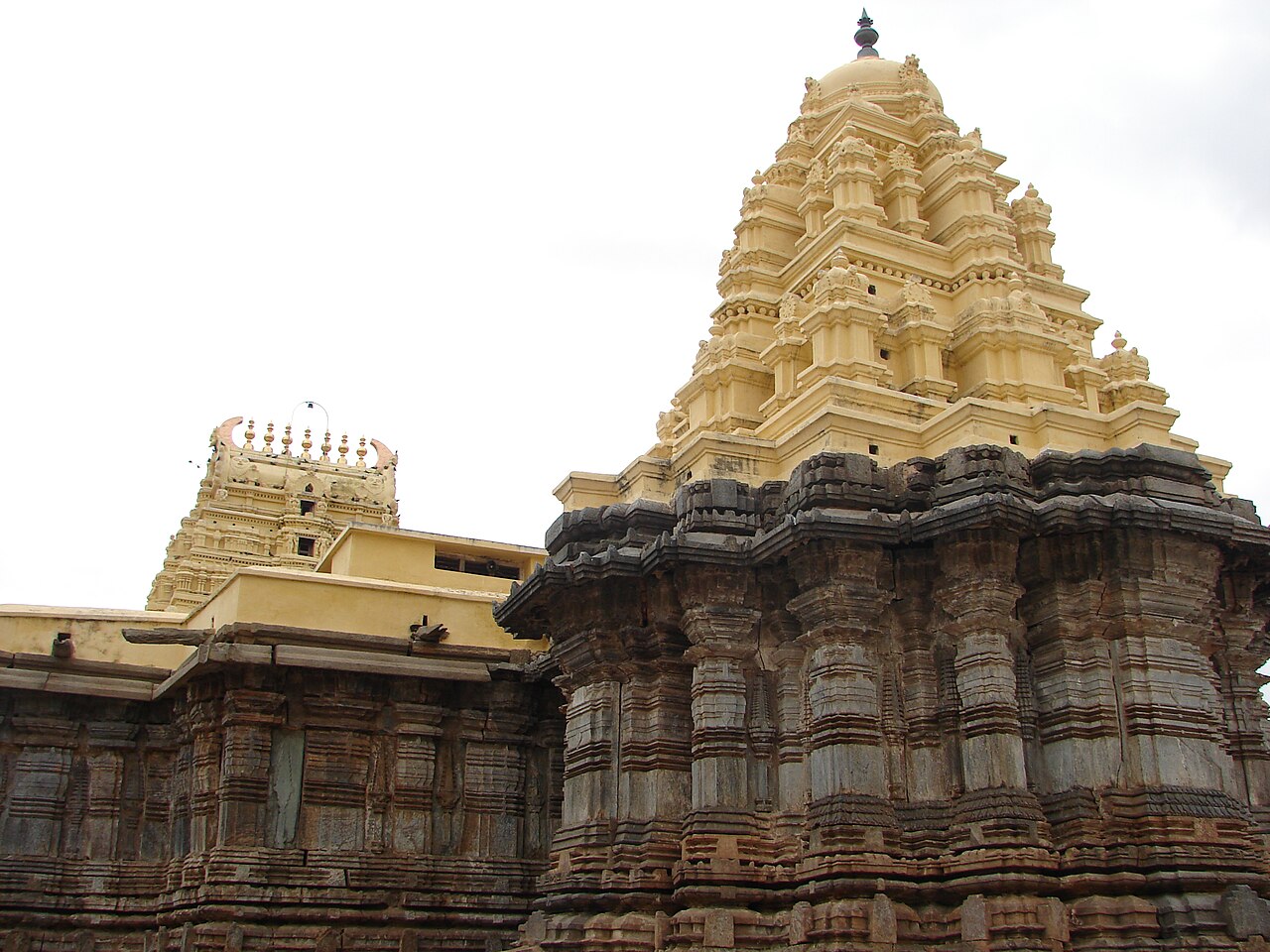
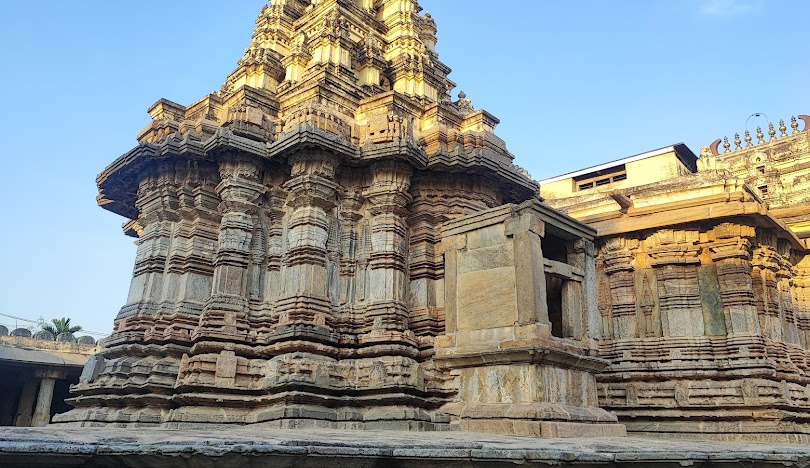
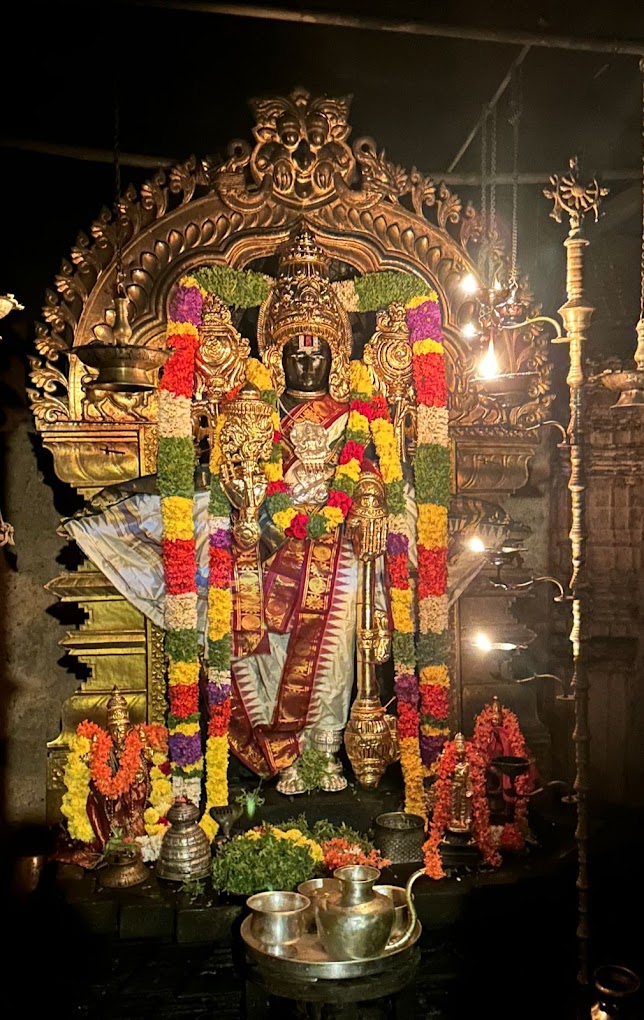
Built in the 12th century during the Hoysala period, the temple exemplifies the architectural sophistication of that era. Its most distinctive feature is the star-shaped plan of the main shrine, a design choice that sets it apart from more conventional rectangular temple layouts. The entire structure rises from a platform called the jagati and is constructed from soapstone, a material that has weathered centuries while retaining fine carved detail.
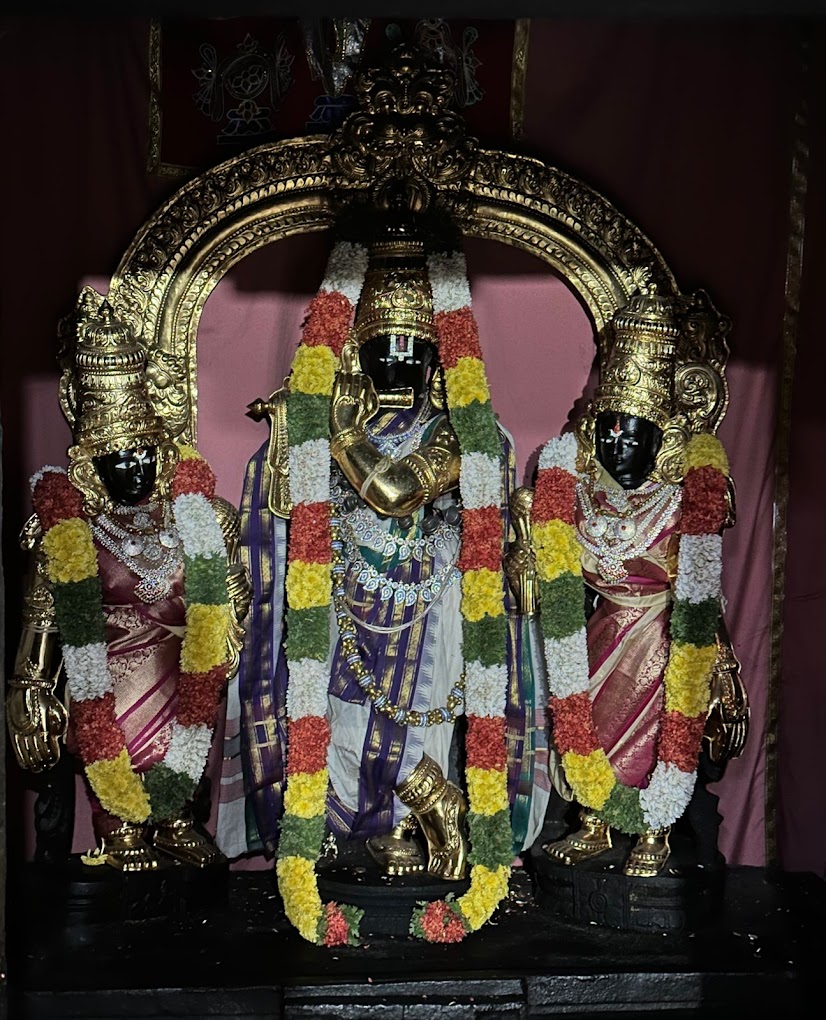
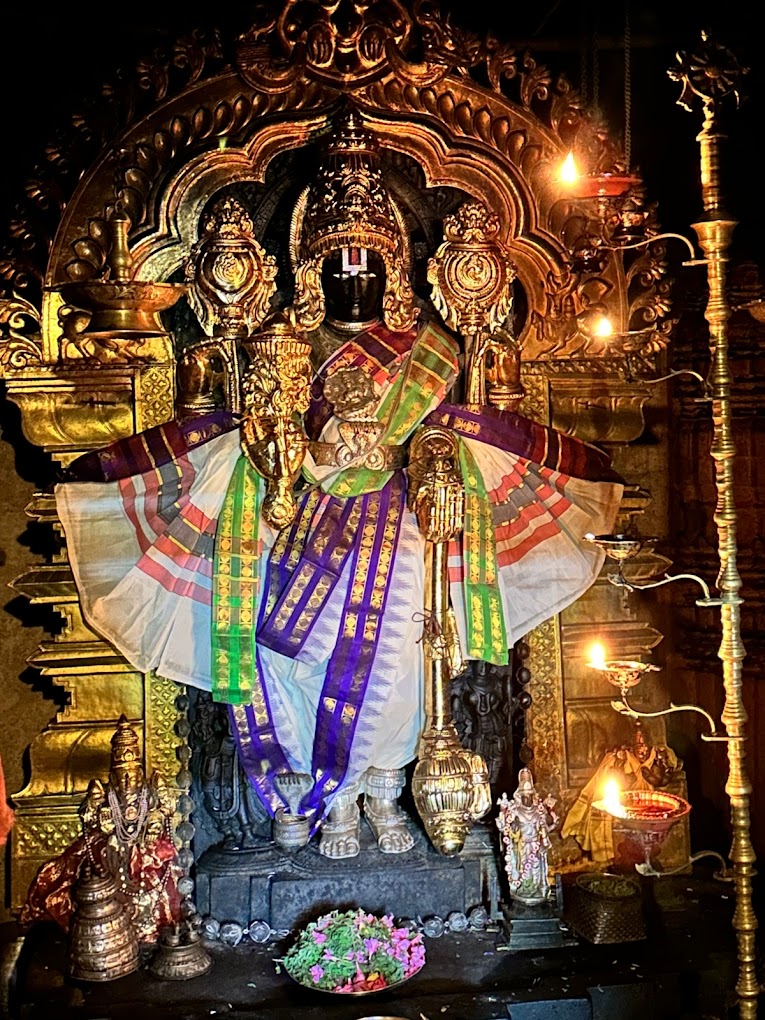
The temple's internal arrangement follows a traditional progression: the garbhagriha (sanctum) houses the deity, connected via an antarala (vestibule) to the navaranga (inner hall), which opens into the mahamantapa (large pillared gathering hall). The navaranga contains two additional shrines positioned to the north and south. The central mandap before the main deity features intricate stone carving, with Adhiseshan (the serpent upon which Vishnu rests) depicted in the center, surrounded by 108 conches engraved in stone.
Later dynasties left their mark on the complex. Rulers of the Vijayanagara empire added the mahadvara (entrance tower) and prakara (bounding walls), expanding the temple's footprint. The gopuram, a seven-tiered entrance tower constructed from brick and lime, rises prominently and bears carved representations of Hindu deities and decorative elements in stucco style.
Visiting the Temple
The temple opens for darshan during two periods each day: morning hours from 7:00 to 13:00 and evening hours from 17:00 to 21:00. Visitors should plan their visit accordingly, keeping in mind that midday closures occur between these sessions. The temple can be reached via the Srirangapatna-Sira highway; Nagamangala lies approximately 62 kilometers from Mysore.
Modest dress is customary when entering Hindu temples; visitors should wear clothing that covers shoulders and knees. Shoes are typically removed before entering the inner sanctum. Photography policies may vary; it is respectful to ask permission before photographing the deity or interior spaces. The temple's contact number is +91-9448750603 for any inquiries regarding specific practices or accessibility needs.
Historical Significance
The temple's construction during the 12th century places it within a period of considerable architectural innovation in South India. The Hoysala dynasty, which commissioned the work, was known for patronizing temples that combined religious function with artistic excellence. Saumyakeshava Temple reflects this tradition through its careful proportions, decorative carving, and structural complexity.
The temple's survival through subsequent centuries, including modifications by later empires, demonstrates its enduring importance to the region's religious life. Its designation as an ASI-protected monument ensures that future generations will be able to study and experience this example of medieval Hindu temple architecture.
The Town and Surroundings
Nagamangala's historical importance extends beyond the temple itself. During the Hoysala period, the town developed as an agrahara—a settlement granted to learned Brahmins and scholars—which contributed to its cultural and intellectual standing. This heritage remains part of the town's identity, though modern Nagamangala has grown into a contemporary settlement.
The town's location on a major highway makes it accessible to travelers moving between Mysore and other parts of Karnataka. Visitors interested in medieval South Indian history and architecture will find the temple a significant stop, particularly when combined with other historical sites in the region.
How to reach
You may also visit
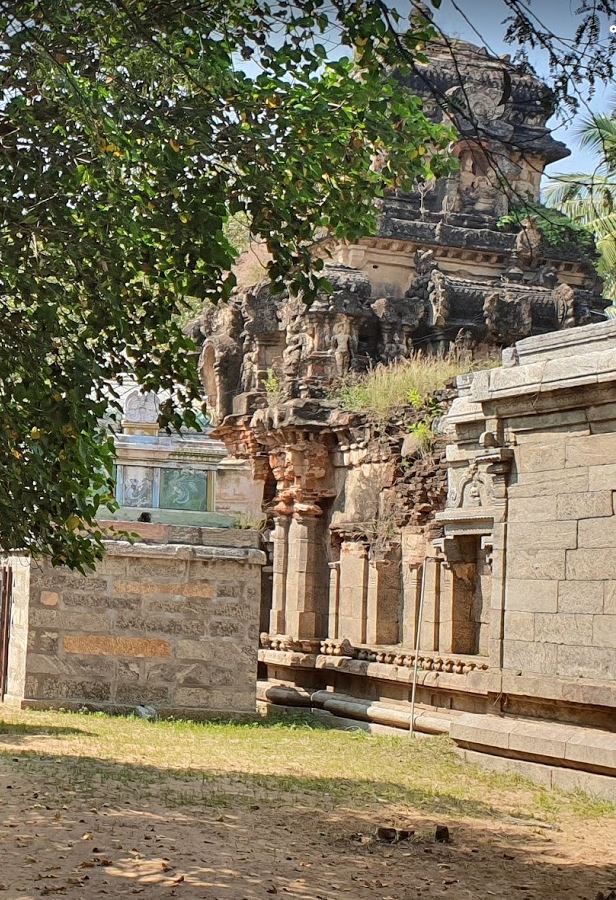
Agatheeswarar Temple, Karur
Agatheeswarar Temple in Thirumukkudalur, Karur district, is an ancient Hindu shrine dedicated to Shiva, situated at the sacred confluence of three rivers and believed to be over 1000 years old.
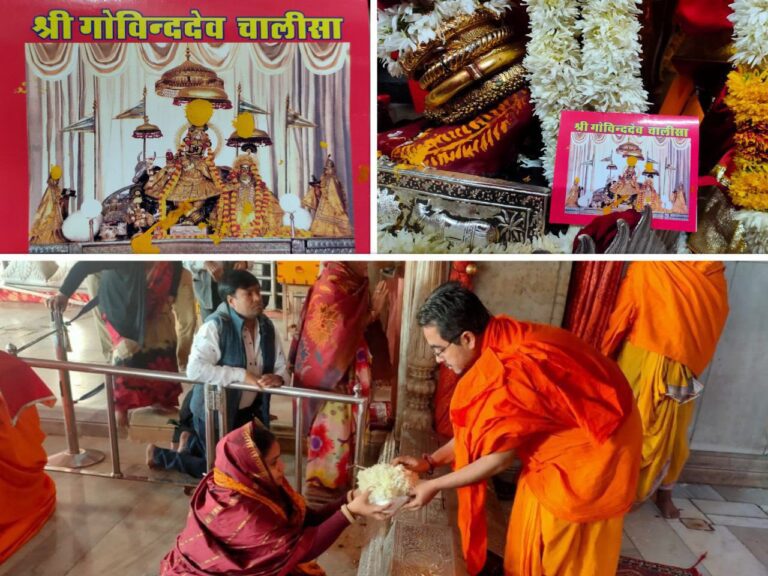
Kalyanji Temple
Kalyanji Temple in Jaipur's Chandpol Bazaar is an ancient Krishna shrine established in the 1820s, renowned for its seven daily aartis and special avatar darshan ceremonies during Akha Teej and Patottsav festivals.
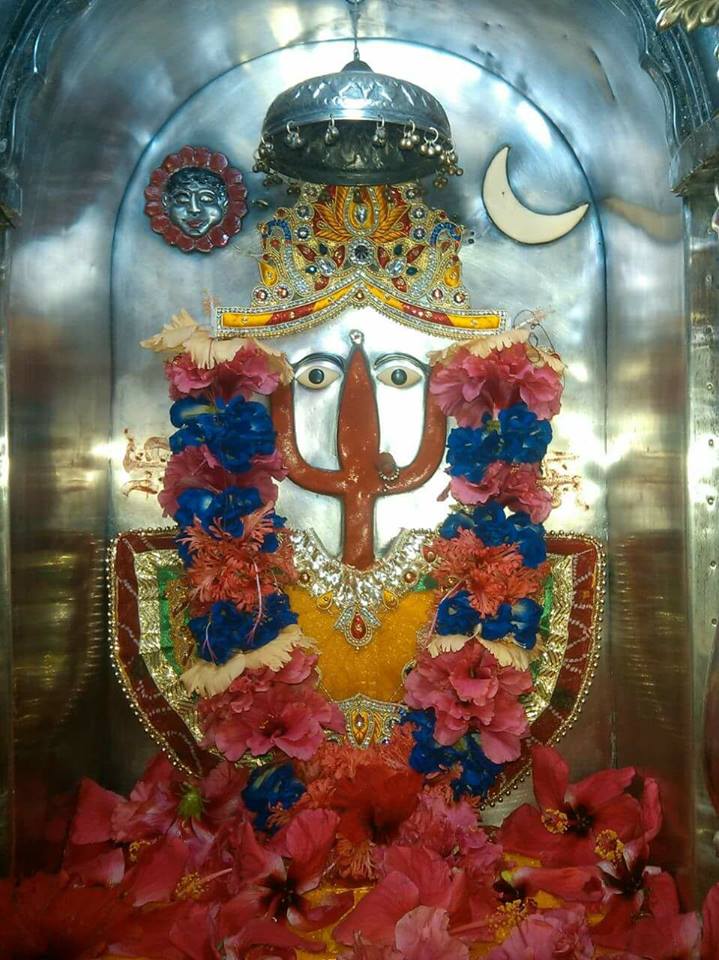
Rani Sati Mandir Mahuda
Rani Sati Mandir in Mahuda, Dhanbad District, is a Hindu temple established in 1992 that serves as a spiritual center for the local community and attracts devotees seeking blessings.