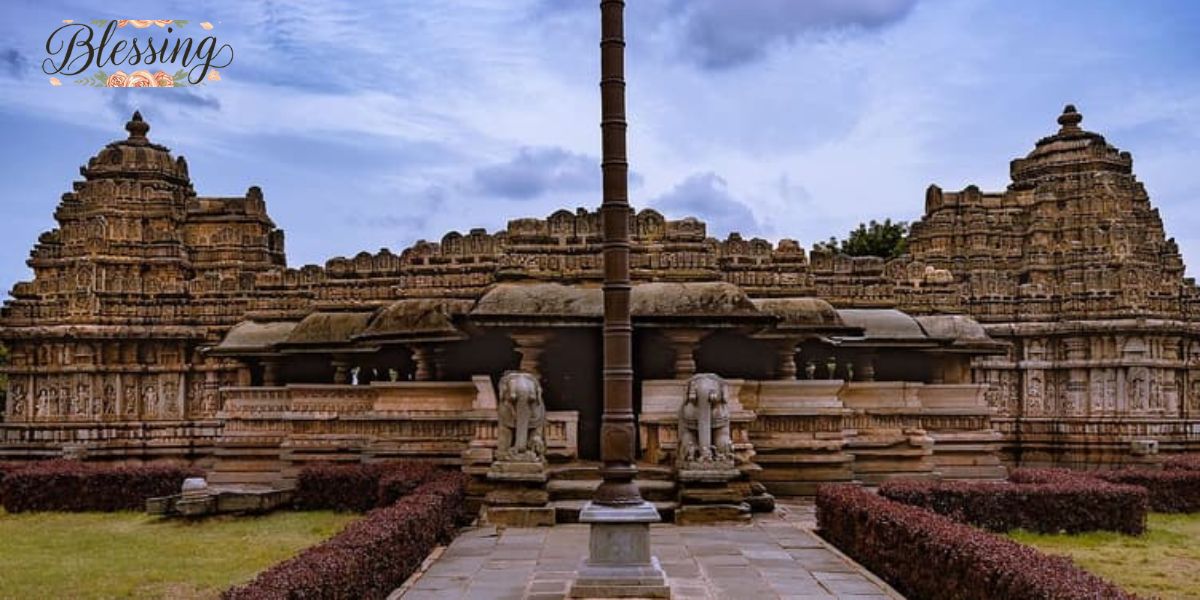
Chennakesava temple, Channarayapatna
About Chennakesava temple, Channarayapatna
The temple exemplifies the distinctive Hoysala architectural style that flourished in medieval Karnataka. Built during the reign of the Hoysala dynasty, the structure showcases the refined craftsmanship and sculptural sophistication characteristic of this period. The temple's design and ornamentation reflect the aesthetic and religious values of 12th-century South Indian temple construction, making it as much a work of art as a devotional space.
The architectural achievements of Chennakeshava Temple have contributed significantly to its designation as a UNESCO World Heritage site, recognizing the universal cultural value of its design and execution. Visitors interested in temple architecture will find the structure itself worthy of careful observation and study.
Daily Worship and Darshan
The temple maintains regular schedules for both morning and evening darshan. Morning darshan is available from 7:30 AM to 1:00 PM, while evening darshan runs from 4:00 PM to 8:00 PM. These windows allow devotees flexibility in planning their visits according to their own schedules and preferences.
The temple observes a structured daily ritual cycle. The morning Abhishekam, a ritual bathing of the deity, takes place from 6:00 AM to 7:30 AM. Madhyana Pooja, the midday worship, occurs from 12:00 PM to 1:00 PM. The evening Aarti, a ceremonial offering of light to the deity, is performed from 6:30 PM to 7:30 PM. These rituals form the spiritual heartbeat of the temple and represent opportunities for visitors to witness or participate in traditional worship practices. Devotees often time their visits to coincide with these ceremonies.
Visiting Information and Practicalities
Visitors should plan their trips with the temple's darshan timings in mind, as these define when the sanctum is accessible to the public. The temple is located at Temple Road, Belur, Hassan District, Karnataka 573115, with precise coordinates available for navigation purposes. It is advisable to verify current timings with temple authorities before traveling, as schedules may be adjusted for festivals, special rituals, or administrative reasons.
Modest dress is customary when visiting Hindu temples; visitors should wear clothing that covers shoulders and knees as a mark of respect. Photography policies vary, and visitors should inquire about restrictions before bringing cameras into the sanctum. The temple grounds typically have designated areas for footwear removal, a standard practice in Hindu worship spaces.
Reaching the Temple
Belur is located in Hassan District in the state of Karnataka, making it accessible by road from major cities in the region. The town has basic accommodation options for visitors, with lodging available at various price points. Those planning to stay overnight should book in advance, particularly during festival periods when the temple attracts larger numbers of pilgrims. The temple's location on Temple Road makes it straightforward to locate once you arrive in Belur.
Planning Your Visit
Visitors should allow sufficient time to experience both the temple and its architectural features. The morning darshan period offers a quieter atmosphere for those seeking a more contemplative experience, while evening visits allow participation in the Aarti ceremony. Those traveling from distant locations may wish to coordinate their visit with local festivals or auspicious dates in the Hindu calendar, though verification of specific festival dates should be made directly with the temple.
It is worth noting that festival days may bring schedule changes, so confirming details with temple authorities before your journey is prudent. The temple's status as a UNESCO World Heritage site means it attracts visitors with varied interests—some primarily devoted to worship, others interested in architectural and historical study—and the space accommodates both purposes.
How to reach
Temples near Chennakesava temple, Channarayapatna

Chennakesava temple, Anekere
Chennakeshava Temple in Belur, Hassan District, Karnataka, is a masterpiece of Hoysala architecture commissioned by King Vishnuvardhana in 1117 CE, renowned for its intricate sc…
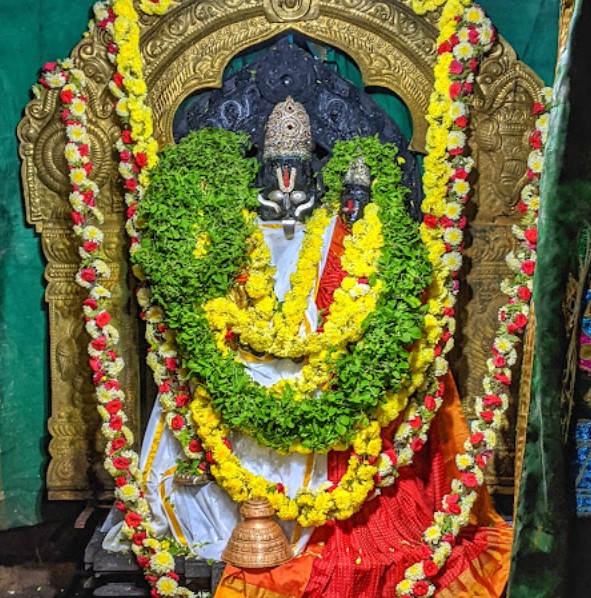
Lakshmi Narasimha Temple, Nuggehalli
A 13th-century Hoysala temple in Nuggehalli, Hassan district, housing three shrines dedicated to Keshava, Lakshmi Narasimha, and Venugopala. Built in 1246 CE, it stands as a Mon…
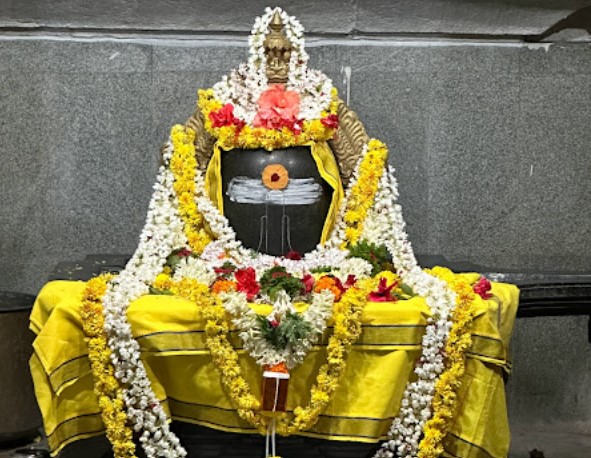
Brahmeshvara Temple, Kikkeri
A 12th-century Hoysala-style temple dedicated to Shiva in Kikkeri village, Mandya district, Karnataka. Completed in 1171 AD, it integrates Shaivism, Vaishnavism, and Shaktism tr…

Nageshvara-Chennakeshava Temple complex, Mosale
A pair of nearly identical Hoysala temples dedicated to Shiva and Vishnu in Mosale village, Hassan District, featuring ornate stone carvings and architectural innovations from t…
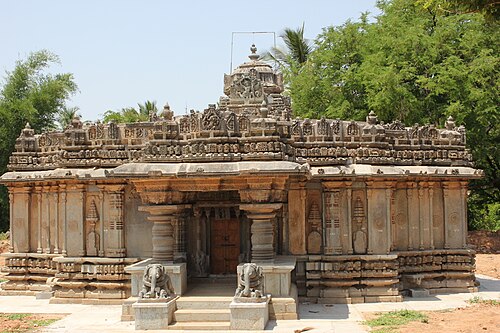
Lakshminarasimha Temple, Vignasante
A 13th-century Hoysala temple dedicated to Lord Vishnu in three forms—Venugopala, Lakshmi Narayana, and Narasimha—built in 1286 CE by military generals under King Narasimha III.…

Chennakeshava Temple, Hullekere
The Chennakeshava Temple in Hullekere is a 12th-century Hoysala architectural masterpiece dedicated to Lord Vishnu, built in 1163 A.D. by a minister of King Narasimha I and prot…