Brahmeshvara Temple, Kikkeri
About Brahmeshvara Temple, Kikkeri
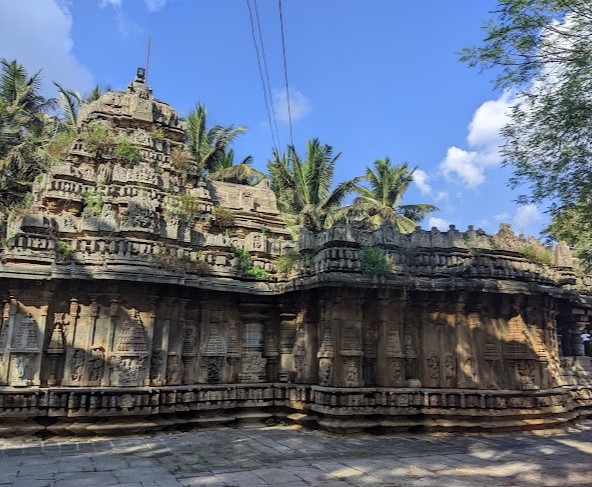
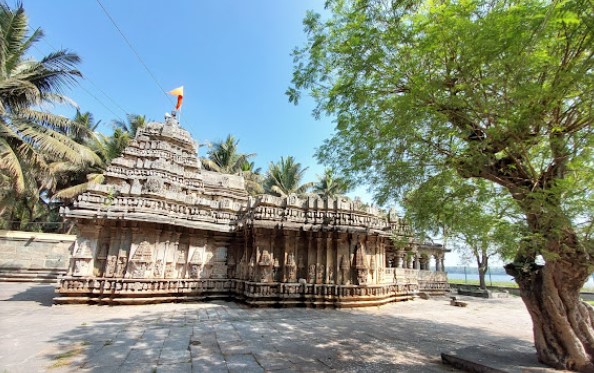
The Brahmeshvara Temple exemplifies the Hoysala architectural style, with the structure oriented to face east. The temple incorporates several distinctive design elements characteristic of the Karnata tradition, including a creative mesa-makara-pattika (a decorative architectural feature) and a protruding Navaranga mandapa (pillared hall). The exterior walls display adicules—small shrine-like projections—that reference multiple regional architectural traditions across India: the Nagara style from the north, west, and east; the Dravida style from the south; the Vesara style of the Deccan; the Bhumija style from central and eastern regions; and composite forms blending these traditions.
The sculptural work throughout the temple demonstrates considerable craftsmanship, with intricate carvings adorning both interior and exterior surfaces. Classical Indian dancing poses are carved within the mandapa, and a separate Devi shrine within the temple complex features noteworthy artwork created with pilasters. The Devi temple was likely constructed several decades after the main structure. However, much of the temple's artwork has suffered intentional damage over the centuries, and the structure shows signs of deterioration consistent with its status as a heritage monument requiring ongoing conservation.
Worship and Spiritual Significance
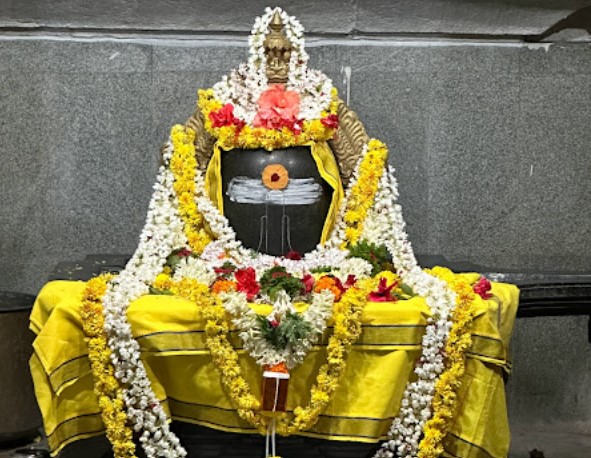
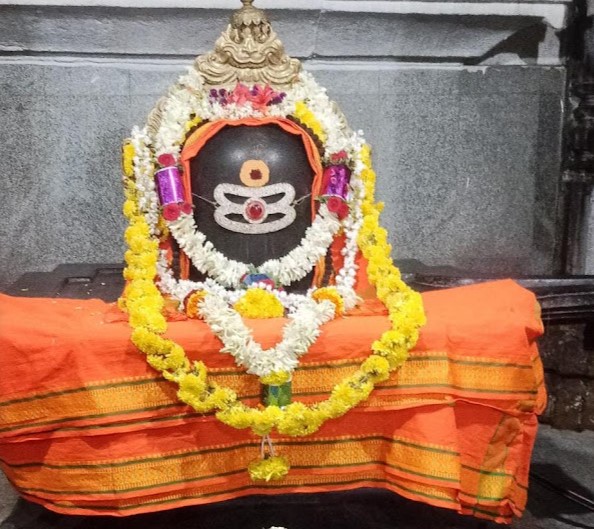
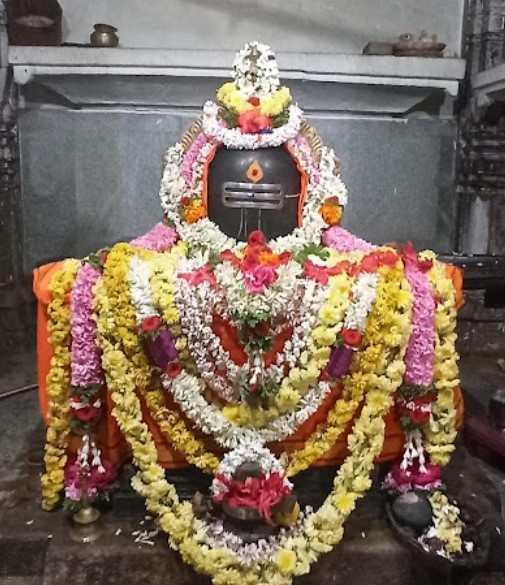
The temple is dedicated to Shiva, reflecting the Shaivite tradition of Hindu worship. According to the sources, the temple uniquely combines Vedic deities with elements from all three major Hindu traditions: Shaivism, Vaishnavism, and Shaktism. This syncretic approach is reflected in the presence of the Devi shrine alongside the main Shiva sanctum, acknowledging the feminine divine principle within the temple's spiritual framework. Temples of the Shaivite tradition typically center worship on Shiva in his various forms and manifestations, with daily rituals involving offerings and prayers conducted by temple priests.
Visiting Hours and Practical Information
The temple is open to visitors during two daily periods: 8:00 AM to 10:00 AM in the morning, and 5:30 PM to 6:30 PM in the evening. These timings allow devotees and visitors to participate in or observe the temple's daily worship cycle. The temple is protected and maintained by the Archaeology, Museums and Heritage department of Karnataka state, designated as monument S-KA-543. Visitors should be aware that the temple is in a partially ruined condition, and care should be taken when moving through the structure. Modest dress is appropriate when visiting Hindu temples; covering shoulders and knees is customary. Visitors should remove footwear before entering the inner sanctum and maintain respectful behavior throughout the complex.
Location and Access
Brahmeshvara Temple is located in Kikkeri village, Mandya district, at coordinates 12.763472°N, 76.429083°E. The postal code for the area is 571423. The temple sits on or near SH7 (State Highway 7) in the Mandalikanahalli region. Visitors traveling to the site should note that Kikkeri lies in the vicinity of Shravanabelagola, a major pilgrimage destination, which can serve as a reference point for navigation. The area is accessible by road, though visitors should confirm current road conditions and local directions before traveling, as rural temple sites may have limited signage.
The Kikkeri Temple Cluster
Beyond the Brahmeshvara Temple, Kikkeri village contains two other significant historic temples, making it worthwhile for visitors interested in medieval Karnataka architecture to explore the broader area. The presence of multiple temples from the same period suggests Kikkeri was an important religious center during the Hoysala era. The proximity to Shravanabelagola, famous for its Jain monuments, means visitors can combine visits to both Hindu and Jain heritage sites in a single journey through the region. The temples of Kikkeri remain less crowded than major pilgrimage centers, offering a quieter environment for contemplation and study of 12th-century architectural traditions.
How to reach
You may also visit
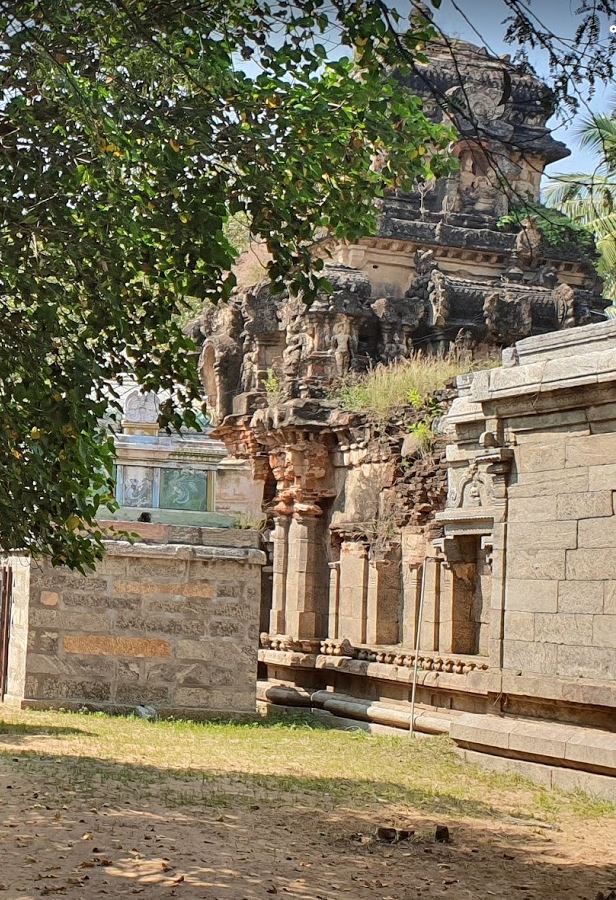
Agatheeswarar Temple, Karur
Agatheeswarar Temple in Thirumukkudalur, Karur district, is an ancient Hindu shrine dedicated to Shiva, situated at the sacred confluence of three rivers and believed to be over 1000 years old.
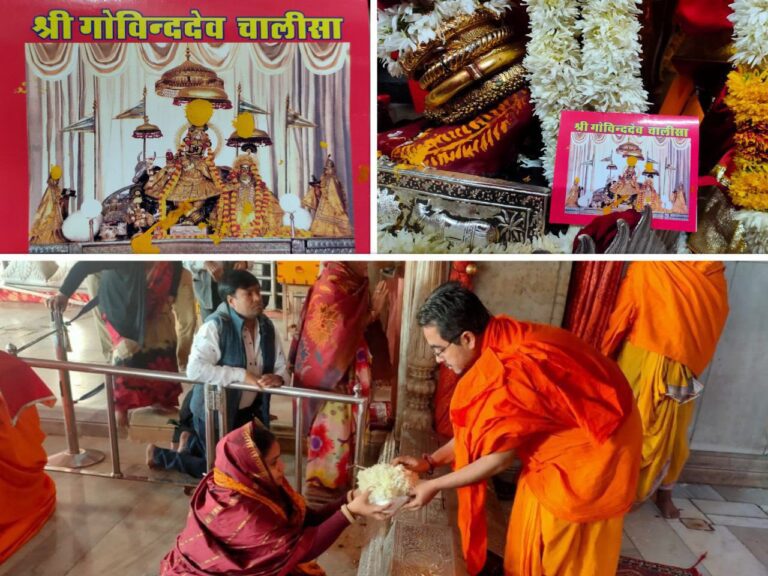
Kalyanji Temple
Kalyanji Temple in Jaipur's Chandpol Bazaar is an ancient Krishna shrine established in the 1820s, renowned for its seven daily aartis and special avatar darshan ceremonies during Akha Teej and Patottsav festivals.
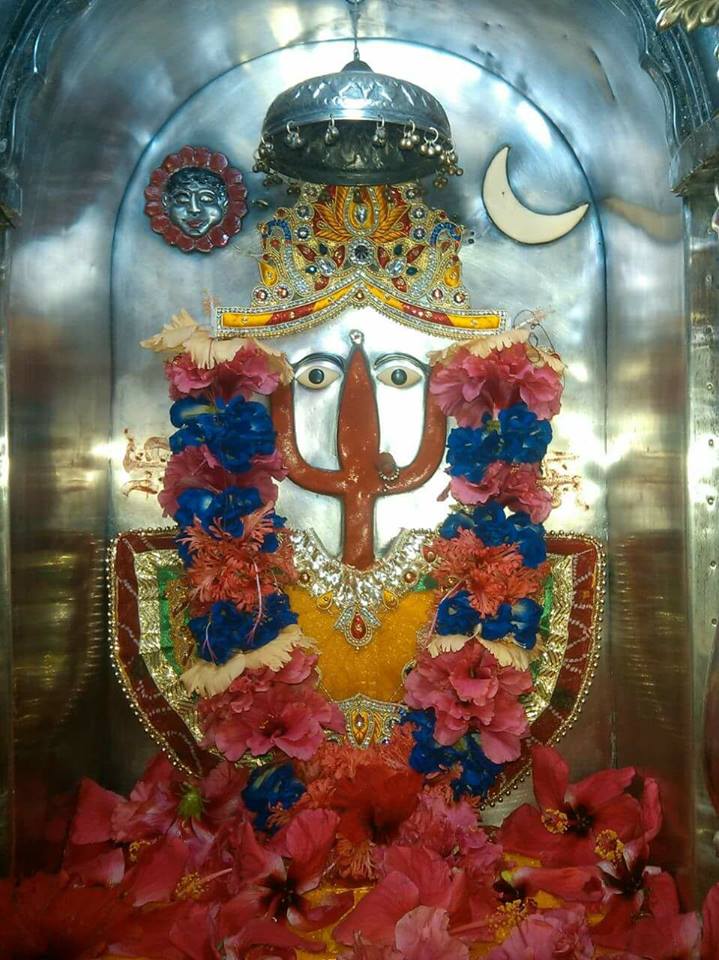
Rani Sati Mandir Mahuda
Rani Sati Mandir in Mahuda, Dhanbad District, is a Hindu temple established in 1992 that serves as a spiritual center for the local community and attracts devotees seeking blessings.