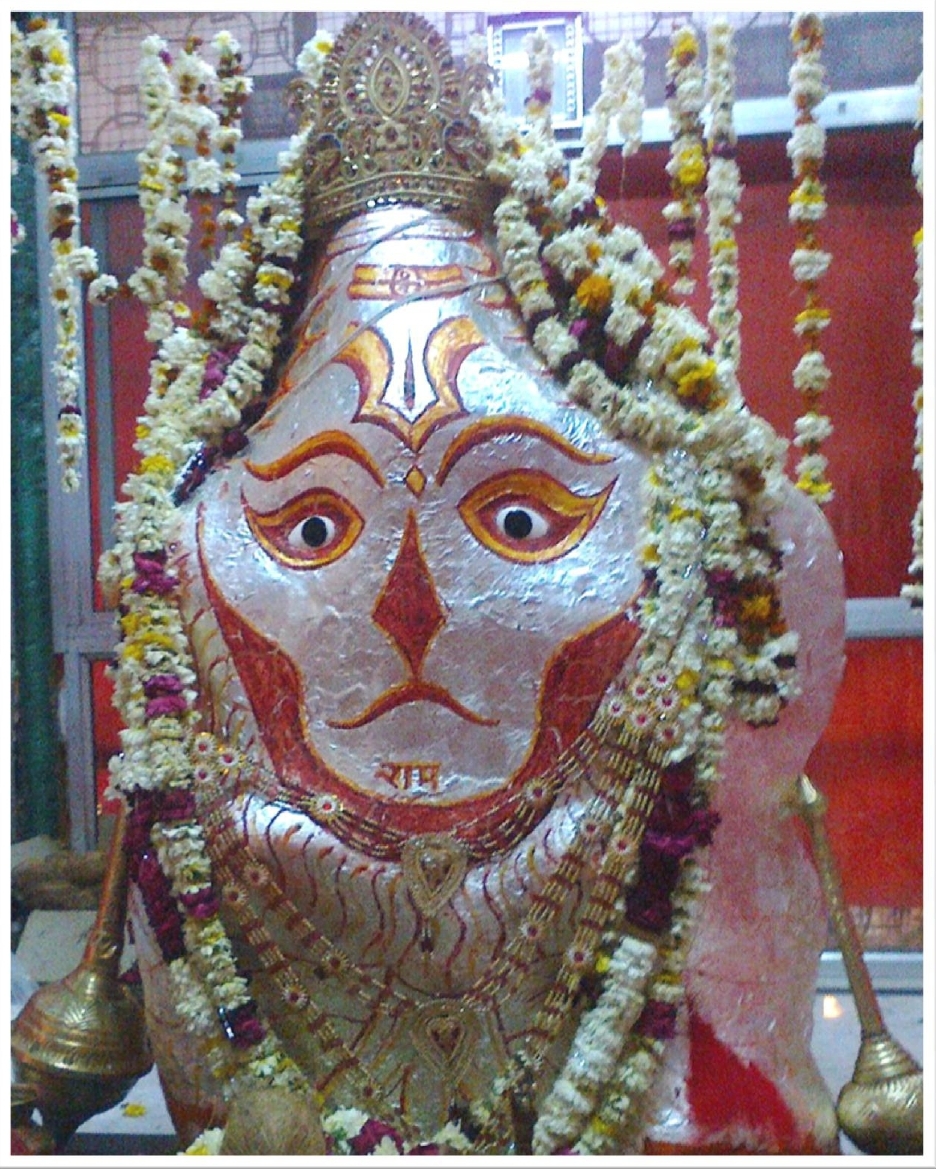
Malan Masi Balaji Temple
About Malan Masi Balaji Temple
Hanuman temples across Hindu tradition typically observe daily worship cycles, though specific details of the daily rituals at Malan Masi Balaji are not recorded. What is documented is that the temple designates Tuesdays and Saturdays as particularly significant days for special worship. Devotees planning visits should prioritise these days if they wish to participate in enhanced ritual observances. The temple's governing committee oversees the conduct of worship, maintaining the shrine's religious functions and the care of the main idol.
Festivals and Celebrations
The temple observes two major festivals throughout the year: Hanuman Jayanti, which marks the birth of Hanuman, and Navratri, the nine-day festival dedicated to the divine feminine in Hindu tradition. These occasions draw increased numbers of devotees to the shrine. Beyond these documented festivals, the specific dates, special rituals, or particular observances associated with these celebrations at this temple are not detailed in available sources. Visitors interested in experiencing the temple during festival periods should verify exact dates locally, as these follow the Hindu lunar calendar and vary annually.
Visiting the Temple
Tuesdays and Saturdays represent the optimal days for a visit, particularly for those seeking to participate in special worship. Visitors should dress modestly, as is customary at Hindu temples—typically covering shoulders and knees. Shoes are generally removed before entering the inner sanctum. The temple's exact opening hours, facilities such as ablution areas, prasad (blessed food) distribution, or accommodation nearby are not specified in available information. It is advisable to check locally or contact the temple administration before visiting to confirm current timings and any specific protocols.
The Deity and Tradition
Hanuman occupies a central place in Hindu devotion as a figure embodying courage, loyalty, and unwavering devotion to dharma (righteousness). Worshippers approach Hanuman temples seeking strength, protection, and spiritual guidance. The use of the name Balaji, Hanuman's childhood name, reflects an intimate dimension of devotion, inviting worshippers to connect with the deity through a more personal, familial relationship. This naming convention appears in several significant Hanuman temples across India.
Planning Your Visit
Before travelling to Malan Masi Balaji Temple, confirm current visiting hours and any special arrangements with the temple administration or local tourism offices in Bundi. The temple's location near Taragarh Fort means visitors can combine a temple visit with exploration of the fort and surrounding old city. Bring modest clothing appropriate for temple worship, and be prepared to remove footwear. As with most Hindu temples, photography policies may restrict image-taking in certain areas—observe any notices or ask permission before photographing. The temple remains an active place of worship, so maintain respectful behaviour and follow the guidance of temple staff.
How to reach
You may also visit
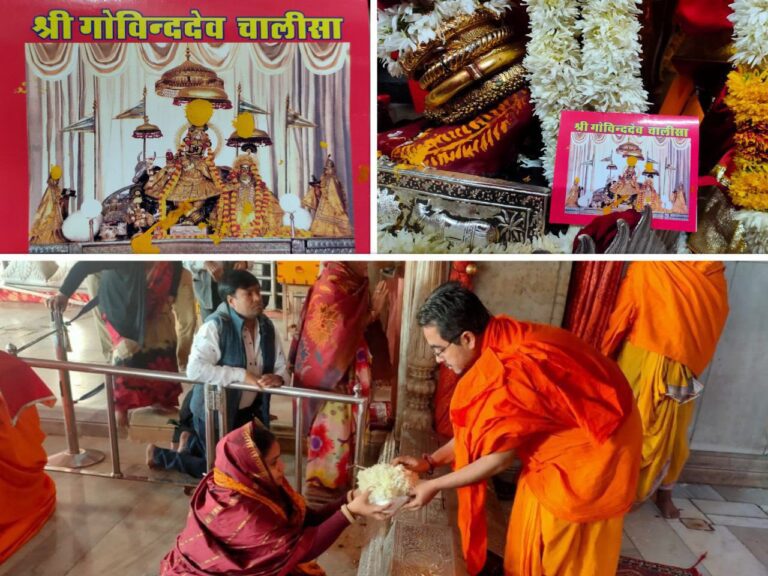
Kalyanji Temple
Kalyanji Temple in Jaipur's Chandpol Bazaar is approximately two centuries old and renowned for displaying the twenty-four avatars of Krishna, visible only twice yearly during Akha Teej and Patottsav festival.
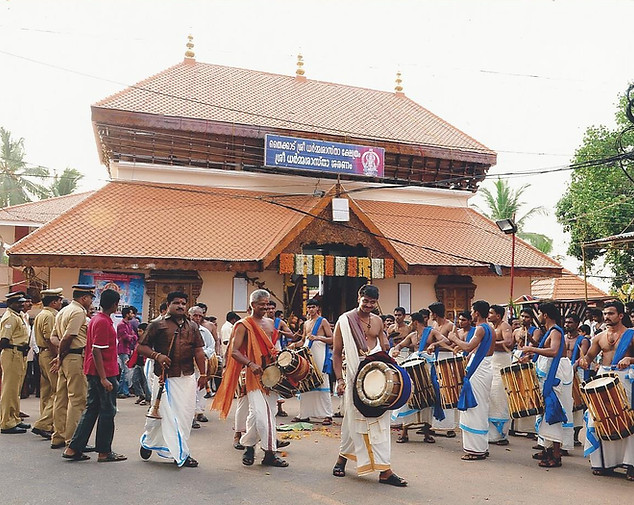
Sastha (Ayyappan) Temple
Sree Dharma Sastha Temple in Thycaud, Thiruvananthapuram, is a centuries-old shrine where the deity manifests as Dhanwanthari, the divine healer, holding the sacred blue lotus.
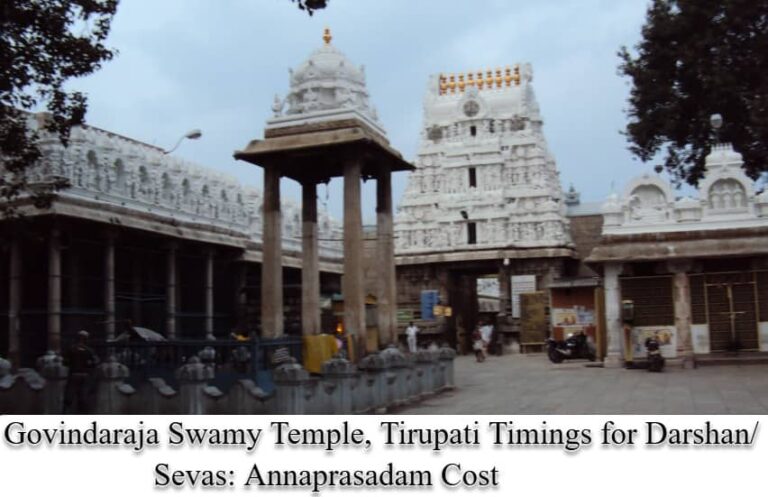
Govindarajaswamy Temple
Sri Govindarajaswamy Temple in Tirupati is an ancient Vaishnavaite shrine consecrated in 1130 AD by Saint Ramanuja, where the presiding deity rests in eternal Yoga Nidra on the serpent Adisesha.