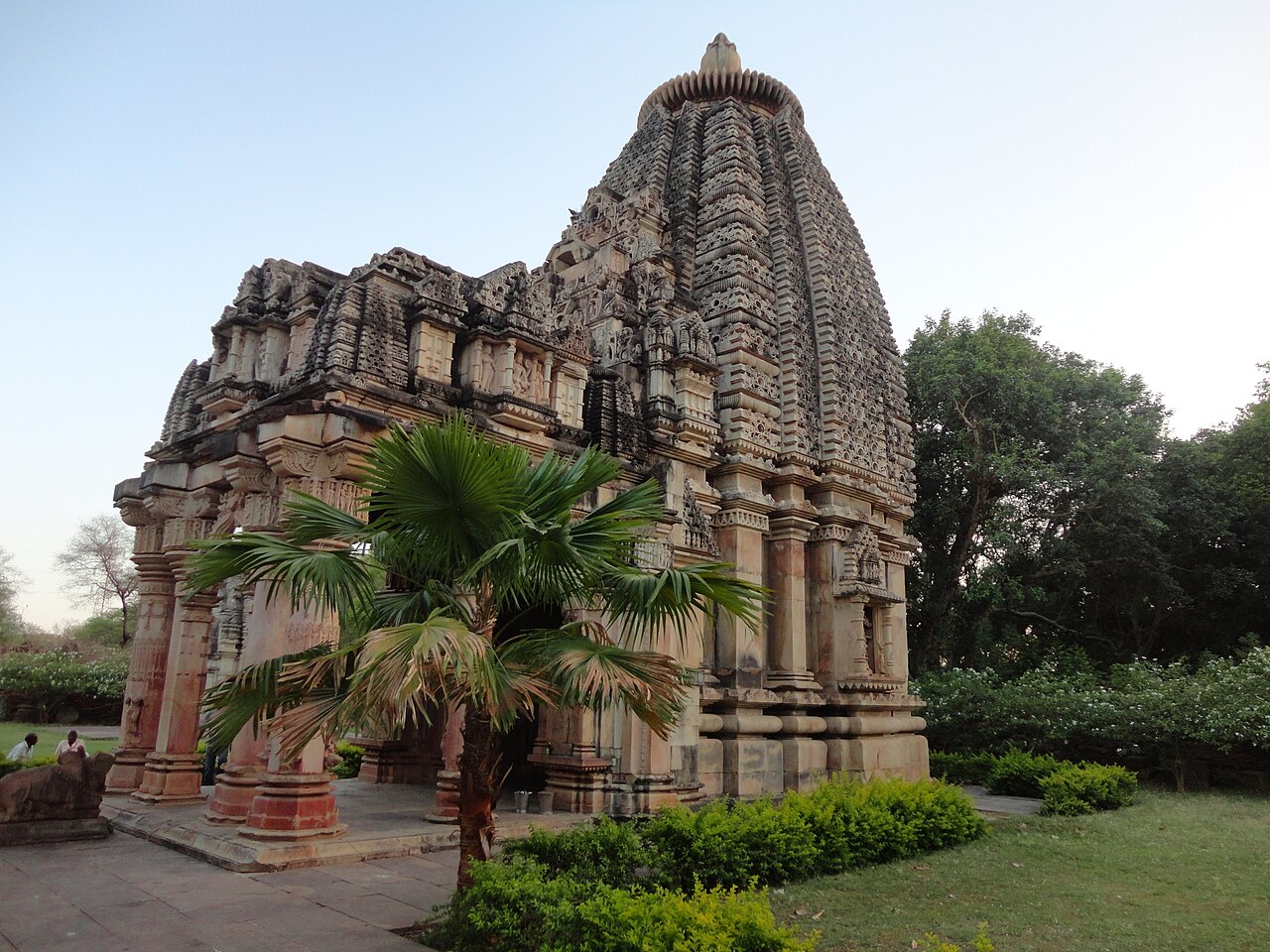
Ghateshwar Temple
About Ghateshwar Temple
The temple exemplifies Pratihara architectural style, a tradition that flourished in medieval India. This architectural approach shapes the temple's structural character and aesthetic qualities, though specific details of its design elements remain limited in available documentation. The Pratihara period represents an important chapter in Indian temple construction, and Ghateshwar Temple serves as a tangible example of this heritage within Rajasthan. Visitors interested in temple architecture will find the structure itself worthy of attention, particularly those studying regional building traditions.
Visiting the Temple
The temple is situated on State Highway 33 in Baroli, approximately 50 kilometers from Kota. Specific darshan timings are not documented in available sources, so visitors should contact the temple directly or check locally before planning their visit, as hours may vary seasonally and on festival days. The Archaeological Survey of India's management of the site means that visiting hours may align with standard ASI monument protocols, though confirmation is advisable.
Visitors should dress modestly when entering the temple, as is customary at Hindu shrines. Shoes are typically removed before entering the inner sanctum. Photography policies may be in place given the monument's protected status—it is respectful to inquire before photographing. The temple's governance by ASI suggests that certain areas may have restricted access or specific visitor guidelines.
The Chambal Region Context
Ghateshwar Temple's location within the Chambal valley places it among other significant religious sites in the area. The river itself holds spiritual importance in Hindu tradition, and the concentration of temples in this region reflects its historical and devotional significance. The landscape and river setting contribute to the temple's character as a pilgrimage destination, though the sources do not detail specific seasonal variations in water levels or their effect on access.
Nearby Temples
The immediate area contains several other temples worth visiting. Trimurti Temple, Sheshashayan Temple, Vamanavatar Temple, and Ashtamata Temple are all located within Rawatbhata tehsil, offering devotees the opportunity to visit multiple sacred sites in a single journey. This cluster arrangement reflects a pattern common to many pilgrimage regions in India, where temples are distributed across a defined area.
Planning Your Visit
Before traveling to Ghateshwar Temple, confirm current visiting hours and any access restrictions by contacting local authorities or the ASI office, as the monument's protected status may impose specific guidelines. The nearest significant city is Kota, roughly 50 kilometers away, which can serve as a base for travel arrangements. The temple's location on a state highway suggests reasonable road access, though visitors should verify current road conditions and transportation options locally.
Visitors should be prepared for the climate of Rajasthan's Chambal region and carry adequate water and sun protection. The temple's spiritual purpose as a Shiva shrine means that respectful behavior and adherence to temple customs are expected. Those unfamiliar with Hindu temple etiquette should observe other devotees and follow their lead regarding appropriate conduct within the sacred space.
How to reach
You may also visit
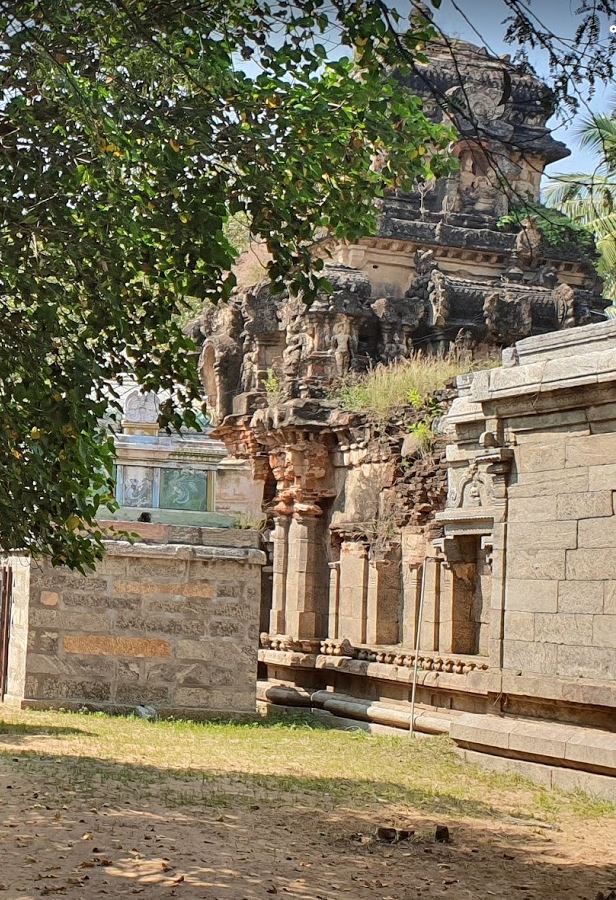
Agatheeswarar Temple, Karur
Agatheeswarar Temple in Thirumukkudalur, Karur district, is an ancient Hindu shrine dedicated to Shiva, situated at the sacred confluence of three rivers and believed to be over 1000 years old.
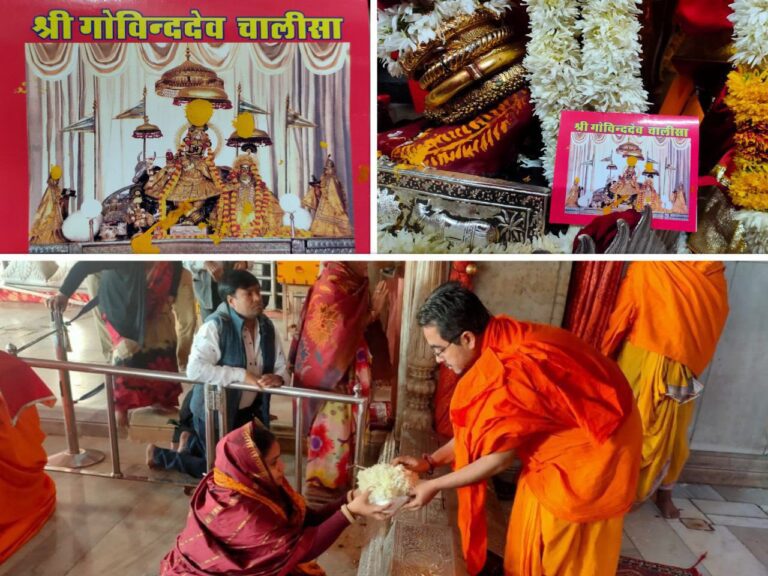
Kalyanji Temple
Kalyanji Temple in Jaipur's Chandpol Bazaar is an ancient Krishna shrine established in the 1820s, renowned for its seven daily aartis and special avatar darshan ceremonies during Akha Teej and Patottsav festivals.
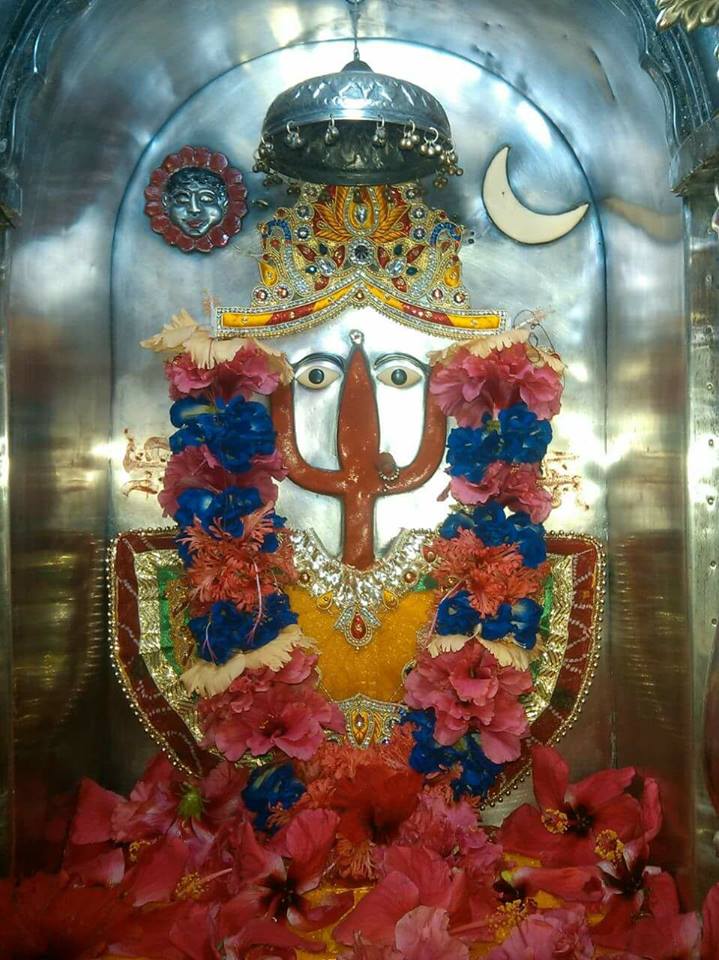
Rani Sati Mandir Mahuda
Rani Sati Mandir in Mahuda, Dhanbad District, is a Hindu temple established in 1992 that serves as a spiritual center for the local community and attracts devotees seeking blessings.