Bisaldeo temple
About Bisaldeo temple
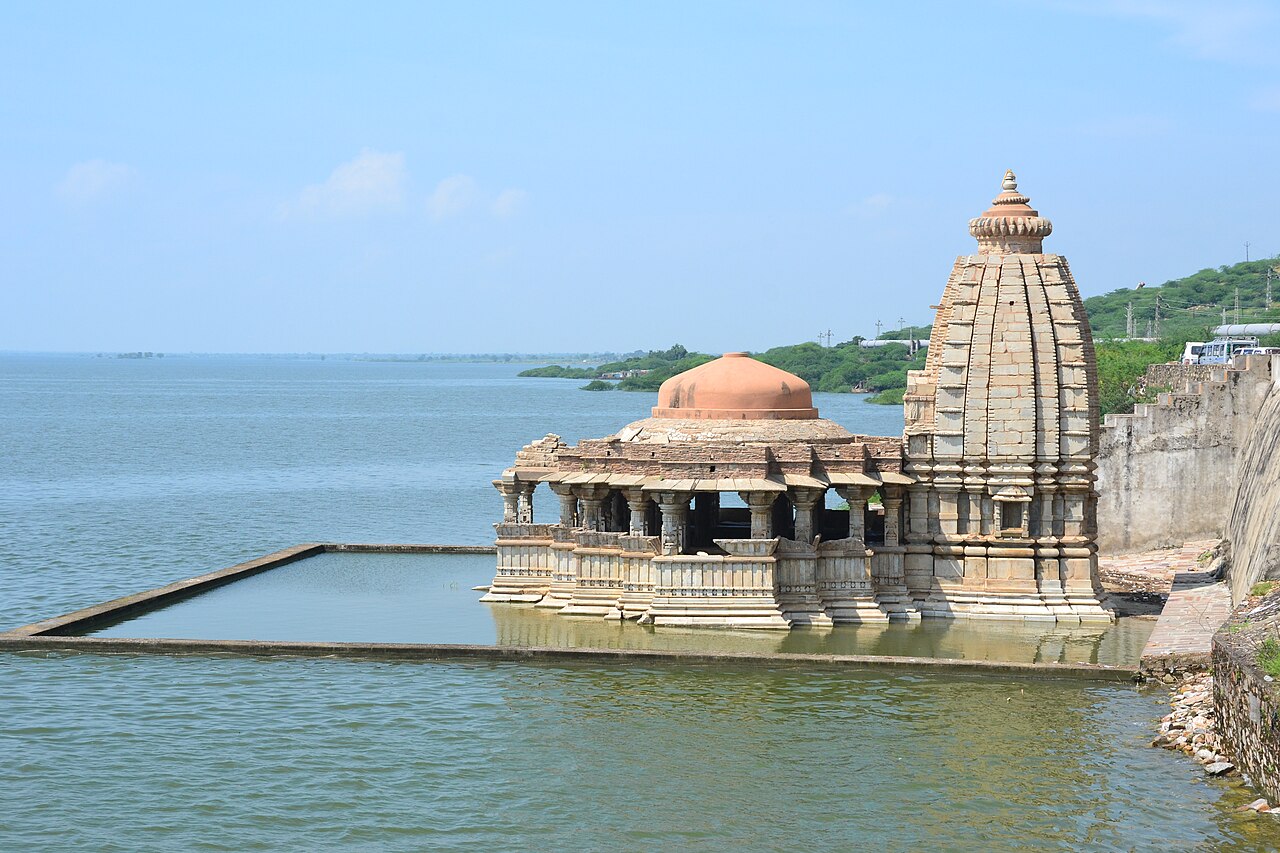
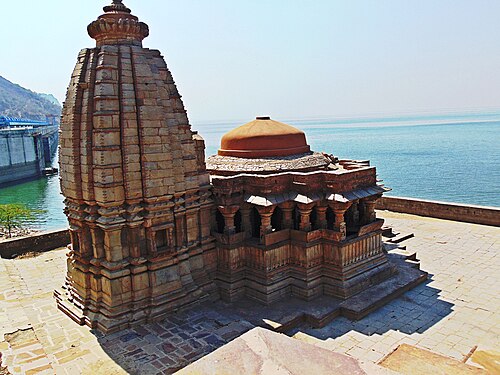
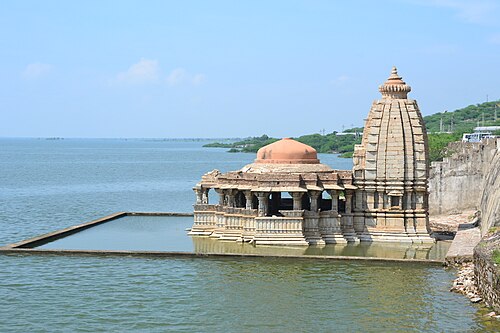
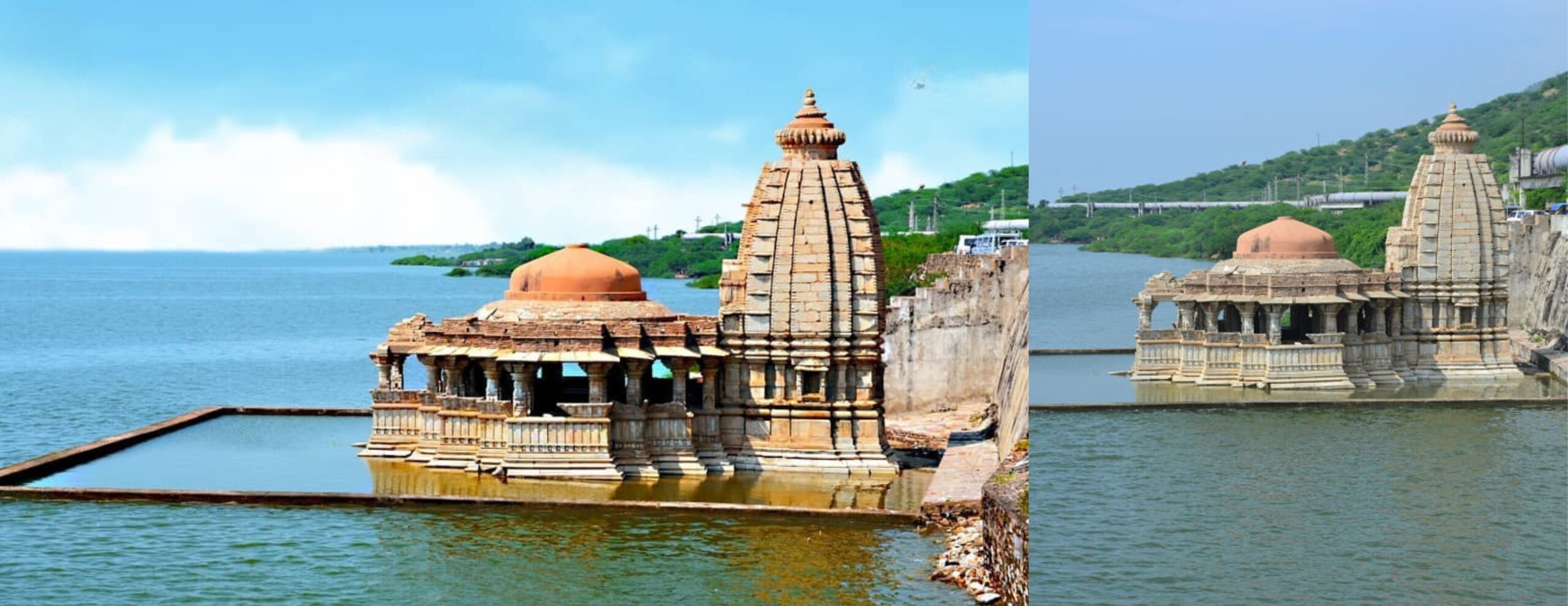
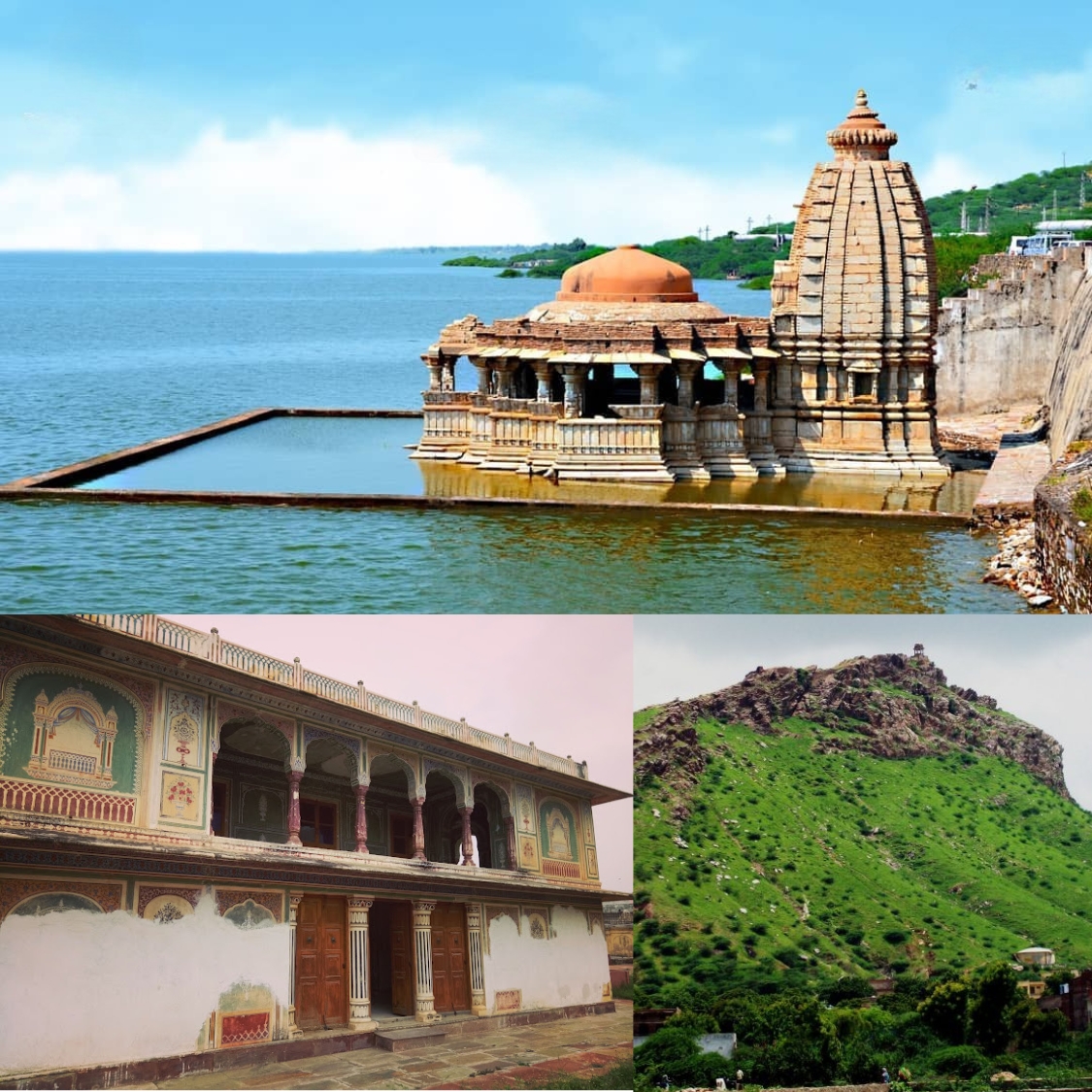
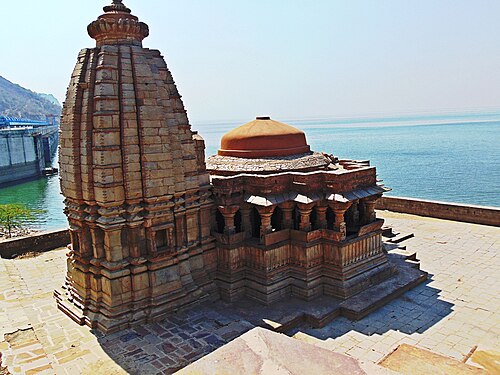
The temple's architectural features reflect the style of 12th-century Rajasthani temple construction. The structure sits beside the Bisalpur Dam, a geographical feature that has shaped the temple's setting and accessibility over centuries. The courtyard of the temple has at times been affected by water levels from the dam, as documented in photographs from 2016 showing a submerged courtyard. Visitors approaching the temple should be aware that water conditions may vary seasonally, potentially affecting access to certain areas of the complex. The temple's design and construction techniques are characteristic of the Chahamana period, offering insight into medieval Hindu architectural practices in the region.
Inscriptions and Records
The temple contains inscriptions that provide historical documentation of its origins and significance. These inscriptions serve as primary sources for understanding the temple's founding, the patronage of Vigraharaja IV, and the religious practices associated with the site. Scholars and those interested in medieval Rajasthani history may find these records of particular value. The inscriptional evidence anchors the temple firmly in the 12th century and connects it definitively to the Chahamana dynasty's cultural legacy.
Visiting the Temple
The temple is open daily to visitors. Those planning a visit should note the location beside the Bisalpur Dam and plan their journey accordingly. The site's proximity to water means that seasonal variations may affect conditions—monsoon periods or times of high water release from the dam could impact accessibility. Visitors should dress modestly as is customary at Hindu temples, covering shoulders and knees. The temple's status as a Monument of National Importance means it may have specific regulations regarding photography or entry; visitors are advised to inquire locally about any such restrictions. The coordinates 25.92705, 75.457125 can be used for navigation to the site.
Reaching Bisalpur
Bisalpur is located in Tonk district in central Rajasthan. The town is accessible by road from Tonk city and other nearby towns. Those traveling by public transport should inquire locally about bus services to Bisalpur, as schedules may vary. The temple's location beside the Bisalpur Dam makes it a recognizable landmark once in the area. Visitors should allow time for the journey from larger cities and consider local accommodation options in Tonk or nearby towns. The nearest major city is Jaipur, from which Tonk district is accessible by road.
How to reach
You may also visit
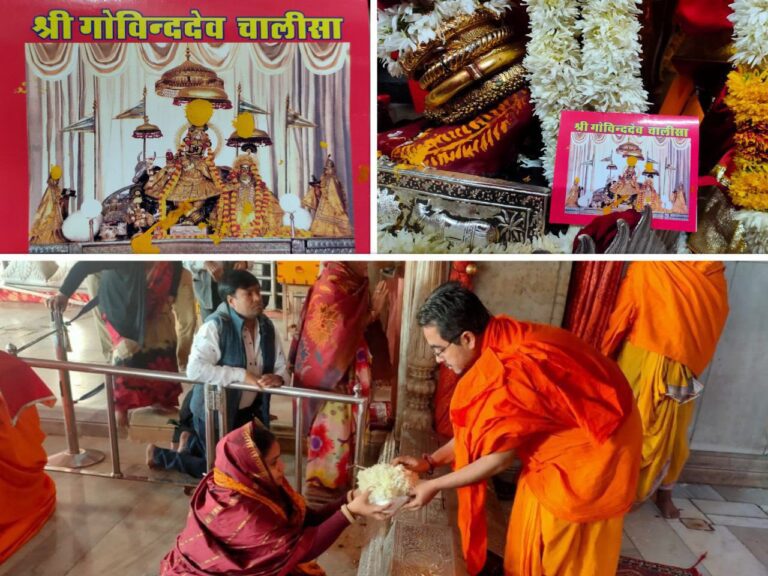
Kalyanji Temple
Kalyanji Temple in Jaipur's Chandpol Bazaar is approximately two centuries old and renowned for displaying the twenty-four avatars of Krishna, visible only twice yearly during Akha Teej and Patottsav festival.
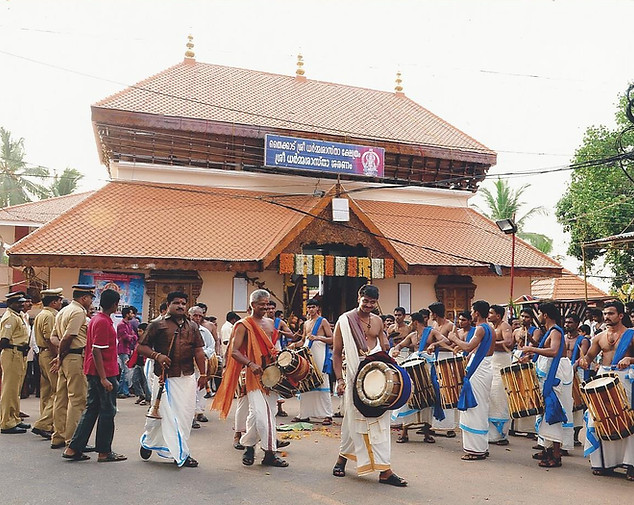
Sastha (Ayyappan) Temple
Sree Dharma Sastha Temple in Thycaud, Thiruvananthapuram, is a centuries-old shrine where the deity manifests as Dhanwanthari, the divine healer, holding the sacred blue lotus.
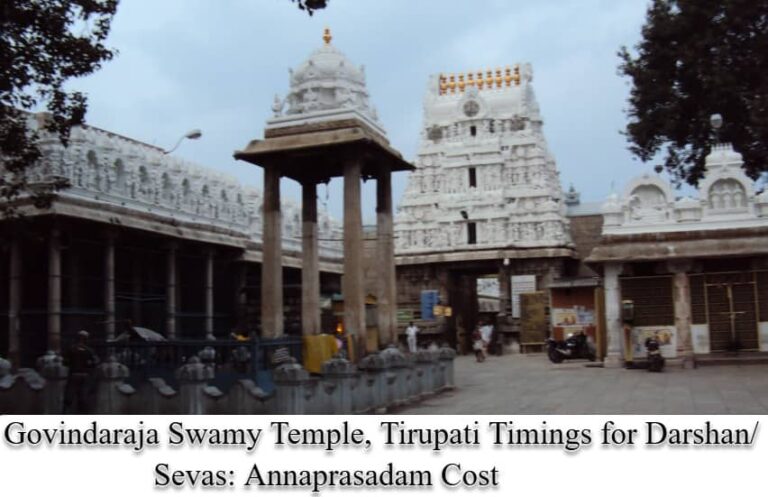
Govindarajaswamy Temple
Sri Govindarajaswamy Temple in Tirupati is an ancient Vaishnavaite shrine consecrated in 1130 AD by Saint Ramanuja, where the presiding deity rests in eternal Yoga Nidra on the serpent Adisesha.