Keshav Rai Temple
About Keshav Rai Temple
The temple's construction history spans nearly four centuries. Work began in Samvat 1307 (approximately 1250 AD) under Raja Ranti Deo but proceeded in stages across four generations, interrupted by domestic upheavals and political circumstances within the royal household. The project reached completion only in Samvat 1698 (1641 AD) under Maha Rao Raja Shatrusalji of Bundi, who brought the long-delayed work to its conclusion. This extended timeline reflects the temple's importance to successive rulers of the region and the substantial resources required for its construction.
The temple was built using stone and lime, materials that have endured the centuries and allowed the intricate sculptural work to survive. The extended construction period means the temple represents architectural sensibilities spanning multiple eras, though unified by the vision of its completion under Shatrusalji.
Architecture and Sculptural Detail
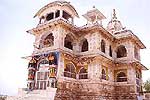
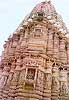
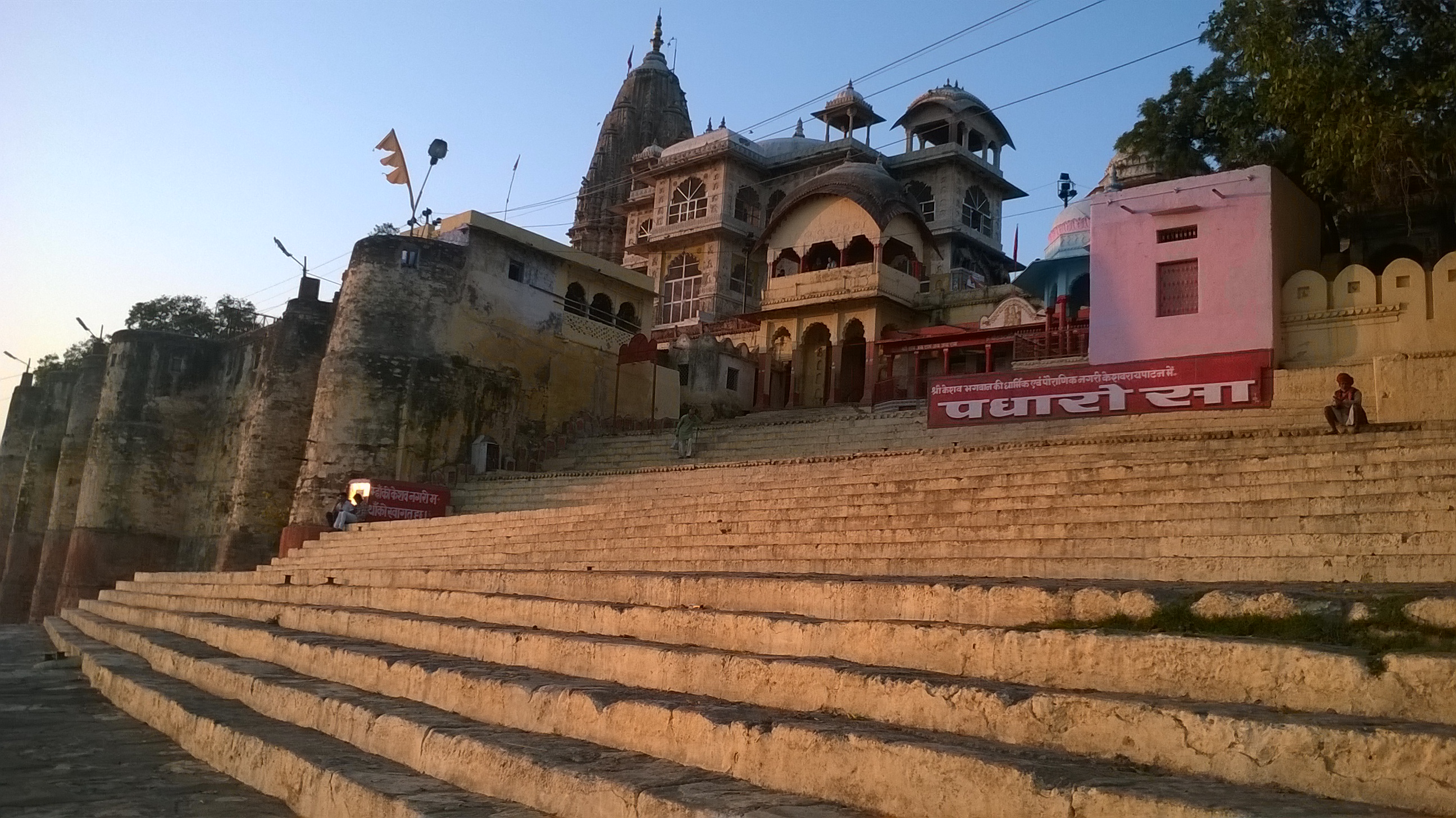
The temple stands on a substantial raised platform and displays the hallmarks of medieval Hindu temple design. Its most striking feature is the pyramid-shaped tower (shikhar) rising above the inner sanctum, constructed in a style influenced by South Indian temple architecture. This tower comprises four distinct storeys, each marked by shrine-like projections on its face, and culminates in a decorative finial (Kalash) at its apex. The shikhar itself is densely carved with images of deities, celestial beings, and mythological figures.
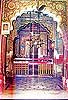
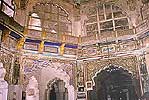
The entrance gateway follows the typical medieval temple style, with elaborate carved walls depicting various gods and goddesses. The outer structure rises two storeys and is topped with canopies in Rajasthani architectural tradition. The interior assembly hall (Jagmohan) features a rounded tower and contains intricate circular and interlacing geometric patterns within which divine figures are depicted. Throughout the temple, wherever space permits, sculptors have carved images of animals—elephants and horses—alongside gods and goddesses. The overall effect is one of dense, immaculate sculptural work that demonstrates the craftsmanship invested in the temple's completion.
Worship Traditions and Daily Practice
The temple initially followed the Ramanuj Sampradaya (religious sect), but over time transitioned to the Pushtimargiya tradition, which remains the practice today. Worship duties pass through hereditary priesthood, with the position of temple priest held within a single family lineage. The specific timings for daily darshan (viewing of the deity) are not currently documented in available sources; visitors should contact the temple directly or check locally upon arrival to confirm current opening hours.
Kartik Mela and Festival Observance
The temple gains particular prominence during Kartik Purnima, the full moon in the Hindu month of Kartik (typically October or November), when an annual fair (Kartik Mela) draws devotees to the site. This festival represents the temple's most significant annual gathering and offers visitors the opportunity to experience the shrine during its most vibrant period. The convergence of pilgrims, the ritual observances, and the fair's activities make this an important time in the temple's calendar.
Visiting Information and Access
The temple is located in Keshoraipatan, Bundi District, Rajasthan, approximately 225 kilometers from Jaipur. The nearest railway station is at Keshoraipatan itself, about 10 kilometers away, while Kota Airport (40 kilometers distant) serves as the nearest air terminal. The most pleasant season for visiting is October through March, when weather conditions are favorable for travel and outdoor activities.
Visitors should plan to bathe in the Chambal River before entering the temple, as this practice holds religious significance in the local tradition. Standard temple etiquette applies: remove footwear before entering, dress modestly, and maintain respectful behavior within the shrine. The temple remains generally open daily, though festival days may have altered schedules—confirmation of current timings is advisable before travel.
How to reach
Temples near Keshav Rai Temple
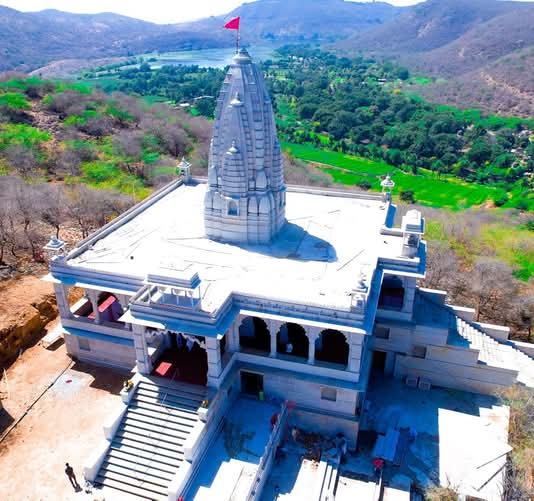
Chauth Mata Temple, Bundi
Chauth Mata Temple is a hilltop Hindu shrine located approximately 5 kilometers from Bundi in Rajasthan, dedicated to Chauth Mata, a manifestation of Goddess Parvati and the roy…
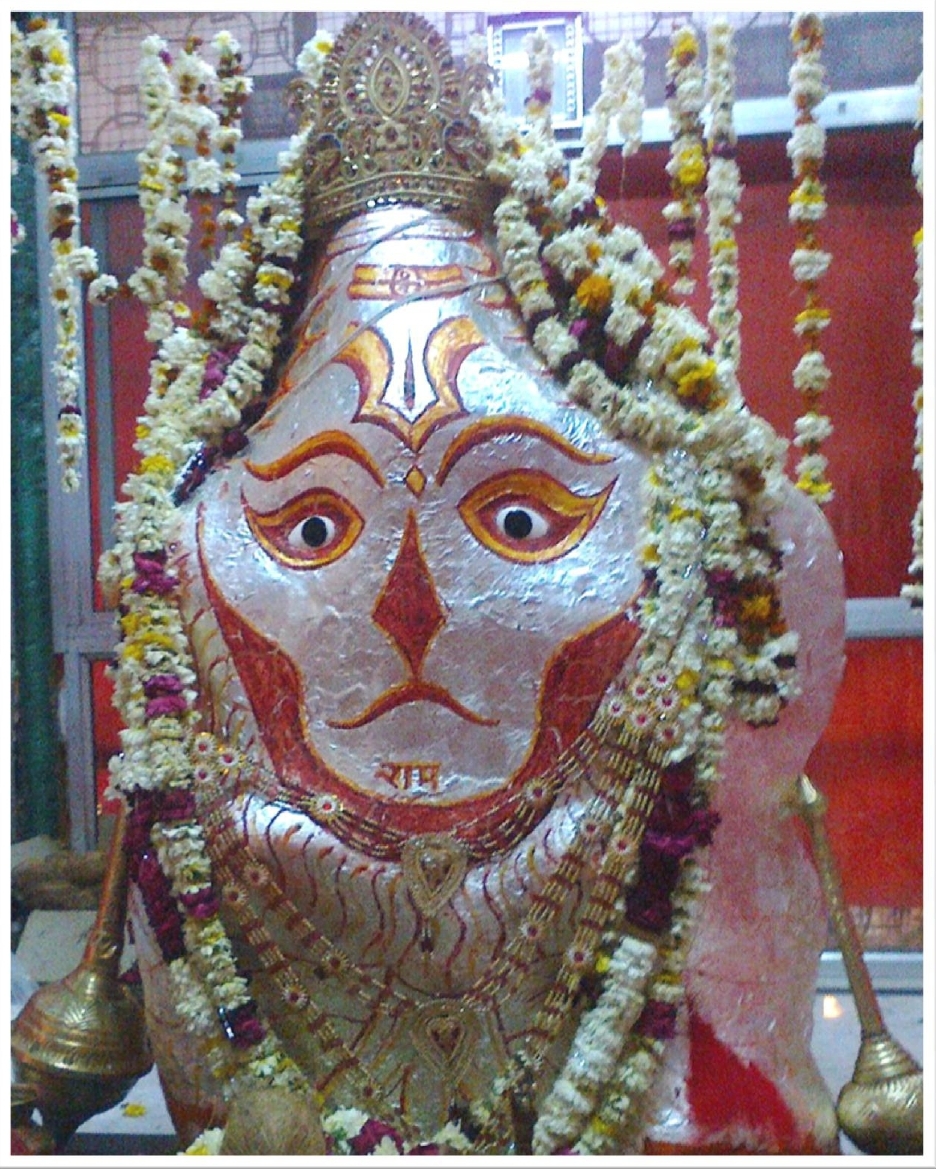
Malan Masi Balaji Temple
Malan Masi Balaji Temple is an ancient Hindu shrine in Bundi, Rajasthan, dedicated to Hanuman and revered for its spiritual significance, particularly on Tuesdays and Saturdays…
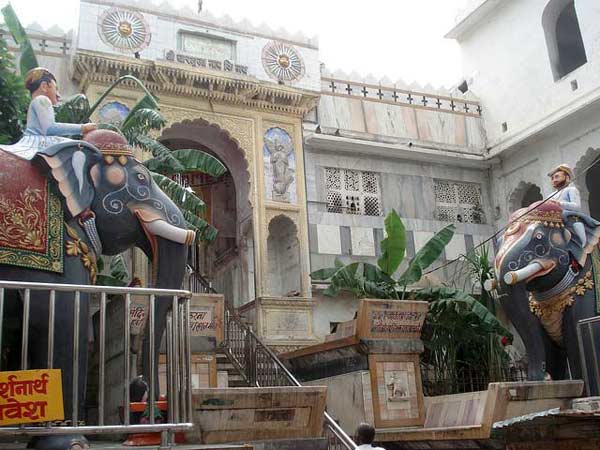
Charbhuja Nath Temple
Charbhuja Nath Temple in Rajsamand District, Rajasthan, is an ancient shrine dedicated to Charbhujanath, the four-armed form of Vishnu. The temple has been a significant pilgrim…
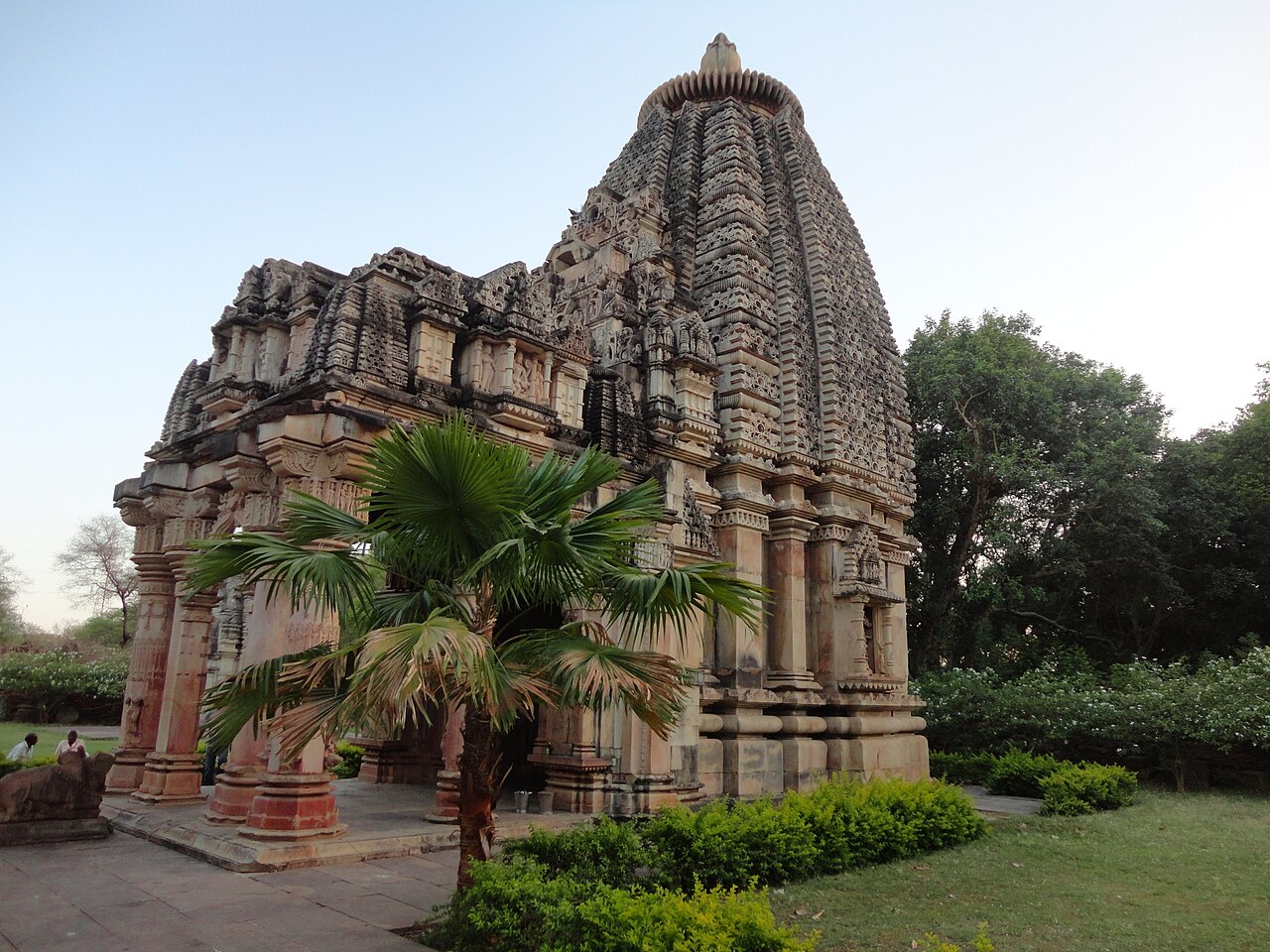
Ghateshwar Temple
Ghateshwar Temple is a Shiva shrine in Baroli, Rajasthan, built in the Pratihara architectural style and recognized as a Monument of National Importance under Archaeological Sur…
Bijasan Mata Temple, Indragarh
Bijasan Mata Temple is an ancient hilltop shrine dedicated to Goddess Durga, perched atop the Aravalli Range in Indragarh, Bundi district, Rajasthan. Accessible after climbing a…
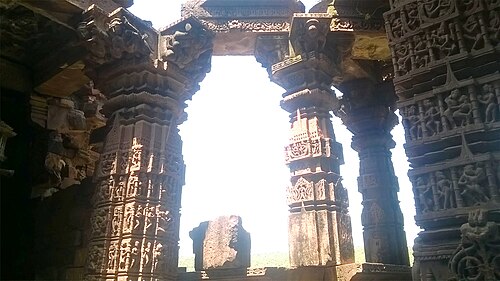
Bhand Deva Temple
Bhand Deva Temple, known as Rajasthan's Little Khajuraho, is a 10th-century Shiva temple built in Khajuraho architectural style, located on the banks of a crater lake within the…