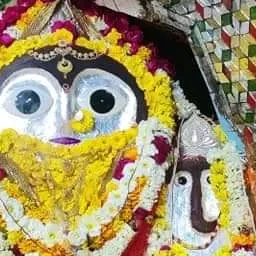
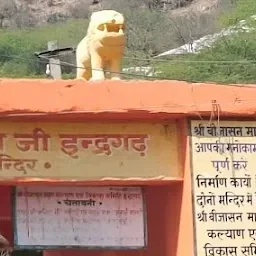
Bijasan Mata Temple, Indragarh
About Bijasan Mata Temple, Indragarh
The temple observes two major Navratri festivals annually: Chaitra Navratri in March-April and Shardiya Navratri in September-October. These nine-day celebrations honouring Durga draw significantly larger numbers of devotees than ordinary days. During Navratri, the temple experiences crowded conditions, and visitors planning to attend should expect congestion and may benefit from arriving early in the day to complete their visit before peak hours.
Beyond the festival calendar, the monsoon season offers an alternative reason to visit. The surrounding landscape becomes notably verdant during these months, creating a visually striking setting for pilgrimage. Visitors seeking a quieter experience may prefer to visit outside Navratri periods, though the temple remains open and accessible throughout the year.
Visiting Practicalities
The temple opens daily at 06:00 and closes at 18:30. Early morning visits are recommended to avoid crowds and to complete the climb in cooler conditions. Visitors should plan their timing to allow sufficient hours for the ascent, darshan at the sanctum, and descent.
Modest dress is expected at Hindu temples. Visitors should wear clothing that covers the shoulders and knees. This is standard practice across temples of this tradition and reflects respect for the sacred space. Footwear is typically removed before entering the inner sanctum, though practices may vary—visitors should observe what others do upon arrival.
The nearest railway station is Indragarh Su, approximately 1.46 kilometres away. Transportation to the temple base may require private arrangement, as public facilities are limited. Visitors should confirm access routes and parking possibilities before travelling, particularly if arriving by vehicle.
Ancient Foundations
Bijasan Mata Temple has stood for approximately two thousand years, placing it among the region's oldest continuously venerated sites. While detailed architectural or historical records are not extensively documented in available sources, the temple's longevity testifies to its significance within local and regional Hindu practice. The site has endured as a centre of worship across centuries, drawing successive generations of pilgrims to its steep approach and hilltop sanctum.
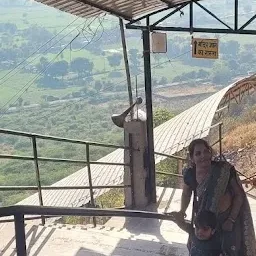
How to reach

You may also visit
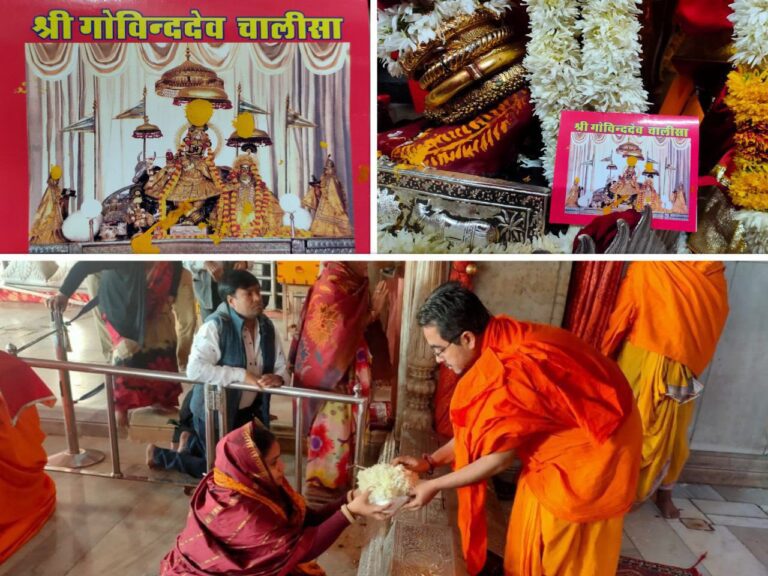
Kalyanji Temple
Kalyanji Temple in Jaipur's Chandpol Bazaar is approximately two centuries old and renowned for displaying the twenty-four avatars of Krishna, visible only twice yearly during Akha Teej and Patottsav festival.
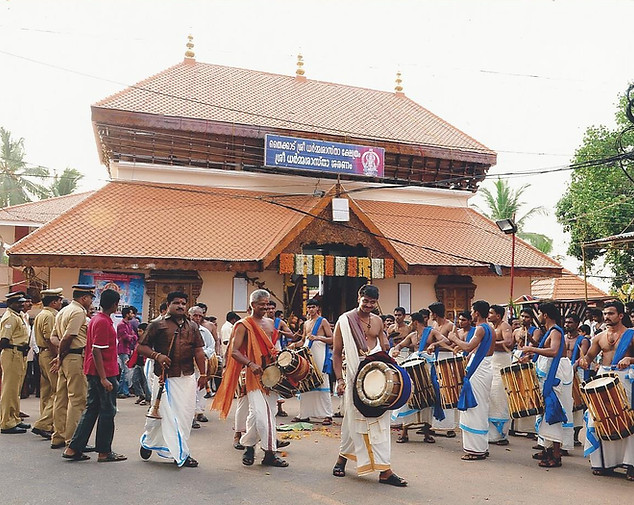
Sastha (Ayyappan) Temple
Sree Dharma Sastha Temple in Thycaud, Thiruvananthapuram, is a centuries-old shrine where the deity manifests as Dhanwanthari, the divine healer, holding the sacred blue lotus.
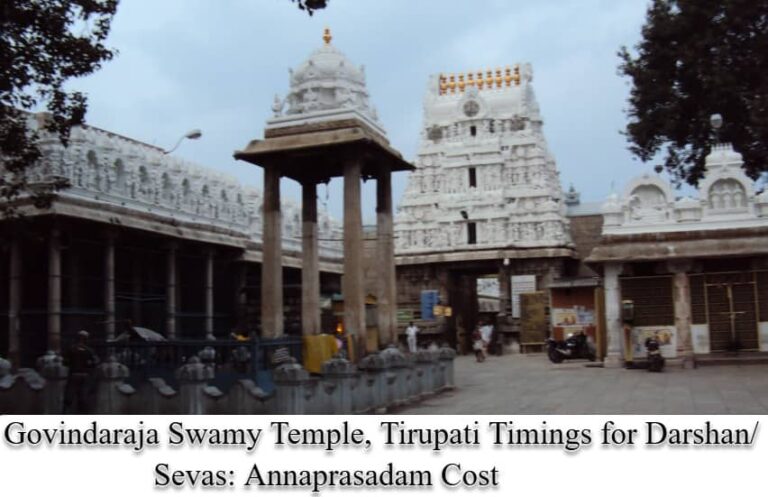
Govindarajaswamy Temple
Sri Govindarajaswamy Temple in Tirupati is an ancient Vaishnavaite shrine consecrated in 1130 AD by Saint Ramanuja, where the presiding deity rests in eternal Yoga Nidra on the serpent Adisesha.