Narbadeshwar Temple, Sujanpur Tira
About Narbadeshwar Temple, Sujanpur Tira
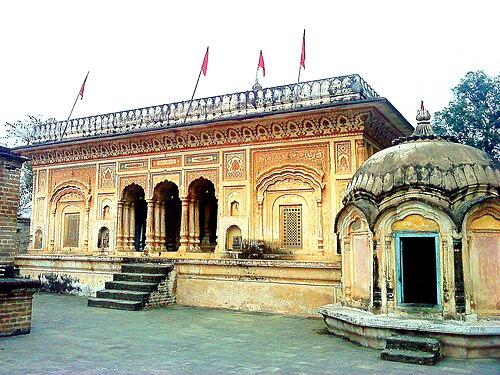
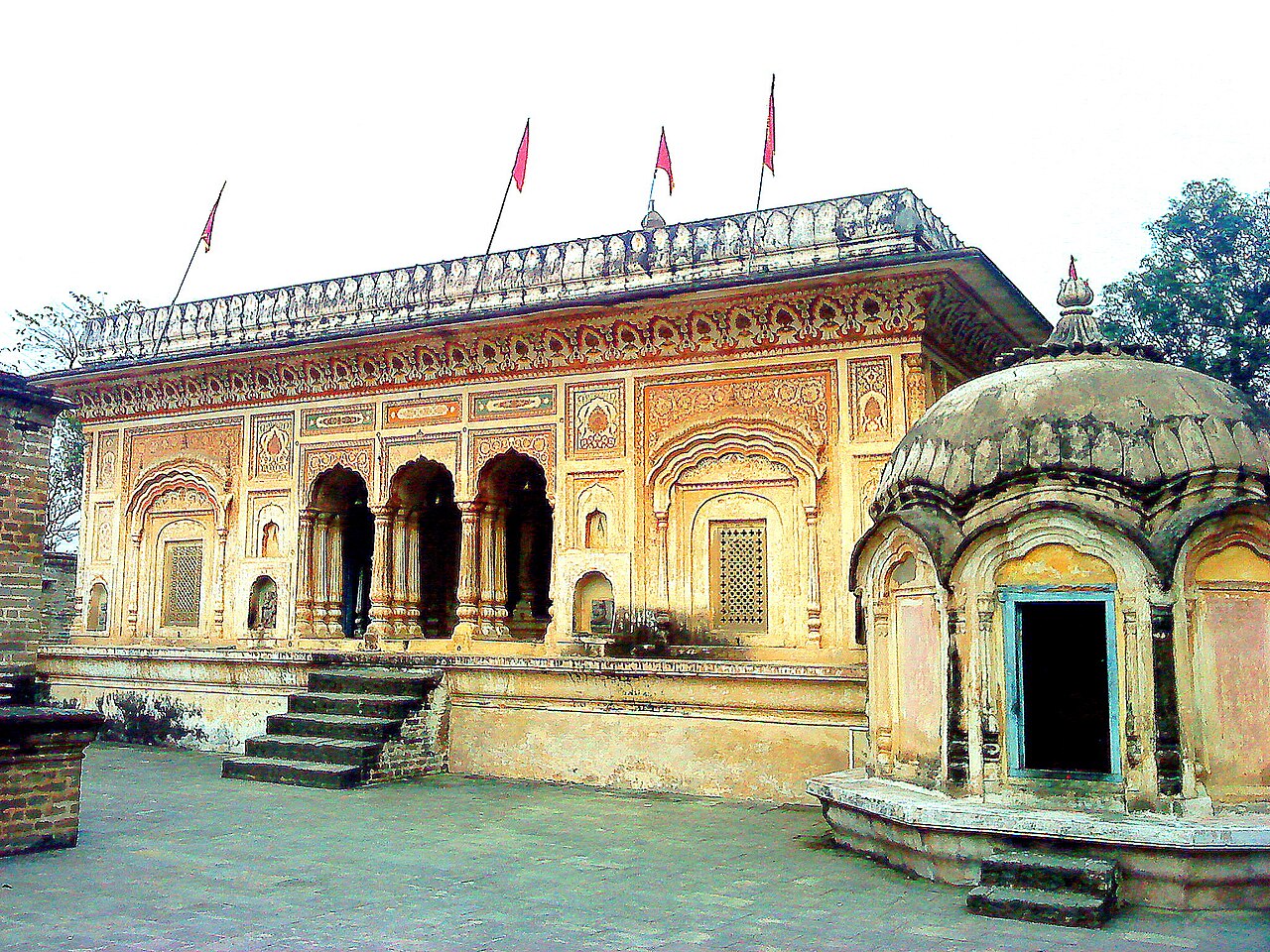
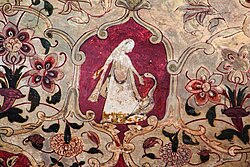
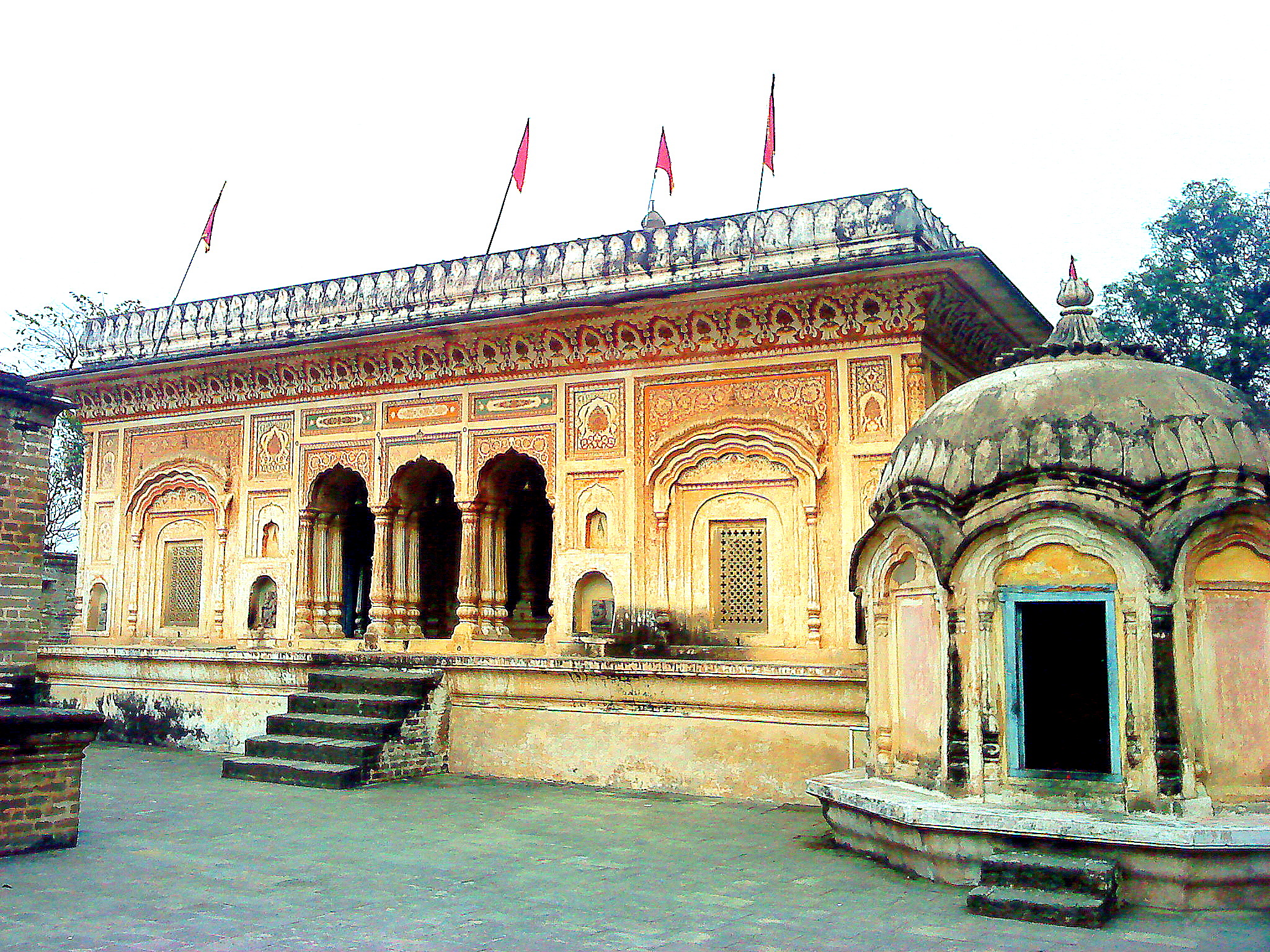
The temple follows a Panchayatan layout, a classical Hindu architectural plan, and blends Rajput and Mughal design traditions—a fusion characteristic of the region's cultural history. Its most distinctive feature is the presence of Pahari frescoes, wall paintings executed in the style of the Pahari school by royal artists. These murals depict scenes from the Ramayana, Mahabharata, and Krishna legends, transforming the temple walls into a visual narrative of Hindu sacred stories. The painted surfaces, known as Bhitti-style murals, represent both artistic achievement and spiritual instruction, allowing devotees to encounter these narratives through visual form as they move through the temple space.
Daily Worship and Darshan
The temple opens daily from 6:00 AM to 7:00 PM, allowing devotees extended hours for darshan—the act of viewing and receiving the presence of the deity. A morning aarti, the ritual of worship performed with lamps and bells, is offered to Lord Shiva, though the exact time is not specified locally. Shiva temples typically structure their worship around the lingam, the symbolic form of Shiva, beginning with early morning ablutions and prayers. The evening aarti provides a particularly significant moment for worship, when the ritual atmosphere intensifies and many devotees gather. Visitors are welcome to sit quietly within the temple grounds during these periods, though respectful silence and mindfulness toward ongoing rituals and other worshippers is essential.
Mahashivratri and the Festival Calendar
Mahashivratri, the great night dedicated to Shiva, draws devotees to the temple for special pujas and observances. This festival, celebrated across the Hindu calendar, holds particular significance at Shiva temples, where extended worship and meditation mark the occasion. The cooler months of the year also represent an ideal time to visit, both for comfortable travel through the Himalayan foothills and for the contemplative atmosphere such seasons bring to pilgrimage.
Visiting the Temple: Etiquette and Practicalities
Visitors should dress modestly, covering shoulders and knees, and wear comfortable footwear suitable for uneven paths. The temple grounds feature old mural walls and varied terrain, so sturdy shoes are advisable. Remove footwear before entering the sanctum, as is customary at Hindu temples. Maintain respectful silence during worship periods, speak softly, and move slowly through the space. Photography policies should be confirmed locally; many temples restrict or prohibit photography within the inner shrine or of the deity itself.
Devotees typically bring offerings such as flowers, incense, or sweets to present at the altar; these are often available for purchase near temple entrances. If you wish to perform a specific ritual or puja, inquire with temple priests about availability and any associated fees. The Himalayan foothills can be cool, particularly in winter, so bring appropriate clothing layers. Those with mobility concerns should inquire locally about accessibility within the complex.
Reaching Sujanpur Tira
The temple is reachable from Hamirpur via Sujanpur, with narrow lanes leading to the shrine itself. The address is SH 39, Tira Sujanpur, Hamirpur district, Himachal Pradesh 176110. Before visiting, confirm current opening hours with local sources, as these may vary seasonally or during special observances. Temple staff or local residents in Sujanpur Tira can provide guidance on the best times to visit and any specific customs observed at this particular shrine. The broader Sujanpur Tira area offers opportunities to experience the local landscape and community life alongside temple worship.
How to reach
Temples near Narbadeshwar Temple, Sujanpur Tira
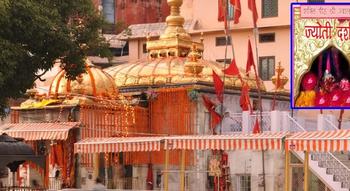
Jwalamukhi temple, Himachal Pradesh
Jwalamukhi temple is a revered Shakti Peetha shrine in Himachal Pradesh dedicated to Goddess Jwala Devi, renowned for its naturally occurring eternal flames that emerge from roc…
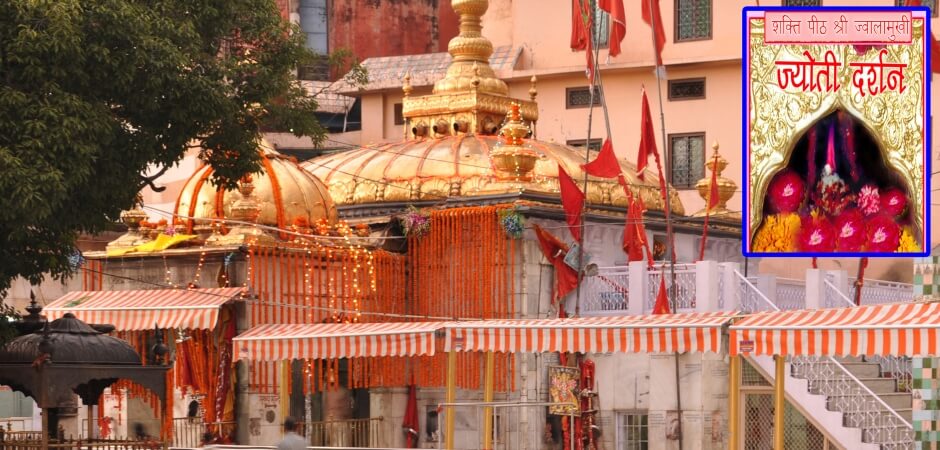
Jwala Ji Kangra
Jwala Ji (Jwalamukhi) Temple in Kangra is a sacred Shakti Peetha where nine eternal natural flames burn from the rock without fuel, worshipped as the manifestation of Goddess Jw…
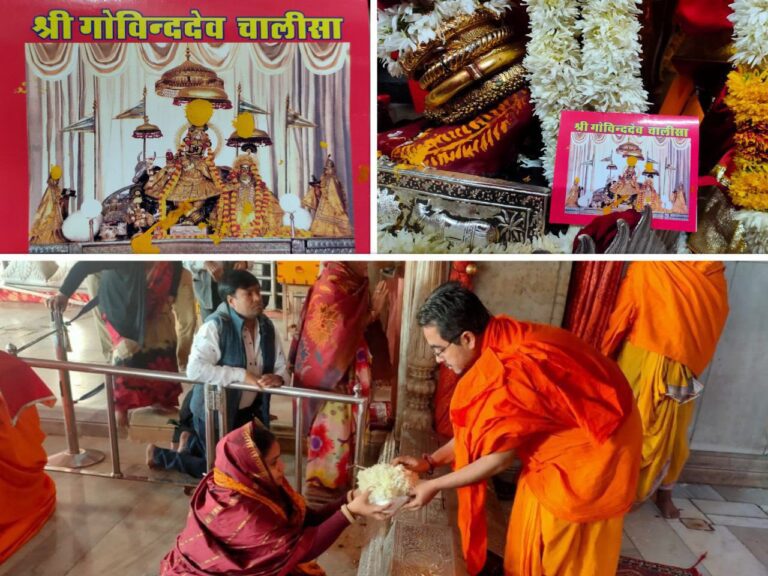
Maa Simsa temple
Maa Simsa is a 400-year-old hilltop shrine in Himachal Pradesh dedicated to Sharada Devi, revered as Santan Datri (the Mother who grants children) through the sacred Sallindara…
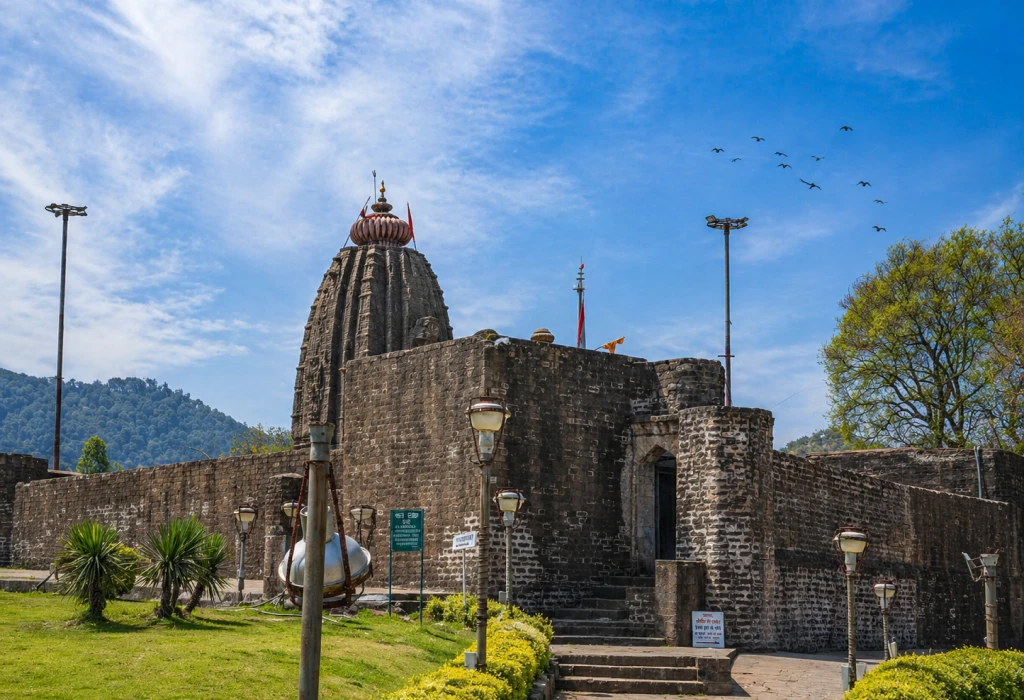
Sidhnath Temple, Baijnath
Baijnath Temple is a 13th-century Nagara-style Shiva temple in Kangra valley, Himachal Pradesh, dedicated to Lord Shiva as Vaidyanath, the divine healer.
Baijnath Temple, Himachal Pradesh
Baijnath Temple is a 13th-century Nagara-style shrine in Kangra valley dedicated to Lord Shiva, revered as Vaidyanath the healer.

Bagalamukhi Temple, Bankhandi, HP
The Bagalamukhi Temple in Bankhandi, Kangra district, Himachal Pradesh is dedicated to the goddess Bagalamukhi, one of the ten Tantric Mahavidya deities associated with the colo…