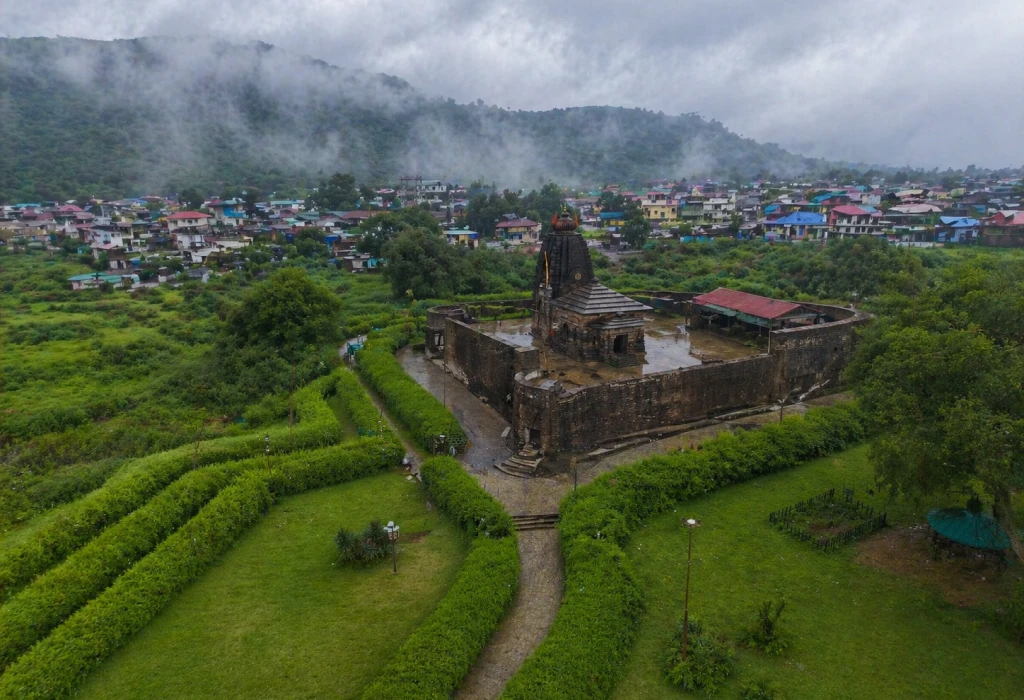
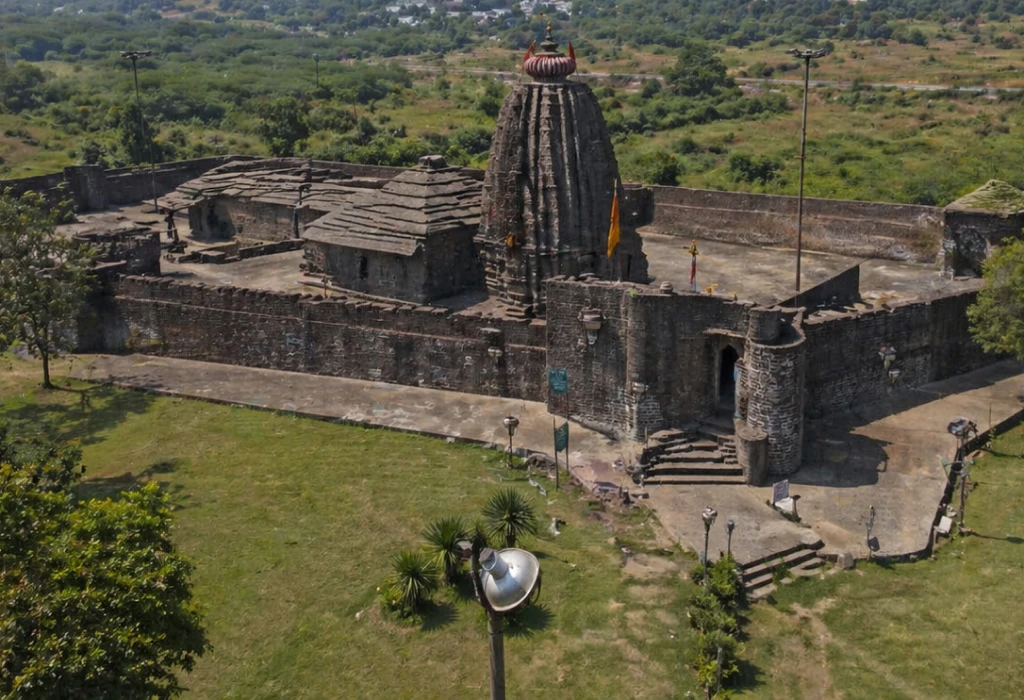
Baijnath Temple, Himachal Pradesh
About Baijnath Temple, Himachal Pradesh
The temple was established in the 13th century, a period of significant temple construction across northern India. It follows the Nagara architectural style, a classical approach to Hindu temple design that emphasizes vertical lines and a distinctive tower structure. This architectural tradition, common to temples of the medieval period in the Himalayan foothills, gives the building its characteristic form and visual presence. The temple's age and architectural heritage make it a notable example of religious construction from this era in the region.
Daily Worship and Darshan
The temple maintains regular hours for devotees to visit and offer prayers. Darshan—the viewing and worship of the deity—is available from 6:00 AM to 12:00 PM in the morning and from 4:00 PM to 9:00 PM in the evening. Three aartis (ritual worship ceremonies) are performed daily: at 4:00 AM in the morning, at 12:00 PM at noon, and at 4:00 PM in the evening. These aartis mark the principal moments of formal worship, when priests perform ritual offerings before the deity. Visitors who wish to participate in these ceremonies should plan their visit accordingly, as they represent the temple's most significant daily observances.
Planning Your Visit
The best time to visit Baijnath Temple is between October and March, when the weather in Himachal Pradesh is mild and travel is most comfortable. The region experiences significant temperature variation between seasons, making these months ideal for pilgrimage and sightseeing.
The temple is located in Baijnath village in Kangra District. By road, it lies approximately 1–2 kilometres from Kangra Bus Stand, making it accessible by local transport. For those arriving by air, Kangra Airport at Gaggal is about 9 kilometres away. By rail, Pathankot Junction is the nearest major station, approximately 90 kilometres distant, with Amb-Andaura railway station about 110 kilometres away. Visitors should plan their journey according to their point of origin and preferred mode of transport.
Visiting Etiquette and Practical Information
As a functioning Hindu temple, Baijnath observes traditional practices regarding dress and behaviour. Visitors are expected to dress modestly and respectfully. Shoes are typically removed before entering the inner sanctum, though practices may vary in different areas of the temple complex. It is customary to move clockwise around the deity during darshan and to accept prasad (blessed food offerings) with respect.
The temple's location in a village setting means that facilities may be more limited than in larger urban temples. Visitors should carry water and any necessary provisions, and should check locally for information about accommodation and dining options in the surrounding area. The Kangra District administration maintains tourism information that may provide additional details about nearby amenities and services.
The Sacred Landscape
Baijnath Temple exists within the broader religious geography of the Kangra valley, a region with multiple sites of pilgrimage and worship. The valley's temples and sacred locations have drawn devotees for centuries, creating a landscape shaped by Hindu religious practice and belief. A visit to Baijnath can be combined with exploration of other significant sites in the district, allowing visitors to experience the region's spiritual heritage more fully.
How to reach
Temples near Baijnath Temple, Himachal Pradesh
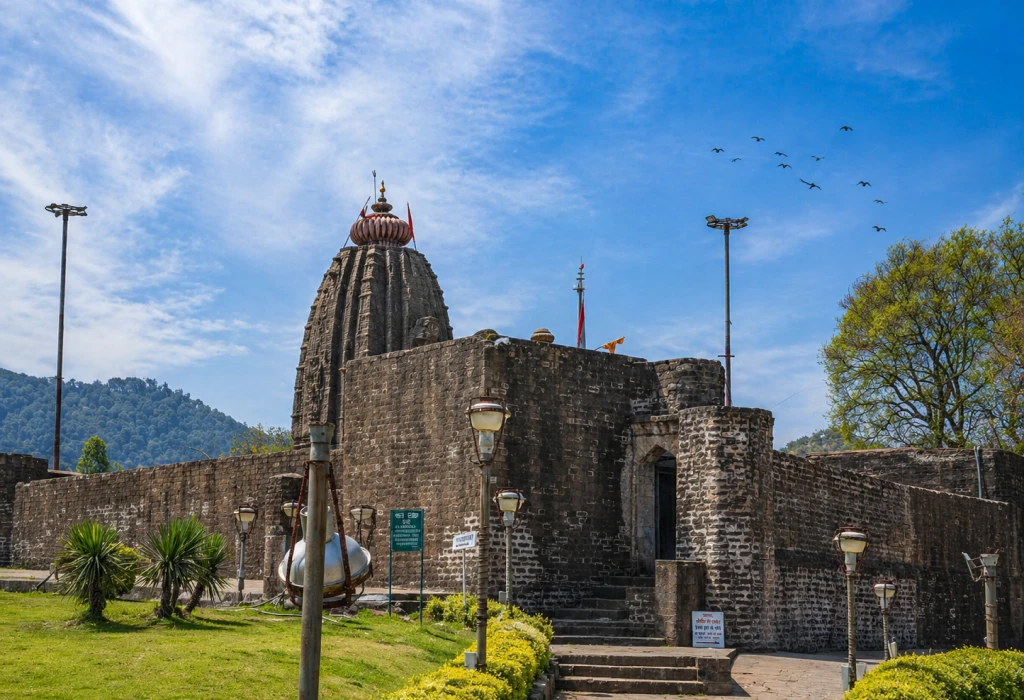
Sidhnath Temple, Baijnath
Baijnath Temple is a 13th-century Nagara-style Shiva temple in Kangra valley, Himachal Pradesh, dedicated to Lord Shiva as Vaidyanath, the divine healer.
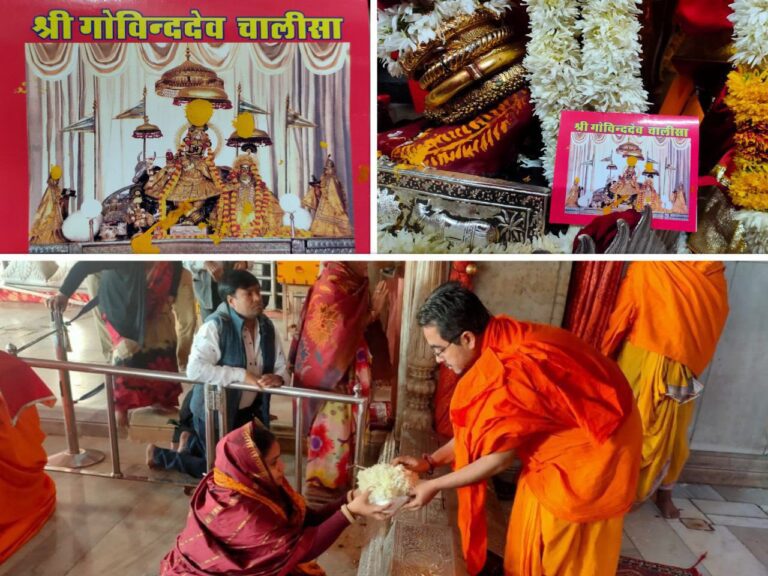
Maa Simsa temple
Maa Simsa is a 400-year-old hilltop shrine in Himachal Pradesh dedicated to Sharada Devi, revered as Santan Datri (the Mother who grants children) through the sacred Sallindara…
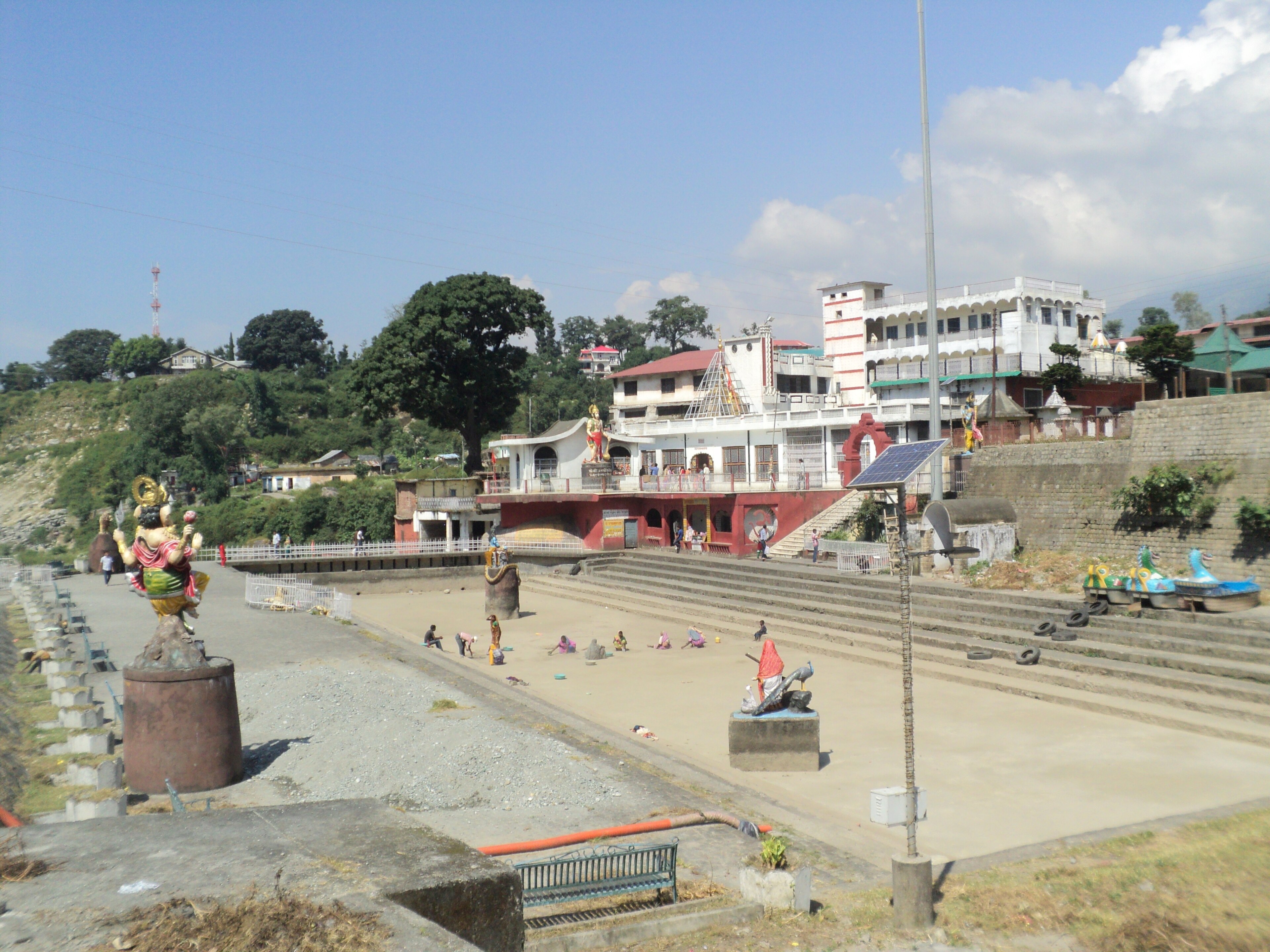
Shri Chamunda Devi Mandir
Shri Chamunda Devi Temple, located 19 km from Palampur in Kangra district, Himachal Pradesh, is a prominent Hindu shrine dedicated to Chamunda Devi, a fierce manifestation of Go…
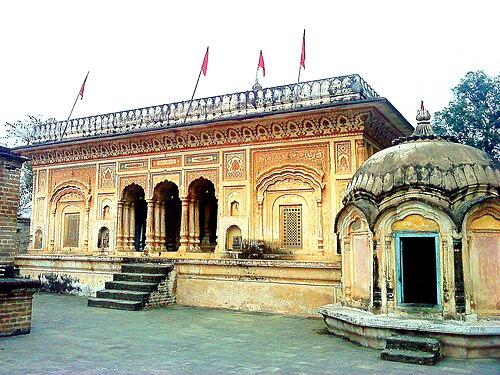
Narbadeshwar Temple, Sujanpur Tira
A historic Shiva temple built in 1802 by Maharani Prasanna Devi, renowned for its exquisite Pahari frescoes depicting Hindu epics and commanding views of the Beas River.
Baijnath Temple
Baijnath Temple is a 12th-century Nagara-style shrine in Himachal Pradesh dedicated to Shiva as Vaidyanath, the lord of physicians. Built in 1204 by merchants Ahuka and Manyuka,…

Bajreshwari Mata Temple, Kangra
Bajreshwari Mata Temple in Kangra is dedicated to Durga in her fierce form as Vajreshwari, the goddess of the thunderbolt. It is one of the 51 sacred Shakta pithas where the lef…