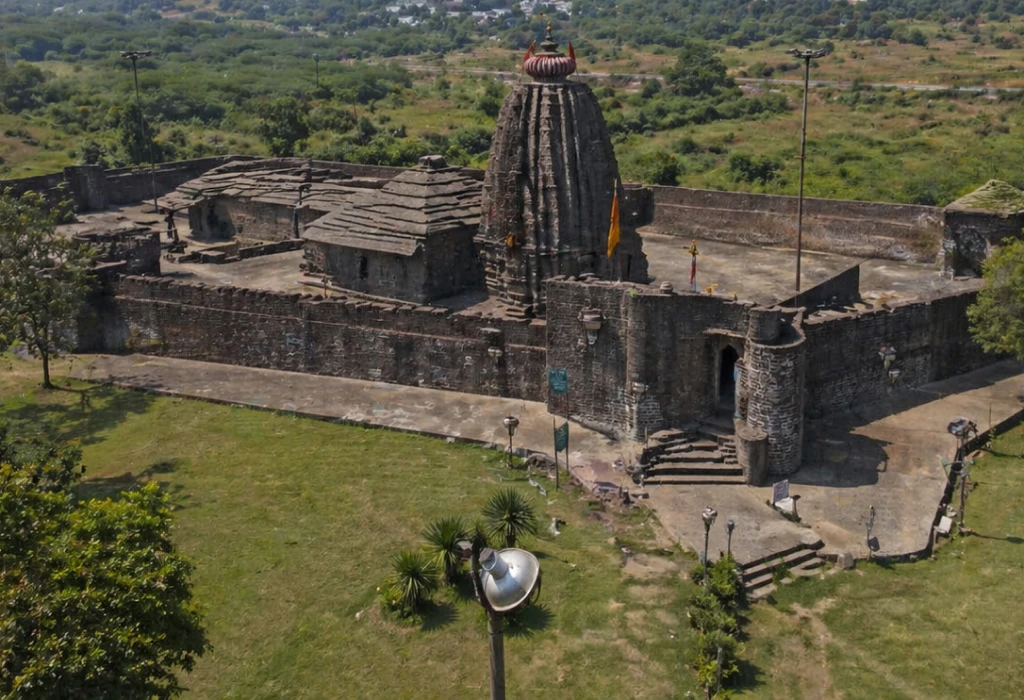
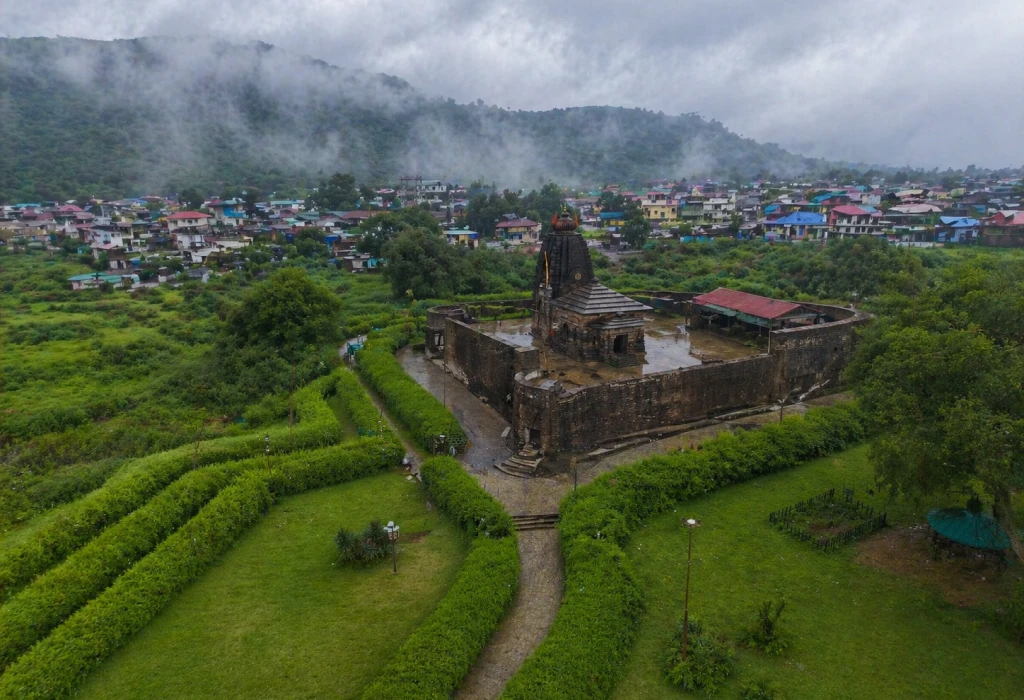
Sidhnath Temple, Baijnath
About Sidhnath Temple, Baijnath
The temple exemplifies Nagara design principles, the dominant architectural tradition for Hindu temples across North India during the medieval period. Constructed in the 13th century, the structure reflects the craftsmanship and devotional priorities of that era. The temple's location in the Kangra Valley places it within a landscape of spiritual significance, where the Himalayan foothills create a setting that has drawn pilgrims for centuries. The architectural details and proportions typical of this period and style would have been shaped by both religious function and the aesthetic conventions of the time.
Daily Worship and Darshan
The temple maintains two daily darshan periods: morning hours from 6:00 AM to 12:00 PM, and evening hours from 4:00 PM to 9:00 PM. Both morning and evening aartis are performed, marking the principal ritual moments of the day when the deity is formally worshipped with light, sound, and offerings. These aartis follow the traditional patterns of Shiva worship, where devotees gather to witness and participate in the ceremonial honoring of the divine.
Visitors should plan their visit according to these timings, as access to the sanctum is restricted outside these hours. The morning period is typically less crowded than evening hours, which may be a consideration for those seeking a more intimate darshan experience.
Best Time to Visit
The optimal season for visiting Sidhnath Temple runs from October through March. During these months, the Kangra Valley experiences cooler, clearer weather that makes travel and temple visits more comfortable. The monsoon season and summer heat are avoided, allowing visitors to focus on their spiritual practice without the challenges of extreme weather. This period also tends to see moderate pilgrim traffic, making it feasible to move through the temple without excessive crowding.
Visitor Practicalities
Visitors should arrive during the designated darshan hours and be prepared to remove footwear before entering the sanctum, as is customary in Hindu temples. Modest dress is appropriate—clothing that covers shoulders and knees shows respect for the sacred space. The temple complex may have limited facilities, so visitors are advised to carry water and any personal items they may need.
Photography policies vary by temple; it is best to inquire with temple staff before photographing the deity or inner sanctum. Offerings of flowers, incense, or coconut can typically be made, though these are often available for purchase near the entrance.
Getting There
Baijnath is located in Kangra District, Himachal Pradesh, at coordinates 32.05035, 76.64339. The nearest significant city is Kangra, which is accessible by road from major towns in the region. Visitors traveling from outside Himachal Pradesh should plan their journey to Kangra first, then proceed to Baijnath. Local transportation options, including buses and taxis, connect Kangra to Baijnath. The exact travel time depends on your starting point and the condition of mountain roads, which can be affected by weather, particularly during the monsoon season.
For those wishing to arrange formal darshan or seek assistance with logistics, local coordinators can be contacted to help organize visits and provide current information about temple access and conditions.
How to reach


Temples near Sidhnath Temple, Baijnath
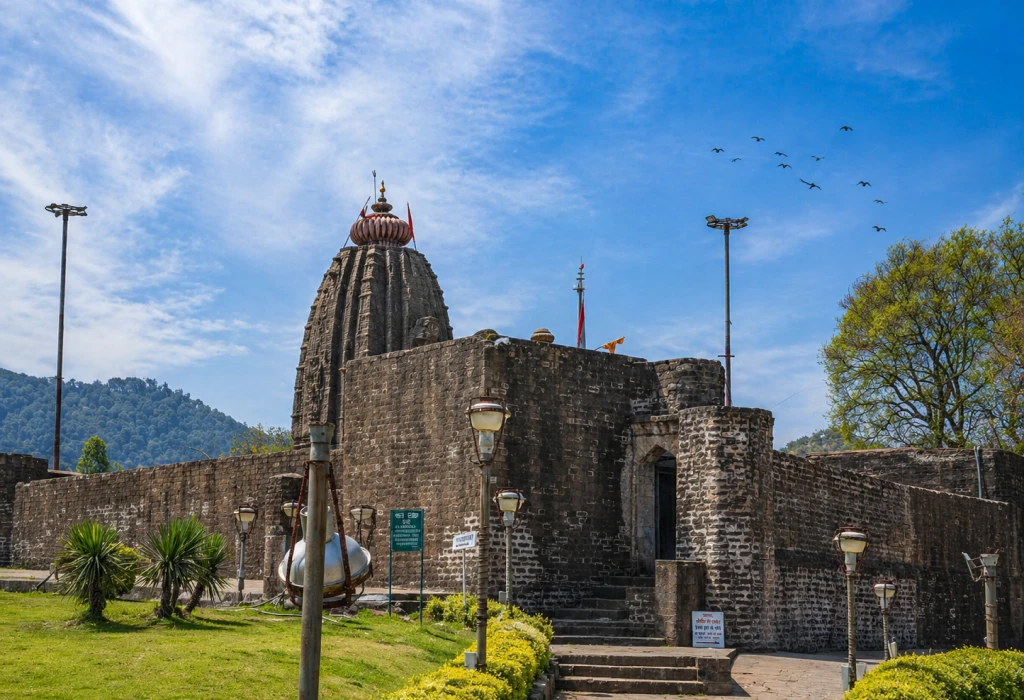
Baijnath Temple, Himachal Pradesh
Baijnath Temple is a 13th-century Nagara-style shrine in Kangra valley dedicated to Lord Shiva, revered as Vaidyanath the healer.
Maa Simsa temple
Maa Simsa is a 400-year-old hilltop shrine in Himachal Pradesh dedicated to Sharada Devi, revered as Santan Datri (the Mother who grants children) through the sacred Sallindara…
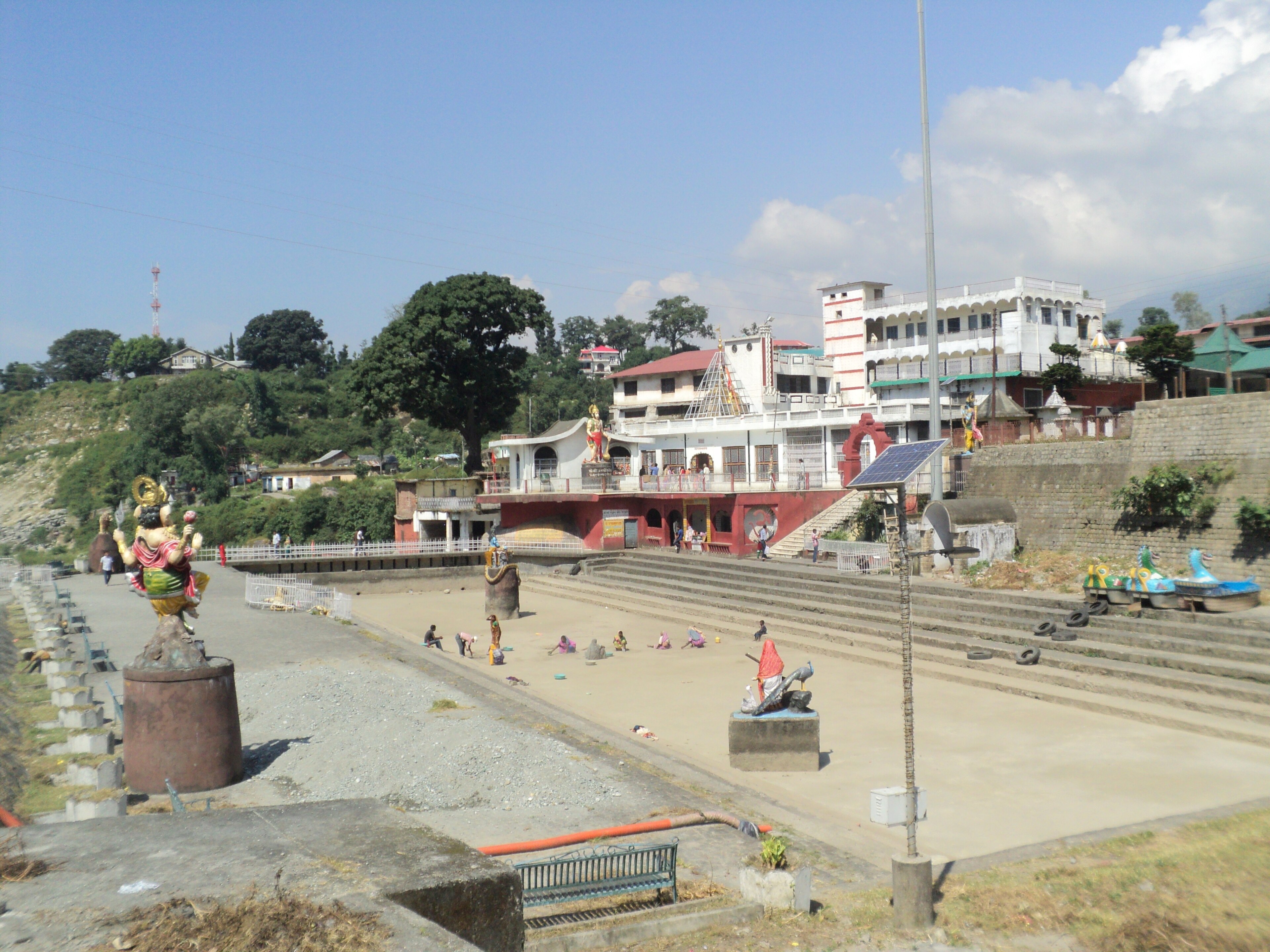
Shri Chamunda Devi Mandir
Shri Chamunda Devi Temple, located 19 km from Palampur in Kangra district, Himachal Pradesh, is a prominent Hindu shrine dedicated to Chamunda Devi, a fierce manifestation of Go…
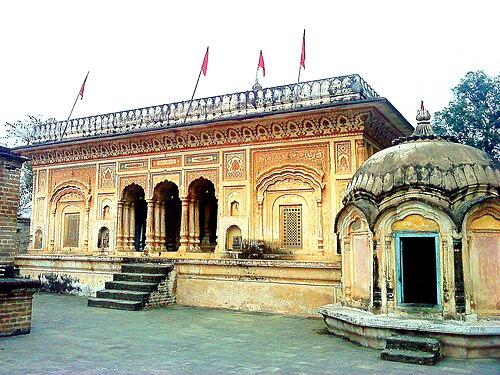
Narbadeshwar Temple, Sujanpur Tira
A historic Shiva temple built in 1802 by Maharani Prasanna Devi, renowned for its exquisite Pahari frescoes depicting Hindu epics and commanding views of the Beas River.
Baijnath Temple
Baijnath Temple is a 12th-century Nagara-style shrine in Himachal Pradesh dedicated to Shiva as Vaidyanath, the lord of physicians. Built in 1204 by merchants Ahuka and Manyuka,…

Bajreshwari Mata Temple, Kangra
Bajreshwari Mata Temple in Kangra is dedicated to Durga in her fierce form as Vajreshwari, the goddess of the thunderbolt. It is one of the 51 sacred Shakta pithas where the lef…