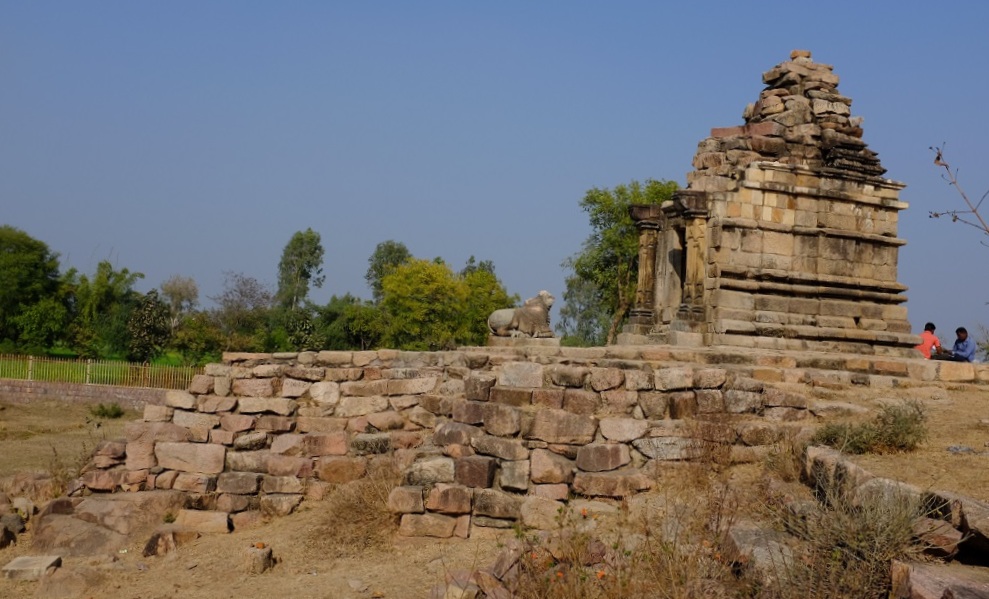
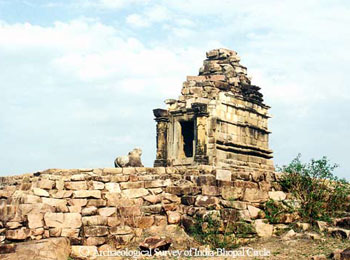
Lalguan Mahadeva temple
About Lalguan Mahadeva temple
The temple dates to the 10th century, a period of significant temple construction in central India. Its architectural style reflects the medieval Hindu building traditions characteristic of the region, though the passage of centuries has left the structure incomplete and unstable in places.
Visitors should understand that this is an archaeological site rather than an active place of worship. There are no formal rituals, regular ceremonies, or organized darshan (viewing of a deity) as one might find at functioning temples. The site requires visitors to exercise caution when moving through it, as uneven ground and potentially unstable surfaces present genuine hazards.
Visiting the Temple
Since Lalguan Mahadeva functions as a ruined archaeological site, there are no formal visiting hours or entry fees currently recorded. Visitors may explore at their own discretion, though the site offers no facilities—no rest areas, water sources, or shelter from weather.
Practical preparation is essential. Wear sturdy footwear suitable for navigating uneven terrain. Bring adequate water and sun protection, particularly during hot months. The site's exposed nature means you will have little shade. Photography is typically permitted at archaeological sites in India, though visitors should remain mindful of the sacred character of the location even in its ruined state.
Treat the temple with the respect appropriate to a sacred site. This means moving carefully through the structure, avoiding unnecessary disturbance, and recognizing that despite its decay, this remains a place of religious significance.
Khajuraho's Temple Landscape
Lalguan Mahadeva is one of numerous temples within Khajuraho, a town that developed as a major religious and cultural center during the medieval period. The concentration of temples across different traditions and time periods makes the broader area valuable for anyone seeking to understand how Hindu temple architecture evolved and how multiple sacred sites functioned within a single community.
Exploring multiple temples in the area provides context that a single visit cannot offer. The comparative study of these structures reveals patterns in design, construction technique, and religious purpose that illuminate medieval Hindu practice.
Getting There
The temple is located in Khajuraho, Madhya Pradesh, at coordinates 24.8508°N, 79.9113°E. Khajuraho is accessible by road and air, with the town serving as a hub for visitors interested in medieval temple architecture. Once in Khajuraho, local guidance or a map will direct you to the temple's location within the town.
What to Know Before You Visit
This is not a temple for those seeking traditional worship experiences or comfortable facilities. It is a site for those interested in medieval architecture, archaeological remains, and the material history of Hindu religious practice. Your visit requires self-sufficiency—bring water, sun protection, and sturdy shoes. Move carefully through unstable areas. Respect the sacred nature of the location despite its ruined condition.
The temple's significance lies in what it reveals about Khajuraho's past and the continuity of Shiva worship across centuries, even as the physical structure has deteriorated. A visit here is an encounter with history in its unpolished, fragile form.
How to reach
Temples near Lalguan Mahadeva temple

Chausath Yogini Temple, Khajuraho
The Chausath Yogini Temple is a ruined open-air shrine from the late 9th century, representing one of India's oldest surviving Yogini temples and a masterpiece of Chandela archi…
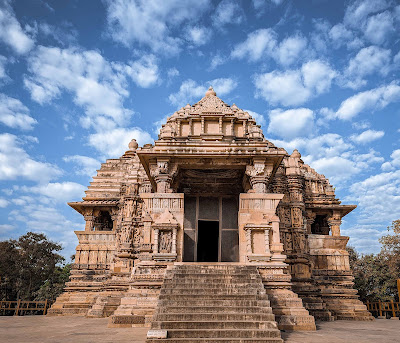
Devi Jagadambi Temple
Devi Jagadambi Temple is one of approximately 25 medieval temples at Khajuraho, Madhya Pradesh, built by the Chandela dynasty and designated a UNESCO World Heritage Site for its…
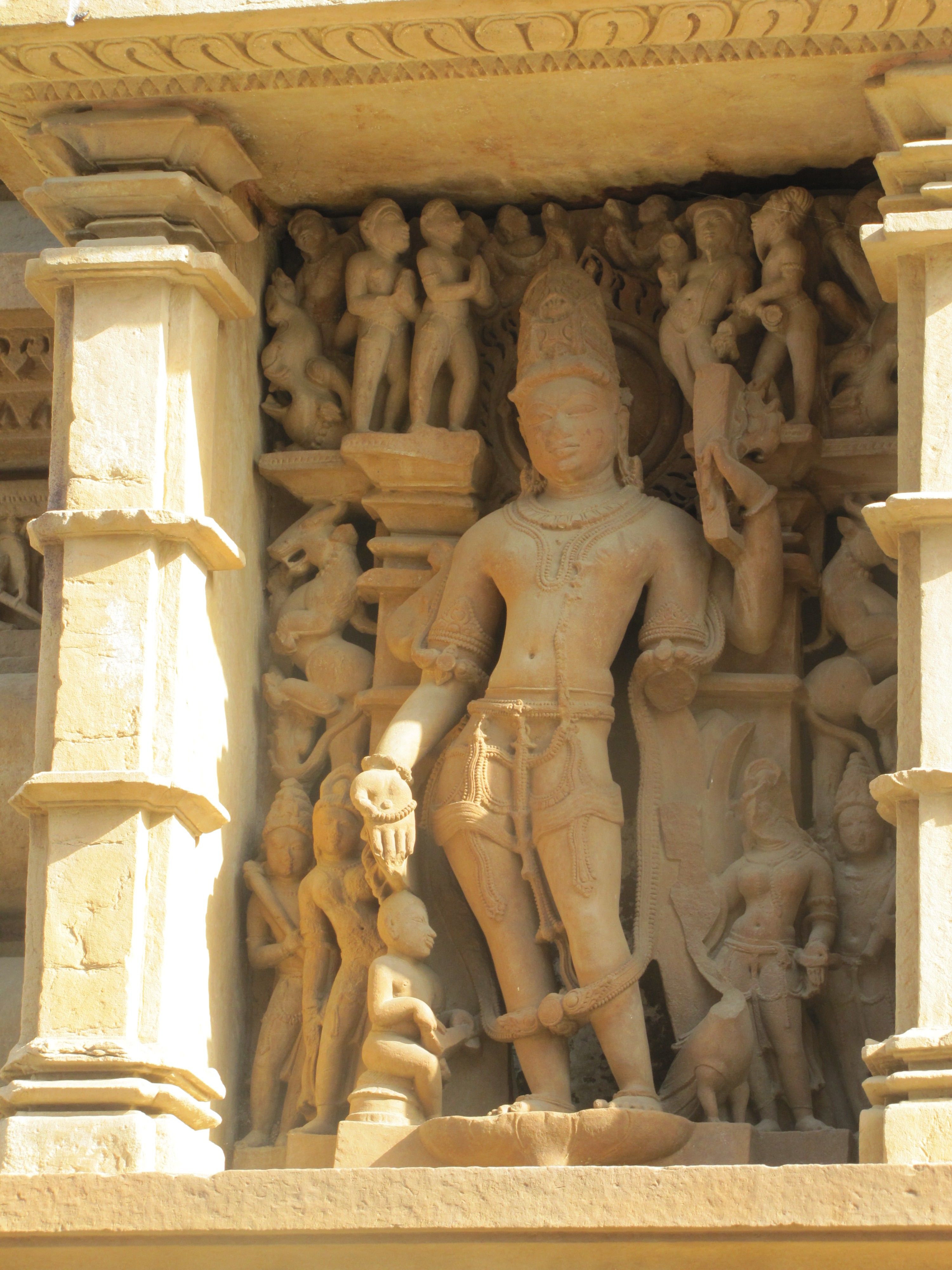
Lakshmana Temple
The Lakshmana Temple is a 10th-century Hindu shrine in Khajuraho dedicated to Vaikuntha Vishnu, showcasing the architectural brilliance of the Chandela dynasty and recognized as…
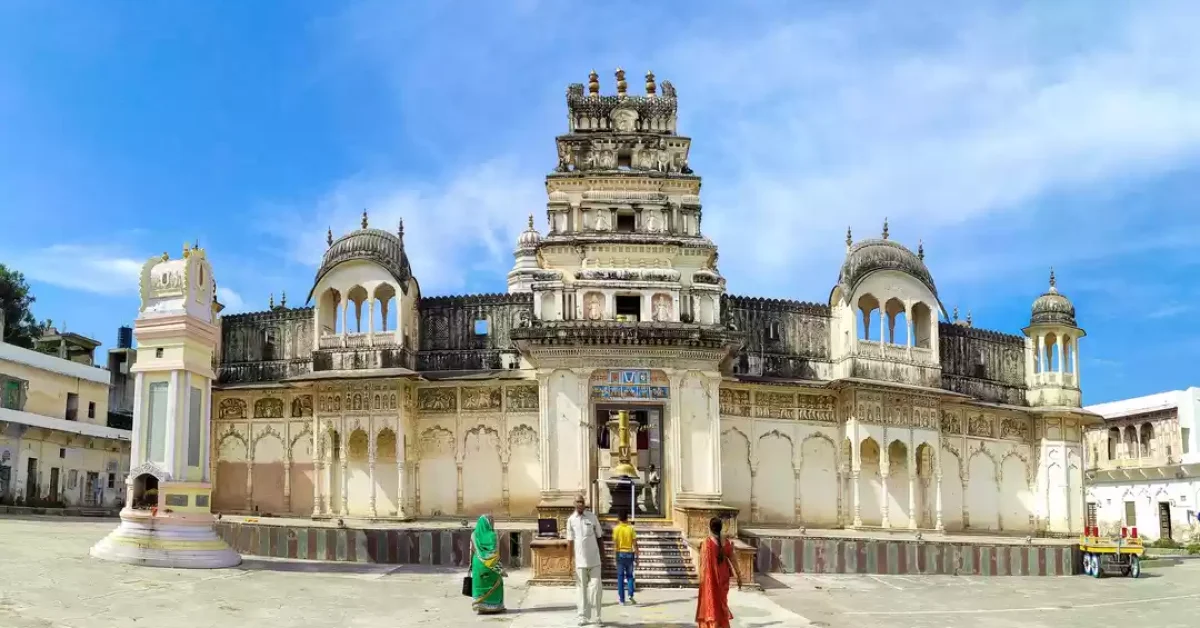
Brahma Temple
Brahma Temple in Pushkar, Rajasthan is one of the world's few temples dedicated to Lord Brahma, the creator deity, situated beside the sacred Pushkar Lake.

Javari Temple, Khajuraho
The Javari Temple in Khajuraho's Eastern Group is a small but architecturally significant Hindu shrine dedicated to Lord Vishnu, built during the late 10th or early 11th century…
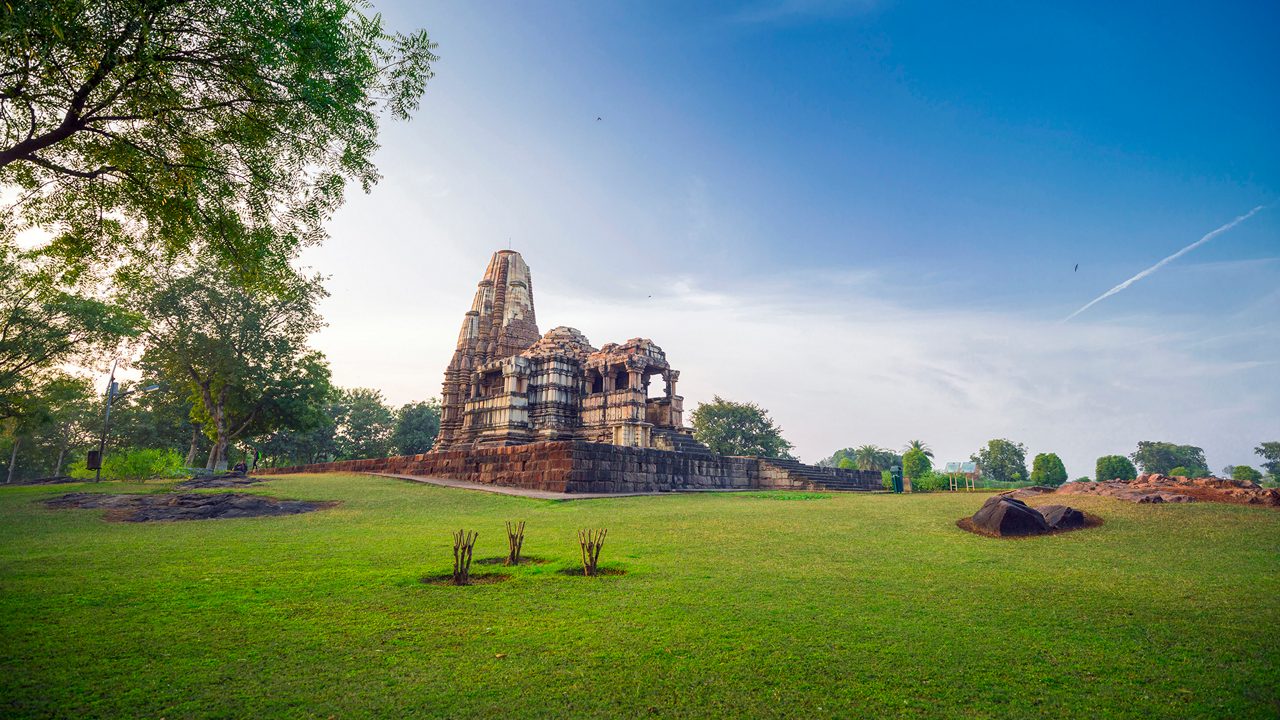
Duladeo Temple
Duladeo Temple in Khajuraho is a medieval Hindu shrine dedicated to Lord Shiva, renowned for its intricate stone carvings depicting celestial dancers and daily life from the Cha…