Devi Jagadambi Temple
About Devi Jagadambi Temple
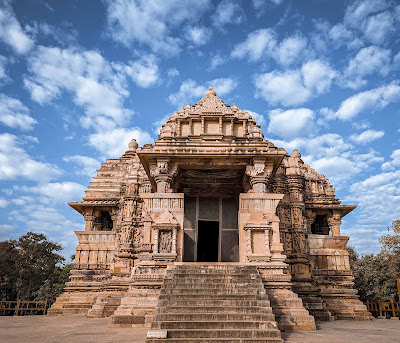
The temple was constructed between the 10th and 12th centuries during the reign of the Chandela dynasty, a period of considerable artistic and architectural flourishing in central India. It stands adjacent to the Kandariya Mahadev Temple, part of a larger sacred complex comprising approximately 25 temples at Khajuraho. This grouping of temples, built over several centuries, represents one of the most significant achievements of medieval Hindu temple architecture and has been recognized as a UNESCO World Heritage Site for its outstanding historical importance and artistic merit.
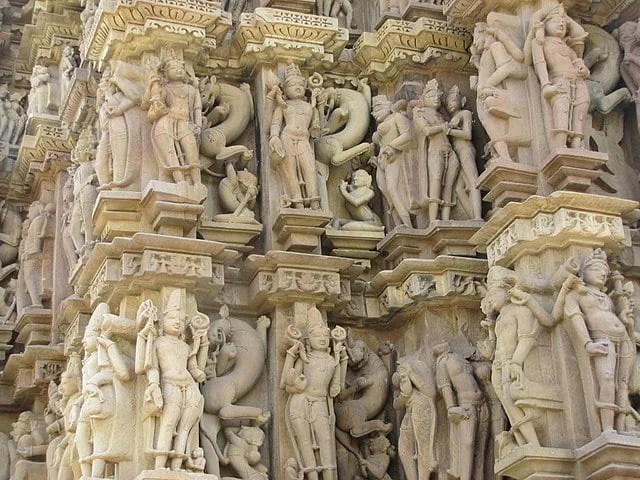
The sandstone from which the temple is carved has weathered centuries while retaining the intricate detail of its sculptural programme. The craftsmanship evident in the stone work reflects the technical mastery and spiritual vision of the artisans who shaped it, making the temple itself a testament to the devotional commitment of its builders.
Visiting the Temple: Practical Information
The temple is open daily for darshan from 6:00 AM to 5:00 PM. Visitors should plan for a wait time of 15 to 30 minutes during their visit. The best season to visit is October through February, when the weather is mild and comfortable for exploration. During these months, early morning and late evening hours offer the additional advantage of softer light that illuminates the carved surfaces more beautifully and draws fewer crowds.
Respectful dress is expected when entering the temple. Visitors should wear clothing that covers the shoulders and knees as a mark of reverence for the sacred space. Parking is available at the site. It is advisable to confirm current timings and any entry requirements before your visit, as these details may be subject to change.
The Sculptures and Artistic Programme
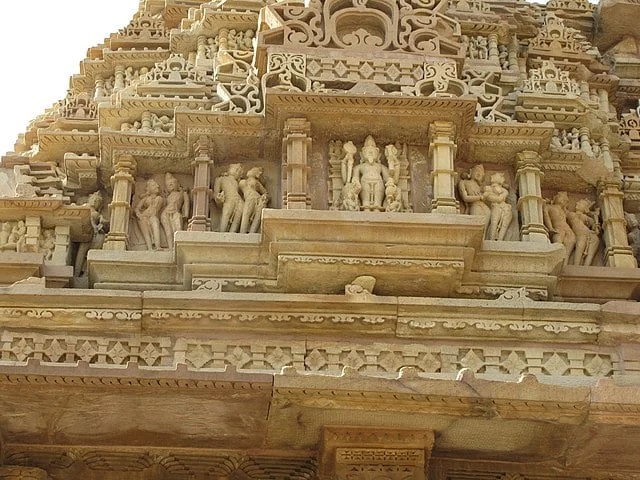
The temple's walls are adorned with sandstone carvings that depict diverse aspects of life, spirituality, and the divine. These sculptures serve as both devotional imagery and a record of the cultural and social world of the Chandela period. The artistic sophistication of the carving—from the rendering of divine figures to scenes of daily life—demonstrates the integration of the sacred and the mundane that characterizes the Hindu temple tradition.
The proximity of this temple to the Kandariya Mahadev Temple allows visitors to observe the architectural vocabulary shared across the Khajuraho complex while appreciating the distinct character of each shrine. The sculptural programme of Devi Jagadambi Temple contributes to the overall narrative of devotion and cosmic order expressed across the site.
Approaching the Deity
Temples dedicated to the goddess typically maintain regular worship throughout the day. Devotees may offer prayers and receive darshan—the auspicious sight of the deity—during the open hours. The practice of visiting early in the morning or in the quieter evening hours allows for a more meditative experience and provides better conditions for observing the temple's architectural and sculptural details.
Visitors should approach the inner sanctum with quiet reverence and follow any instructions provided by temple staff regarding the order of movement through the shrine. Photography policies may apply; it is respectful to inquire before taking images within the temple.
Understanding the Khajuraho Context
The Devi Jagadambi Temple cannot be fully appreciated in isolation from its setting within the Khajuraho complex. The temples here represent a unified vision of sacred architecture developed over generations, each shrine contributing to a larger theological and artistic programme. A visit to Devi Jagadambi Temple is enriched by understanding its place within this broader landscape of devotion and craftsmanship.
The UNESCO World Heritage designation reflects the global recognition of Khajuraho's significance not only as a religious site but as a repository of medieval Indian artistic achievement. For the devotee and the traveller alike, the temple offers both a space for spiritual practice and an encounter with the material culture of a distant era.
How to reach

Temples near Devi Jagadambi Temple
Lakshmana Temple
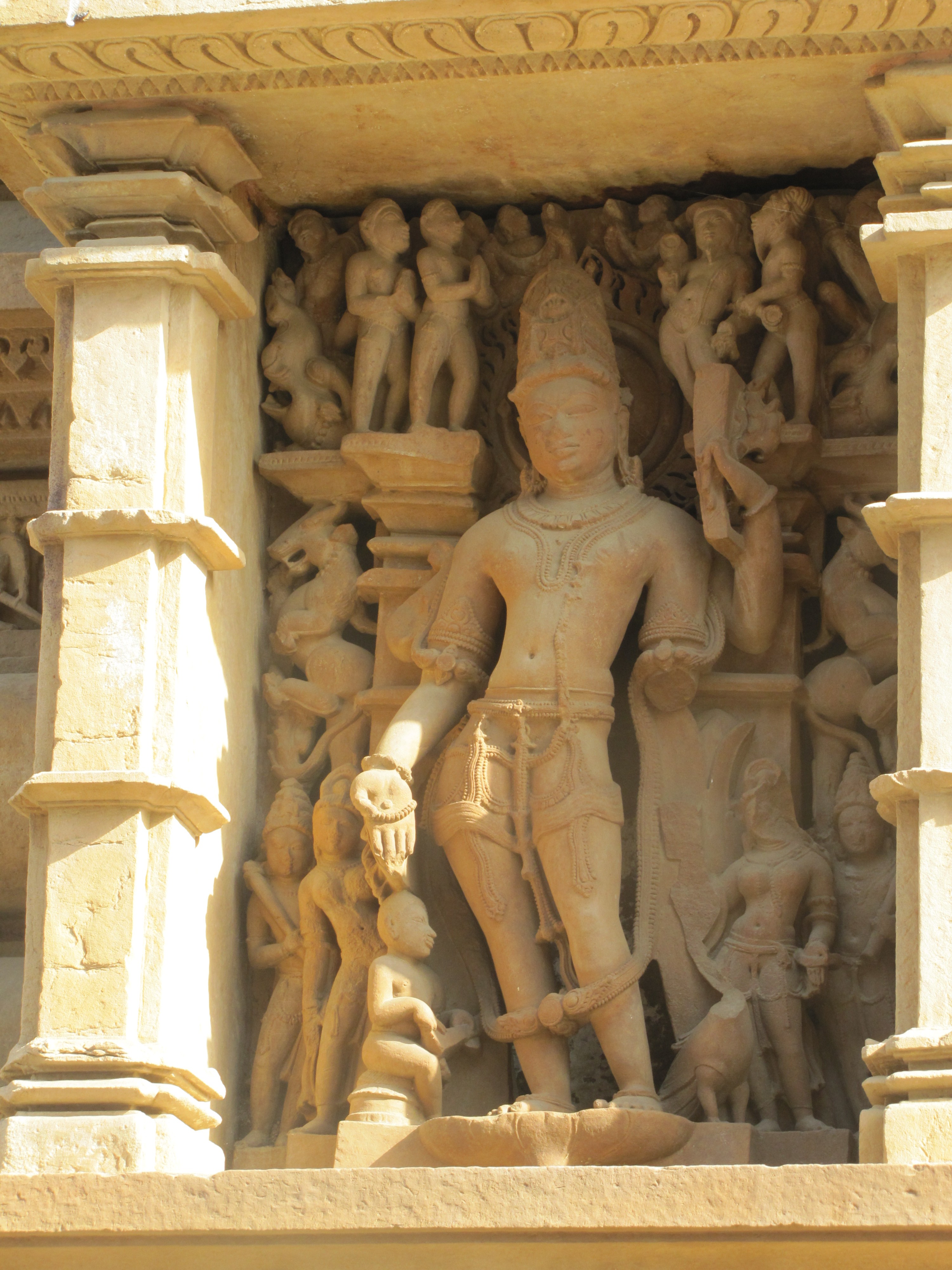
The Lakshmana Temple is a 10th-century Hindu shrine in Khajuraho dedicated to Vaikuntha Vishnu, showcasing the architectural brilliance of the Chandela dynasty and recognized as…

Chausath Yogini Temple, Khajuraho
The Chausath Yogini Temple is a ruined open-air shrine from the late 9th century, representing one of India's oldest surviving Yogini temples and a masterpiece of Chandela archi…
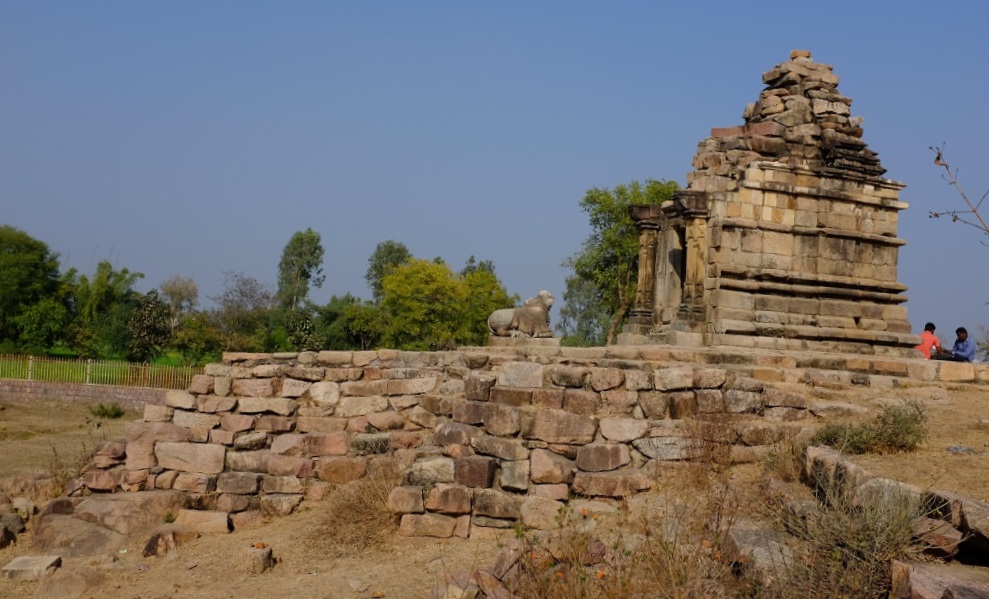
Lalguan Mahadeva temple
The Lalguan Mahadeva temple is a ruined medieval Shiva temple located in Khajuraho, Madhya Pradesh, representing an important part of the town's architectural heritage.
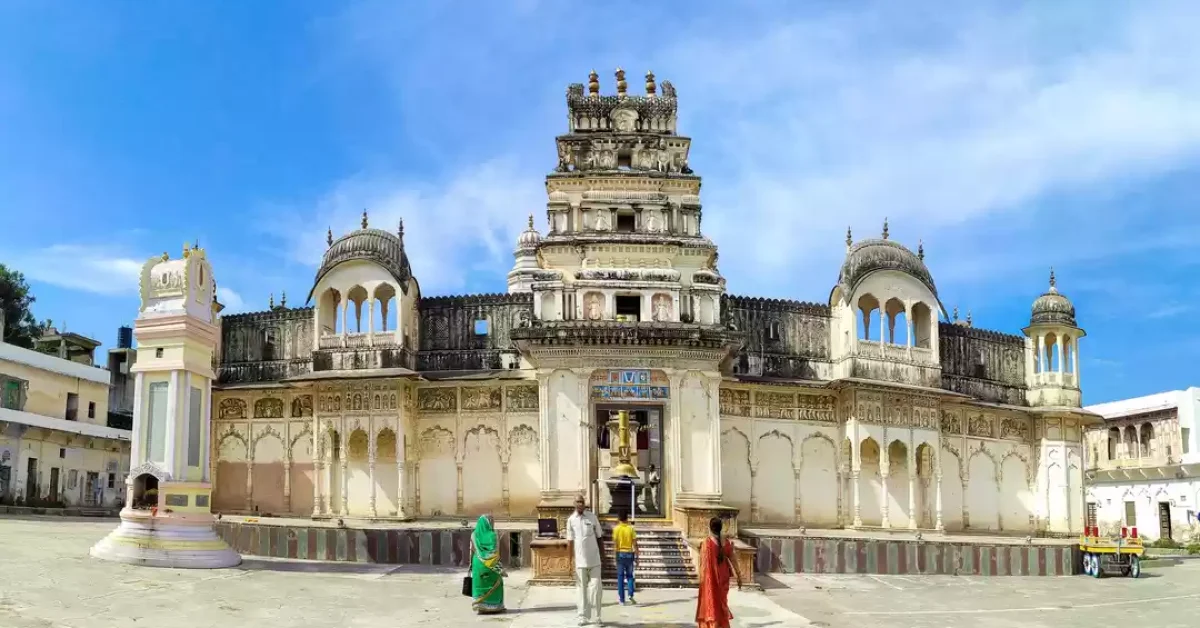
Brahma Temple
Brahma Temple in Pushkar, Rajasthan is one of the world's few temples dedicated to Lord Brahma, the creator deity, situated beside the sacred Pushkar Lake.

Javari Temple, Khajuraho
The Javari Temple in Khajuraho's Eastern Group is a small but architecturally significant Hindu shrine dedicated to Lord Vishnu, built during the late 10th or early 11th century…
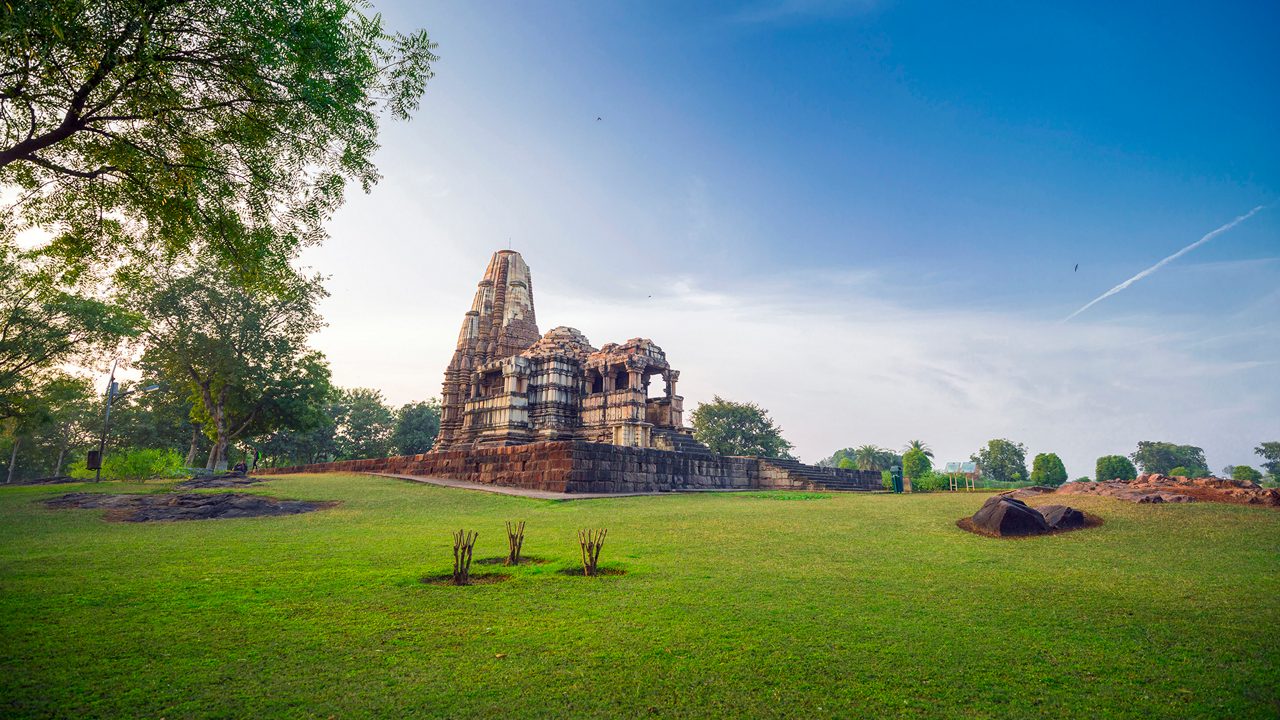
Duladeo Temple
Duladeo Temple in Khajuraho is a medieval Hindu shrine dedicated to Lord Shiva, renowned for its intricate stone carvings depicting celestial dancers and daily life from the Cha…