
Javari Temple, Khajuraho
About Javari Temple, Khajuraho
The Javari Temple follows the Hindu mandala principle in its layout, incorporating geometric forms of squares and circles that structure both the ground plan and the elevation. The building employs the Nagara architectural style, characterized by the shikhara—the distinctive tower that rises above the sanctum. The walls are adorned with intricately carved statues that depict divine mythology and scenes from daily life, a hallmark of Khajuraho's sculptural tradition.
The entrance features a detailed carved arch, and the overall composition demonstrates the sophisticated understanding of proportion and ornamentation that defined temple construction during this period. The carvings serve both aesthetic and devotional purposes, inviting contemplation of sacred narratives and the interconnection between the divine and human realms.
Visiting Hours and Best Times
The temple is open from 6:00 a.m. to 12:00 p.m. in the morning and from 4:00 p.m. to 9:00 p.m. in the evening. Entry is free. A visit typically requires around one hour to view the temple and its sculptural details.
The winter months from October to February offer the most pleasant conditions for visiting, with cooler temperatures and lower humidity. Early morning and late evening hours are particularly rewarding, as they provide softer light for appreciating the carved details and allow for a more contemplative experience away from daytime crowds. Darshan wait times are generally minimal, usually under thirty minutes.
Visitor Information and Etiquette
The path to the temple through the Khajuraho complex is mostly flat and accessible to visitors of varying ages and mobility. Parking is available at the site. As with all Hindu temples, visitors should approach the space with respect for its sacred character. Modest dress is appropriate—covering shoulders and knees is customary. Shoes are typically removed before entering the inner sanctum, though practices may vary; observe what other visitors do or ask temple staff for guidance.
The temple retains its historical essence through its sculptures and layout, and visitors are encouraged to honor the spiritual and cultural heritage the site represents. Photography policies should be confirmed with temple staff upon arrival, as restrictions may apply in certain areas.
Location and Access
The Javari Temple is situated in the Eastern Group of temples at Sevagram, Khajuraho, in Chhatarpur district, Madhya Pradesh 471606. The coordinates are 24.849497, 79.935316. The temple is easily reached by bus or car within the Khajuraho complex. The town of Khajuraho is well-connected by road, rail, and air to major cities in central India, and local transport options are available for reaching the temple site from accommodation in the town.
The Khajuraho Context
The Javari Temple is one component of the larger Khajuraho Group of Monuments, which represents a remarkable concentration of Hindu and Jain temples built over roughly two centuries. The Eastern Group, where Javari stands, contains several temples dedicated to Vishnu and other deities. Visiting Javari as part of a broader exploration of Khajuraho allows for understanding the architectural evolution and regional sculptural traditions of the period. The complex as a whole offers insight into the religious, artistic, and social life of medieval central India.
How to reach
Temples near Javari Temple, Khajuraho
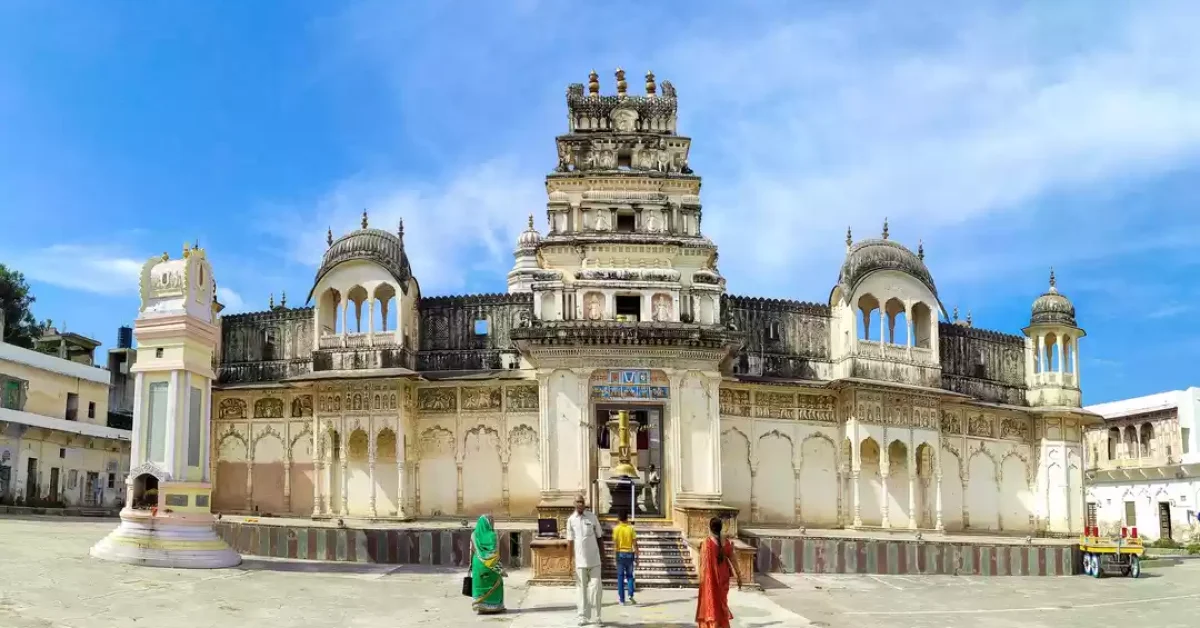
Brahma Temple
Brahma Temple in Pushkar, Rajasthan is one of the world's few temples dedicated to Lord Brahma, the creator deity, situated beside the sacred Pushkar Lake.
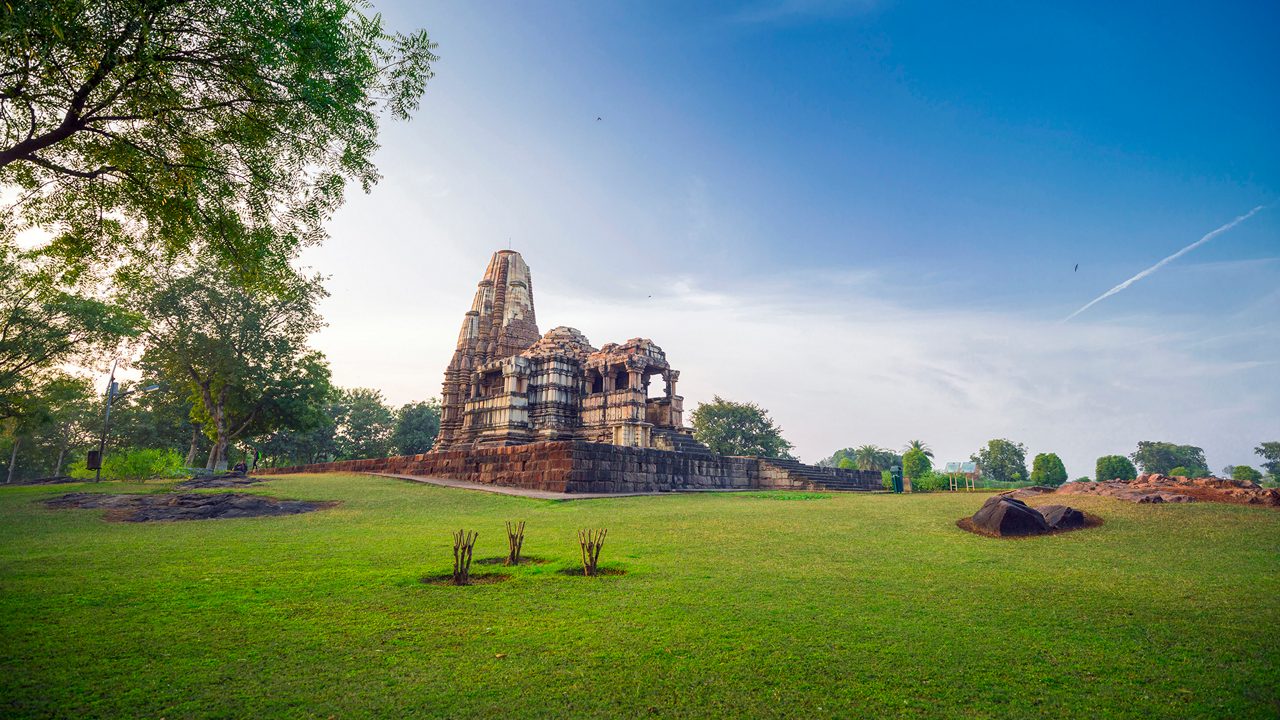
Duladeo Temple
Duladeo Temple in Khajuraho is a medieval Hindu shrine dedicated to Lord Shiva, renowned for its intricate stone carvings depicting celestial dancers and daily life from the Cha…
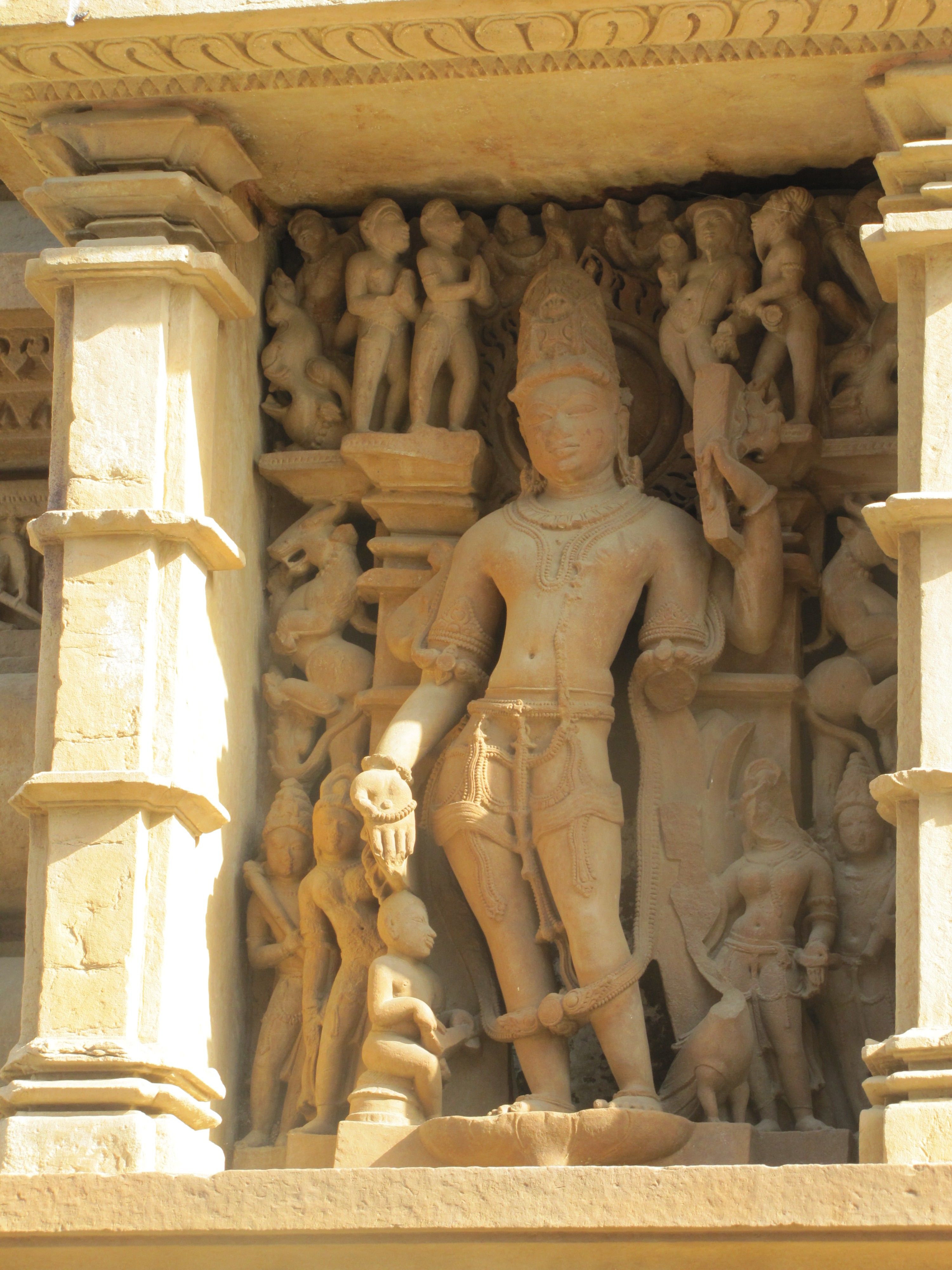
Lakshmana Temple
The Lakshmana Temple is a 10th-century Hindu shrine in Khajuraho dedicated to Vaikuntha Vishnu, showcasing the architectural brilliance of the Chandela dynasty and recognized as…
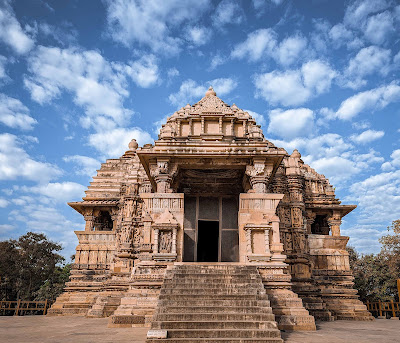
Devi Jagadambi Temple
Devi Jagadambi Temple is one of approximately 25 medieval temples at Khajuraho, Madhya Pradesh, built by the Chandela dynasty and designated a UNESCO World Heritage Site for its…

Chausath Yogini Temple, Khajuraho
The Chausath Yogini Temple is a ruined open-air shrine from the late 9th century, representing one of India's oldest surviving Yogini temples and a masterpiece of Chandela archi…
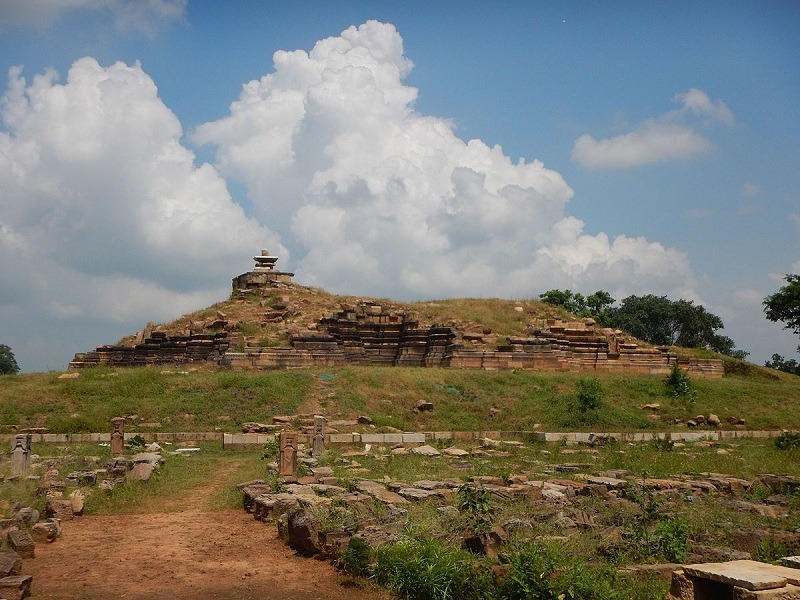
Beejamandal, Khajuraho
Beejamandal is a partially excavated ruined temple in Khajuraho's Southern Group, believed to potentially be the largest shrine in the complex once fully explored, dedicated to…