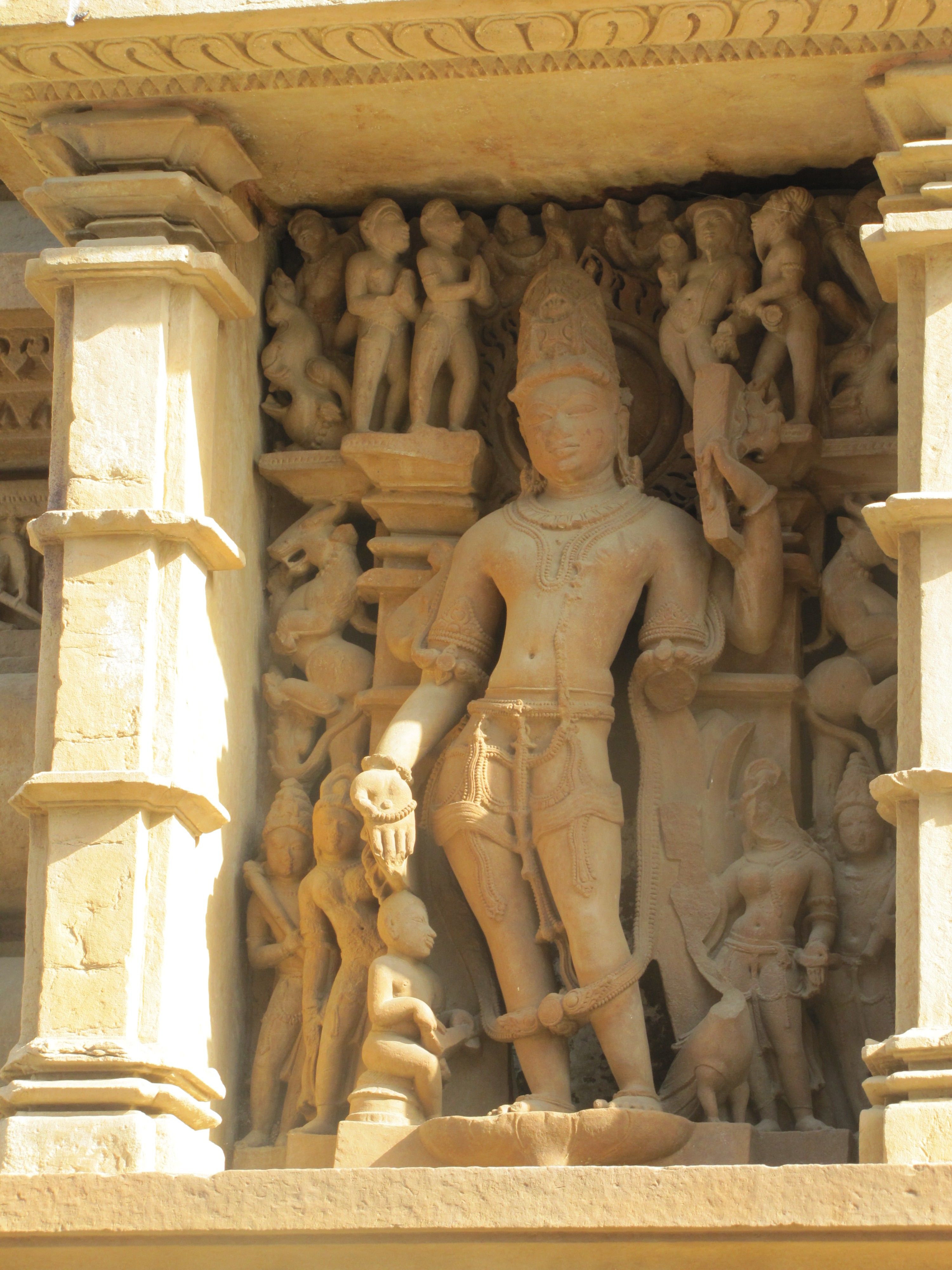

Lakshmana Temple
About Lakshmana Temple
The temple was constructed during the height of Chandela power, a period marked by significant developments in Hindu temple design. The structure demonstrates the architectural sophistication of its time, with intricate carvings and a majestic shikhara that exemplify the craftsmanship of the period. As part of the larger Khajuraho complex, the Lakshmana Temple contributes to what remains one of India's most significant concentrations of 10th-century religious architecture. The temple's elevated platform requires visitors to ascend to reach the sanctum, a physical aspect worth noting when planning your visit.
Daily Worship and Darshan
The temple opens for darshan from 06:00 to 19:00, accommodating visitors throughout the day according to their schedules. The Sandhya Aarti, the evening ritual, takes place at 19:00 and marks the day's most significant moment of worship. During this ritual, the sanctum is illuminated and special pujas are performed, creating an intensified spiritual atmosphere. Typical darshan wait times range from 30 minutes to one hour, though these may extend during festival periods. It is advisable to confirm current timings with the temple before travelling, as arrangements may vary on festival days.
Festivals and Celebrations
The temple observes several significant festivals throughout the year, each bringing special decorations and enhanced rituals. Ugadi or Gudi Padwa in March marks the Hindu New Year with elaborate temple decoration. Raksha Bandhan in August, Karwa Chauth in October, Chhath Puja in November, and Akshaya Tritiya in April are also observed with special pujas. The temple is notably busy and elaborately decorated during these periods, offering devotees an enhanced spiritual experience. If you plan to visit during a festival, allow extra time and confirm current arrangements with the temple in advance.
Visiting Information and Practical Etiquette
The best time to visit is during the winter months from October to February, when the weather is cooler and more conducive to exploring the temple complex. Summer months are best avoided due to heat. Conservative dress is essential—visitors should wear clothing that respects the sacred nature of the space. The temple's elevated platform requires physical exertion to reach, and visitors should approach with reverence befitting a place of worship. Parking is available at the site. Ample time should be devoted to exploring the temple complex and absorbing its spiritual and historical significance. Respect for local customs and the sanctity of the space is fundamental to the visitor experience.
Location and Access
The Lakshmana Temple is located in the Western Temple Complex of Khajuraho, in Chhatarpur District, Madhya Pradesh, at coordinates 24.85222°N, 79.9218°E. The temple sits within the larger Khajuraho Group of Monuments, a UNESCO World Heritage site. The town of Khajuraho is accessible by road and air from major Indian cities, making the temple reachable for pilgrims and visitors from across India and beyond. Once in Khajuraho, the temple's location within the Western Temple Complex makes it straightforward to reach as part of a visit to the broader monument group.
How to reach
Temples near Lakshmana Temple
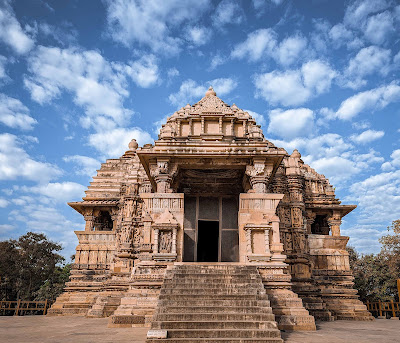
Devi Jagadambi Temple
Devi Jagadambi Temple is one of approximately 25 medieval temples at Khajuraho, Madhya Pradesh, built by the Chandela dynasty and designated a UNESCO World Heritage Site for its…

Chausath Yogini Temple, Khajuraho
The Chausath Yogini Temple is a ruined open-air shrine from the late 9th century, representing one of India's oldest surviving Yogini temples and a masterpiece of Chandela archi…
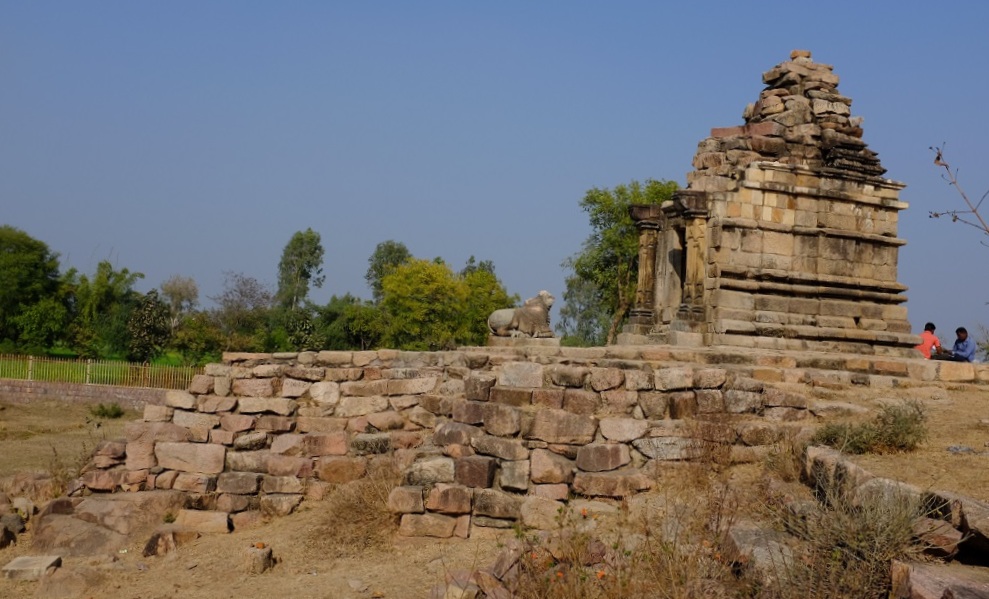
Lalguan Mahadeva temple
The Lalguan Mahadeva temple is a ruined medieval Shiva temple located in Khajuraho, Madhya Pradesh, representing an important part of the town's architectural heritage.
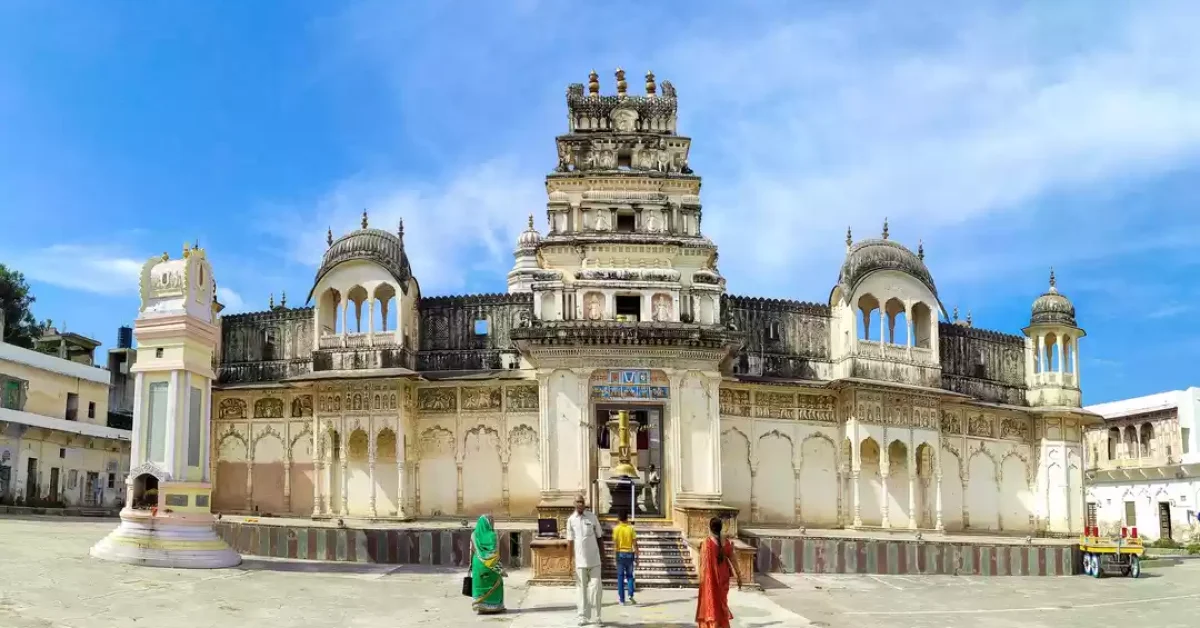
Brahma Temple
Brahma Temple in Pushkar, Rajasthan is one of the world's few temples dedicated to Lord Brahma, the creator deity, situated beside the sacred Pushkar Lake.

Javari Temple, Khajuraho
The Javari Temple in Khajuraho's Eastern Group is a small but architecturally significant Hindu shrine dedicated to Lord Vishnu, built during the late 10th or early 11th century…
Duladeo Temple
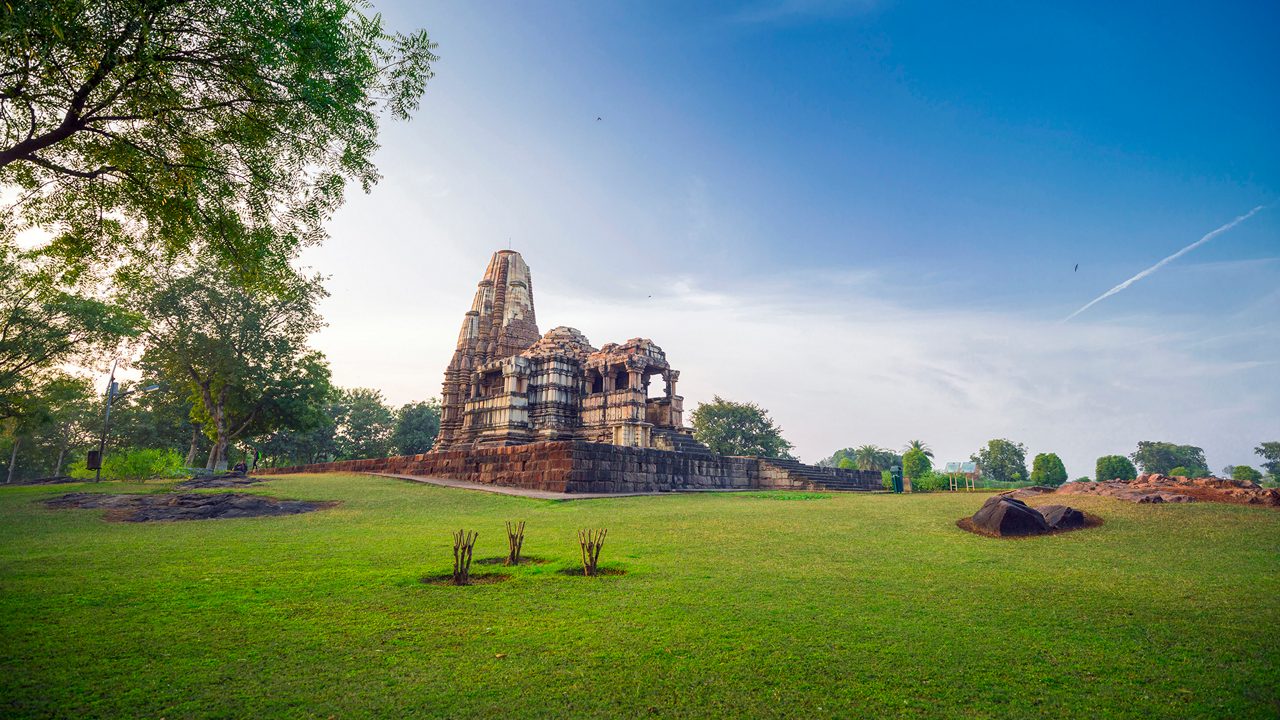
Duladeo Temple in Khajuraho is a medieval Hindu shrine dedicated to Lord Shiva, renowned for its intricate stone carvings depicting celestial dancers and daily life from the Cha…