Brahma Temple
About Brahma Temple
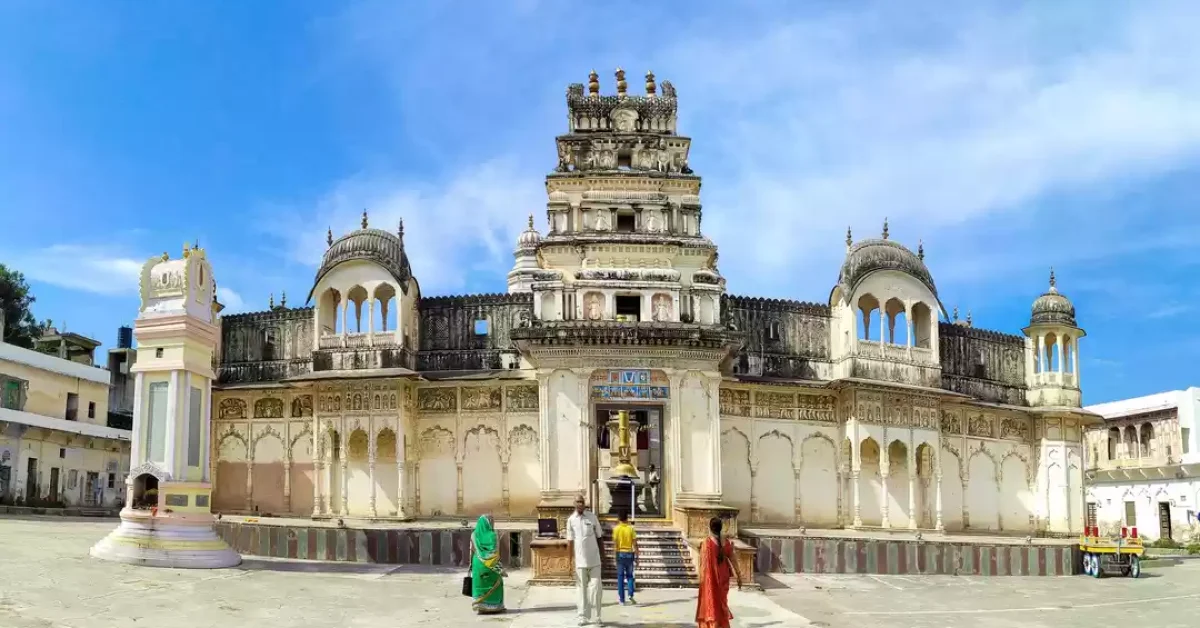
The temple's architectural form took its present shape during the 14th century, a period of significant temple construction across Rajasthan. The original sanctuary at this location, however, traces back much further—to around two thousand years ago—suggesting that Pushkar has long held sacred status for Hindu devotees. The temple thus represents both continuity and renewal, with medieval reconstruction layered over ancient foundations.
The temple's position within Pushkar, a pilgrimage town in Ajmer District, places it within a broader landscape of sacred geography. The proximity to the Pushkar Sarovar remains central to the temple's spiritual identity and to the experience of visitors who come to worship here.
Daily Worship and Darshan
The temple maintains structured timings for devotees to approach the deity. Morning darshan begins at 06:00 and continues until 12:00, followed by an afternoon closure from 13:30 to 15:00. Evening darshan resumes at 15:00 and extends until 21:00, accommodating both early risers and those who prefer evening worship.
Two principal aartis—ritual offerings of light and prayer—mark the spiritual rhythm of the day. The Mangala Aarti takes place in the early morning at 06:00, while the Sandhya Aarti occurs in the evening at 18:30. These ceremonies represent moments of heightened devotional activity when the temple community gathers to honor the deity through coordinated ritual.
Visiting Practicalities
The temple is located at coordinates 24.8492, 79.93276 in Pushkar, Ajmer District, Rajasthan. The best season for visiting extends from October through March, when the climate is cooler and more conducive to travel and outdoor worship in the region.
Visitors should plan their visit according to the darshan schedule, noting that the afternoon closure means the temple is not accessible between 13:30 and 15:00. Those wishing to participate in the aartis should arrive accordingly—early morning for the Mangala Aarti or around 18:30 for the Sandhya Aarti. As with most Hindu temples, modest dress is expected; visitors typically remove footwear before entering the inner sanctum and maintain respectful conduct throughout the premises. Photography policies vary, and visitors should inquire locally about any restrictions.
The Sacred Lake and Surroundings
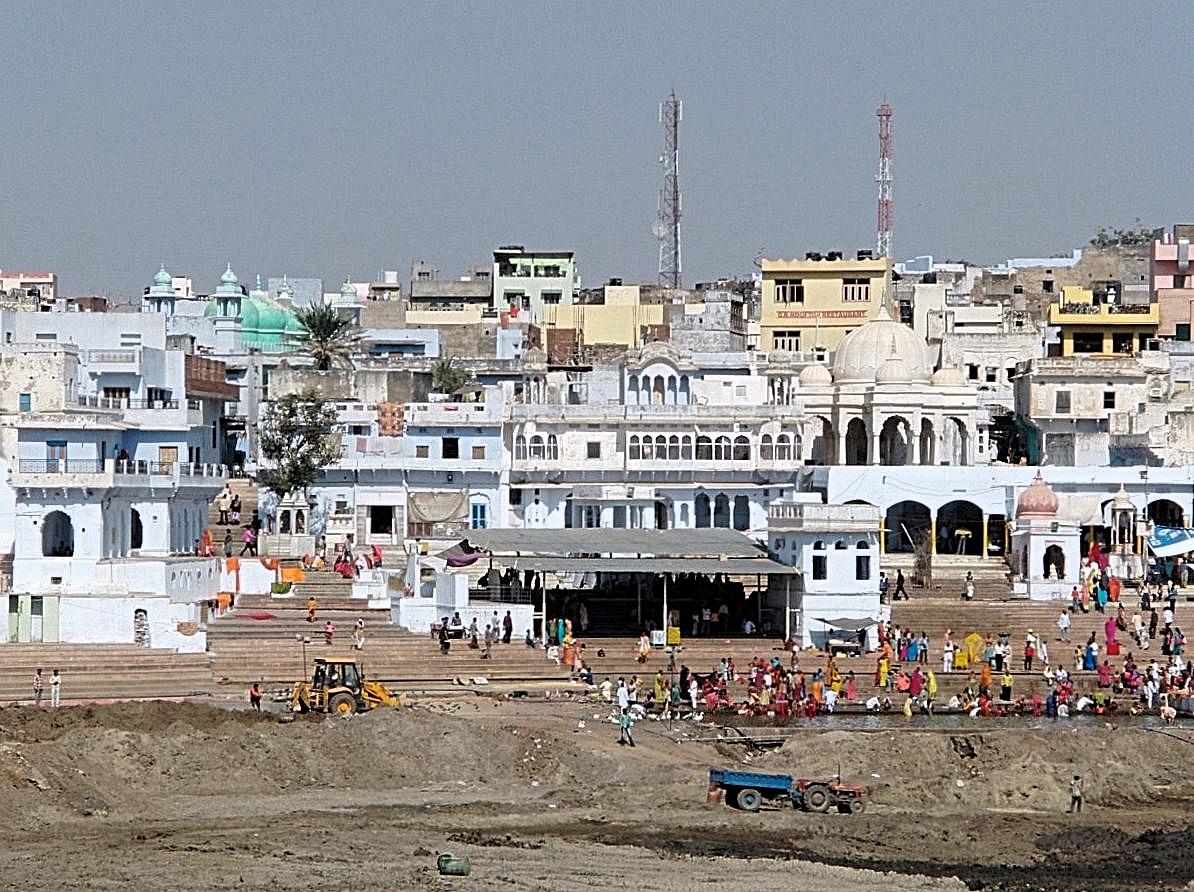
Pushkar Sarovar, the lake adjacent to the temple, forms an integral part of the pilgrimage experience. The waters are considered sacred within Hindu tradition, and many devotees bathe in the lake as part of their spiritual practice. The temple's location near these waters connects the act of worship to the broader landscape of sanctity that defines Pushkar as a pilgrimage destination.
The town itself contains other temples and sacred sites, making it possible to structure a multi-day visit that encompasses various aspects of Pushkar's religious significance. The relationship between the Brahma Temple and the surrounding sacred geography reflects how Hindu pilgrimage sites typically function as interconnected networks of devotion rather than isolated shrines.
Planning Your Visit
Reaching Pushkar requires travel to Ajmer District in Rajasthan. The town is accessible by road from major cities in the region, and accommodation options exist in Pushkar itself to serve pilgrims and visitors. Those planning to visit should check current darshan timings in advance, as temple schedules can occasionally shift due to festivals or special observances.
The temple's significance as a rare major shrine to Lord Brahma makes it a destination of particular importance for those seeking to deepen their understanding of Hindu cosmology and practice. Whether visiting during the cooler months or planning around specific aartis, advance preparation ensures a meaningful and respectful engagement with this ancient sacred site.
How to reach
Temples near Brahma Temple
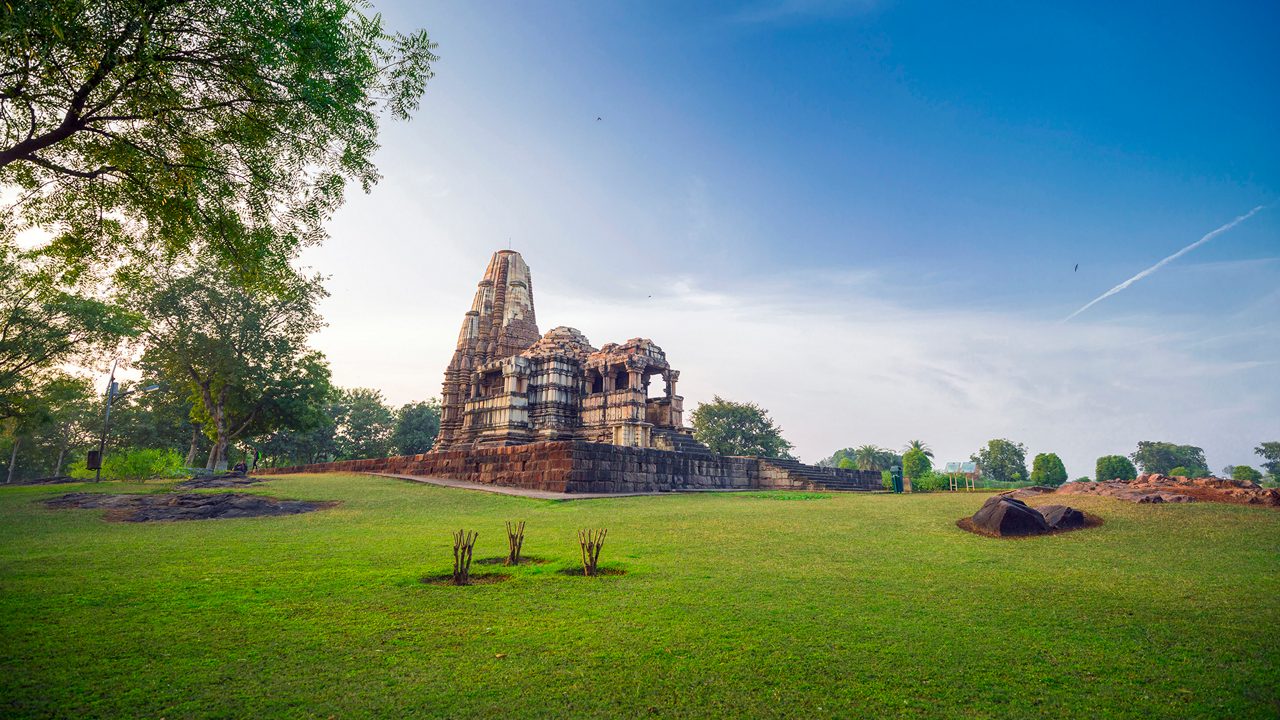
Duladeo Temple
Duladeo Temple in Khajuraho is a medieval Hindu shrine dedicated to Lord Shiva, renowned for its intricate stone carvings depicting celestial dancers and daily life from the Cha…
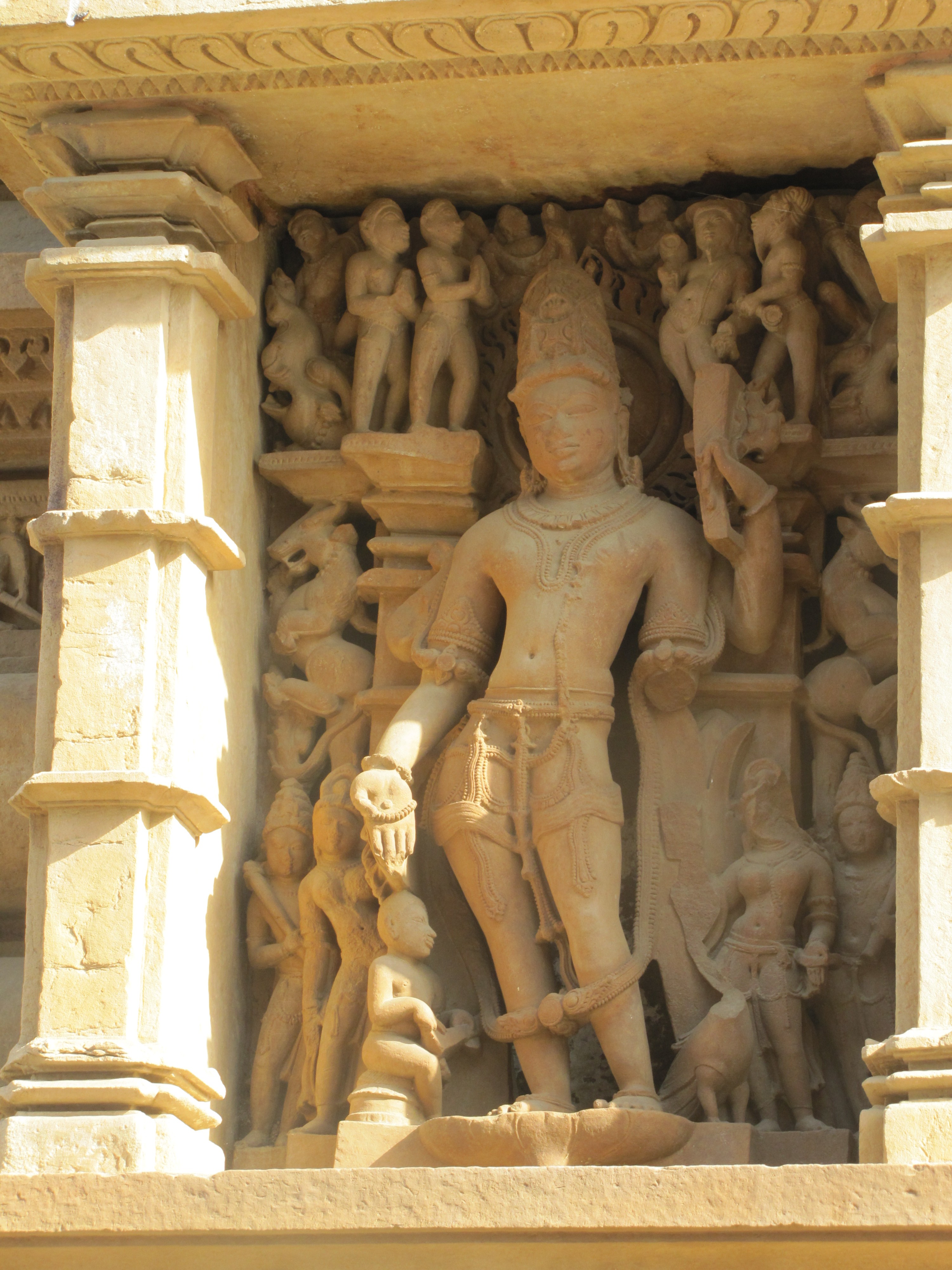
Lakshmana Temple
The Lakshmana Temple is a 10th-century Hindu shrine in Khajuraho dedicated to Vaikuntha Vishnu, showcasing the architectural brilliance of the Chandela dynasty and recognized as…
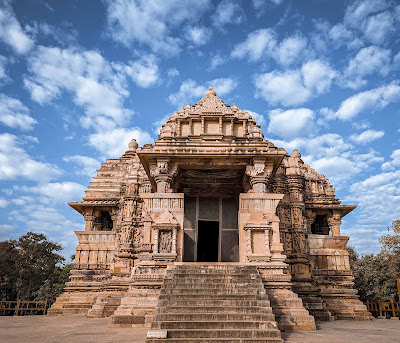
Devi Jagadambi Temple
Devi Jagadambi Temple is one of approximately 25 medieval temples at Khajuraho, Madhya Pradesh, built by the Chandela dynasty and designated a UNESCO World Heritage Site for its…

Chausath Yogini Temple, Khajuraho
The Chausath Yogini Temple is a ruined open-air shrine from the late 9th century, representing one of India's oldest surviving Yogini temples and a masterpiece of Chandela archi…
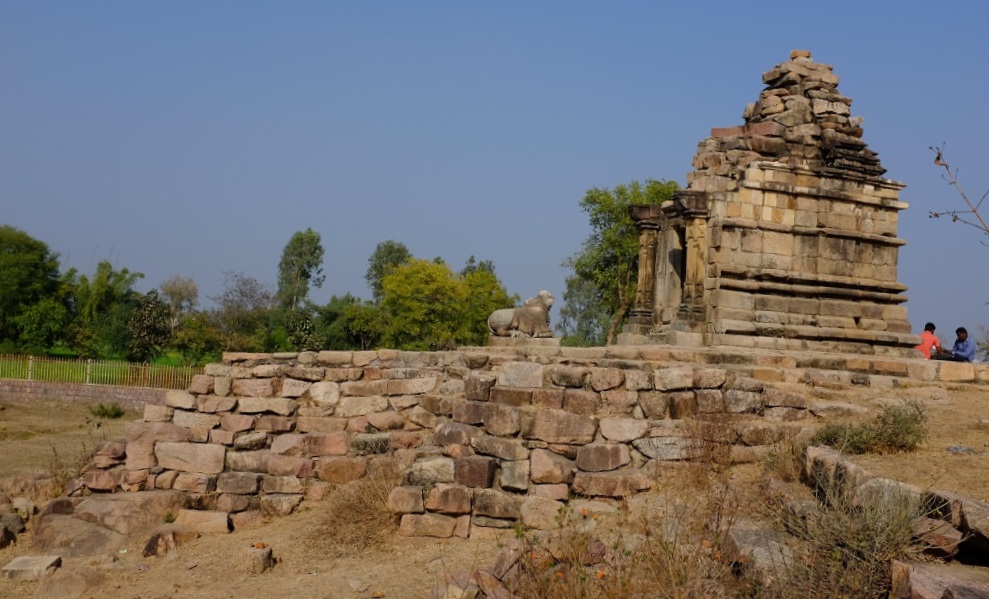
Lalguan Mahadeva temple
The Lalguan Mahadeva temple is a ruined medieval Shiva temple located in Khajuraho, Madhya Pradesh, representing an important part of the town's architectural heritage.
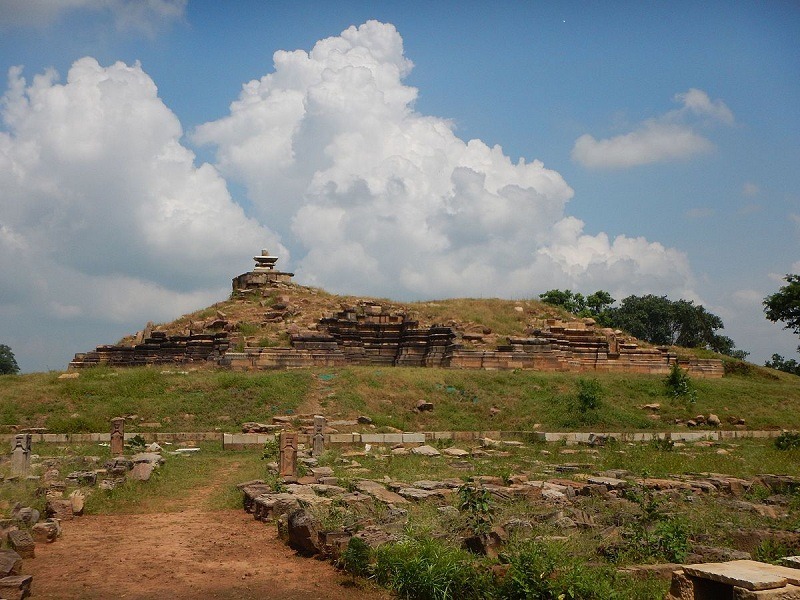
Beejamandal, Khajuraho
Beejamandal is a partially excavated ruined temple in Khajuraho's Southern Group, believed to potentially be the largest shrine in the complex once fully explored, dedicated to…