Duladeo Temple
About Duladeo Temple
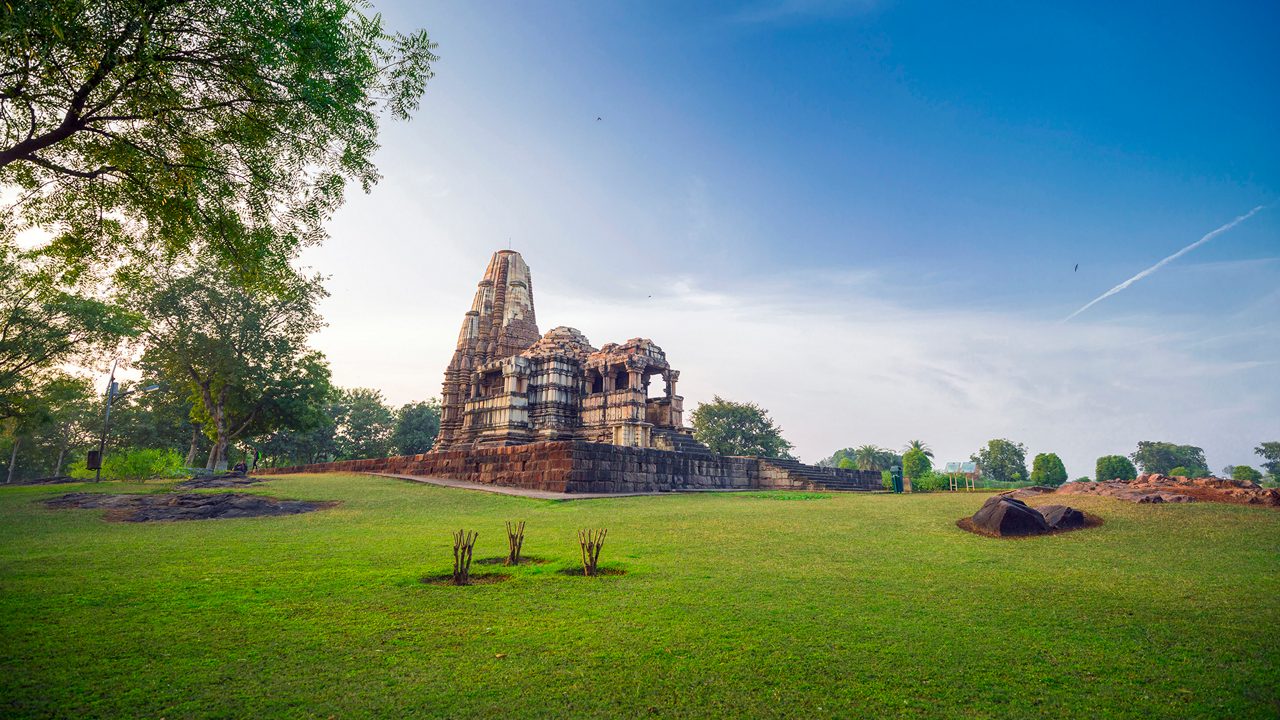
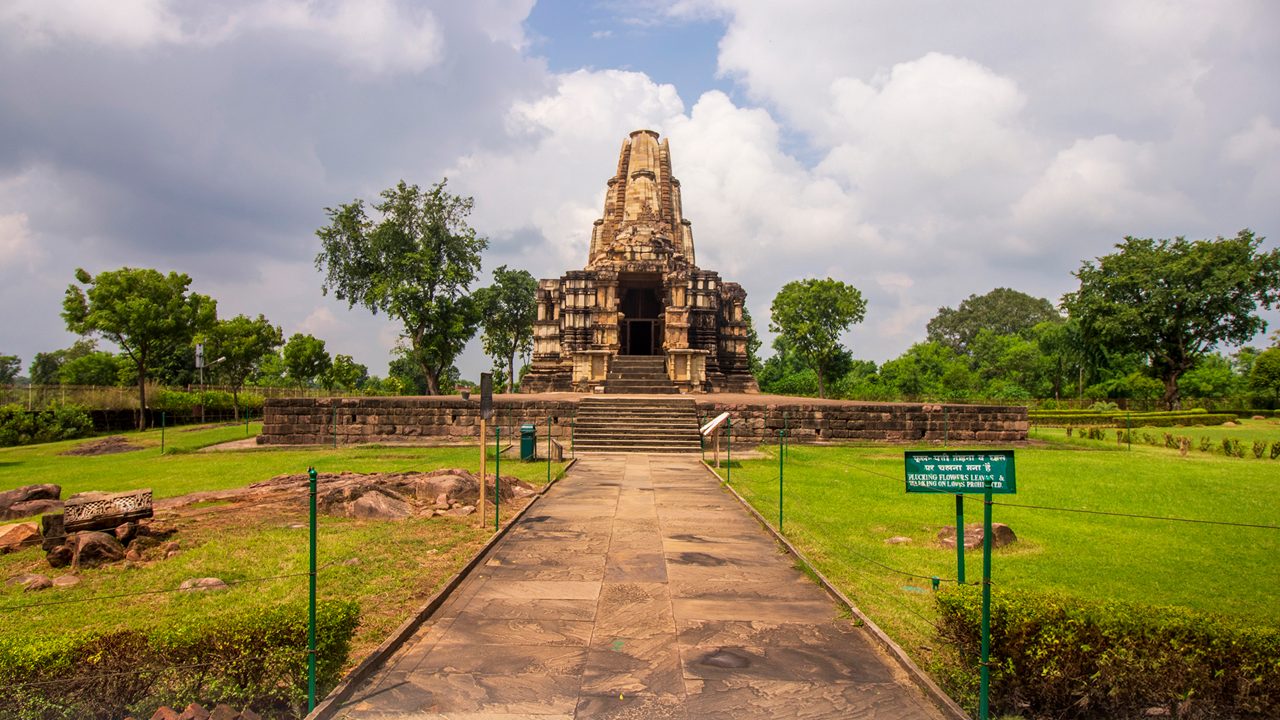
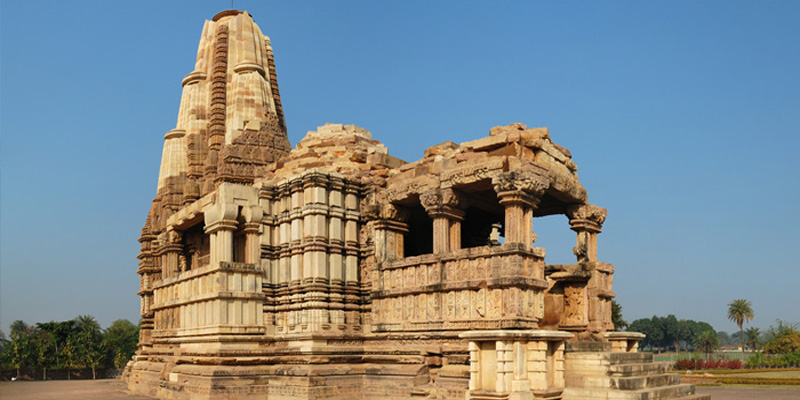
Built between 1000 and 1150 CE, Duladeo represents the final temple constructed during the Chandela dynasty's reign in the region. The structure follows the saptarata, or seven-chariot plan, an architectural arrangement that organizes the temple's layout with particular spatial and symbolic precision. The temple faces east, a common orientation in Hindu temple design.
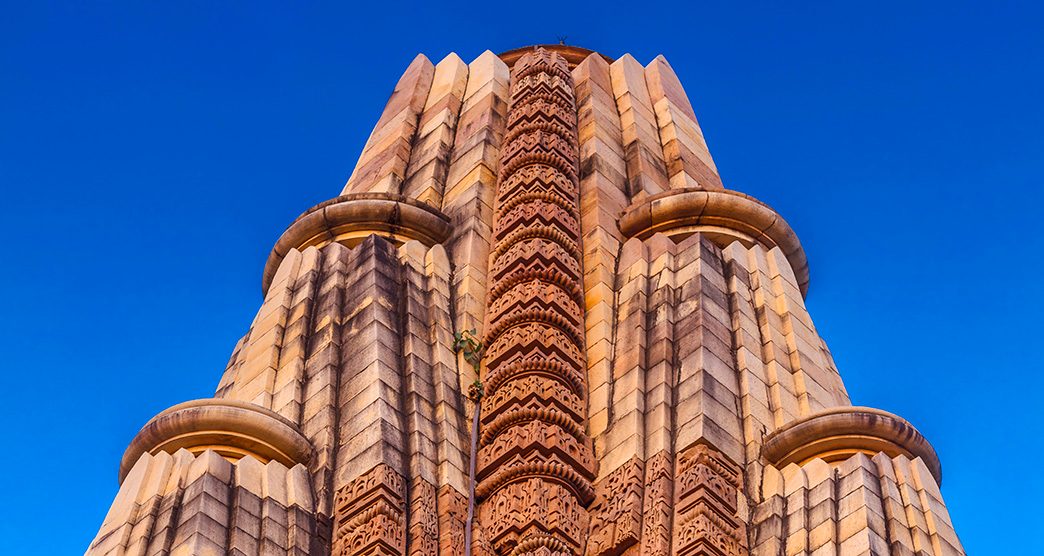
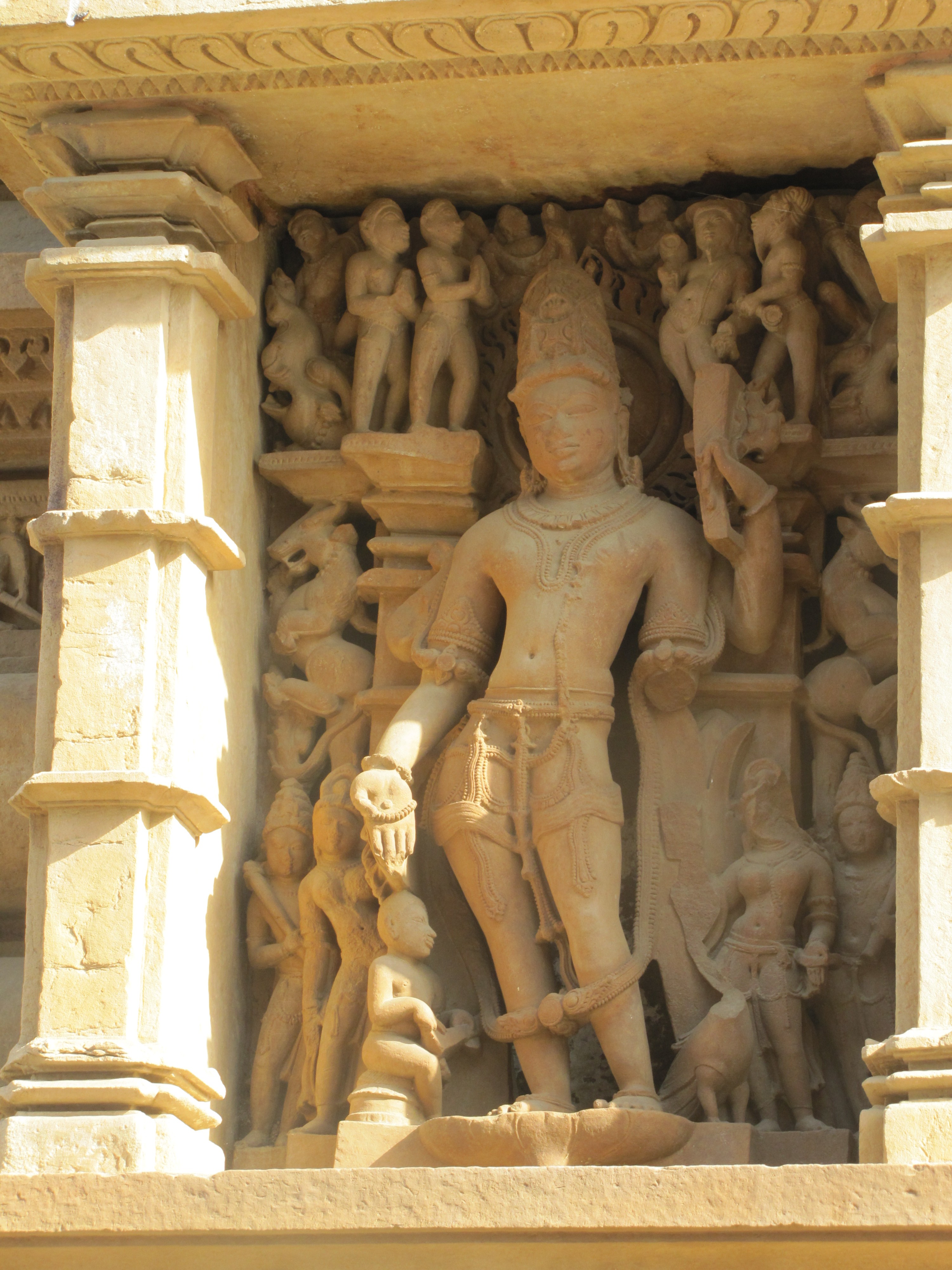
What distinguishes Duladeo from its contemporaries in the Khajuraho group is the refined quality of its sculptural work. The carved figures possess notably soft and expressive features, marking a departure from the style of earlier temples in the complex. The artisans who worked on Duladeo appear to have achieved a heightened level of artistic refinement in their stone carving, creating figurines that convey subtle emotional depth. The walls display elaborate carvings of celestial dancers, or apsaras, rendered in dynamic and erotic postures, alongside other figures that document both the spiritual life and daily practices of the medieval period. These sculptures function as a visual record of the cultural values and understanding of the era—a testament to the builders' vision of stone carving as a means of expressing both transcendent divine presence and earthly human experience.
Visiting Hours and Practical Arrangements
The temple opens for darshan—the ritual viewing of the deity—twice daily: from 06:00 to 12:00 in the morning and from 14:00 to 20:00 in the evening. During peak seasons, visitors may encounter a wait of 15 to 30 minutes. Parking is available on the temple grounds.
For a more comfortable experience, arriving early in the morning or during the later evening hours allows visitors to avoid both the midday heat and the largest crowds. The path to the main shrine involves several steps; while this may present difficulty for some visitors, the route includes resting spots where one can pause and absorb the temple's atmosphere. The area around the temple is well-maintained.
Dress, Conduct, and Etiquette
Visitors are expected to dress modestly and conduct themselves with decorum befitting a sacred space. Photography is permitted, though certain areas within the temple may be restricted from photography—visitors should observe any signage or guidance from temple staff regarding these restrictions.
Best Time to Visit
The most pleasant season for visiting Duladeo extends from October through February, when the weather is mild and comfortable. The intense heat of the summer months makes visiting during that period considerably less comfortable. Plan your visit accordingly to maximize both your physical comfort and your ability to appreciate the temple's intricate carvings and atmosphere.
UNESCO World Heritage Status
Duladeo Temple forms part of the Khajuraho Group of Monuments, which was inscribed on the UNESCO World Heritage List in 1986. This recognition reflects the exceptional cultural and architectural significance of the temple complex as a whole. The designation underscores the importance of these medieval structures as documents of Hindu artistic and spiritual achievement.
Location and Access
Duladeo Temple is located in the Southern Group of Temples within Khajuraho, in Chhatarpur district, Madhya Pradesh. The temple's coordinates are 24.83905, 79.93175. Khajuraho itself is accessible by road, rail, and air, with regular connections to major cities in central India. Once in Khajuraho, the temple can be reached by local transport or as part of a visit to the broader temple complex.
How to reach
Temples near Duladeo Temple
Beejamandal, Khajuraho
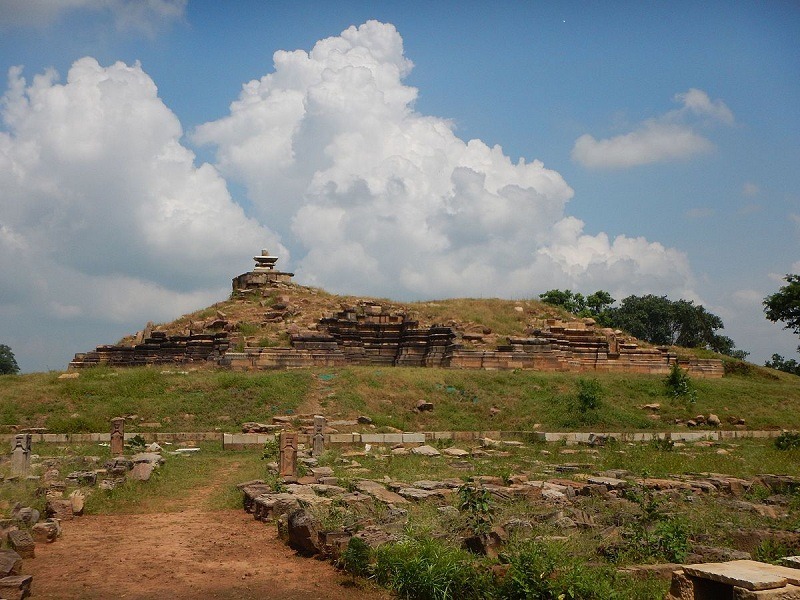
Beejamandal is a partially excavated ruined temple in Khajuraho's Southern Group, believed to potentially be the largest shrine in the complex once fully explored, dedicated to…
Brahma Temple
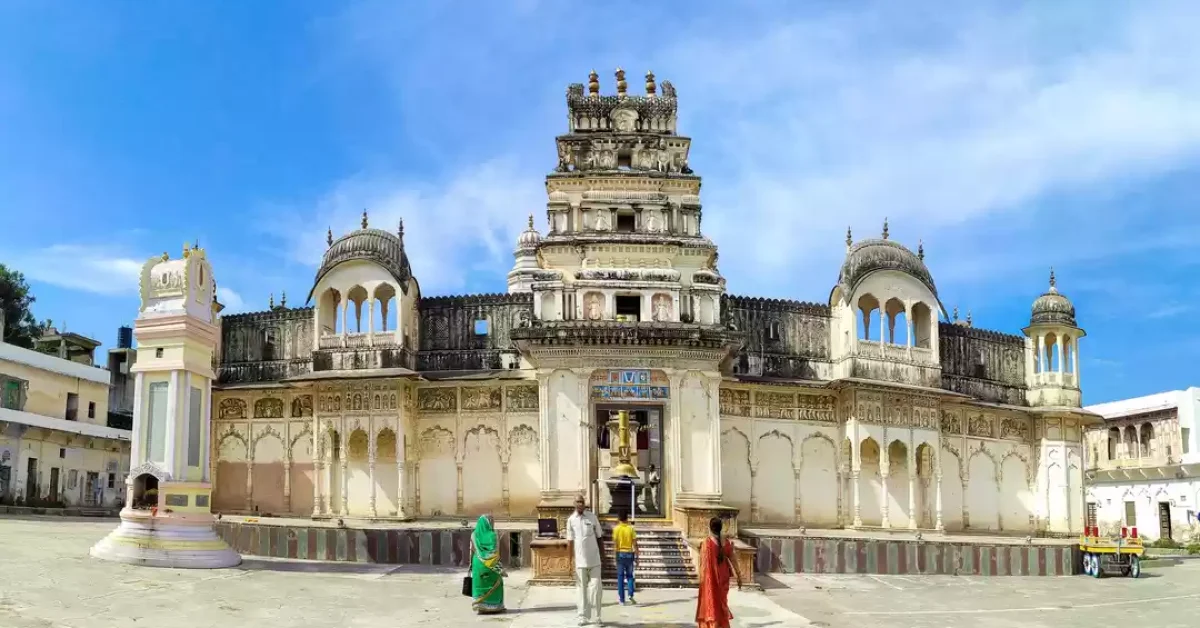
Brahma Temple in Pushkar, Rajasthan is one of the world's few temples dedicated to Lord Brahma, the creator deity, situated beside the sacred Pushkar Lake.
Chaturbhuj Temple, Khajuraho
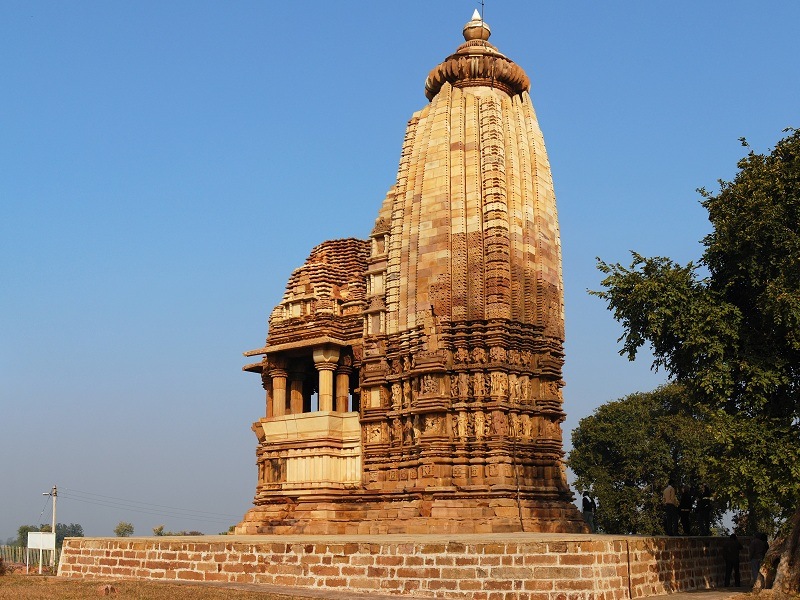
Chaturbhuj Temple in Khajuraho is a 12th-century Vishnu shrine built by the Chandela dynasty, featuring a four-armed idol of Rama and distinctive multi-storied architecture blen…

Chausath Yogini Temple, Khajuraho
The Chausath Yogini Temple is a ruined open-air shrine from the late 9th century, representing one of India's oldest surviving Yogini temples and a masterpiece of Chandela archi…
Lakshmana Temple
The Lakshmana Temple is a 10th-century Hindu shrine in Khajuraho dedicated to Vaikuntha Vishnu, showcasing the architectural brilliance of the Chandela dynasty and recognized as…
Devi Jagadambi Temple
Devi Jagadambi Temple is one of approximately 25 medieval temples at Khajuraho, Madhya Pradesh, built by the Chandela dynasty and designated a UNESCO World Heritage Site for its…