


Bhimeswar Dham
About Bhimeswar Dham
According to local belief, Shiva manifested at this location to vanquish a demon named Bhimasura and safeguard his devotees. The temple's name derives from this narrative, though the sources do not elaborate on the specific details of the encounter or its place within broader mythological cycles. The legend anchors the site's spiritual identity and explains why devotees regard Dakini Hill as a place where divine protection was enacted. This connection to Shiva's protective aspect draws pilgrims seeking his blessings.
Layout and Worship Spaces
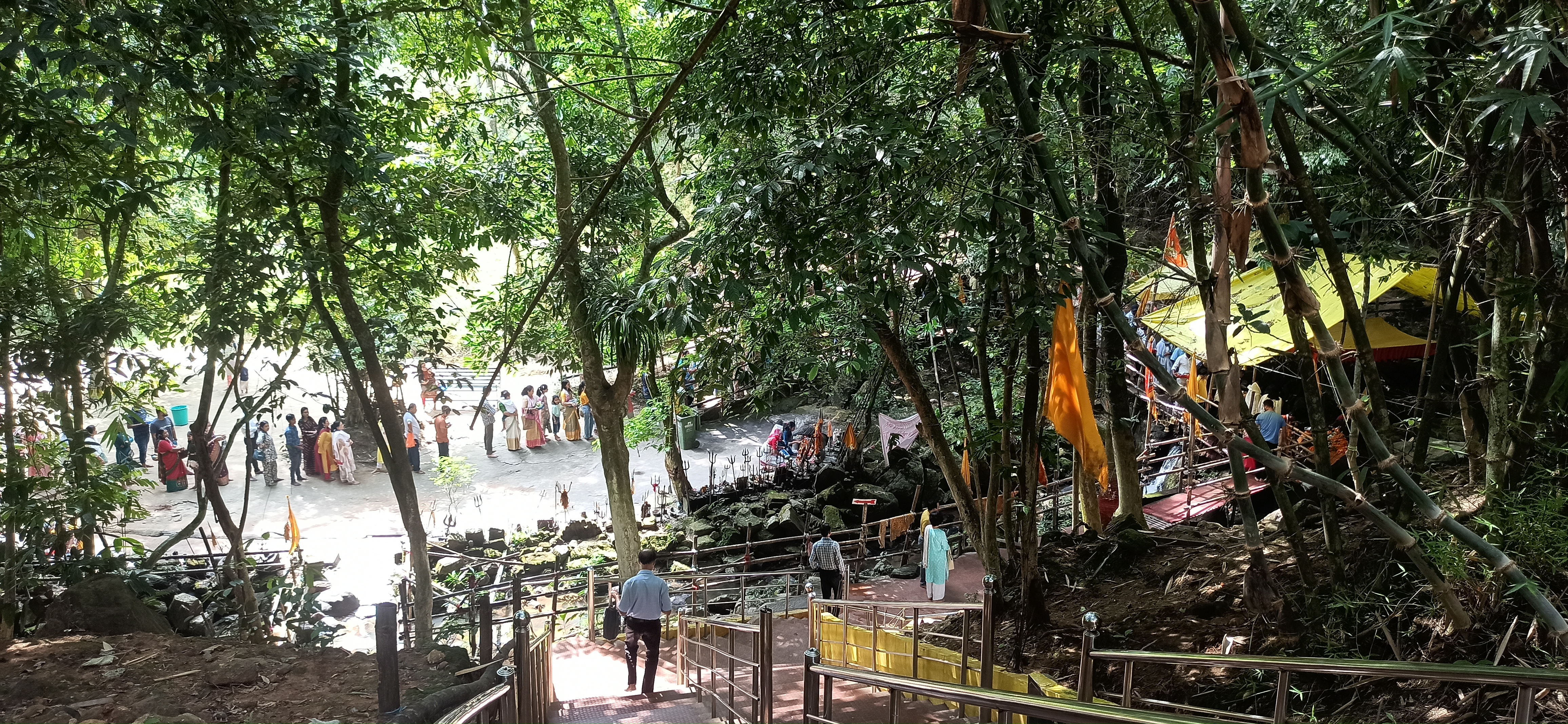
The path to the Shiva linga ascends through the natural terrain of Dakini Hill. Partway up this route stands a temple dedicated to Lord Ganesha, where pilgrims traditionally offer prayers before continuing their ascent. This placement reflects a common practice in Hindu pilgrimage, where Ganesha—the remover of obstacles—is honored at the threshold of a sacred journey. The natural stream that flows over the linga serves as both the temple's water source and its primary ritual element, with devotees able to witness the continuous interaction between water and stone.
Visiting the Temple
Bhimeswar Dham remains open throughout the day, with early morning and late afternoon identified as the optimal times for darshan. These hours offer relief from midday heat and allow visitors to experience the hill's natural tranquility. The trek to reach the linga requires reasonable physical fitness and appropriate footwear; sturdy walking shoes are essential given the terrain. Visitors should carry water and other necessities, as facilities on the hill are minimal. The natural setting means that darshan wait times are typically short, and the experience remains intimate rather than crowded.
Accessibility may present challenges for those with mobility limitations, though the path includes natural resting points where pilgrims can pause. Respect for the environment and local customs is expected; the site's sanctity depends on the reverence with which visitors treat both the shrine and the surrounding landscape. Modest dress is appropriate, as is the case at Hindu temples generally.
Reaching Bhimeswar Dham
The temple is located at coordinates 26.0971, 91.696054 on Dakini Hill near Pamohi in Guwahati. Visitors approaching from central Guwahati should seek local directions to Pamohi and then to Dakini Hill; the site's position near Deepor Beel provides an additional landmark. Parking is available at the base of the hill, though the final approach requires walking. Public transportation options to Pamohi should be confirmed locally, as service patterns may vary.
A Natural Shrine
What distinguishes Bhimeswar Dham from many other temples is its embrace of the natural world as sacred architecture. The flowing stream, the hill itself, and the minimal constructed elements create an environment where worship occurs within rather than apart from nature. This approach aligns with ancient Hindu traditions that recognized mountains, rivers, and springs as inherently divine. For visitors accustomed to elaborate temple structures, the simplicity of Bhimeswar Dham may initially seem austere—yet this restraint allows the landscape and the linga to command full attention. The journey up Dakini Hill becomes itself a form of spiritual practice, each step a deliberate movement toward the sacred.
How to reach


Temples near Bhimeswar Dham
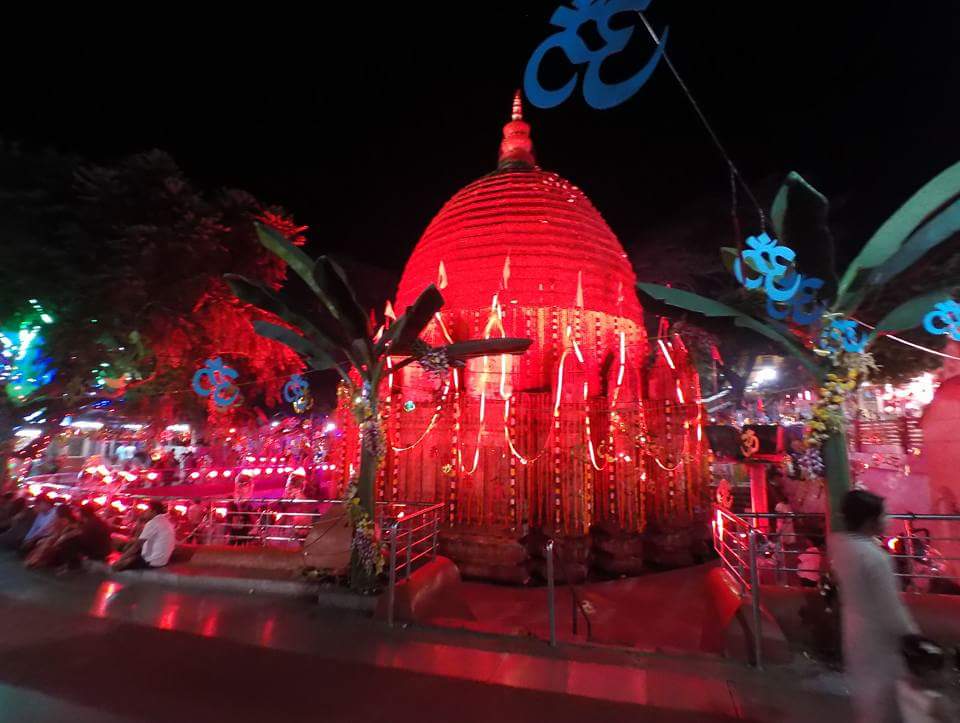
Kamakhya Temple
Kamakhya Temple on Nilachal Hill in Guwahati is one of the oldest and most revered centers of Tantric worship, dedicated to the goddess Kamakhya and recognized as one of the fou…
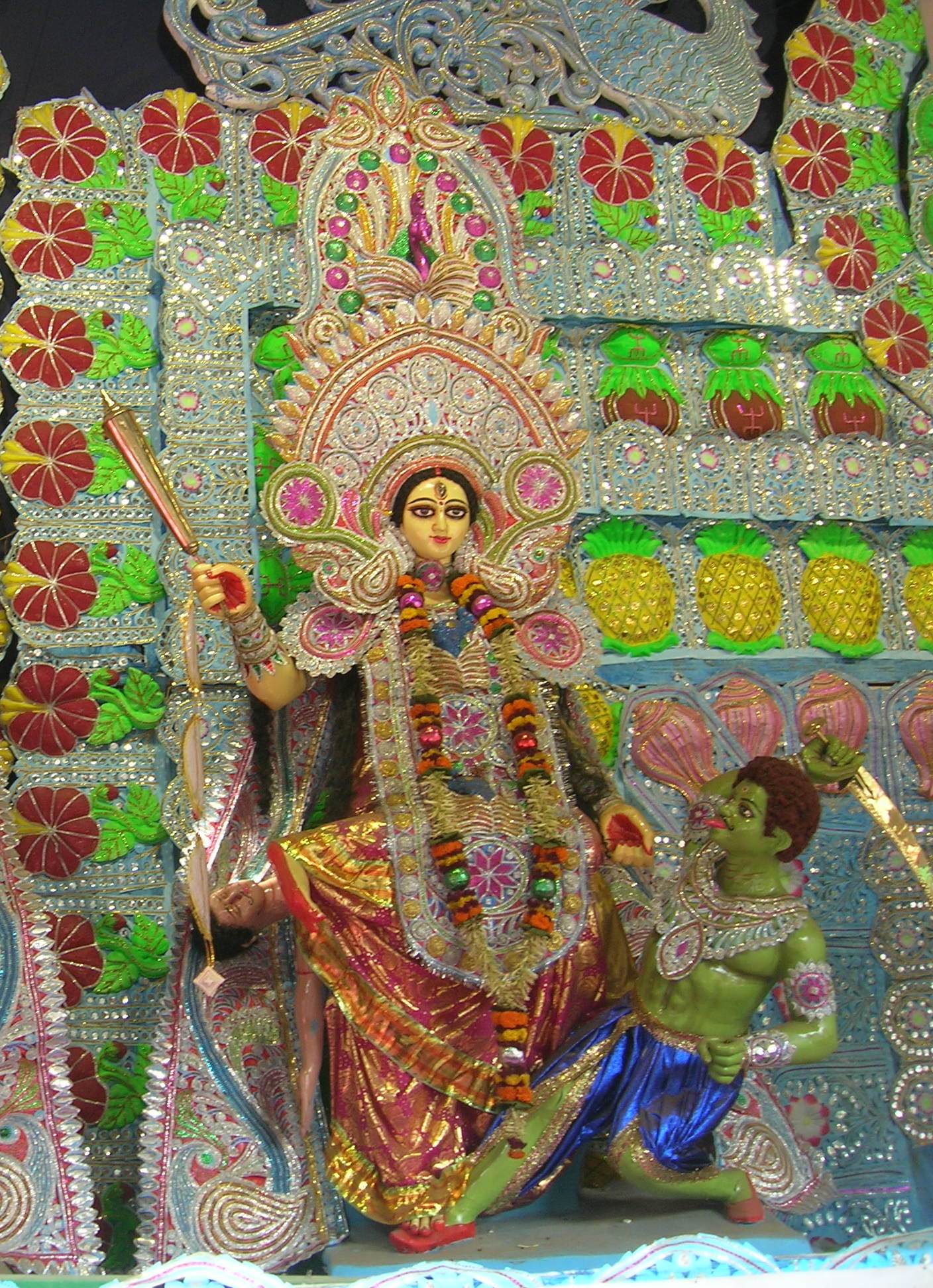
Maa Bagala
Maa Bagala is one of the principal Shakti Peethas enshrined within the Maa Kamakhya temple complex on Nilachal Hill in Guwahati, representing the fierce aspect of the divine fem…
Basistha Temple
Basistha Temple is a Shiva shrine located in southeastern Guwahati, Assam, revered for its connection to the sage Basistha and serving as a popular weekend pilgrimage destination.

Koliya Krishna Mandir
Hare Krishna Mandir in North Guwahati is a modern Krishna temple situated on the Brahmaputra's north bank, dedicated to Lord Krishna and affiliated with the International Societ…
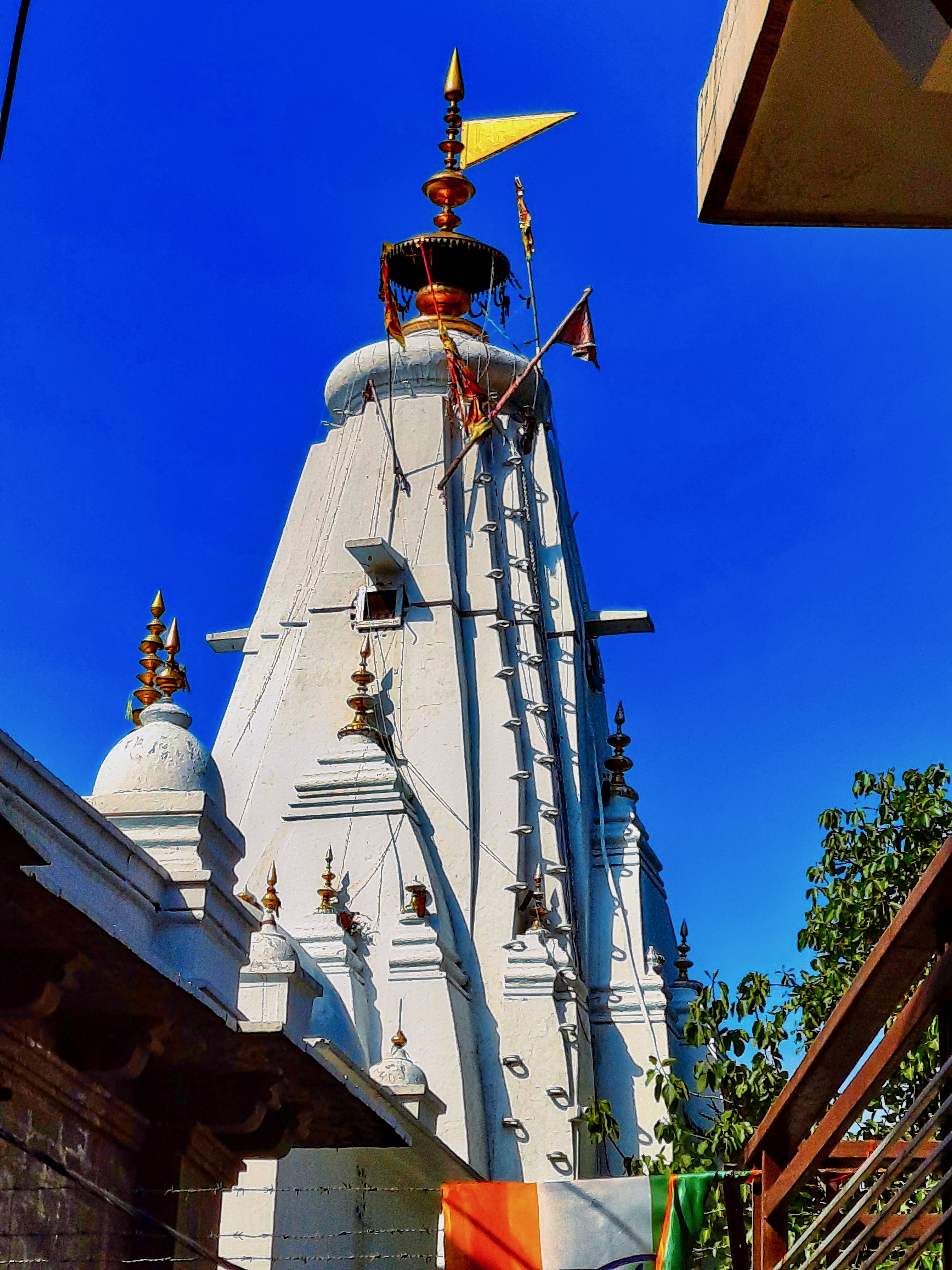
SHIV AND HANUMAN MANDIR
Shiv and Hanuman Mandir in Guwahati is a Hindu temple dedicated to both Lord Shiva and Lord Hanuman, serving as a spiritual center for daily worship and major festival celebrati…
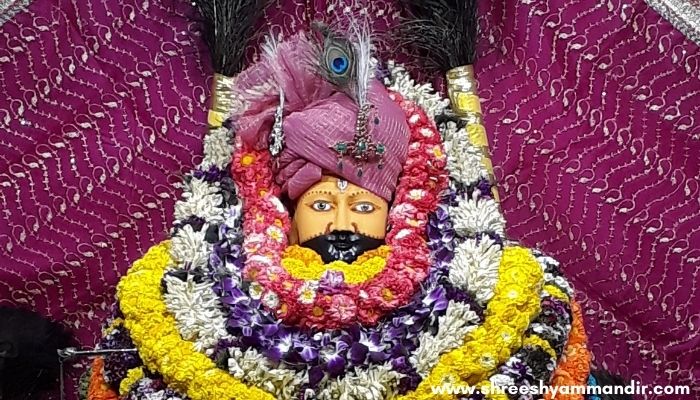
Shree Shyam Mandir, Guwahati
Shree Shyam Mandir in Guwahati's Chatribari district is a community-built temple dedicated to Khatushyamji (Shyam Baba) with multiple shrines to other deities. Established in 20…