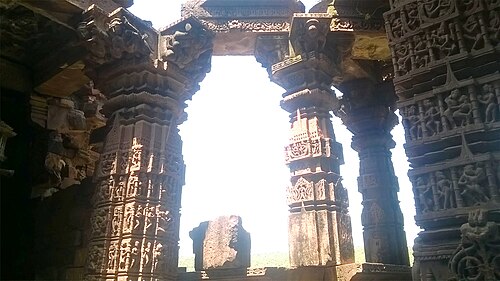
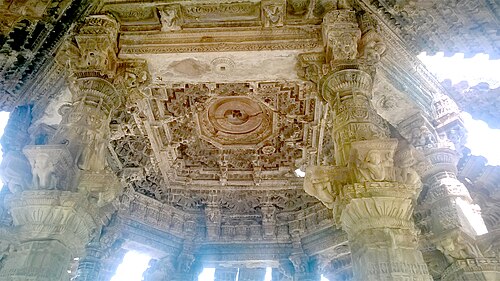
Bhand Deva Temple
About Bhand Deva Temple
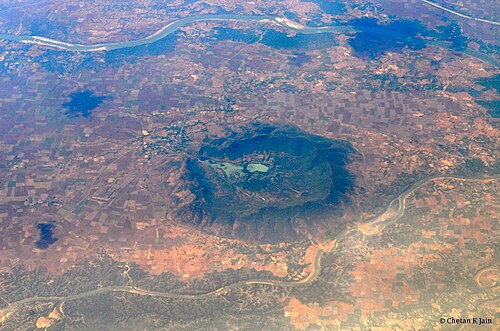
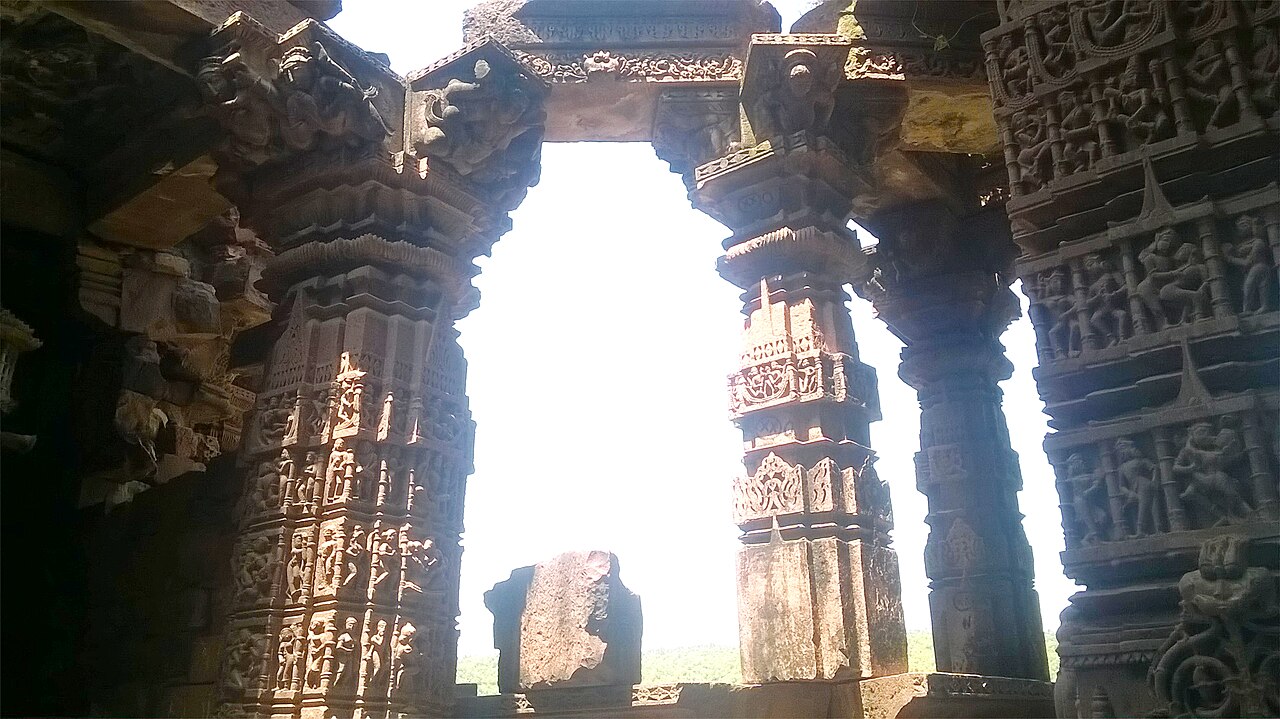
Two cave temples dedicated to Kisnai and Annapurna Devi are located on the upper reaches of Ramgarh hill. Access to these shrines requires climbing approximately 750 steps, constructed by Jhala Jalim Singh (also known as Jhalim Singh), who ruled the Jhalawara kingdom from 1771 until the arrival of British administration. The stairway ascent forms a significant part of the pilgrimage experience at this site. The two uphill deities are worshipped according to distinct practices: one receives offerings of grain (meva) while the other receives meat and alcohol (mas-madira). During the distribution of blessed food, a curtain is raised between the two shrines to maintain the separation of these ritual traditions.
Tantric Shaivism and Worship Practices
The temple is dedicated to the Tantric tradition of Shaivism, a philosophical and ritual approach that differs from mainstream Shaiva worship. Temples of this tradition typically incorporate esoteric symbolism and ritual practices that reflect non-dualistic philosophy. The dual worship of the two goddesses on the hilltop, each receiving different offerings according to their respective traditions, reflects this tantric framework. The temple remains an active place of worship, with regular observances maintained by devotees and the archaeological department.
Kartik Purnima Festival
A fair is organized at the temple during Kartik Purnima, the full moon in the Hindu month of Kartik (typically October or November). This festival draws devotees to the site for worship and celebration. The exact dates and specific rituals observed during this fair are not detailed in available sources, but the festival represents the primary annual gathering at the temple.
Visiting the Temple
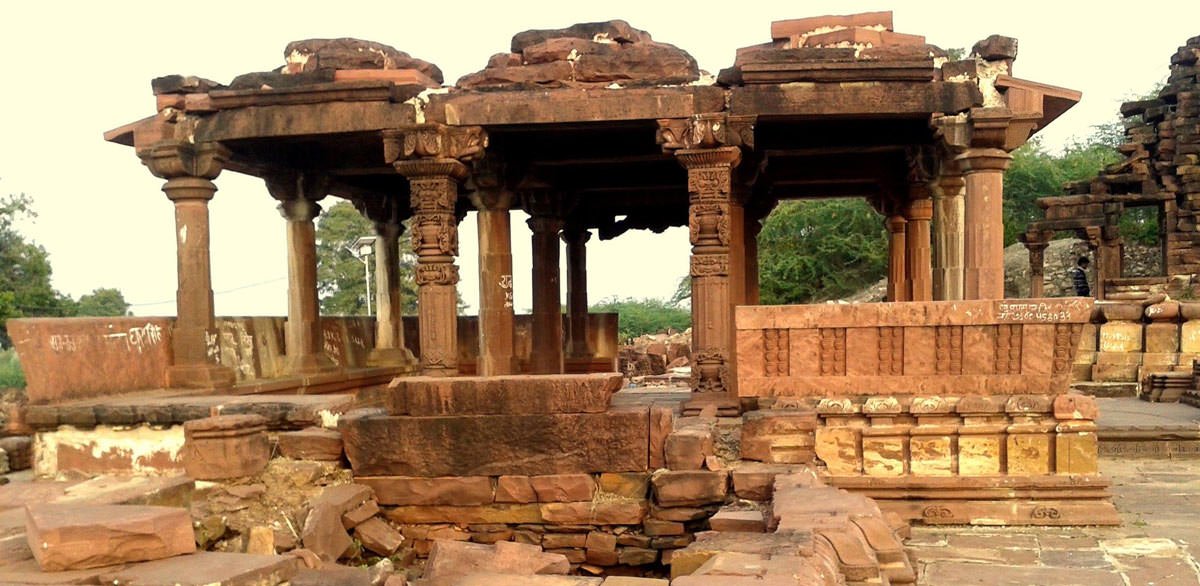
The temple is located in Ramgarh village within Mangrol tehsil of Baran district. Baran railway station lies approximately 25 kilometres away, with bus and taxi services available for the journey to the temple. The site is situated between Mangrol (15 kilometres to the west) and Kuno National Park (immediately to the east). Visitors should be prepared for the 750-step climb to reach the upper cave temples. Modest dress is appropriate when visiting Hindu temples. The temple is under archaeological protection, and visitors should respect any guidelines posted at the site regarding photography or access to particular areas. Water and shade may be limited on the hillside approach, so planning accordingly is advisable, particularly during warmer months.
How to reach
You may also visit
Kalyanji Temple
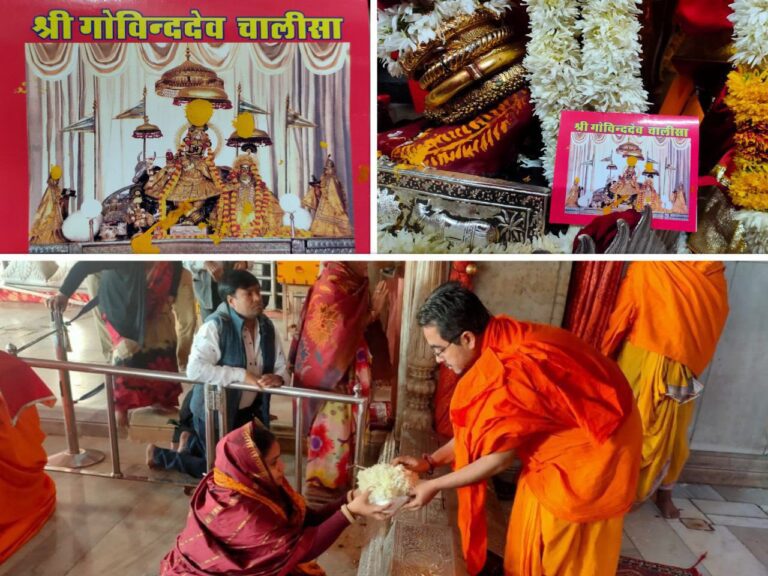
Kalyanji Temple in Jaipur's Chandpol Bazaar is approximately two centuries old and renowned for displaying the twenty-four avatars of Krishna, visible only twice yearly during Akha Teej and Patottsav festival.
Sastha (Ayyappan) Temple
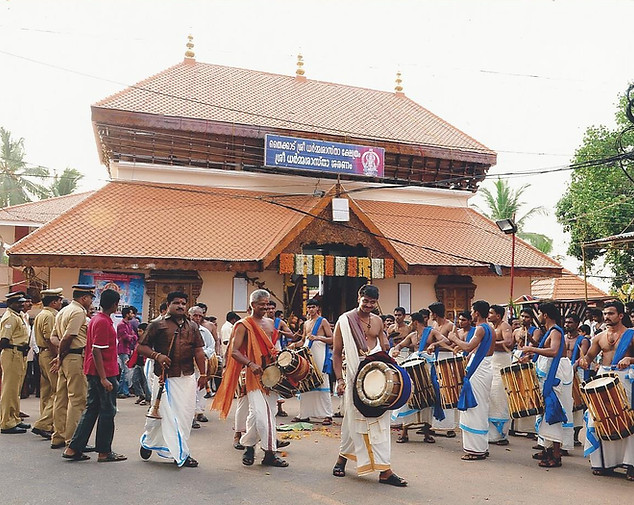
Sree Dharma Sastha Temple in Thycaud, Thiruvananthapuram, is a centuries-old shrine where the deity manifests as Dhanwanthari, the divine healer, holding the sacred blue lotus.
Govindarajaswamy Temple
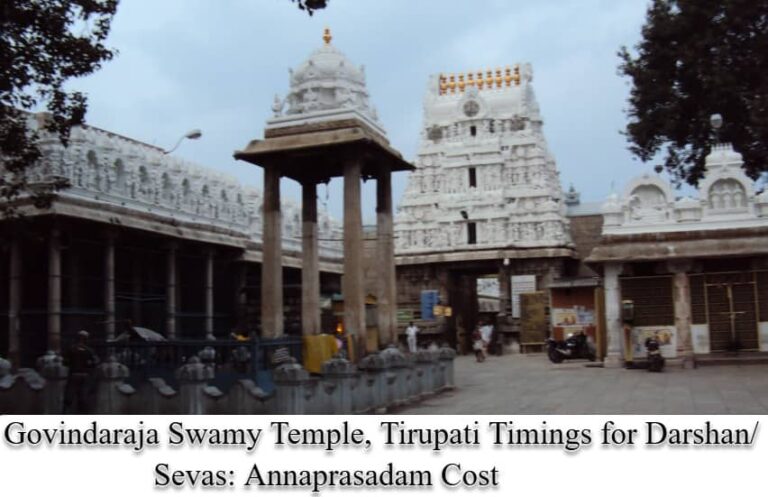
Sri Govindarajaswamy Temple in Tirupati is an ancient Vaishnavaite shrine consecrated in 1130 AD by Saint Ramanuja, where the presiding deity rests in eternal Yoga Nidra on the serpent Adisesha.