
Nageshvara-Chennakeshava Temple complex, Mosale
About Nageshvara-Chennakeshava Temple complex, Mosale
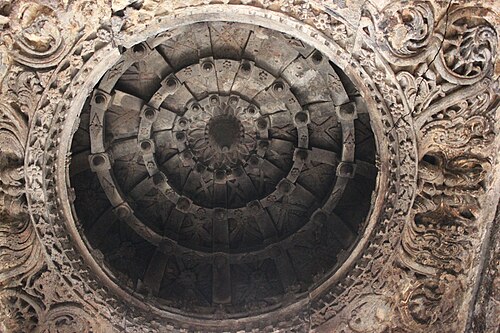
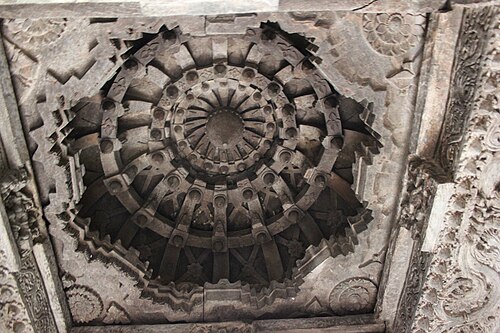
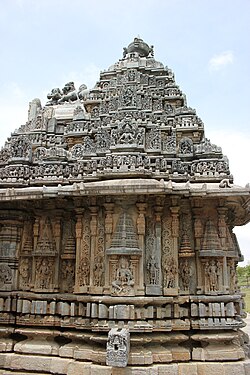
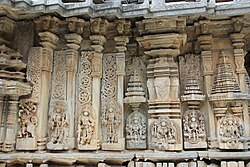
Built before 1250 CE, these temples exemplify the Hoysala architectural style at its height—a period when master builders synthesized knowledge from earlier traditions while establishing their own distinctive vocabulary of ornament. The most striking feature is the ornate stonework that covers the exterior surfaces, executed with the precision characteristic of Hoysala temples. What sets this complex apart is how the artisans (shilpins) integrated architectural innovations from the Chalukya era into the ceiling designs, demonstrating a continuity of technical knowledge across generations. The outer walls display both north Indian Bhumija and south Indian Vesara aedicules above the decorative panels, showcasing the architectural cross-currents of medieval South India. The stonework reveals its full complexity in natural light, making the quality of illumination a genuine consideration for visitors interested in architectural detail.
Visiting the Temple: Practical Information
Specific opening hours and contact details for the temple are not currently verified through available sources. Visitors planning a trip should inquire locally in Mosale village or contact Hassan District authorities for current access information and any restrictions. As with most Hindu temples, modest dress is expected, and footwear should be removed before entering the sanctum. Photography policies vary; it is respectful to request permission before photographing interior spaces or active ritual areas. The ornate stonework is best appreciated during morning or late afternoon hours when natural light brings out the detail and texture of the carved stone. Those traveling from Hassan city will find the temple approximately 10 kilometres to the south, accessible by road through the village setting.
Festivals and the Sacred Calendar
The temple observes major Hindu festivals throughout the year, including Maha Shivaratri, Navratri, Dussehra, and Diwali. Given the dual dedication to Shiva and Vishnu, both Shaiva and Vaishnava festivals likely receive observance, though the specific rituals and puja schedules for this particular temple are not documented in available sources. Devotees planning visits around festival periods should verify exact dates and any special ceremonies with local temple authorities, as festival observances can vary by location and year. The temple's position within Hassan District's broader landscape of Hoysala temples means that festival seasons may draw pilgrims and visitors to the region more broadly.
Understanding the Architecture in Context
For those with an interest in medieval South Indian temple architecture, the Nageshvara-Chennakeshava complex offers a concentrated study in how religious devotion and technical mastery converged in stone. The twin structures demonstrate how Hoysala builders adapted and refined earlier architectural traditions—particularly Chalukya innovations—while developing their own ornamental language. The integration of different regional architectural vocabularies (Bhumija and Vesara forms) on a single structure illustrates the cultural and technical exchanges that characterized the period. Visiting this complex as part of a broader tour of Hassan District's Hoysala heritage sites provides context for understanding how these temples functioned within a wider architectural and devotional landscape.
Location and Access
Mosale village is situated in Hassan District, Karnataka, approximately 10 kilometres south of Hassan city. The temple's coordinates are 12.9016°N, 76.1423°E. The village setting means that road access is the primary means of reaching the site. Visitors should plan their journey with reference to current road conditions and local transport options. Those traveling from further afield may find it practical to visit this temple as part of a broader tour of Hassan District's temples, many of which represent the same Hoysala architectural tradition and period.
How to reach
Temples near Nageshvara-Chennakeshava Temple complex, Mosale
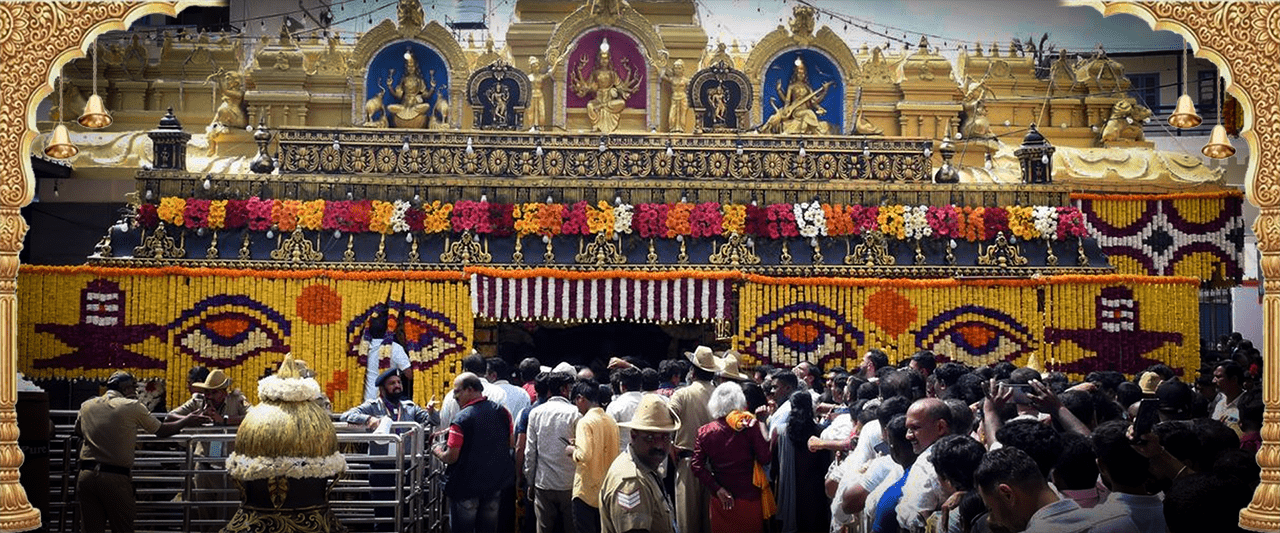
Hasanamba temple
Hasanamba Temple in Hassan district, Karnataka, is dedicated to Goddess Shakti and opens to the public only once yearly during Deepavali. The 12th-century shrine draws over 25 l…

Chennakesava temple, Anekere
Chennakeshava Temple in Belur, Hassan District, Karnataka, is a masterpiece of Hoysala architecture commissioned by King Vishnuvardhana in 1117 CE, renowned for its intricate sc…
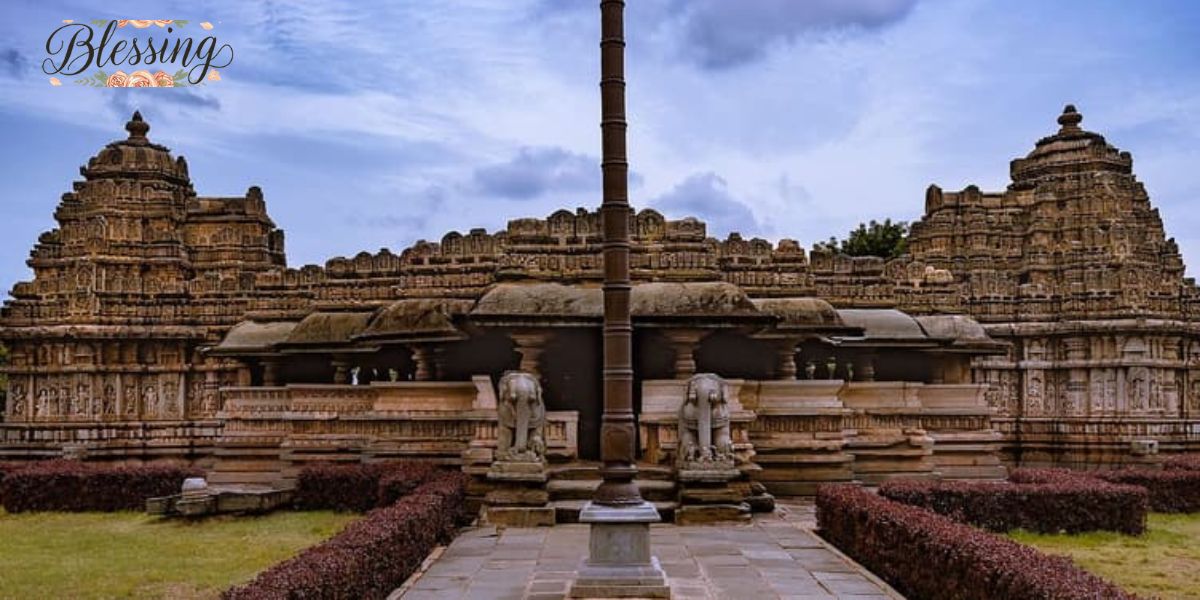
Chennakesava temple, Channarayapatna
Chennakeshava Temple in Belur is a UNESCO World Heritage Site commissioned by King Vishnuvardhana in 1117 CE, showcasing masterful Hoysala architecture completed over 103 years.…
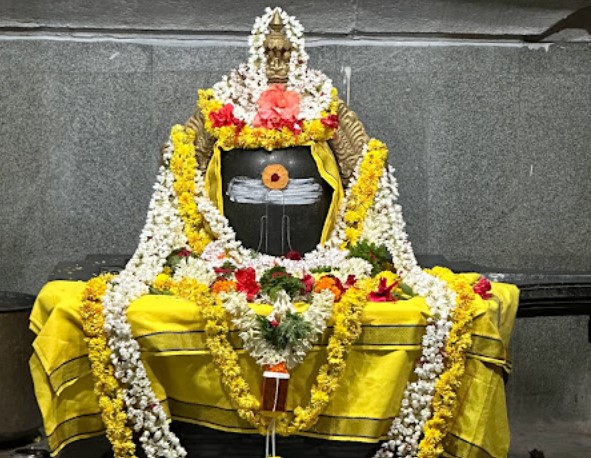
Brahmeshvara Temple, Kikkeri
A 12th-century Hoysala-style temple dedicated to Shiva in Kikkeri village, Mandya district, Karnataka. Completed in 1171 AD, it integrates Shaivism, Vaishnavism, and Shaktism tr…
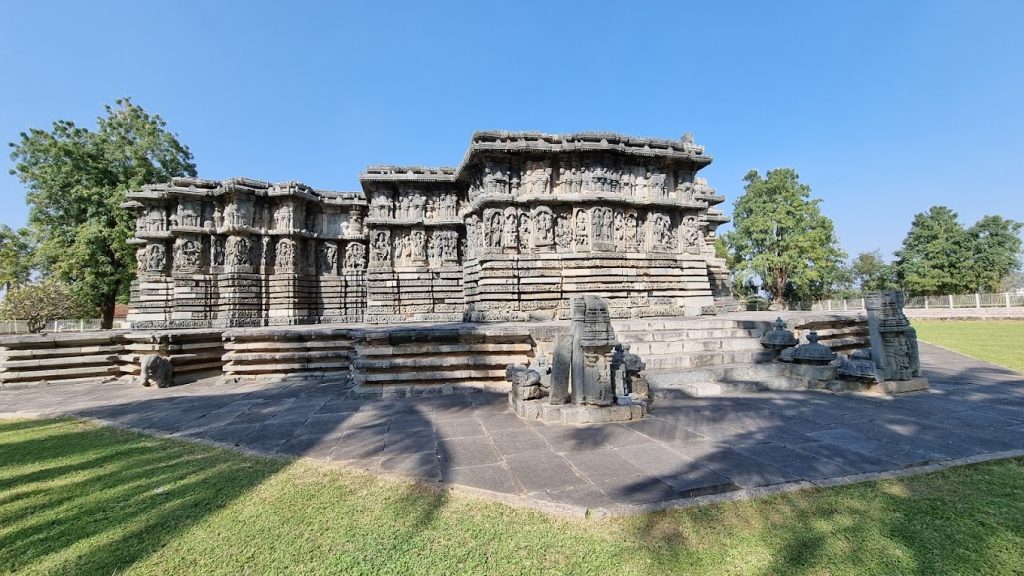
Kedareswara temple, Halebidu
Kedareshwara Temple is a 12th-13th century Hoysala-era shrine in Halebidu dedicated to Lord Shiva (Ishwara), constructed by King Veera Ballala II and Queen Ketaladevi. The templ…
Lakshmi Narasimha Temple, Nuggehalli
A 13th-century Hoysala temple in Nuggehalli, Hassan district, housing three shrines dedicated to Keshava, Lakshmi Narasimha, and Venugopala. Built in 1246 CE, it stands as a Mon…