Kedareshvara Temple, Balligavi
About Kedareshvara Temple, Balligavi
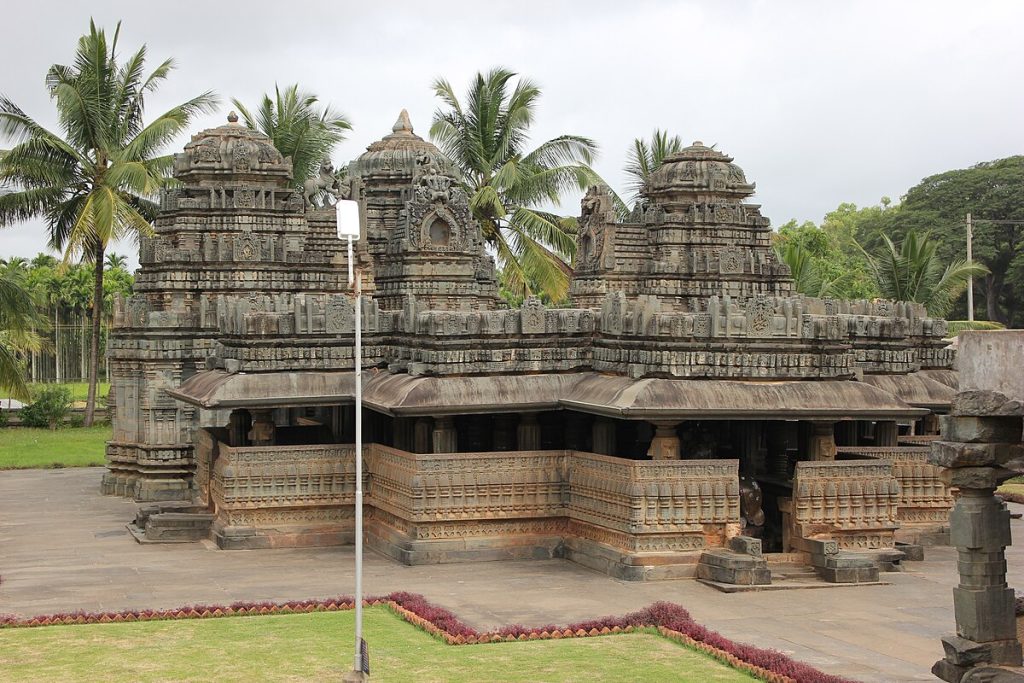
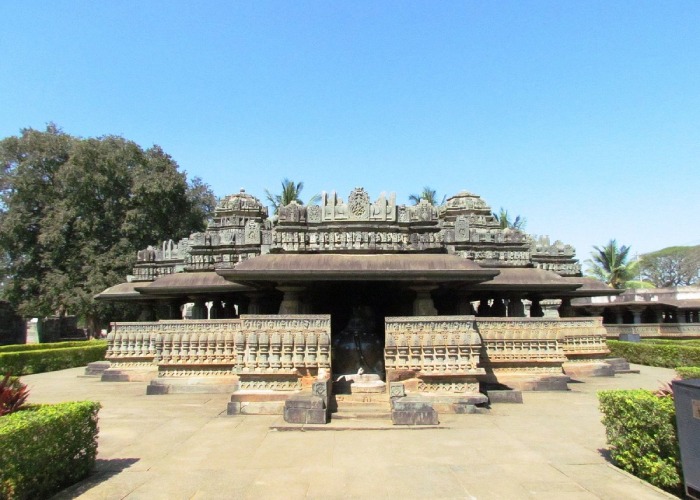
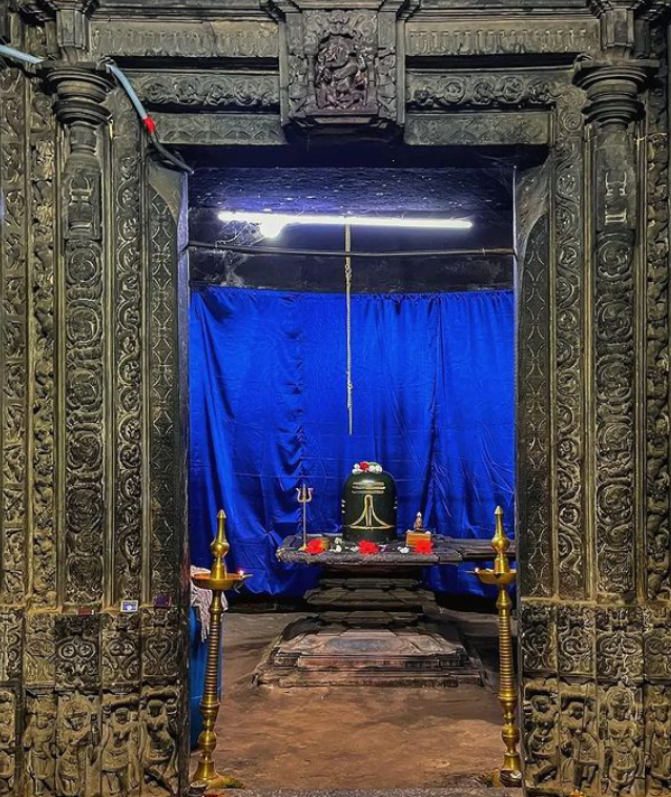
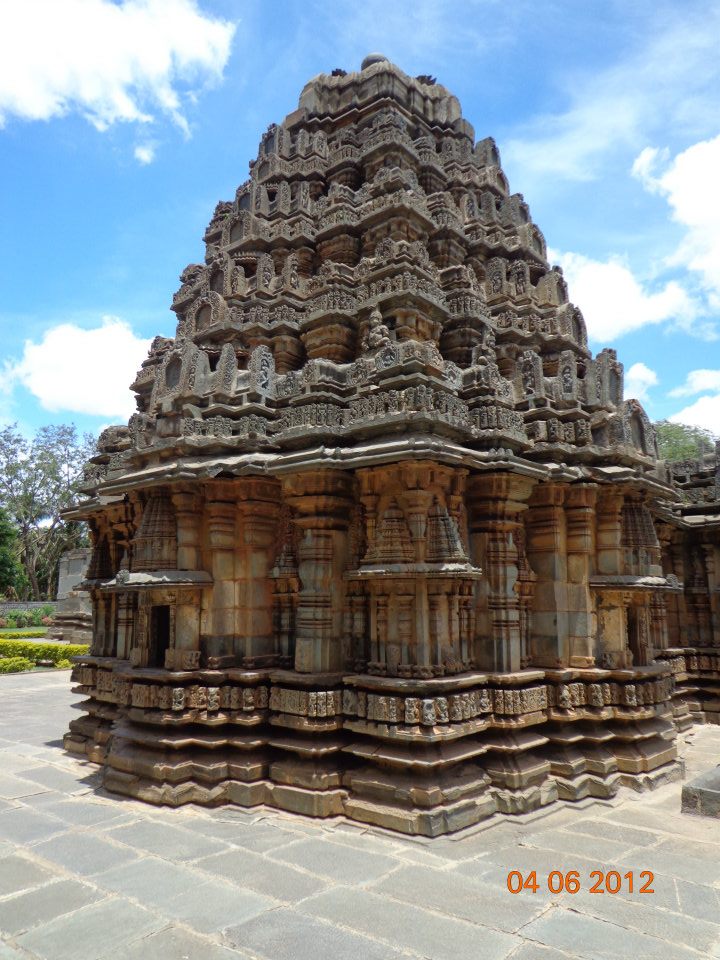
The temple is constructed entirely of soapstone, a material that allowed craftsmen to achieve fine detail in carving while remaining durable enough to withstand centuries of exposure. Art historian Adam Hardy classifies the architectural style as "Later Chalukya, non-mainstream, relatively close to mainstream," reflecting a period of stylistic transition. The Archaeological Survey of India identifies the design as distinctly Hoysala in character, marking the temple as an example of the architectural vocabulary that the Hoysala dynasty would develop and refine in subsequent centuries.
The use of soapstone and the specific design choices visible in the temple's structure offer insights into the building practices and aesthetic preferences of the late 11th century in this region. Visitors with an interest in medieval architecture will find the temple's construction techniques and decorative elements worth careful observation.
Visiting Hours and Practical Information
The temple is open daily for darshan from 7:00 am to 6:00 pm. The best times to visit are during the cooler months from November to February, with early morning hours—either 5:00 to 8:00 am or 8:00 am to 12:00 pm—offering a more comfortable experience and fewer crowds.
The temple is located at Balligavi, Shikaripura, Shimoga district, Karnataka 577428. For enquiries, visitors can contact the temple at 07729093417. As the site is protected by the Archaeological Survey of India, visitors should treat it with appropriate respect for both its religious and historical significance.
Dress and Temple Etiquette
Visitors should dress modestly, following the conventions observed at Hindu temples. Women typically wear salwar kameez, sarees, or other conservative clothing that covers the shoulders and knees. Men should wear shirts and trousers or traditional dress. Shoes must be removed before entering the sanctum, as is customary in Shaivite temples throughout South India.
As an active place of worship as well as a protected monument, the temple requires visitors to be mindful of ongoing rituals and the devotion of worshippers present. Photography policies and restrictions on entry to certain areas should be confirmed with temple staff upon arrival.
Worship and Ritual Practice
As a Shiva temple, the Kedareshvara follows the ritual traditions typical of Shaivite worship in South India. Devotees offer prayers and perform circumambulation around the sanctum as acts of devotion. While specific details of the daily puja schedule are not fully documented in available sources, temples of this tradition typically conduct worship at dawn and dusk, with additional rituals throughout the day.
Visitors may participate in darshan—the viewing of the deity—during the posted hours. Those wishing to perform specific pujas or rituals should enquire directly at the temple, as arrangements and availability may vary.
Historical Context
Balligavi's significance as a centre of learning is evident in its designation as an agrahara—a settlement established to support scholars and learned Brahmins. The medieval inscriptions referring to the town as "Anadi Rajadhani" speak to its antiquity and importance. The Kedareshvara Temple is one of several monuments that reflect this heritage, standing as a physical record of the intellectual and religious life that flourished here during the 11th and 12th centuries.
The temple's construction during the late 11th century places it at a moment of transition in the region's political history, when the Hoysalas were consolidating their power as feudatories of the Western Chalukya Empire. The temple thus documents not only religious practice but also the patronage networks and dynastic ambitions that shaped medieval Karnataka.
How to reach
Temples near Kedareshvara Temple, Balligavi
Kaitabheshvara Temple, Kubatur
The Kaitabheshvara Temple in Kubatur, Shimoga district, is an early 12th-century shrine built during the Hoysala period, featuring distinctive Later Chalukya architectural eleme…
Chandragutti Renukamba Temple
Chandragutti Renukamba Temple is an ancient cave shrine dedicated to Goddess Renukamba, carved into natural rock formations on a forested hill near Soraba in Shivamogga district…
Marikamba Temple, Sagara
Marikamba Temple in Sagara, Karnataka, is a 16th-century shrine dedicated to goddess Marikamba Devi, who served as the family deity of the Nayakas of Keladi. The temple draws de…

Aghoreshvara Temple, Ikkeri
Aghoreshvara Temple in Ikkeri is a significant Vijayanagara-period shrine dedicated to Lord Shiva, built by the Keladi Nayakas and recognized as an ASI-protected monument. The t…
Tarakeshwara Temple, Hangal
The Tarakeshwara Temple in Hangal, Karnataka, is an ancient Hindu sanctuary dedicated to Lord Shiva, renowned for its exquisite Vesara architecture and the celebrated 'Lotus of…
Siddhesvara Temple
The Siddhesvara Temple in Haveri, Karnataka is a sophisticated example of Western Chalukyan architecture from the late 11th to 12th century, distinguished by its westward orient…