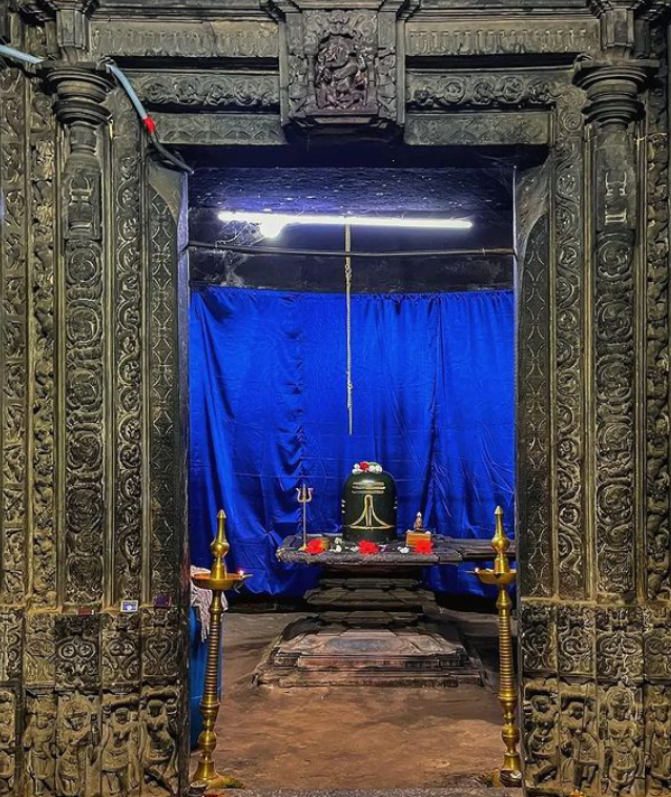
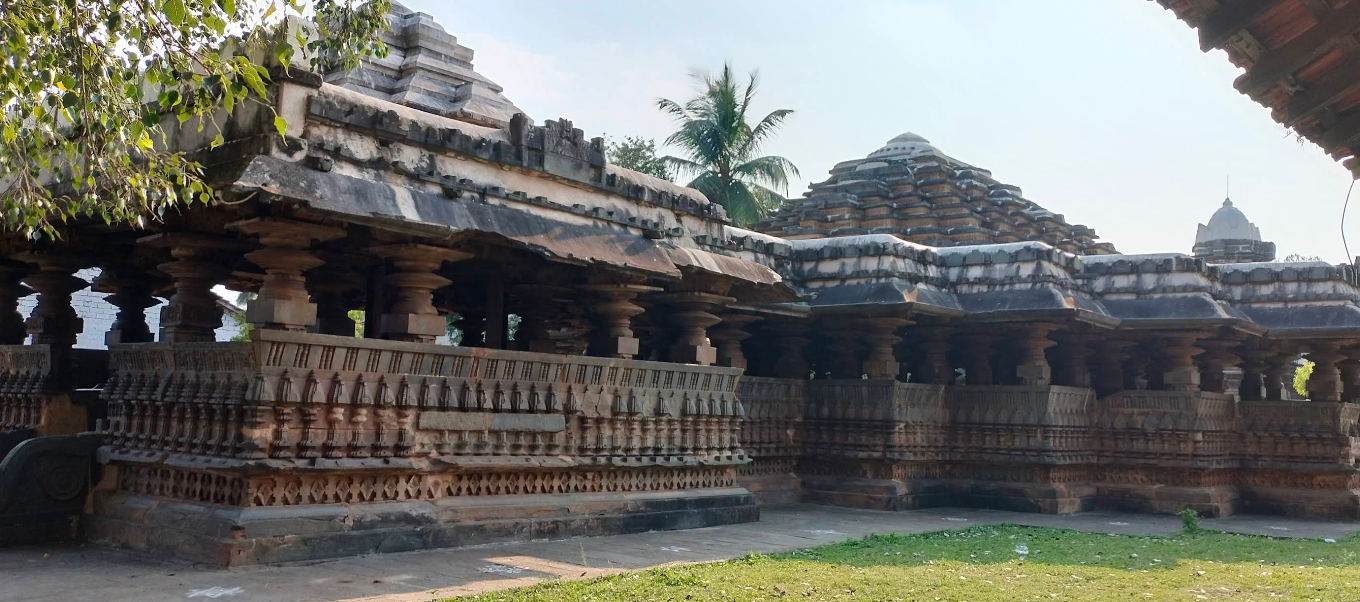
Tarakeshwara Temple, Hangal
About Tarakeshwara Temple, Hangal
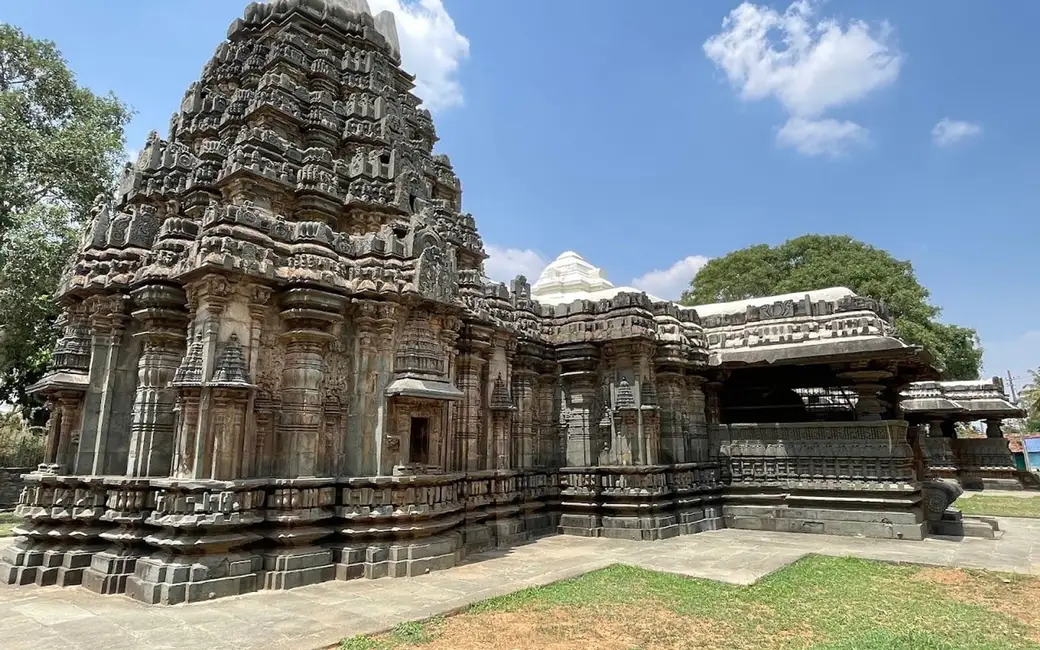
Construction of the Tarakeshwara Temple began during the 5th century CE under the Kadamba dynasty. Over subsequent centuries, the Hoysalas and the Kalyani Chalukyas (Western Chalukyas) made significant architectural contributions, with the most notable work occurring between the 10th and 12th centuries. This layered history means the temple embodies multiple dynasties' artistic and spiritual visions, each leaving its mark on the structure. The temple is now protected as a monument by the Archaeological Survey of India, ensuring its preservation for future generations.
Visiting the Temple: Hours, Rituals, and Etiquette
The temple opens daily from 8:00 AM to 8:00 PM, allowing devotees to visit throughout the day. Poojas and ritual worship are conducted in Kannada and Sanskrit. Special poojas and decorations (alankaras) are performed during Maha Shivaratri and other festivals dedicated to Shiva. Darshan—the viewing of the deity—is free for all visitors.
For those planning a visit, early mornings between 5:00 and 8:00 AM offer a quieter atmosphere, as do evening hours when the aarti (ritual of light) takes place. The winter months from November through February provide pleasant weather for exploration. Maha Shivaratri, which falls in February or March depending on the lunar calendar, draws devotees for special observances. Visitors should dress modestly when entering the sanctum, and it is customary to remove shoes before approaching the inner shrine. Photography is permitted for personal use, though tripods and flash may be restricted near sculptural details. Commercial or professional photography requires prior permission from the ASI or local authorities.
Reaching Hangal
Hangal is accessible by multiple transport routes. The nearest airport is at Hubballi, approximately 75 kilometres away. By rail, Haveri station lies about 40 kilometres from Hangal; from there, visitors can hire a taxi or board a local bus to reach the town. Karnataka State Road Transport operates bus services connecting Hangal to Hubballi, Haveri, and surrounding districts, with the Hangal Bus Stand situated very close to the temple itself, making arrival straightforward for those travelling by road.
Planning Your Visit
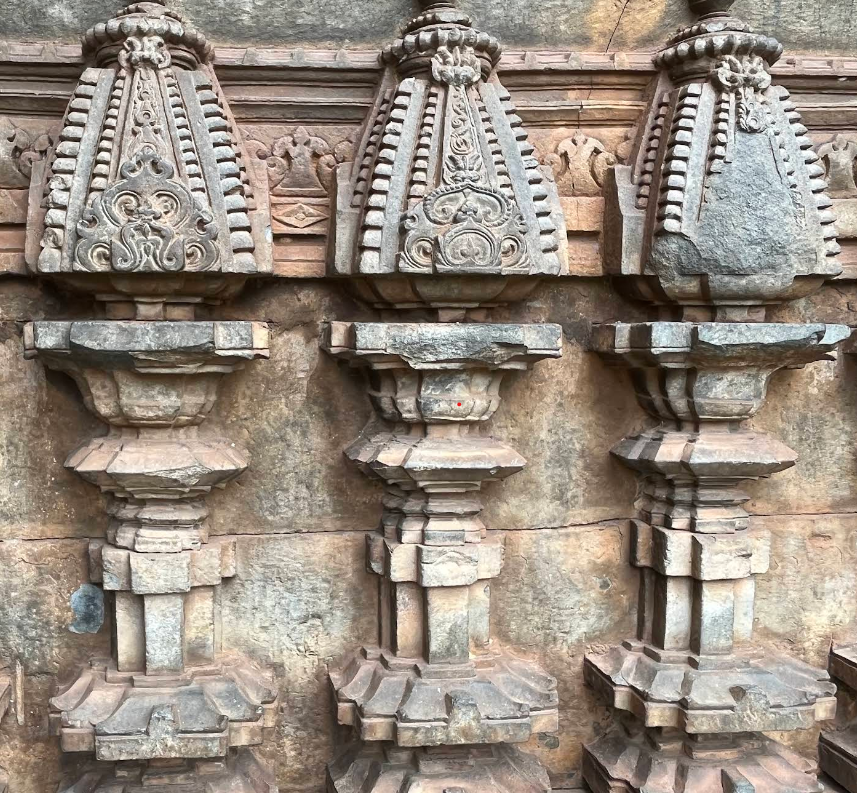
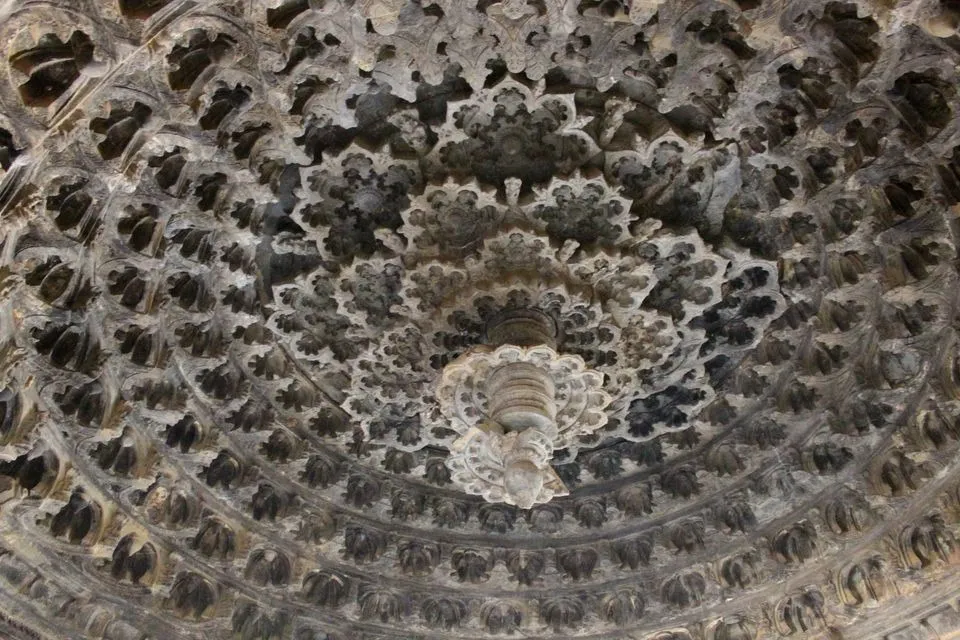
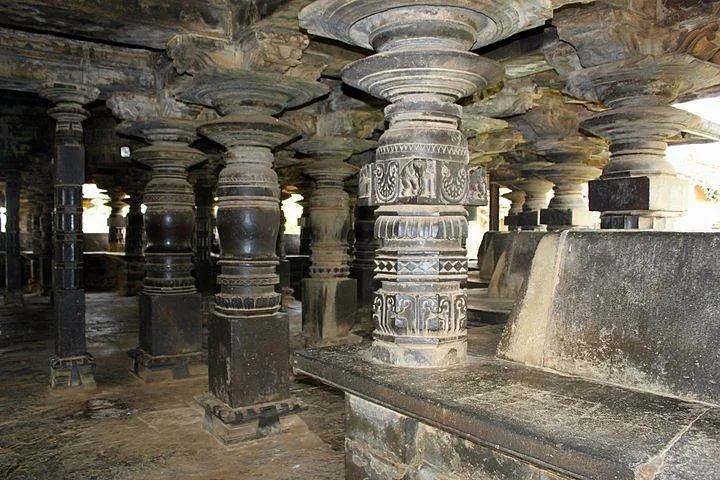
The best time to visit is during the cooler months of November through February, when the climate is most comfortable for walking and exploring the temple's architectural details. Early morning hours between 5:00 and 8:00 AM offer a contemplative atmosphere, while evening aarti provides an opportunity to witness ritual worship. Those with particular interest in Chalukya architecture or stone carving will find the temple's sculptural programme rewarding. Allow time to study the pillar capitals and the celebrated lotus ceiling, which represent the artistic sophistication of medieval Karnataka. The temple's location near the river and bus stand makes it easy to combine a visit with exploration of other sites in Haveri district.
How to reach
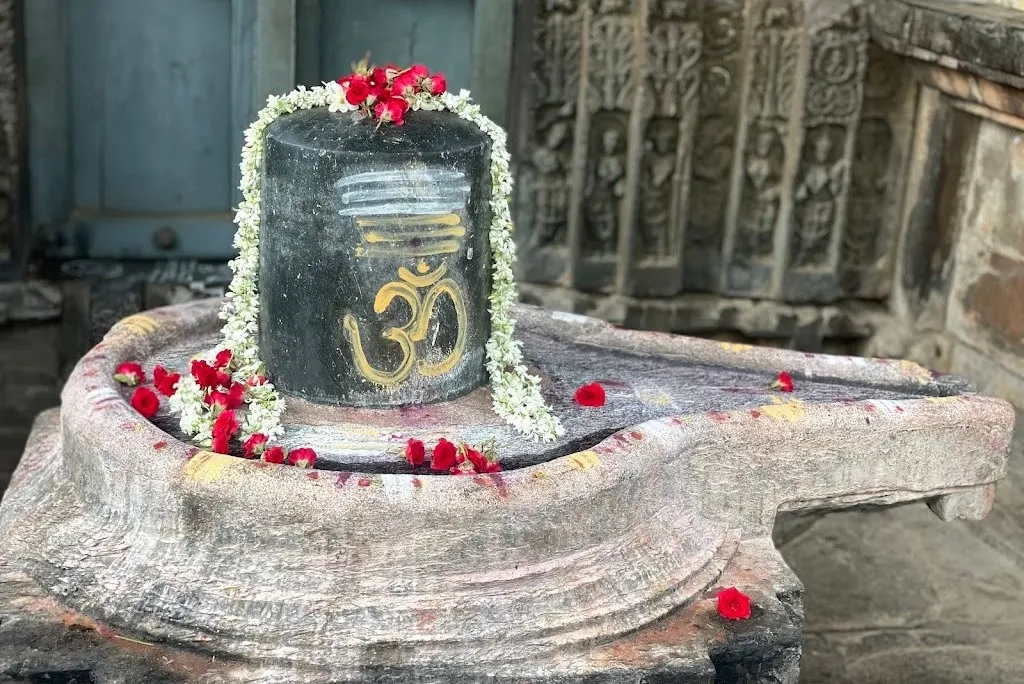

You may also visit
Kalyanji Temple
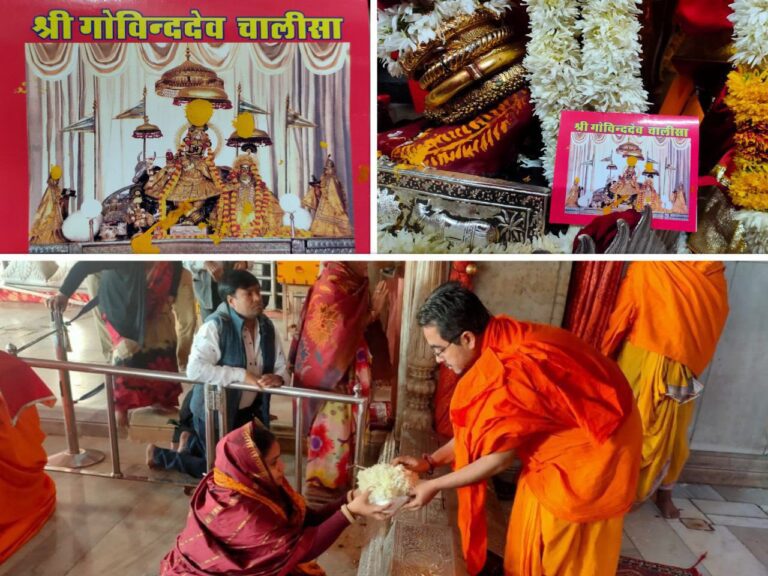
Kalyanji Temple in Jaipur's Chandpol Bazaar is approximately two centuries old and renowned for displaying the twenty-four avatars of Krishna, visible only twice yearly during Akha Teej and Patottsav festival.
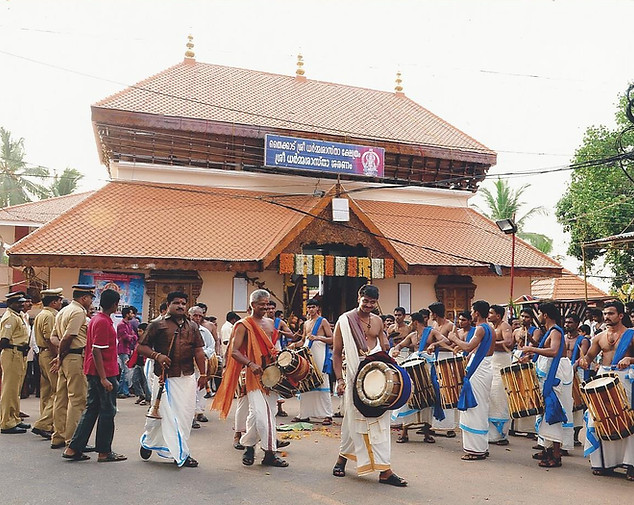
Sastha (Ayyappan) Temple
Sree Dharma Sastha Temple in Thycaud, Thiruvananthapuram, is a centuries-old shrine where the deity manifests as Dhanwanthari, the divine healer, holding the sacred blue lotus.

Govindarajaswamy Temple
Sri Govindarajaswamy Temple in Tirupati is an ancient Vaishnavaite shrine consecrated in 1130 AD by Saint Ramanuja, where the presiding deity rests in eternal Yoga Nidra on the serpent Adisesha.