Siddhesvara Temple
About Siddhesvara Temple
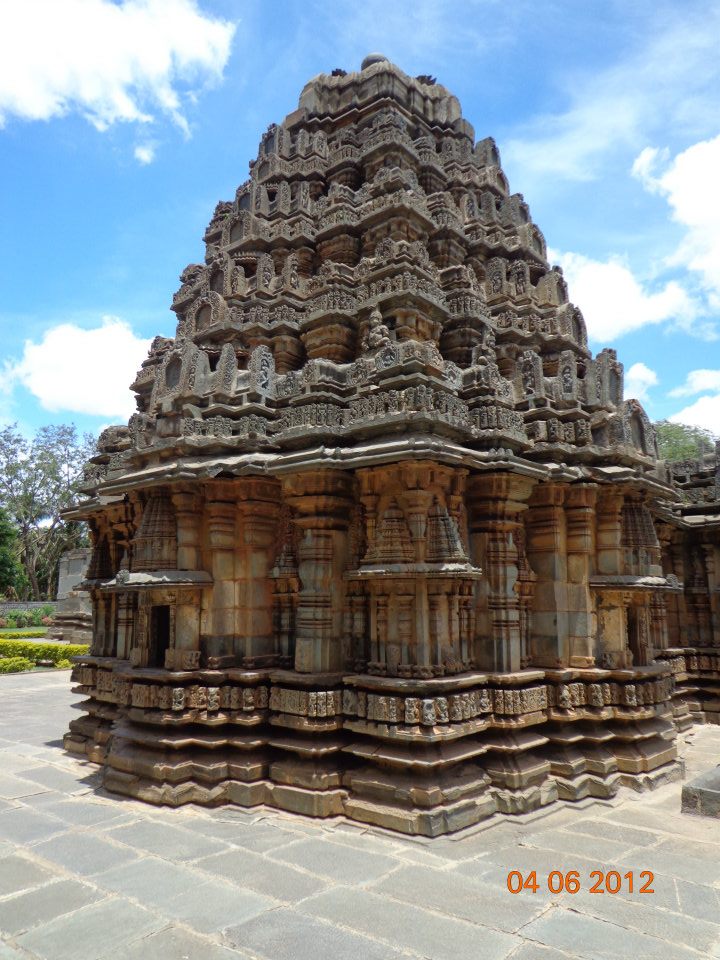
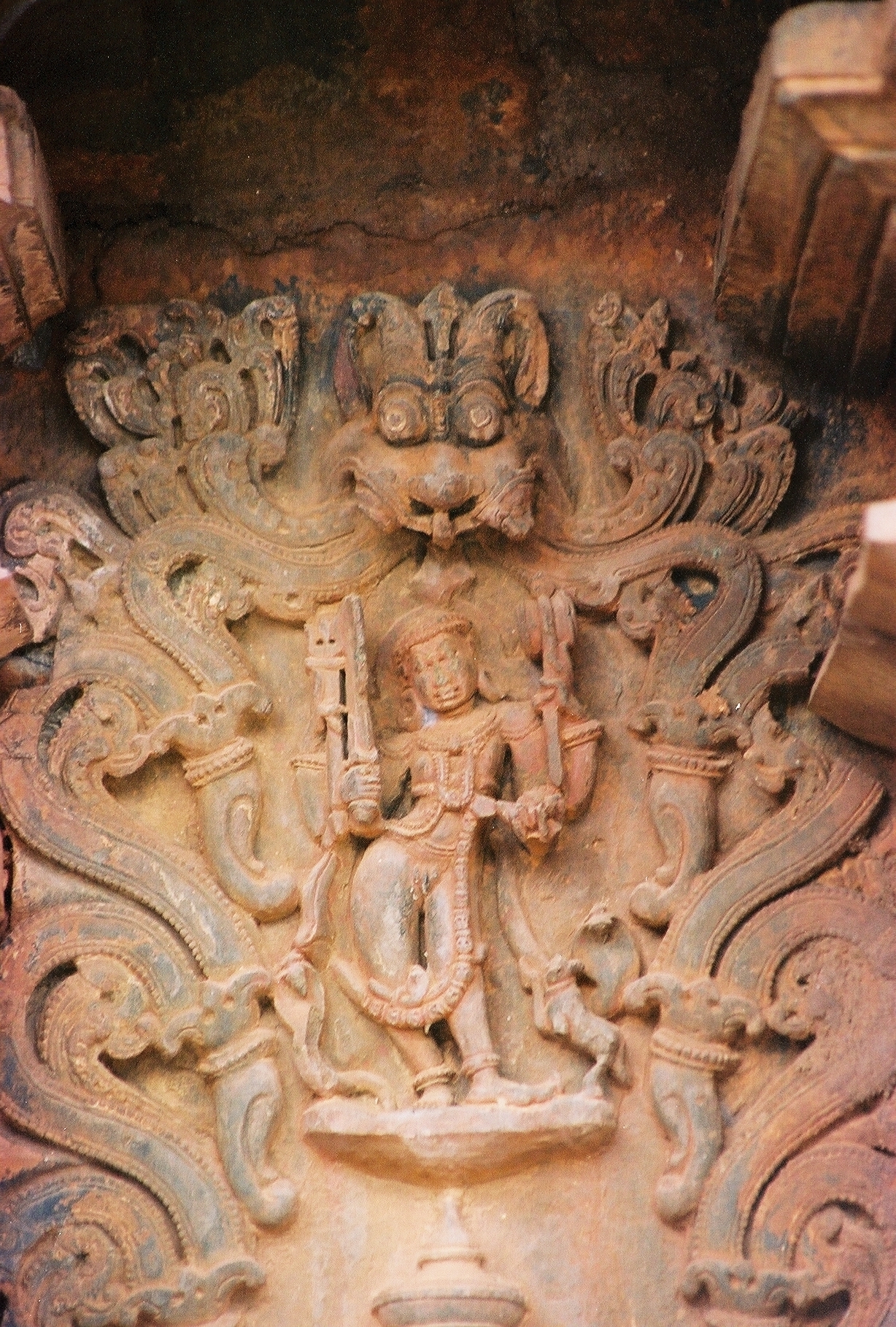
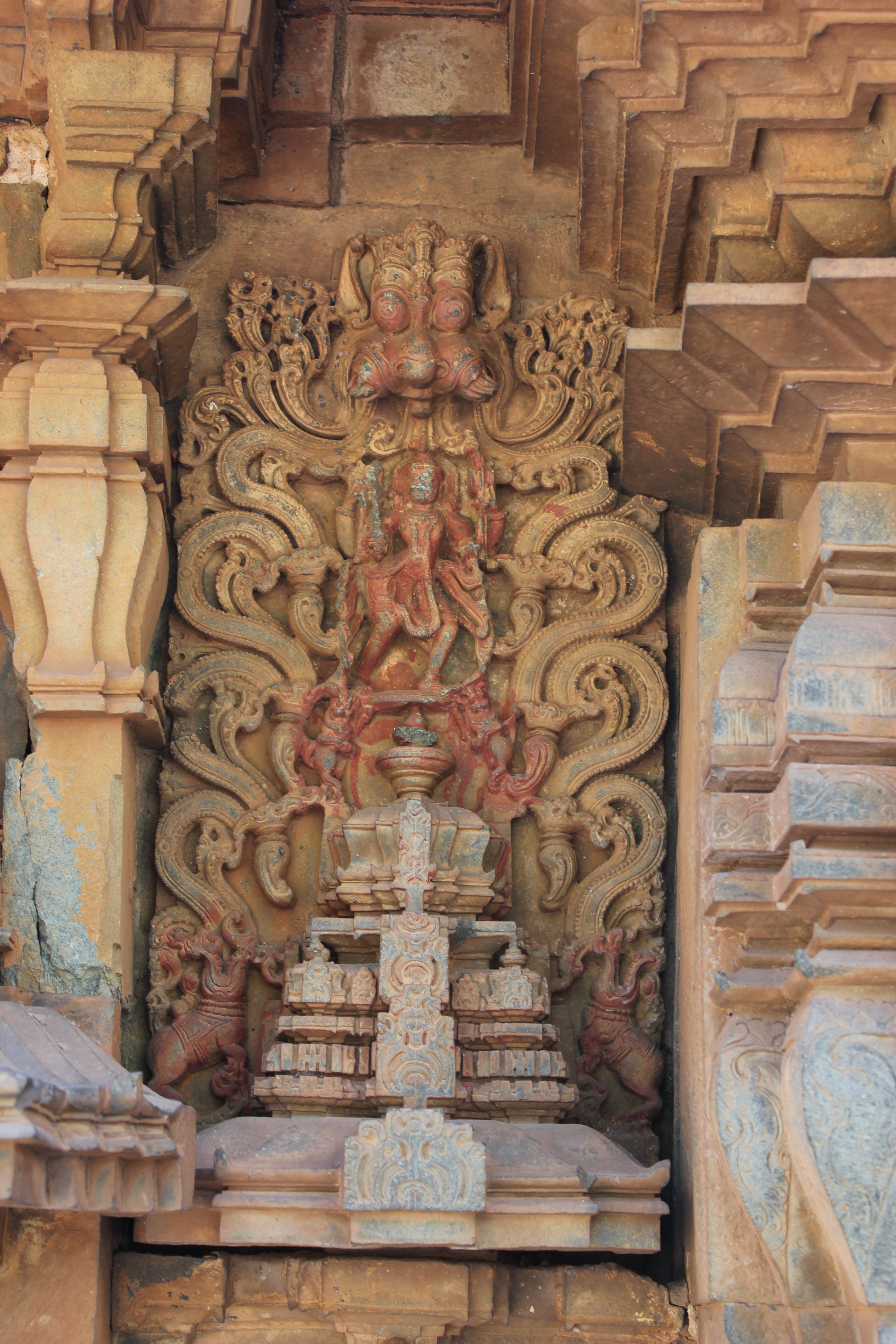
Visitors will encounter a temple whose interior contains numerous stone sculptures of Hindu deities, many no longer fixed to their original positions. These loose pieces represent an important collection of 11th- and 12th-century sculptural work, though their current arrangement differs from the temple's original design. The sculptures offer material evidence of the artistic ambitions and religious concerns of the Chalukyan period.
The temple's architectural form and sculptural program reflect the sophisticated stone-carving traditions of the Western Chalukyas. While the full extent of the original decorative scheme remains obscured by time and weathering, the surviving sculptures and structural elements convey the scale and craftsmanship invested in the temple's construction.
Visiting the Temple
The temple is located in Haveri, a town in Haveri district in northern Karnataka. Visitors should approach the site with the respect appropriate to an active place of worship. As a Shaiva temple, standard conventions of Hindu temple etiquette apply: removal of footwear before entering the sanctum, modest dress, and respectful behavior during any rituals or prayers in progress.
The temple's current condition reflects its age and the effects of weathering. Visitors interested in the sculptural program should allow time to examine the loose pieces carefully, as these fragments constitute much of the temple's surviving artistic heritage. Photography policies should be confirmed with temple authorities before visiting.
Getting There
Haveri is located in Karnataka's northern districts and is accessible by road from major towns in the region. The temple's precise coordinates (14.79055556, 75.41083333) can be used with mapping applications to plan travel routes. Local inquiry in Haveri will direct visitors to the temple's location within the town.
What Remains Unknown
Scholars and visitors should be aware that significant questions about this temple remain unresolved. The original dedicatory deity, the specific sect or community that established the temple, and the full extent of its original sculptural and architectural program are not documented in available sources. The westward orientation, while documented, lacks a clear historical explanation. These gaps in knowledge do not diminish the temple's significance as a surviving example of Chalukyan religious architecture, but they do mean that a visit here offers encounter with genuine historical mystery rather than a fully narrated story.
How to reach
You may also visit
Kalyanji Temple
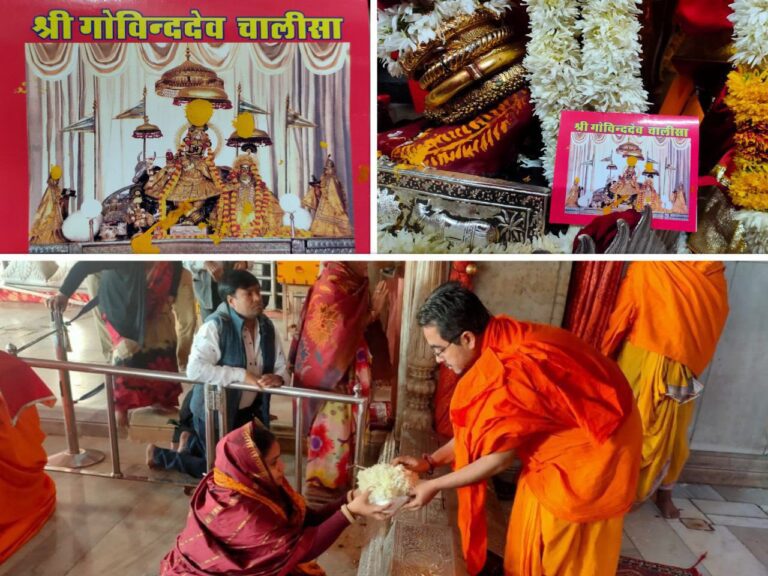
Kalyanji Temple in Jaipur's Chandpol Bazaar is approximately two centuries old and renowned for displaying the twenty-four avatars of Krishna, visible only twice yearly during Akha Teej and Patottsav festival.
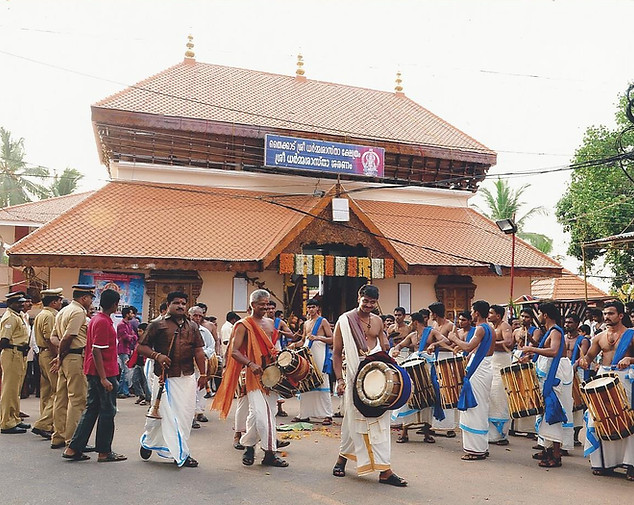
Sastha (Ayyappan) Temple
Sree Dharma Sastha Temple in Thycaud, Thiruvananthapuram, is a centuries-old shrine where the deity manifests as Dhanwanthari, the divine healer, holding the sacred blue lotus.
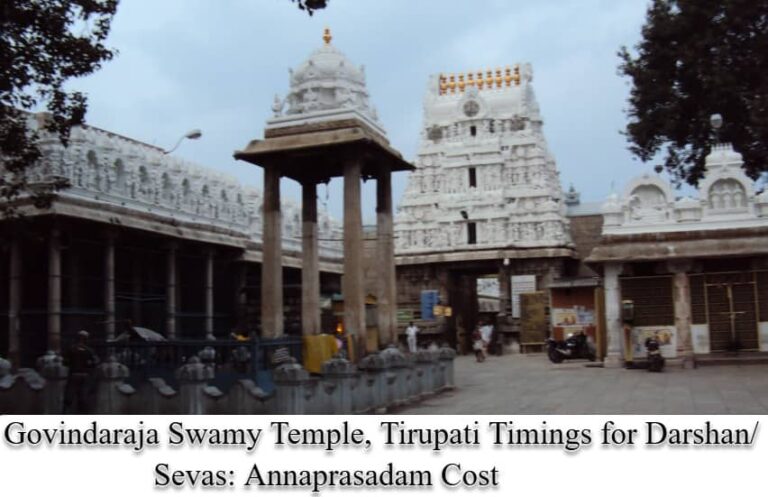
Govindarajaswamy Temple
Sri Govindarajaswamy Temple in Tirupati is an ancient Vaishnavaite shrine consecrated in 1130 AD by Saint Ramanuja, where the presiding deity rests in eternal Yoga Nidra on the serpent Adisesha.