

Aghoreshvara Temple, Ikkeri
About Aghoreshvara Temple, Ikkeri
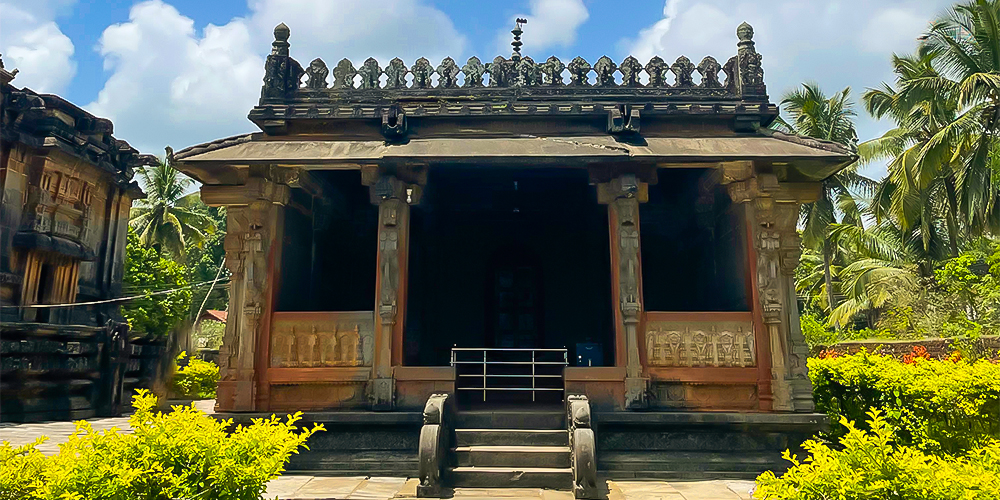
The temple was built during the Vijayanagara period and is closely connected to the history of Ikkeri village itself. The village name derives from Kannada, referring to "two streets," and served as the second capital for the Keladi Nayakas, a ruling dynasty of the era. The Nayakas were instrumental in the temple's construction and patronage, reflecting the architectural and religious priorities of their time. Today, the Archaeological Survey of India maintains the temple as a protected monument, ensuring its preservation for future generations.
Architecture: Stone, Carving, and Influence
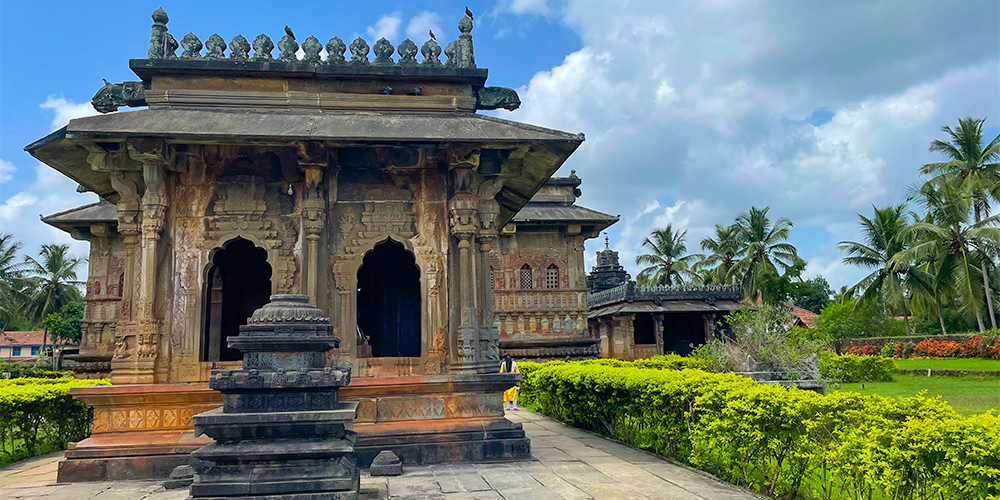
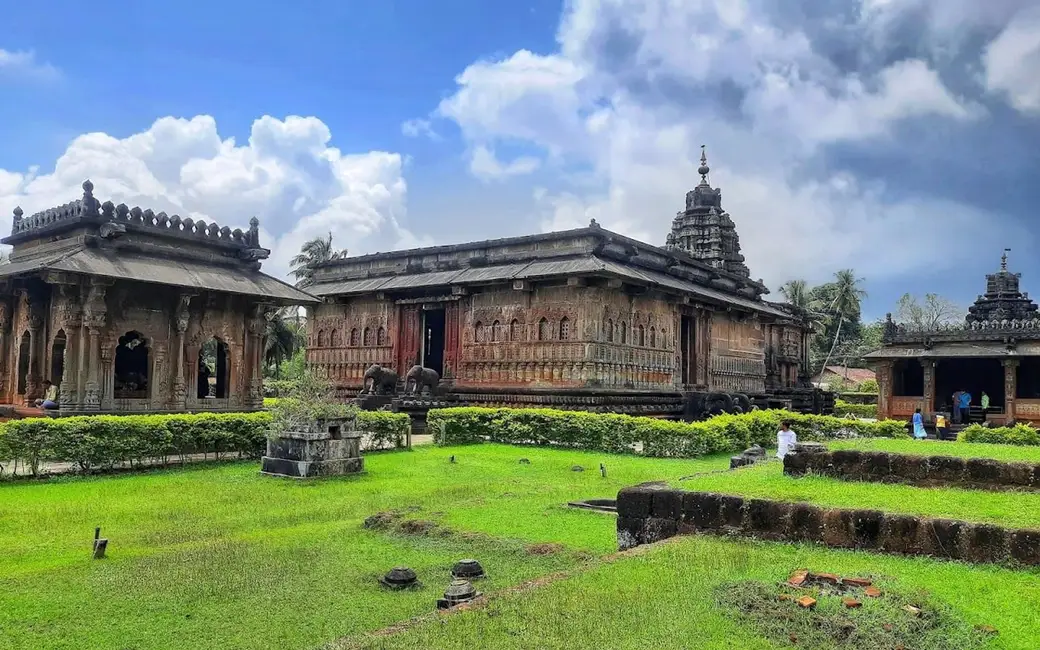
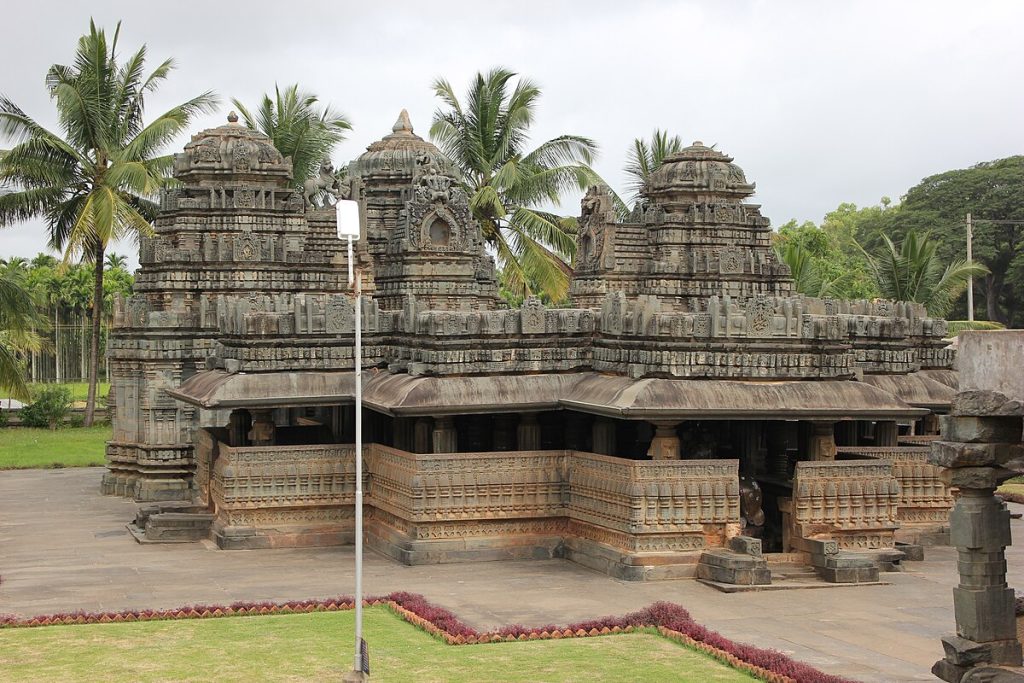
The temple complex presents a striking blend of architectural traditions. Built primarily from granite, the structure occupies a rectangular layout positioned on slightly elevated ground. The architectural style combines Hoysala-Dravidian elements with touches of Vijayanagara design, creating a distinctive visual character. The arches of the Nandi pavilion—the structure housing the bull, Shiva's sacred mount—display Indo-Islamic stylistic features, evidence of the architectural cross-currents that shaped 16th-century construction in the region.
The temple's surfaces are densely carved with figures: Hindu deities, ordinary people, dancing girls, and imaginary creatures populate the walls, ceilings, and pillars. These sculptures retain distinct coloration in red, brown, and green. Among the carved details is a notable mythological scene on the outer wall's left side, depicting a scorpion and two lizards separated by a thin line on the ceiling. Local tradition holds that should these lizards cross the dividing line, the world's functioning would cease—a poetic expression of cosmic balance rendered in stone. The carving throughout demonstrates skilled craftsmanship and engineering, with intricate detail evident in every section of the complex.
Daily Worship and Visiting
The temple opens daily from 8:00 AM to 6:00 PM, welcoming visitors throughout these hours. Poojas and rituals are conducted in Kannada, with light prasadam distributed following the main daily worship. The temple does not operate a regular annadanam (community meal) service. Darshan is offered freely to all visitors regardless of background.
The early morning hours between 5:00 and 8:00 AM provide an especially serene atmosphere for worship, when the temple is less crowded and the light is soft. Visitors should dress modestly, covering shoulders and knees, as is customary at Hindu temples. Shoes are typically removed before entering the inner sanctum. Photography policies may vary; it is respectful to ask permission before photographing the deity or ritual spaces.
Seasons and Festivals
Winter months from November through February offer pleasant weather for visiting, with comfortable temperatures and clear skies. The monsoon season from June through September brings a different quality to the experience, with lush surroundings and a contemplative atmosphere. The temple observes major festivals including Maha Shivaratri, the significant annual celebration dedicated to Lord Shiva, which draws devotees seeking special darshan and participating in extended worship.
Reaching Ikkeri
Ikkeri village is located in Shivamogga district, Karnataka, in southern India. The temple's precise coordinates are 14.13525005, 75.02268046, which can assist with navigation using GPS or mapping applications. Visitors should plan their journey to arrive within the temple's operating hours and allow adequate time for darshan, particularly during peak visiting periods in early morning or festival occasions.
How to reach
Temples near Aghoreshvara Temple, Ikkeri
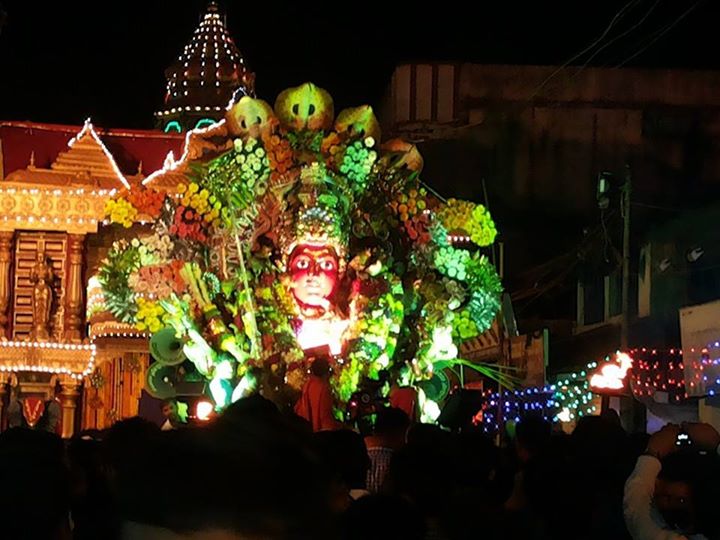
Marikamba Temple, Sagara
Marikamba Temple in Sagara, Karnataka, is a 16th-century shrine dedicated to goddess Marikamba Devi, who served as the family deity of the Nayakas of Keladi. The temple draws de…
Chandragutti Renukamba Temple
Chandragutti Renukamba Temple is an ancient cave shrine dedicated to Goddess Renukamba, carved into natural rock formations on a forested hill near Soraba in Shivamogga district…
Kedareshvara Temple, Balligavi
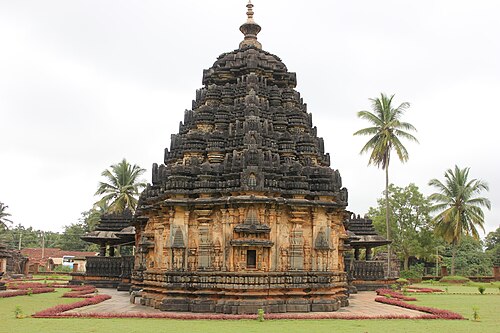
The Kedareshvara Temple in Balligavi is an 11th-century shrine dedicated to Lord Shiva, built during the Western Chalukya period and later enhanced by the Hoysalas. Constructed…
Kaitabheshvara Temple, Kubatur
The Kaitabheshvara Temple in Kubatur, Shimoga district, is an early 12th-century shrine built during the Hoysala period, featuring distinctive Later Chalukya architectural eleme…
Gude Mahalingeswara Temple
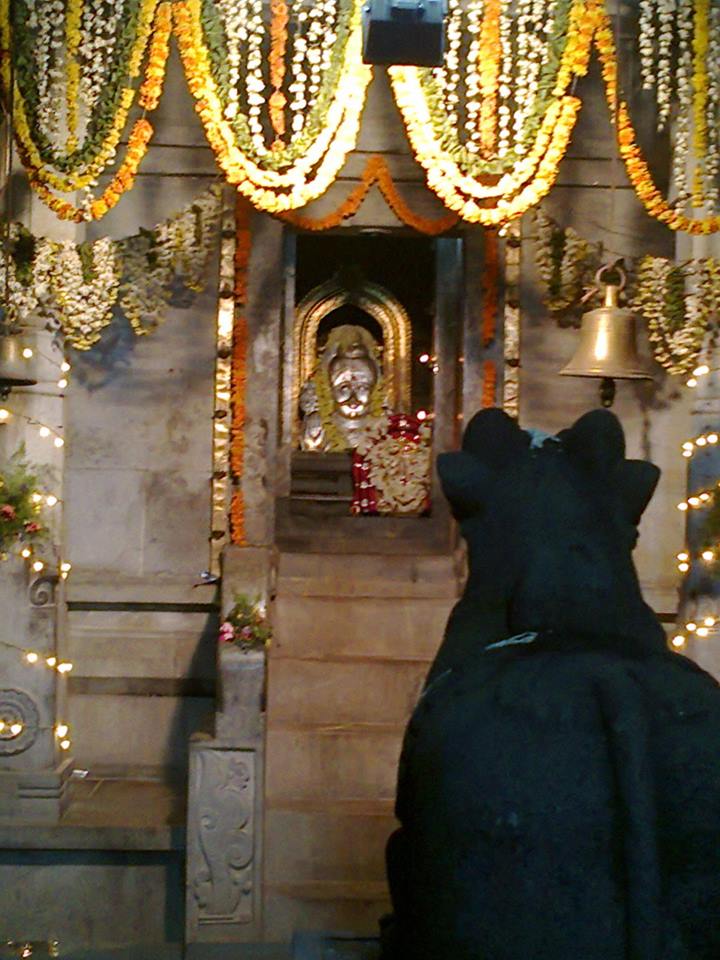
Sri Gude Mahalingeswara Temple is an ancient Shiva shrine in Herenjalu, Udupi district, Karnataka, where the deity is worshipped through the sacred lingam. The temple features t…
Sirsi Marikamba Temple
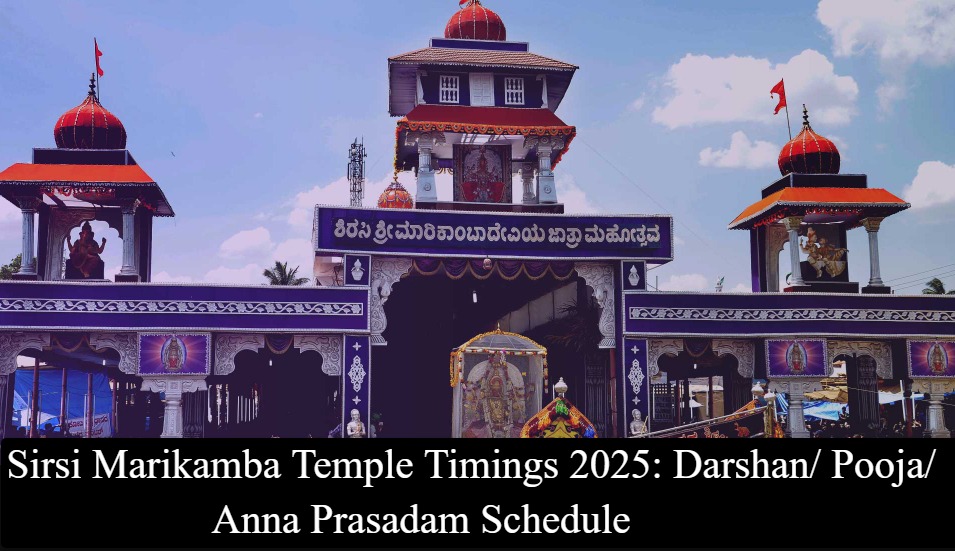
Sirsi Marikamba Temple, established in 1688, is a revered Hindu shrine dedicated to Marikamba Devi in Karnataka, regarded as the elder sister of all Durga manifestations in the…