Kaitabheshvara Temple, Kubatur
About Kaitabheshvara Temple, Kubatur
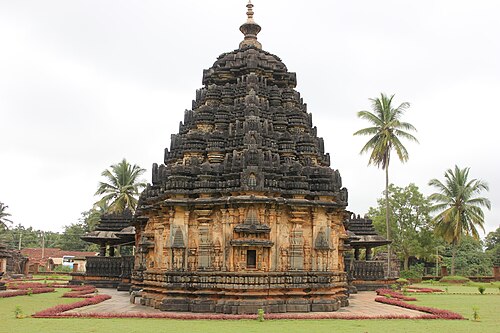
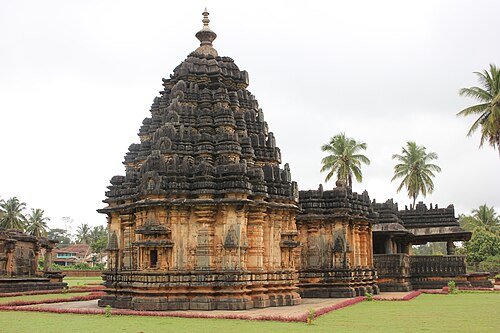
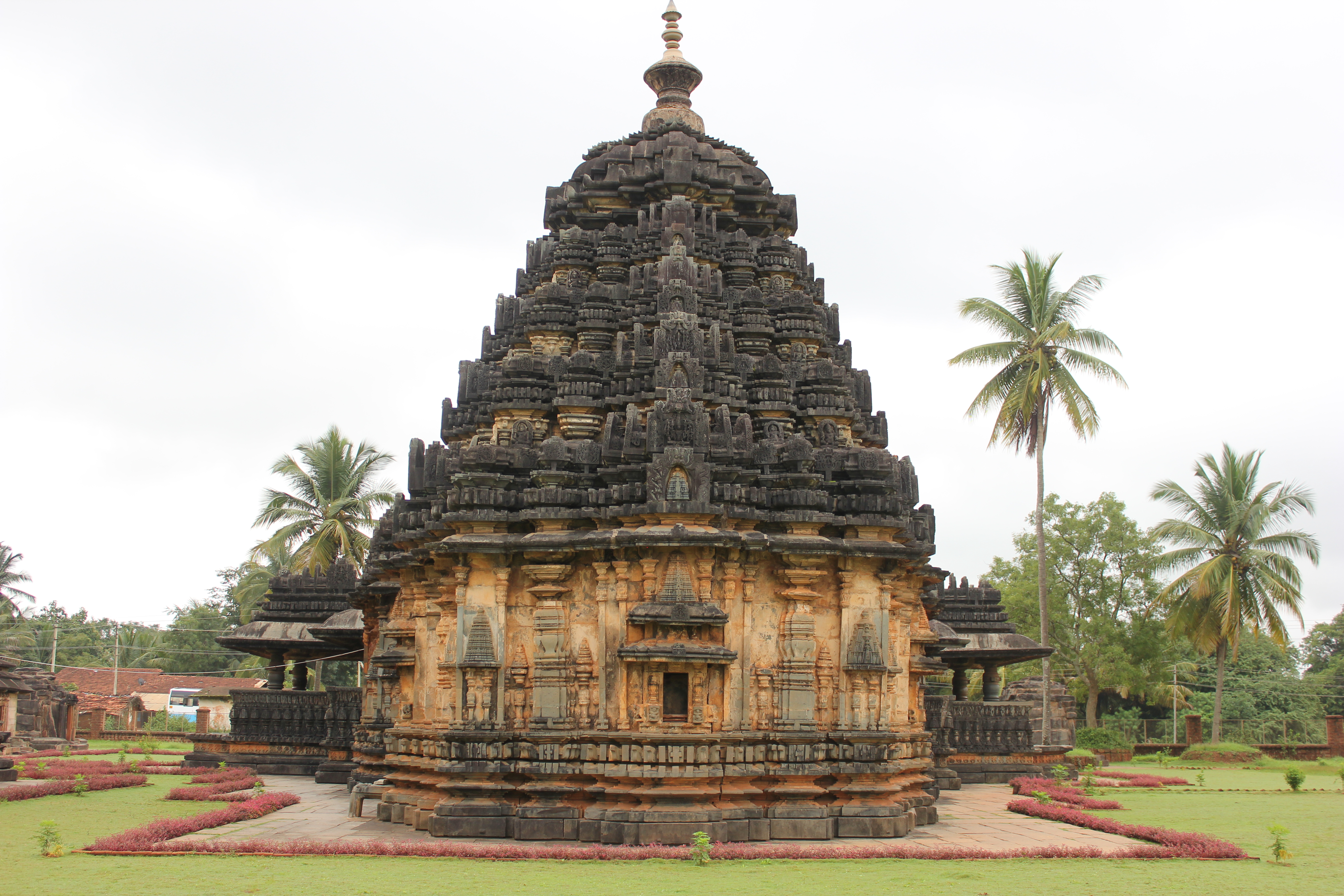
The temple exemplifies the architectural vocabulary of the Later Chalukya period, though art historians note its position at the non-mainstream end of that stylistic spectrum. The structure employs soapstone as its primary building material, a choice that allowed craftsmen to achieve the detailed sculptural work visible throughout the complex.
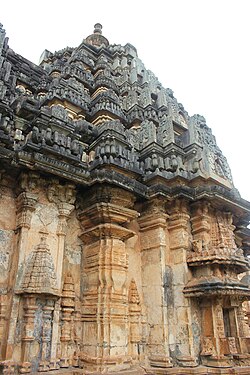
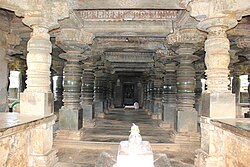
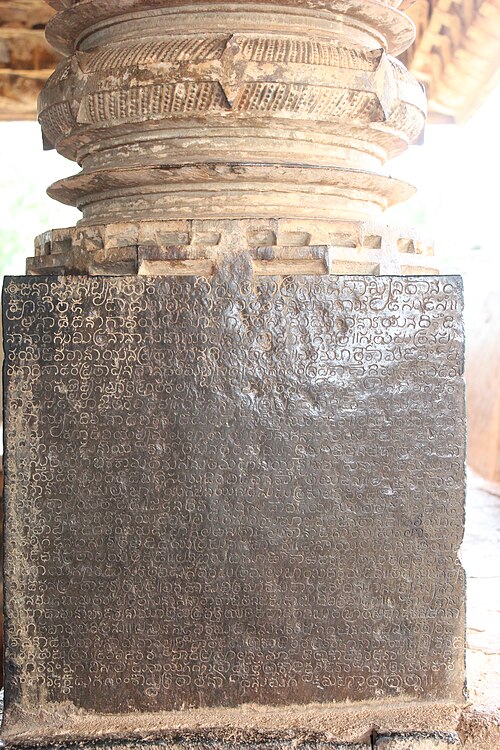
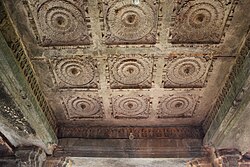
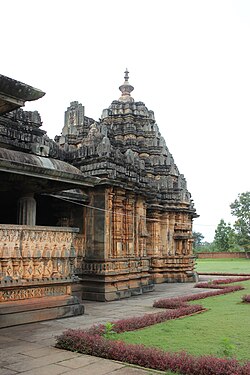
The temple follows a distinctive plan: a single square sanctum with an east-west orientation connects via a vestibule to a large open hall (mantapa) with a staggered square footprint. This hall can be entered from five directions—north, south, east, and two lateral approaches—creating multiple points of access for worshippers. The sanctum walls and vestibule rest on a base composed of five moldings, establishing a formal foundation for the superstructure above. The tower over the sanctum rises in four tiers and culminates in a domed roof resembling a helmet, crowned by an amalaka (ribbed finial) and a kalasha (pinnacle vessel). The open mantapa features a ceiling supported by substantial lathe-turned circular pillars, their design consistent with other Western Chalukyan temples in the region. Sculptures of Mahishamardini, Bhairava, and Ganesha adorn the main tower, while decorative friezes and sculptural motifs throughout reflect the refined aesthetic of Chalukyan craftsmanship.
Visiting Hours and Practical Information
The temple is open daily from 6:00 AM to 5:30 PM, allowing visitors to plan their visit across the full day. Visitors are asked to dress conservatively, avoiding shorts and skirts, as is customary at Hindu temples. No restaurants operate in the immediate vicinity, so visitors should plan meals accordingly or bring provisions if spending extended time at the site.
The temple's location near Anavatti in Shimoga district places it within a region known for its concentration of Chalukyan-era temples and cultural heritage. Shimoga itself is recognized as a center of Karnataka's temple architecture and traditional culture, making the broader area rewarding for those interested in medieval Hindu temple design.
The Deity and Worship Tradition
The temple is dedicated to Kaitabheshvara, a form of Shiva. The name itself—Kaitabheshvara or Kotisvara in variant spellings—connects to the Shaivite tradition that flourished under Chalukyan and Hoysala patronage. Temples of this tradition typically center worship on the linga, the abstract symbol of Shiva, housed within the sanctum. The presence of Bhairava (a fierce manifestation of Shiva) and Ganesha (the remover of obstacles) among the temple's sculptures reflects the broader Shaivite cosmology, where these deities occupy important positions in the devotional landscape.
Shimoga's Sacred Geography
Kubatur sits within Shimoga district, a region whose religious and cultural identity is deeply rooted in medieval temple architecture. The district's temples collectively preserve the aesthetic and theological priorities of the Chalukyan and Hoysala periods, making individual sites like Kaitabheshvara part of a larger architectural conversation. Shimoga's designation as the cultural capital of Karnataka reflects this heritage, with Hindu festivals and traditional observances continuing to animate the region's sacred spaces.
Reaching the Temple
The temple is located in Kubatur village near Anavatti in Shimoga district, Karnataka. Visitors traveling to the site should arrange transport to this rural location, as public transportation options may be limited. The coordinates 14.5756738°N, 75.14738656°E can assist with navigation. Those planning a visit should allow time to appreciate both the temple's architectural details and the broader landscape of Shimoga's temple culture, ideally combining this site with other nearby medieval temples to gain a fuller sense of the region's heritage.
How to reach

Temples near Kaitabheshvara Temple, Kubatur
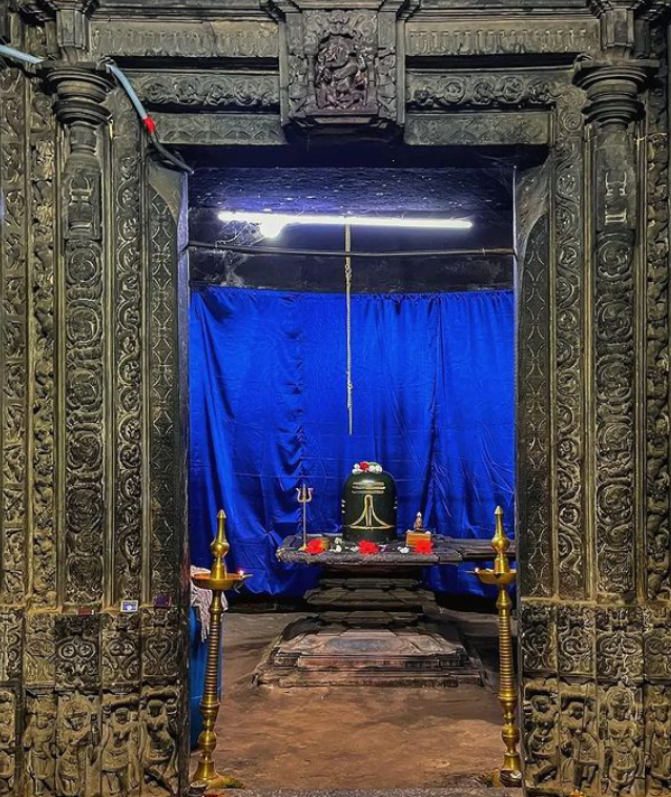
Tarakeshwara Temple, Hangal
The Tarakeshwara Temple in Hangal, Karnataka, is an ancient Hindu sanctuary dedicated to Lord Shiva, renowned for its exquisite Vesara architecture and the celebrated 'Lotus of…
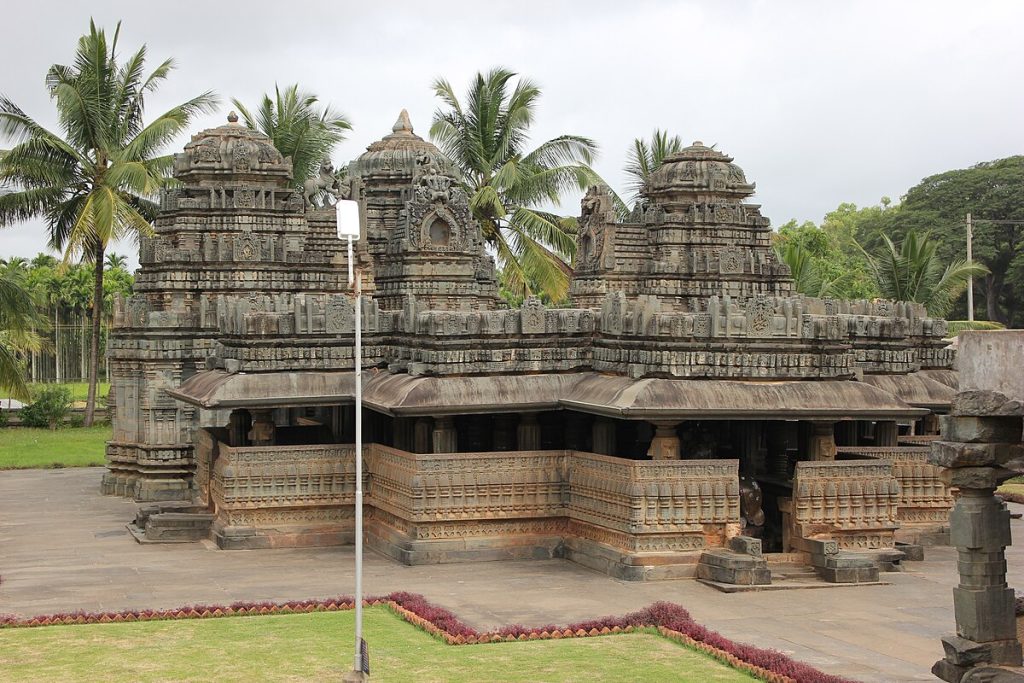
Kedareshvara Temple, Balligavi
The Kedareshvara Temple in Balligavi is an 11th-century shrine dedicated to Lord Shiva, built during the Western Chalukya period and later enhanced by the Hoysalas. Constructed…
Chandragutti Renukamba Temple
Chandragutti Renukamba Temple is an ancient cave shrine dedicated to Goddess Renukamba, carved into natural rock formations on a forested hill near Soraba in Shivamogga district…
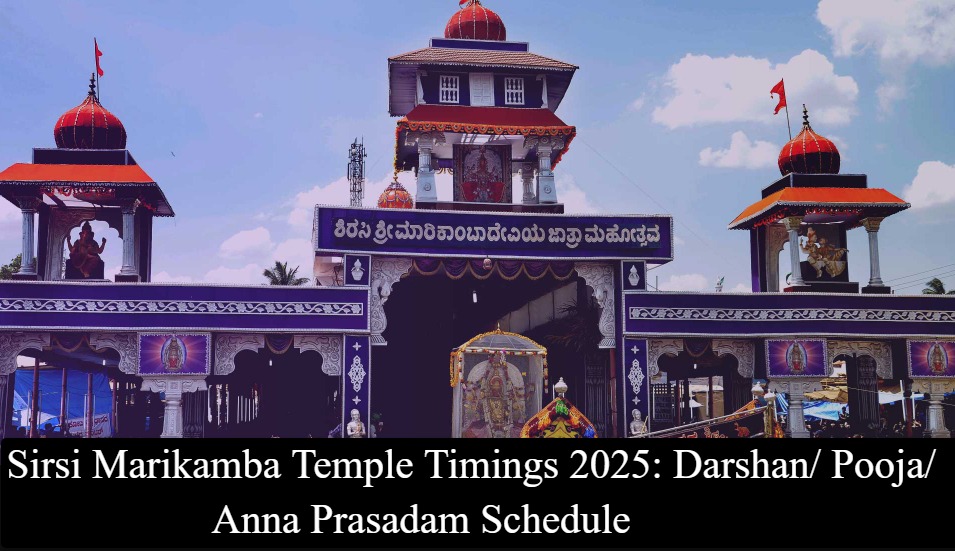
Sirsi Marikamba Temple
Sirsi Marikamba Temple, established in 1688, is a revered Hindu shrine dedicated to Marikamba Devi in Karnataka, regarded as the elder sister of all Durga manifestations in the…
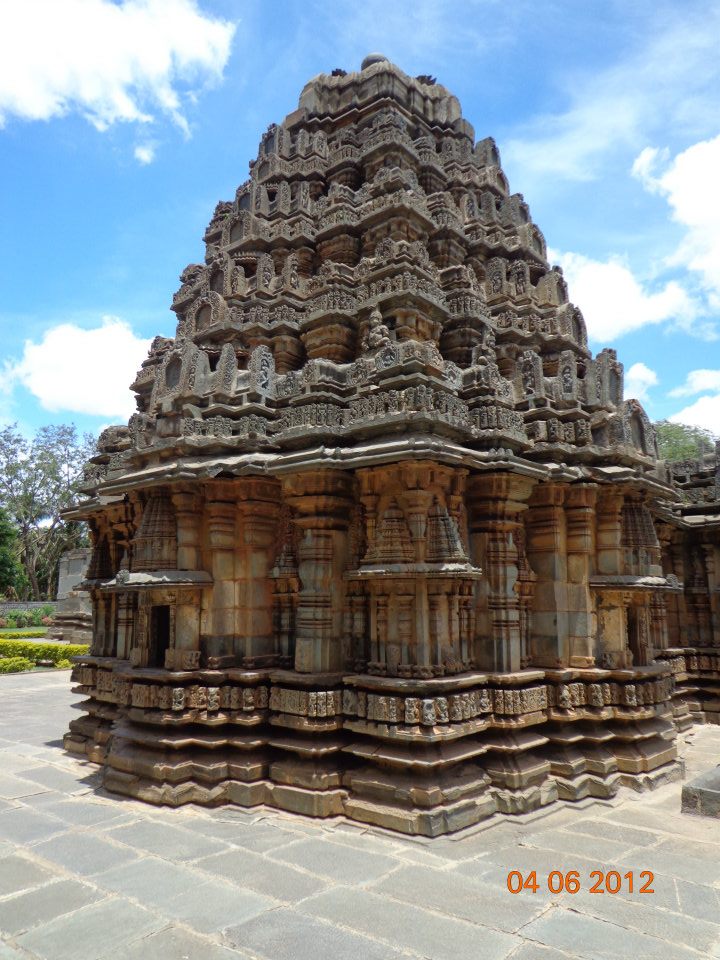
Siddhesvara Temple
The Siddhesvara Temple in Haveri, Karnataka is a sophisticated example of Western Chalukyan architecture from the late 11th to 12th century, distinguished by its westward orient…
Marikamba Temple, Sagara
Marikamba Temple in Sagara, Karnataka, is a 16th-century shrine dedicated to goddess Marikamba Devi, who served as the family deity of the Nayakas of Keladi. The temple draws de…