Kakanmath temple, Sihoniya
About Kakanmath temple, Sihoniya
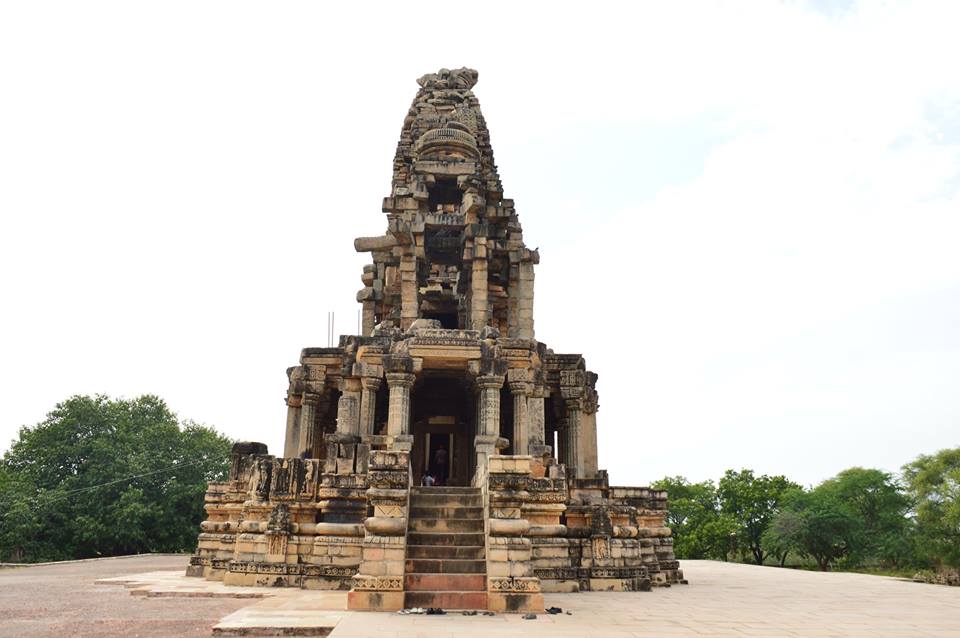
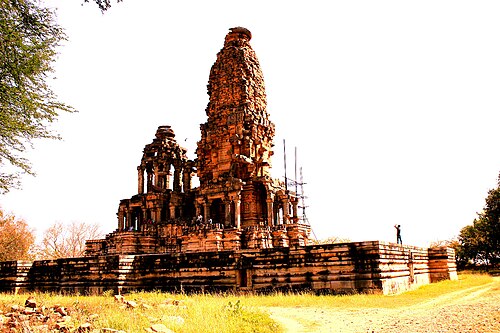
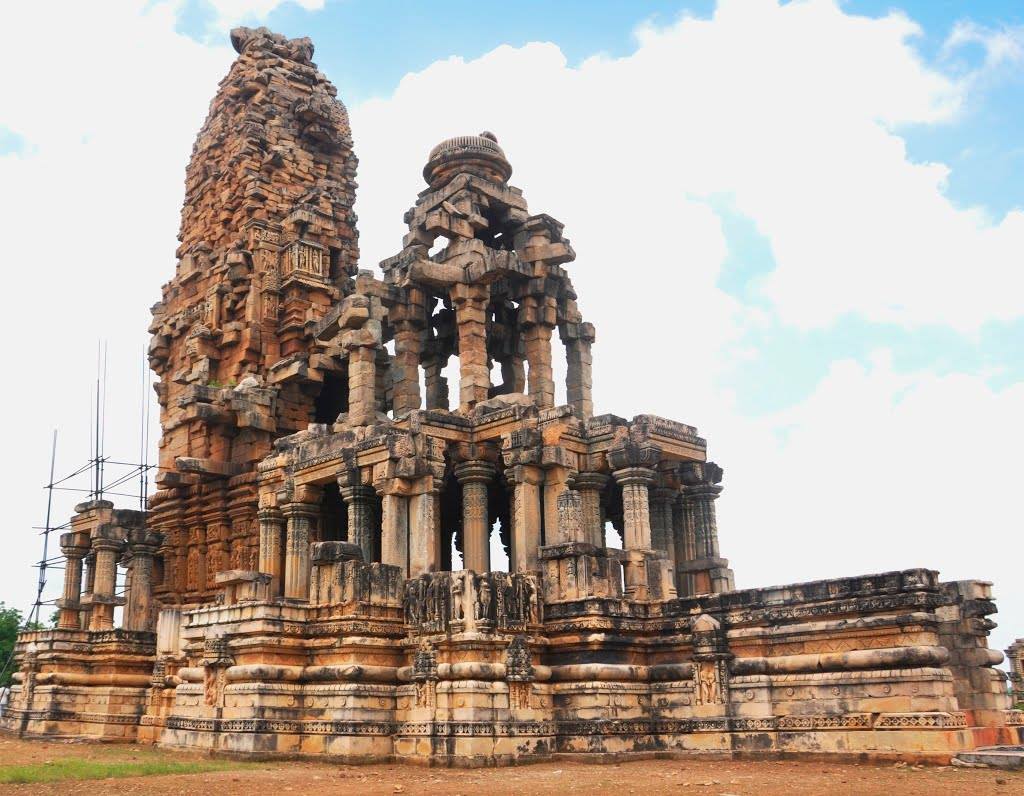
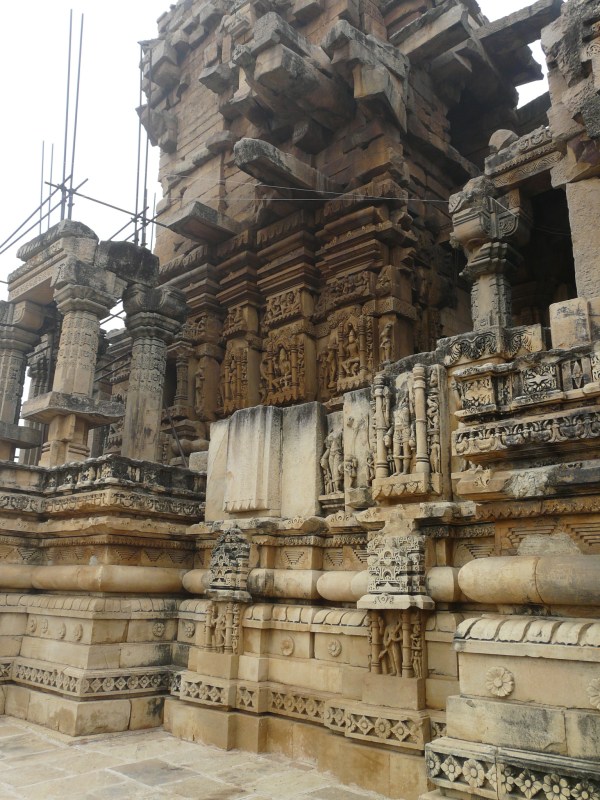
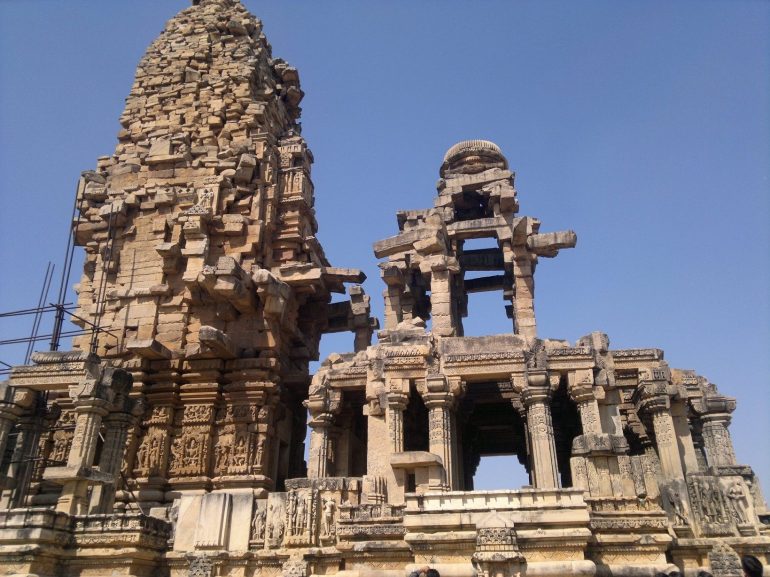
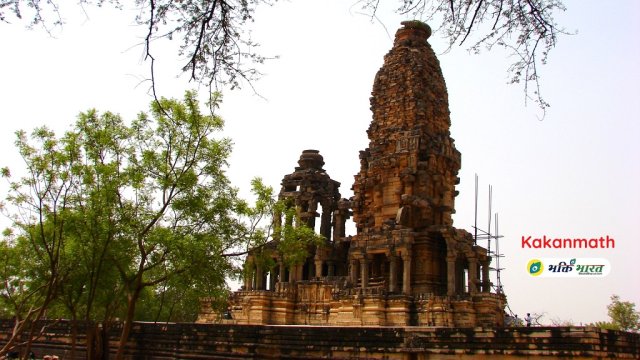
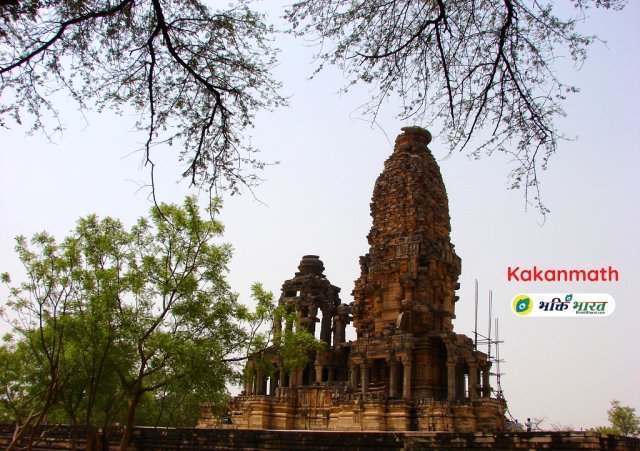
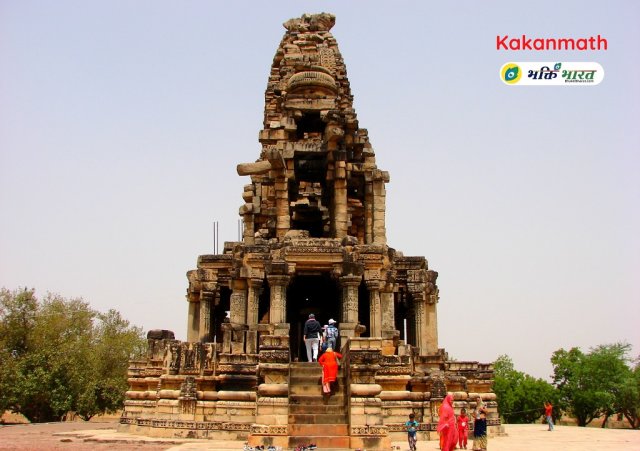
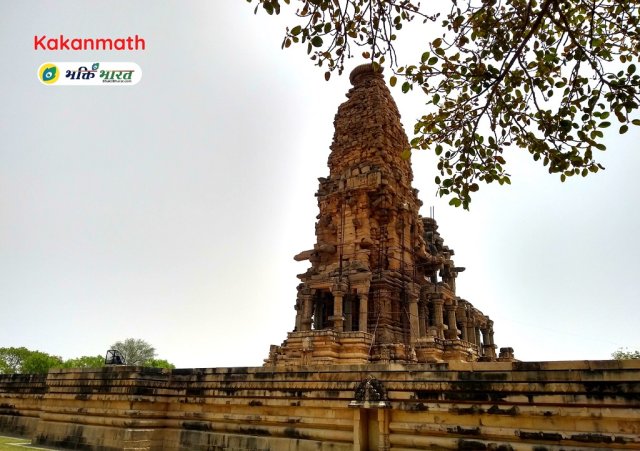
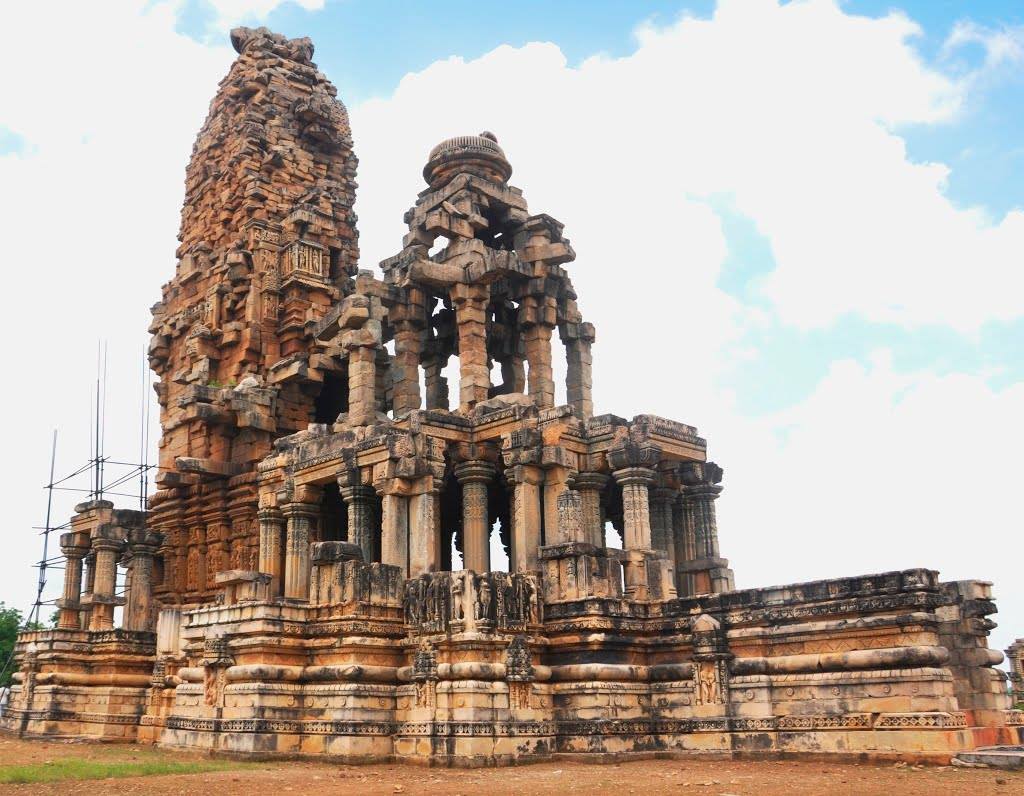
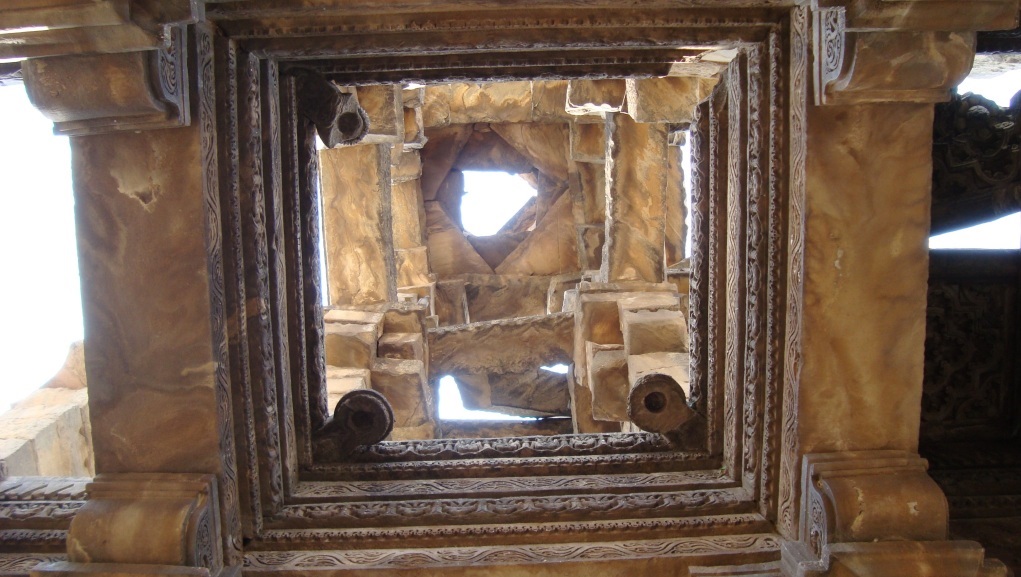
The temple exemplifies the Nagara style of North Indian temple architecture, characterized by its distinctive structural approach and ornamentation. What strikes observers is the precision of its stonework: large blocks have been fitted together without the use of cement or mortar, a technique that speaks to the builders' understanding of stone joinery. This method of construction, relying on the careful shaping and placement of individual stones, represents a significant achievement in medieval building practice.
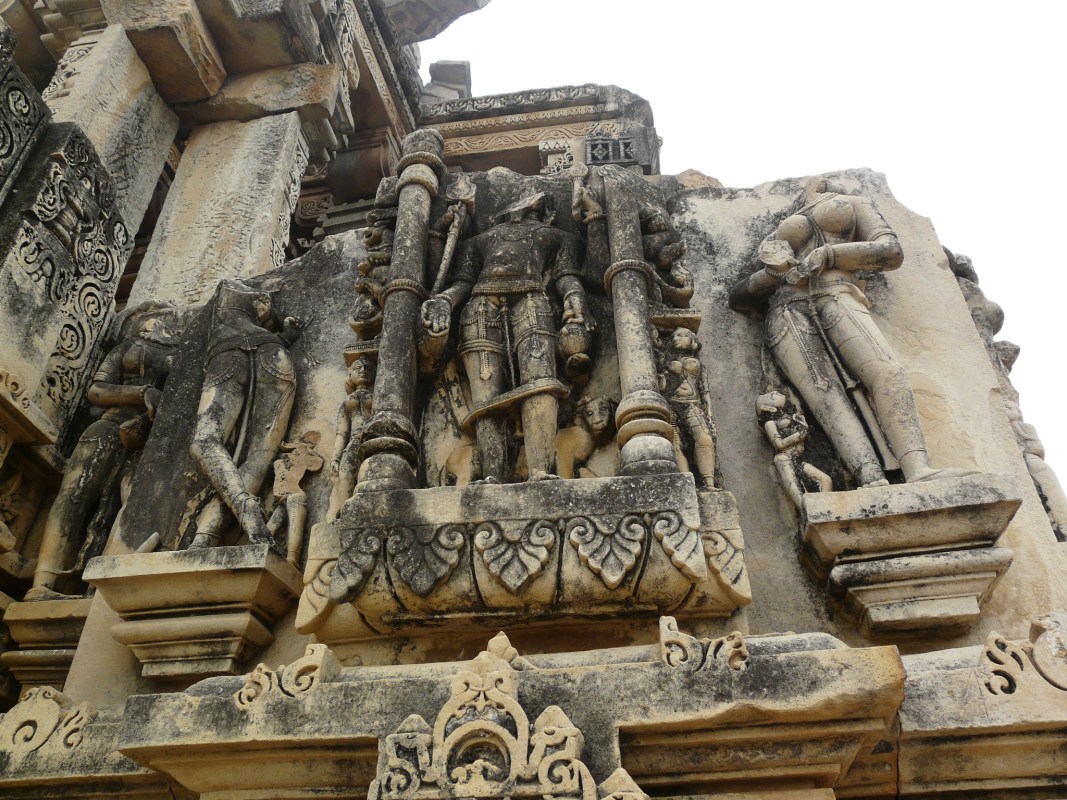
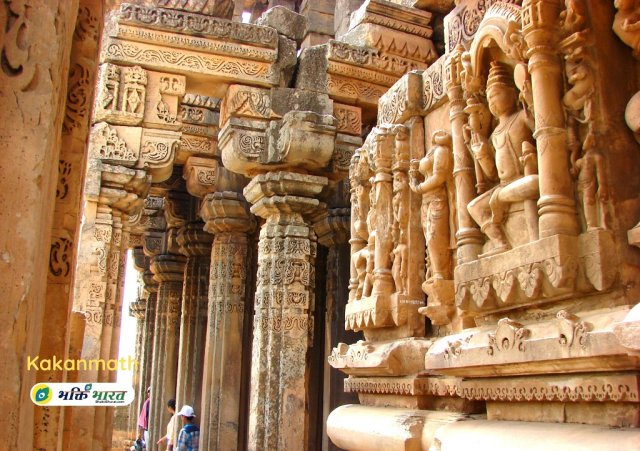
Sculptural elements once adorned the temple's walls, though many have been lost to time. Those that remain offer glimpses into the artistic vocabulary of the period. The temple's layout places the shrine on a high stone platform, requiring visitors to ascend steps to reach the main structure—a common feature in temples of this architectural tradition, serving both practical and symbolic purposes.
Visiting the Temple: Practical Information
The temple is open daily from approximately 6:00 AM to 6:00 PM, with entry to darshan being free. The best season for visiting is November through February, when the climate is cooler and more comfortable for exploration. Within these months, early morning hours—either 5 to 8 AM or 8 AM to 12 PM—offer the most pleasant conditions and a quieter atmosphere for worship and observation.
Visitors should dress conservatively and respectfully. Men are asked to wear full-length trousers, dhotis, or jeans paired with modest shirts or kurtas, avoiding shorts and beachwear. Women are encouraged to wear sarees, salwar kameez, or other traditional modest clothing. Poojas are conducted in Hindi and Sanskrit for those wishing to participate in worship.
Parking is basic and open-air, typically free or requiring only a nominal fee. The temple complex is accessed by steps leading to the elevated platform; some ground-level access exists around the perimeter for those with mobility constraints. Photography is permitted in the exterior grounds and among the ruins, though commercial photography or the use of tripods may require permission from local authorities. Visitors are requested not to climb on or touch the stone blocks.
Maha Shivaratri and Temple Observances
Maha Shivaratri, the festival dedicated to Lord Shiva, is observed at the temple in February or March and draws pilgrims from surrounding regions. This festival, celebrated across Shiva temples throughout India, marks a significant occasion in the temple's annual calendar. Beyond this major observance, the temple functions as an active place of worship where devotees can offer prayers to the deity.
Reaching Kakanmath Temple
The temple is located approximately 3 kilometers from Sihoniya village. For those arriving by rail, Morena Railway Station lies 35 kilometers away, while Gwalior Junction is 65 kilometers distant. By air, Gwalior Airport is 70 kilometers away, and Agra Airport is 145 kilometers from the site.
From Gwalior, the route proceeds north via National Highway 44 toward Morena, then east on the Ambah-Porsa road with signs directing toward Sihoniya and Bavdipura. Private vehicles or hired taxis are recommended for the final approach to the temple. No hotels or resorts operate at the temple itself; accommodation is available in Morena, which offers budget and mid-range hotels as well as dharamsalas, or in Gwalior, where heritage and modern hotels can be found. For inquiries, the temple can be contacted at +917771927801.
Nearby Sites of Interest
The region around Sihoniya contains other temples and natural areas worth exploring. Chausath Yogini Temple at Mitawali, Garhi Padavali, the Bateshwar Group of Temples, and the National Chambal Sanctuary are all within a short drive, allowing visitors to extend their journey through this historically and ecologically significant landscape.
How to reach
Temples near Kakanmath temple, Sihoniya
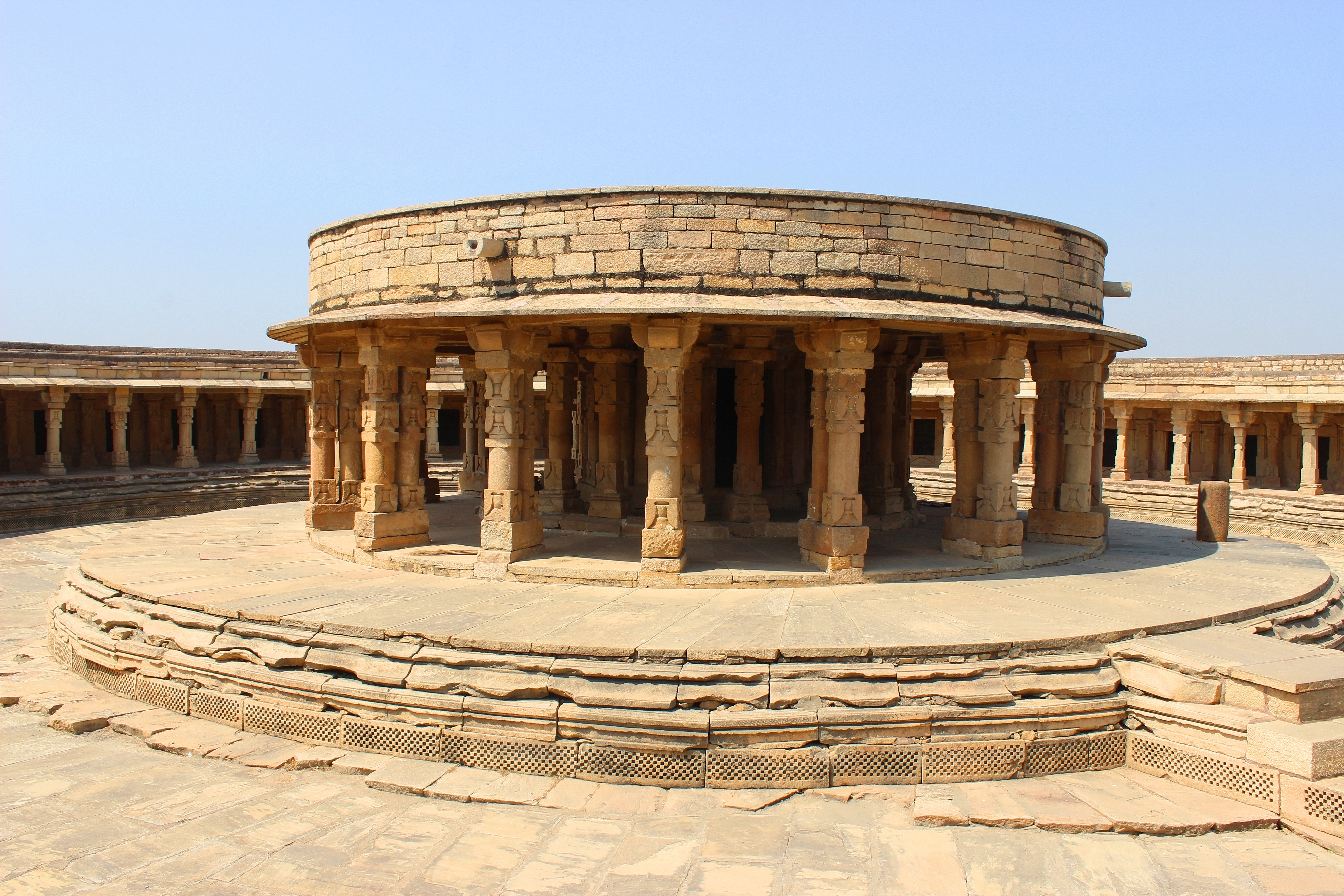
Chausath Yogini Temple, Mitaoli
An 11th-century circular Yogini temple in Morena district, Madhya Pradesh, featuring 65 chambers dedicated to 64 yoginis and the goddess Devi, built during the Kachchhapaghata r…

Garhi Padavali Temple
Garhi Padavali is a 10th-century Shiva temple later fortified in the 18th century, featuring ornate carvings reminiscent of Khajuraho within a medieval fortress structure in Mor…
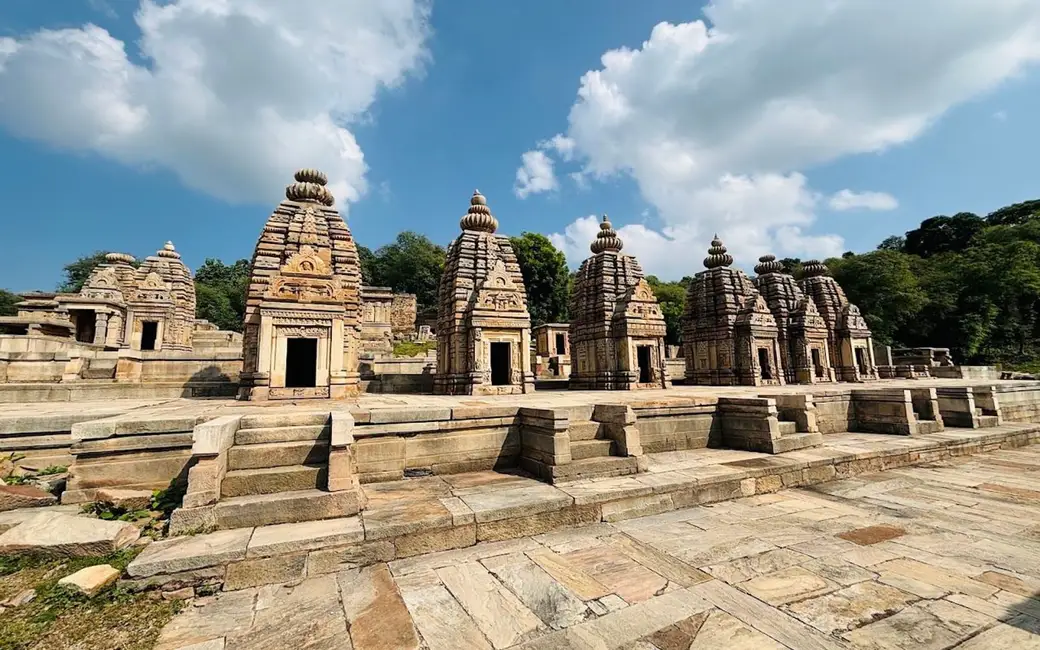
Bateshwar Hindu temples, Madhya Pradesh
The Bateshwar Temple Group is an ancient cluster of approximately 200 temples dedicated to Lord Shiva, Vishnu, and Shakti, built during the 8th-10th centuries by the Gurjara-Pra…
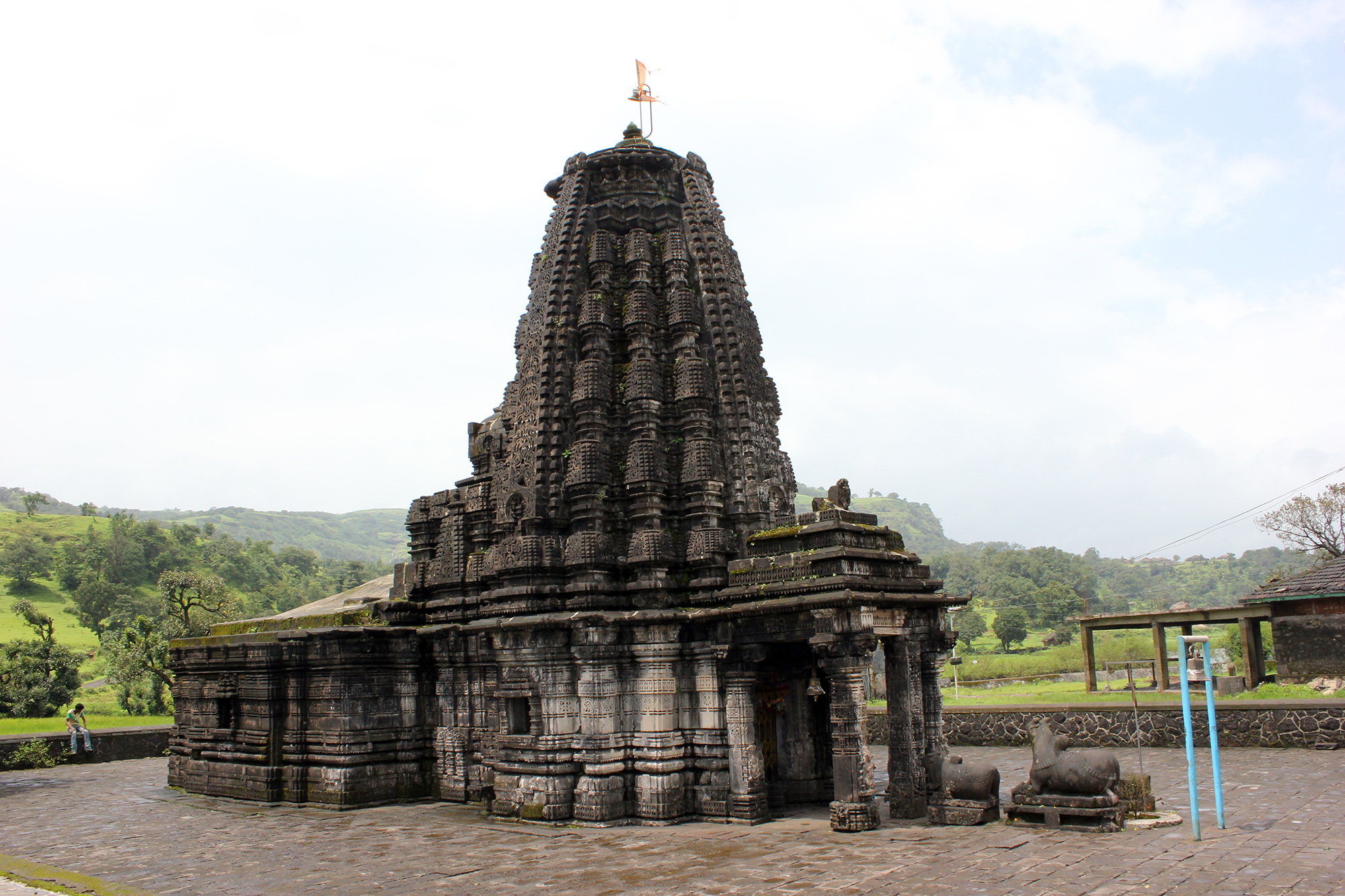
Chaturbhuj Temple
Chaturbhuj Temple in Orchha, Madhya Pradesh, is a 16th-century Hindu shrine dedicated to Rama, an avatar of Vishnu, featuring a distinctive blend of temple, fort, and palatial a…
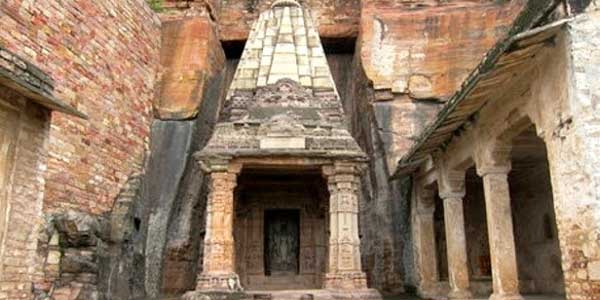
Chaturbhuj Temple, Gwalior
Chaturbhuj Temple, also known as the Temple of Zero, is a ninth-century rock-cut shrine within Gwalior Fort dedicated to Vishnu in his four-armed form. It houses the world's old…
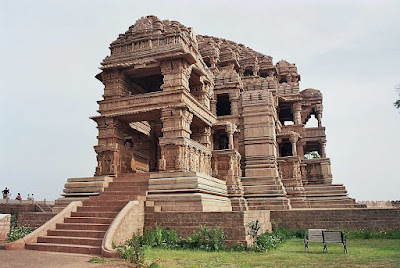
Sasbahu Temple, Gwalior
Twin 11th-century temples within Gwalior Fort dedicated to Aniruddha (Vishnu avatar) and Shiva, built between 1090–1093 by King Mahipala of the Kachchhapaghata dynasty for his w…