Beejamandal, Khajuraho
About Beejamandal, Khajuraho
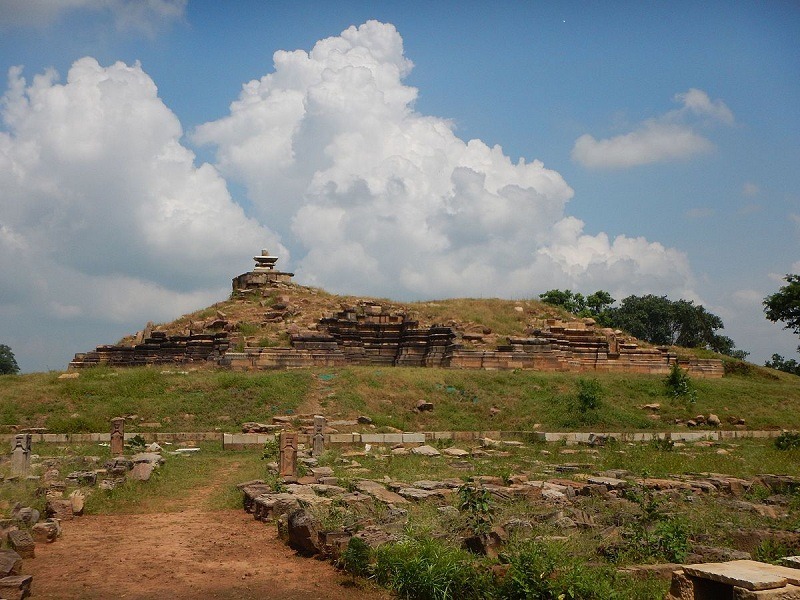
What makes Beejamandal particularly noteworthy is its potential size. Archaeologists estimate the temple's total length exceeds 30 metres—comparable to Kandaria Mahadev, the largest temple in the Khajuraho complex. However, because excavation remains incomplete, the full dimensions and layout of the structure are not yet known. This unfinished state of exploration means that future work may reveal architectural or sculptural details that reshape our understanding of Khajuraho's temple construction during the Chandela period.
The temple was one of eighteen unexplored mounds identified in the Khajuraho vicinity, making its partial opening in 1999 a significant step in documenting the region's heritage.
Architecture and Decoration
The visible ruins display architectural influences from south-east Asian styles, distinguishing Beejamandal from some of its neighbours in the complex. The exterior features intricately carved stone animals, pillars, and walls. The interior contains sculptural work depicting human forms in various postures, characteristic of the detailed figural work found throughout Khajuraho's temples.
Because the temple remains partially buried and unexcavated, visitors should expect to see fragmentary remains rather than a fully reconstructed structure. The ongoing nature of the site means that what is visible today may change as archaeological work continues.
Visiting Beejamandal
The temple is open daily from 06:00 to 17:00. It is located in Old Jatkhara Village, approximately 3 kilometres from Khajuraho Bus Stand and near Chaturbhuj Temple within the Southern Group. The site can be reached by cab or auto-rickshaw; the journey from the bus stand typically takes 30 minutes including travel time.
Visitors should wear modest clothing appropriate for a sacred site. Footwear is typically removed before entering temple precincts, though the ruined state of Beejamandal means visitors should wear sturdy shoes suitable for walking over uneven ground. The site has limited facilities, so carrying water is advisable, particularly during warmer months.
Location and Access
Beejamandal lies 2 kilometres from the Jain Group of Temples and forms part of the broader Southern Group complex. Its proximity to Chaturbhuj Temple makes it convenient to visit both sites in a single outing. The coordinates are 24.82944, 79.93452 for those using GPS navigation.
The temple is best visited as part of a wider exploration of Khajuraho's Southern Group, which contains several other significant shrines. Many visitors combine a visit here with nearby temples and the Archaeological Museum to gain a fuller picture of the Chandela period's architectural achievements.
Best Time to Visit
Khajuraho's climate is warm for much of the year. The cooler months from October to March offer more comfortable conditions for exploring outdoor archaeological sites. During the summer months, the exposed ruins provide little shade, making early morning or late afternoon visits preferable. The monsoon season brings heavy rainfall that can make the site muddy and potentially unsafe.
No major festivals specific to Beejamandal are documented in available sources. Visitors planning a pilgrimage should check with local authorities or guides for any observances at nearby temples in the Southern Group.
How to reach
Temples near Beejamandal, Khajuraho
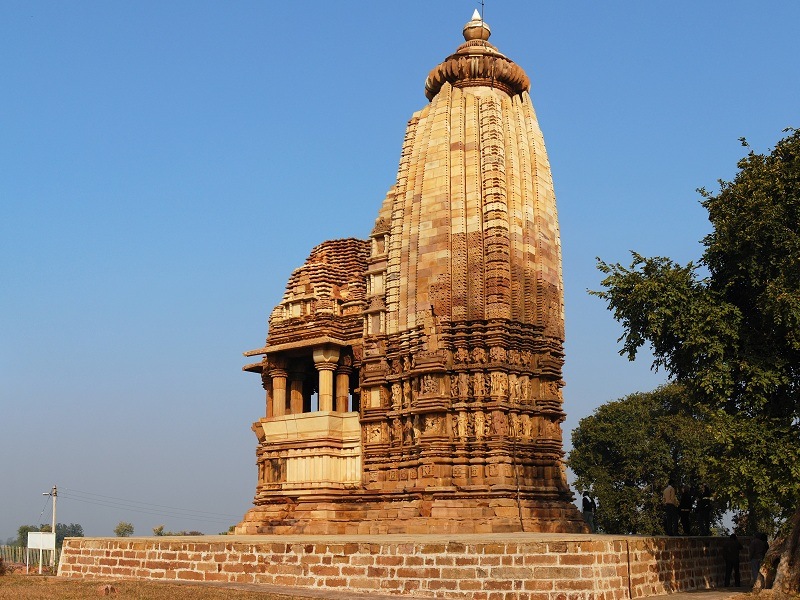
Chaturbhuj Temple, Khajuraho
Chaturbhuj Temple in Khajuraho is a 12th-century Vishnu shrine built by the Chandela dynasty, featuring a four-armed idol of Rama and distinctive multi-storied architecture blen…
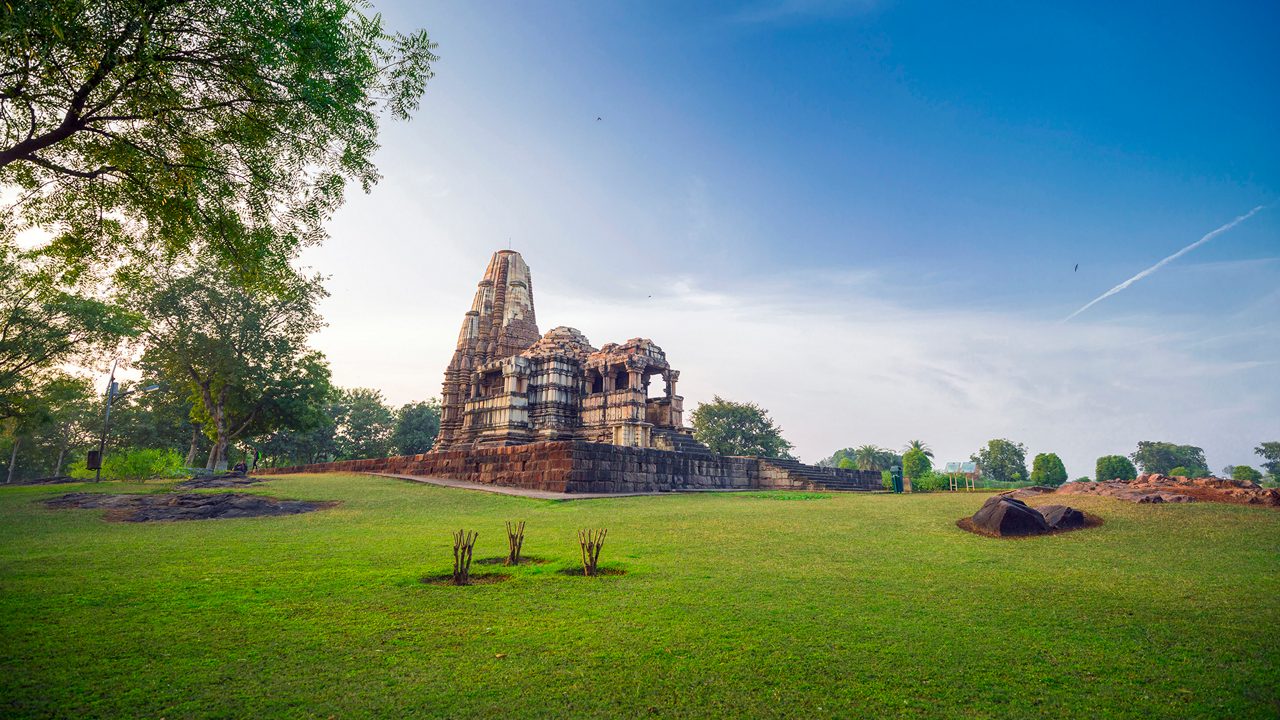
Duladeo Temple
Duladeo Temple in Khajuraho is a medieval Hindu shrine dedicated to Lord Shiva, renowned for its intricate stone carvings depicting celestial dancers and daily life from the Cha…
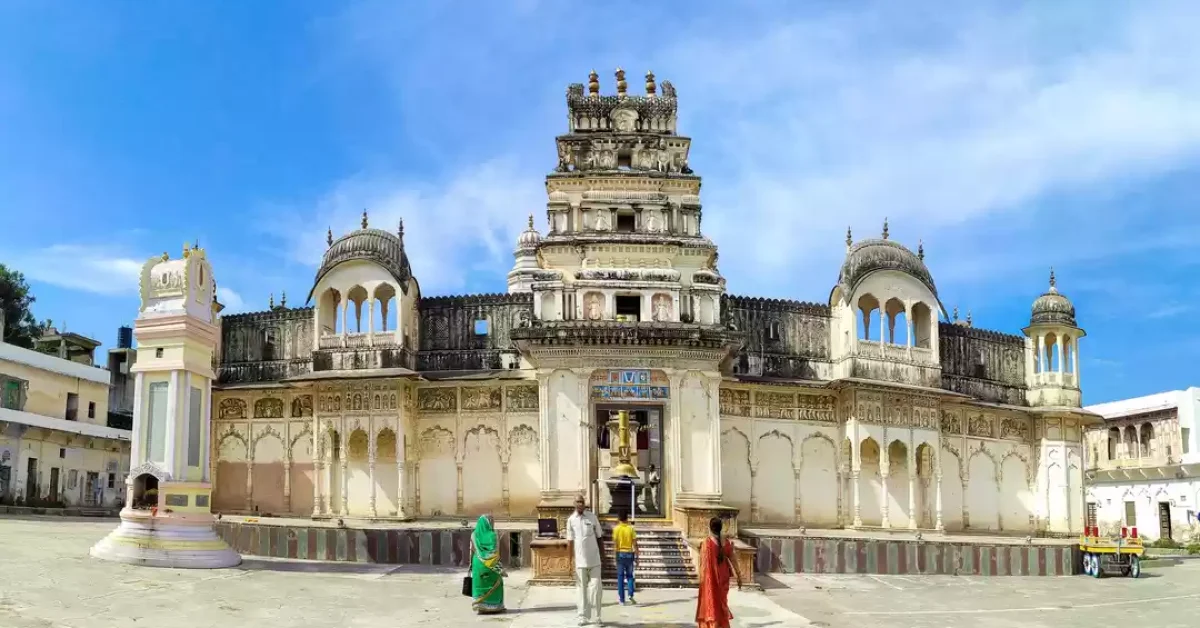
Brahma Temple
Brahma Temple in Pushkar, Rajasthan is one of the world's few temples dedicated to Lord Brahma, the creator deity, situated beside the sacred Pushkar Lake.

Chausath Yogini Temple, Khajuraho
The Chausath Yogini Temple is a ruined open-air shrine from the late 9th century, representing one of India's oldest surviving Yogini temples and a masterpiece of Chandela archi…
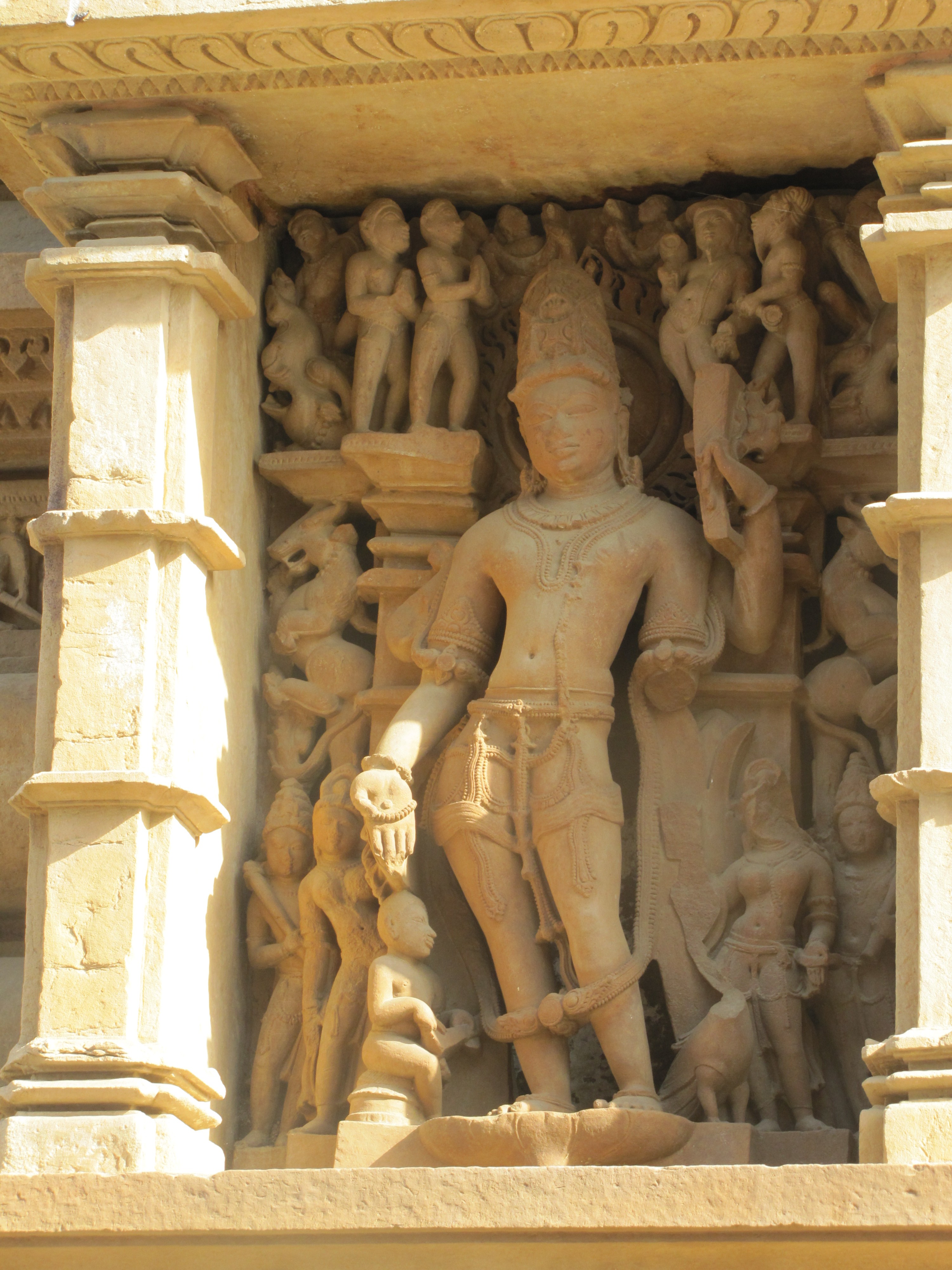
Lakshmana Temple
The Lakshmana Temple is a 10th-century Hindu shrine in Khajuraho dedicated to Vaikuntha Vishnu, showcasing the architectural brilliance of the Chandela dynasty and recognized as…
Devi Jagadambi Temple
Devi Jagadambi Temple is one of approximately 25 medieval temples at Khajuraho, Madhya Pradesh, built by the Chandela dynasty and designated a UNESCO World Heritage Site for its…