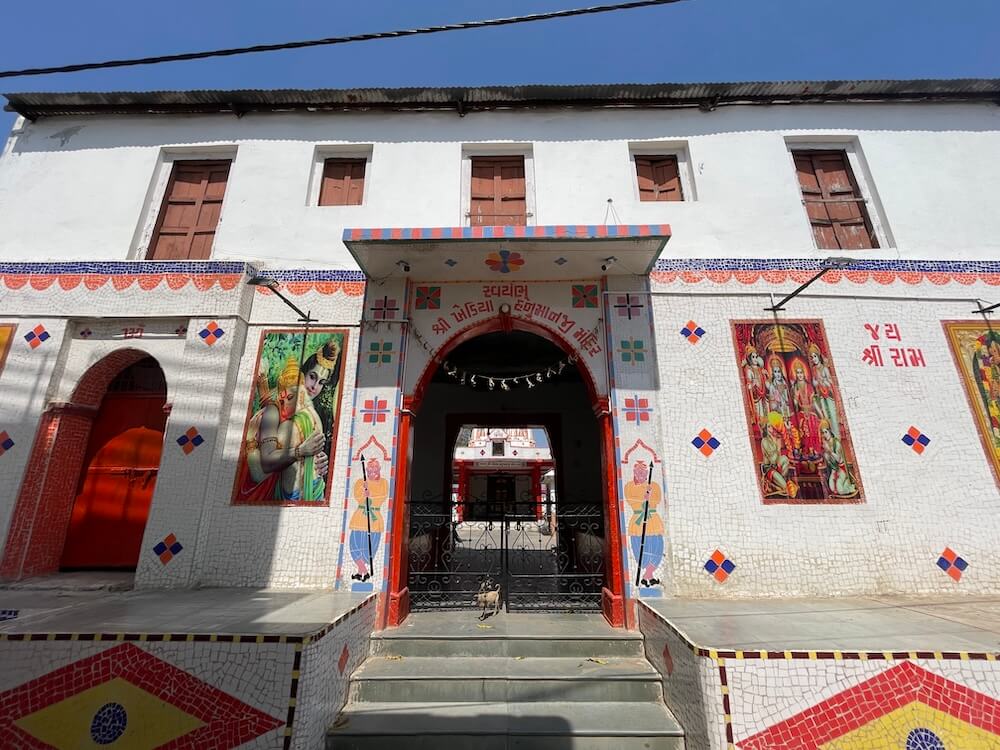
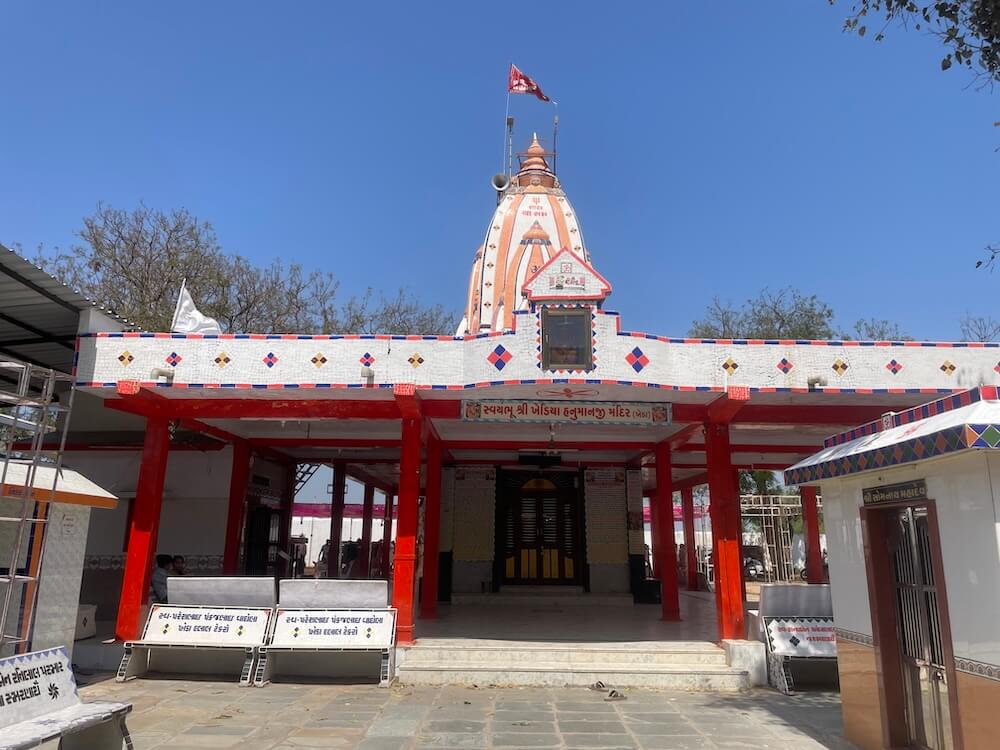
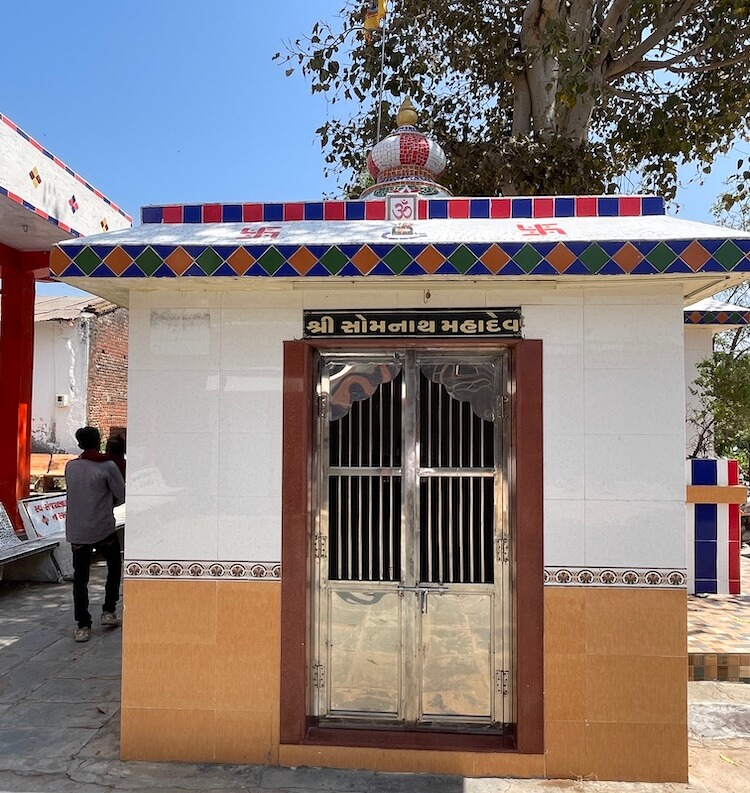
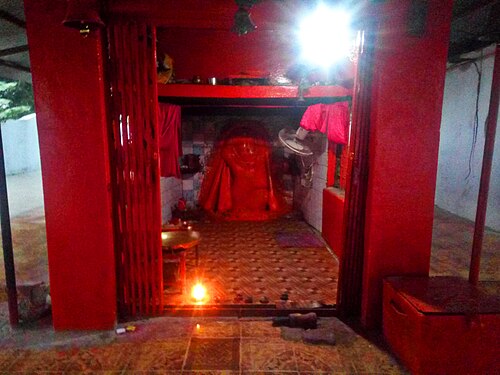
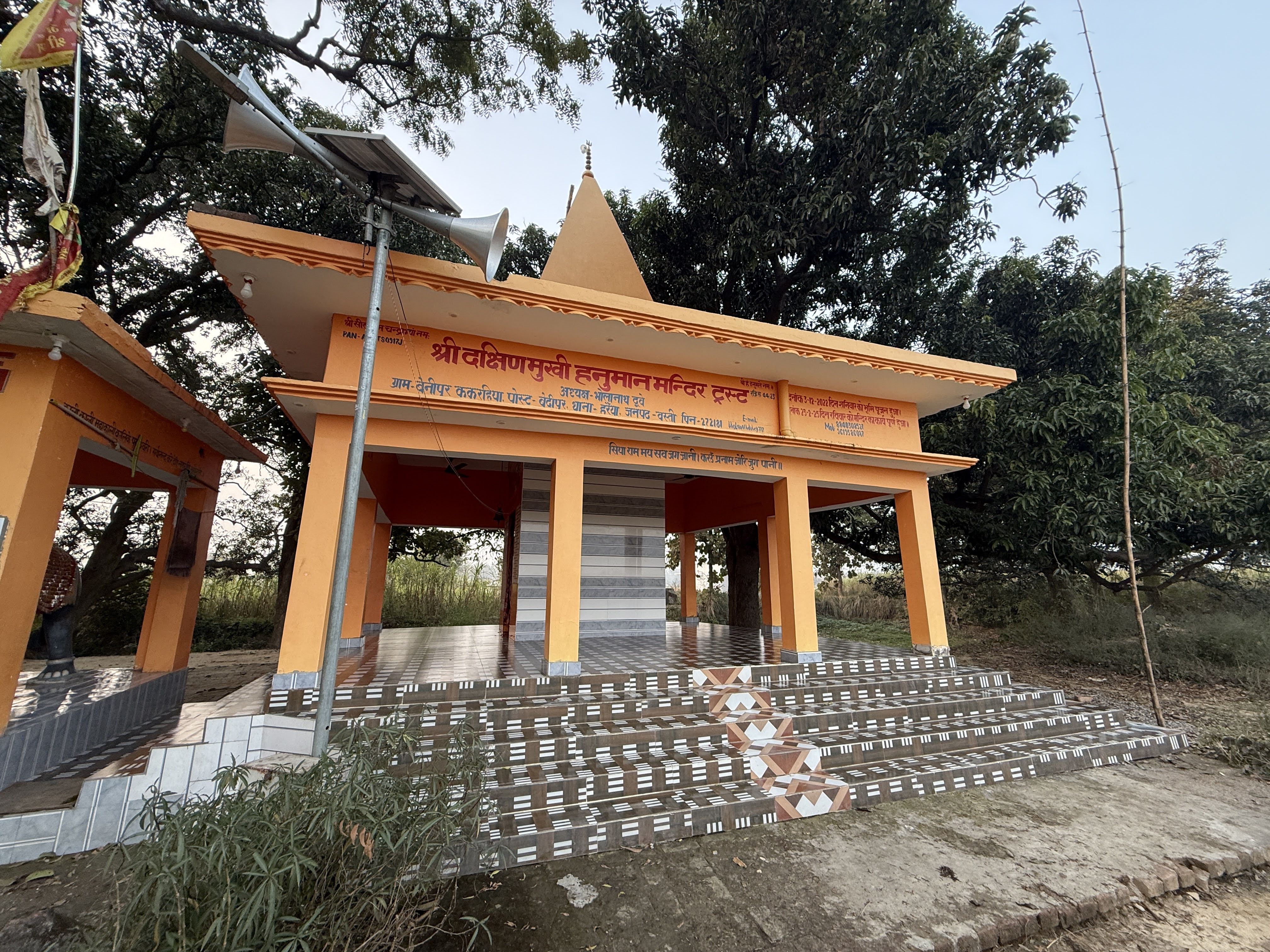
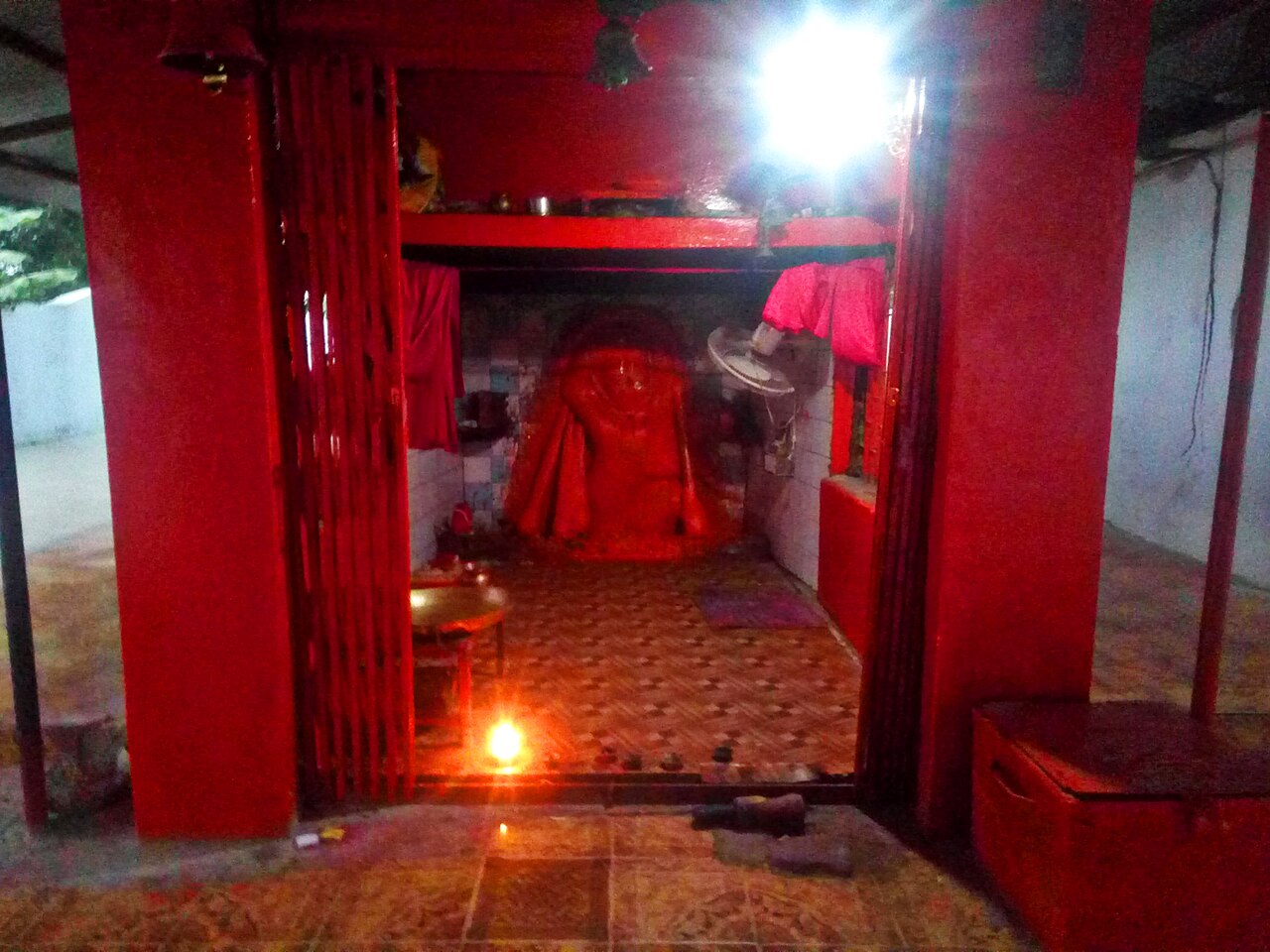
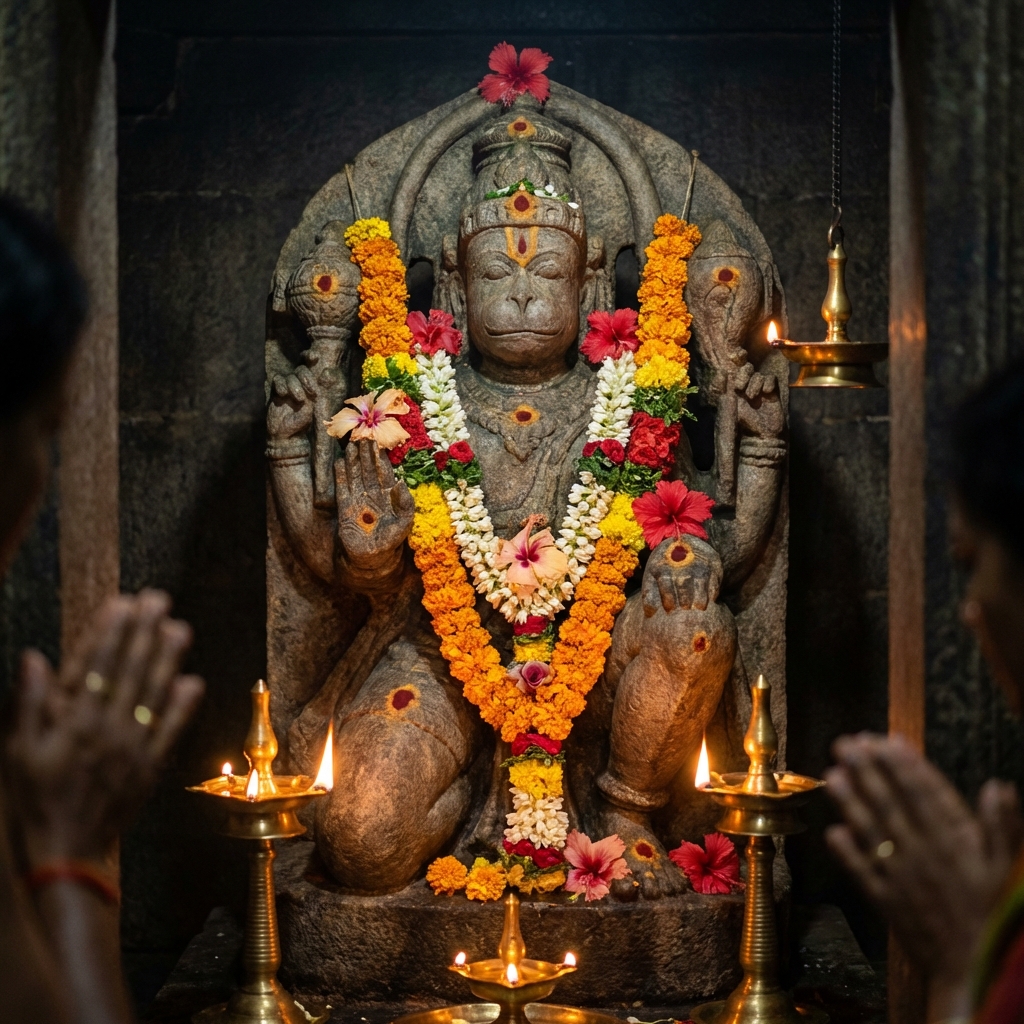
Hanuman Mandir Khajwa Chauda Kheda Dham
About Hanuman Mandir Khajwa Chauda Kheda Dham
The temple maintains a structured schedule of daily worship according to Vedic traditions. The morning aarti begins at 6:00 AM, followed by darshan from 6:30 AM to 12:00 PM. In the evening, the aarti is performed at 7:00 PM, with darshan available from 4:00 PM to 9:00 PM. These timings allow devotees flexibility in choosing when to visit and participate in the sacred rituals.
Beyond the formal aartis, the temple conducts nitya puja—daily rituals performed with consistency and reverence. The temple also distributes annadanam, sacred food offerings, directly to devotees who visit. This practice of sharing blessed food is a common feature in Hindu temples and serves both as an act of devotion and community care.
Festivals and Celebrations
The temple observes major festivals associated with Hanuman and the broader Hindu calendar. Hanuman Jayanti, celebrating the birth of the deity, and Ram Navami, marking the birth of Lord Rama, are occasions for grand celebrations at the temple. These festivals draw increased numbers of devotees and typically involve extended worship, special rituals, and community gatherings, though specific details of the celebrations are not documented in available sources.
Visiting the Temple: Practical Information
The temple is located in Benipur Kakrahiya village, in the Harraiya administrative area of Basti district, Uttar Pradesh. The postal address is Post-Bedipur, Uttar Pradesh 272181. Those traveling by GPS coordinates should use 24.9243476, 79.9099733.
Visitors should plan their visit according to the darshan timings: morning hours from 6:30 AM to 12:00 PM or evening hours from 4:00 PM to 9:00 PM. The morning aarti at 6:00 AM and evening aarti at 7:00 PM are times when the temple's ritual life is most active, and many devotees prefer to visit during these periods.
As with most Hindu temples, visitors are expected to dress modestly and respectfully. Shoes are typically removed before entering the inner sanctum. The temple is a place of active worship, so maintaining a quiet and reverent demeanor is important. Specific information about facilities, parking, or accommodation near the temple is not available from current sources, so visitors should inquire locally or contact the temple trust directly for such details.
The Temple Trust
The Shree Dakshinmukhaya Hanuman Mandir Trust is a registered religious and charitable organization operating under Indian law (Registration No: 44/23). The trust is committed to preserving dharma, serving devotees, and contributing to broader social welfare. The temple operates with stated transparency regarding its use of resources for maintenance and charitable activities. Those wishing to make donations should note that contributions are eligible for tax exemption under section 80G of the Indian Income Tax Act, with specific documentation requirements depending on the donation amount.
Reaching the Temple
The temple is situated in rural Basti district in eastern Uttar Pradesh. Visitors should note the specific village and postal address when arranging travel. The nearest significant towns and transportation hubs should be identified through local travel resources, as detailed directions from major cities are not provided in available sources. Those unfamiliar with the area are advised to seek local guidance or contact the temple trust for directions and travel recommendations.
How to reach
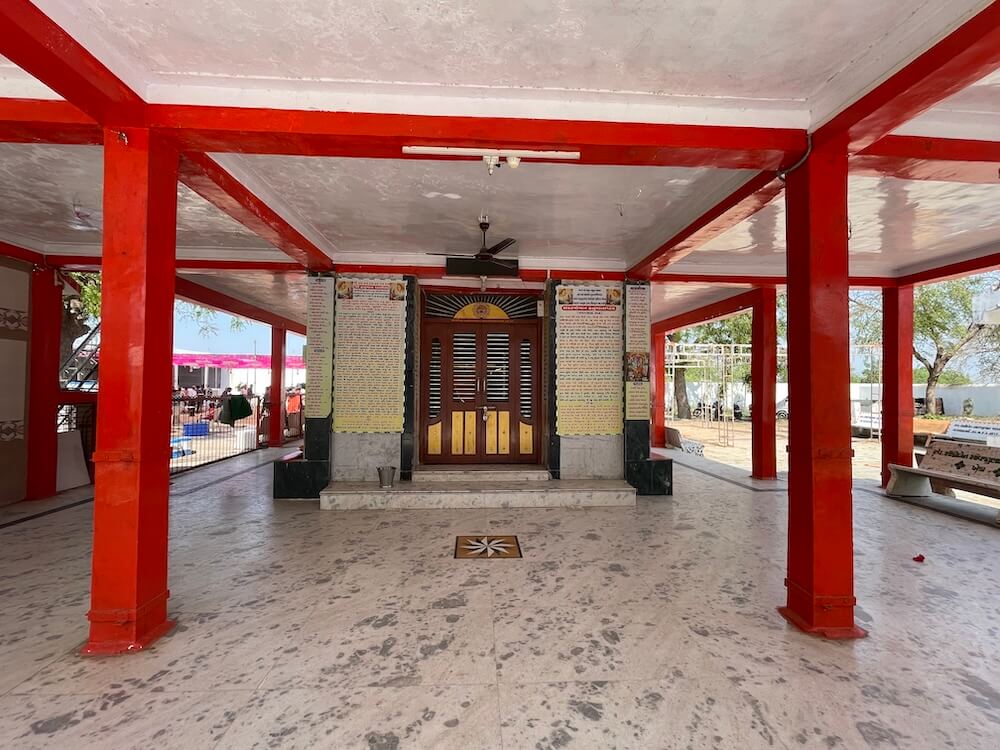

Temples near Hanuman Mandir Khajwa Chauda Kheda Dham
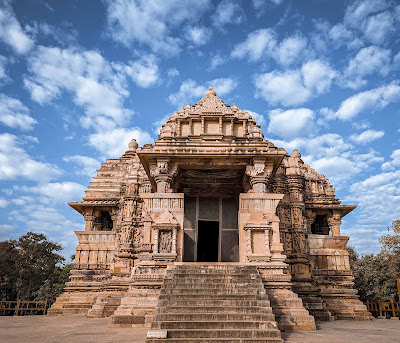
Devi Jagadambi Temple
Devi Jagadambi Temple is one of approximately 25 medieval temples at Khajuraho, Madhya Pradesh, built by the Chandela dynasty and designated a UNESCO World Heritage Site for its…
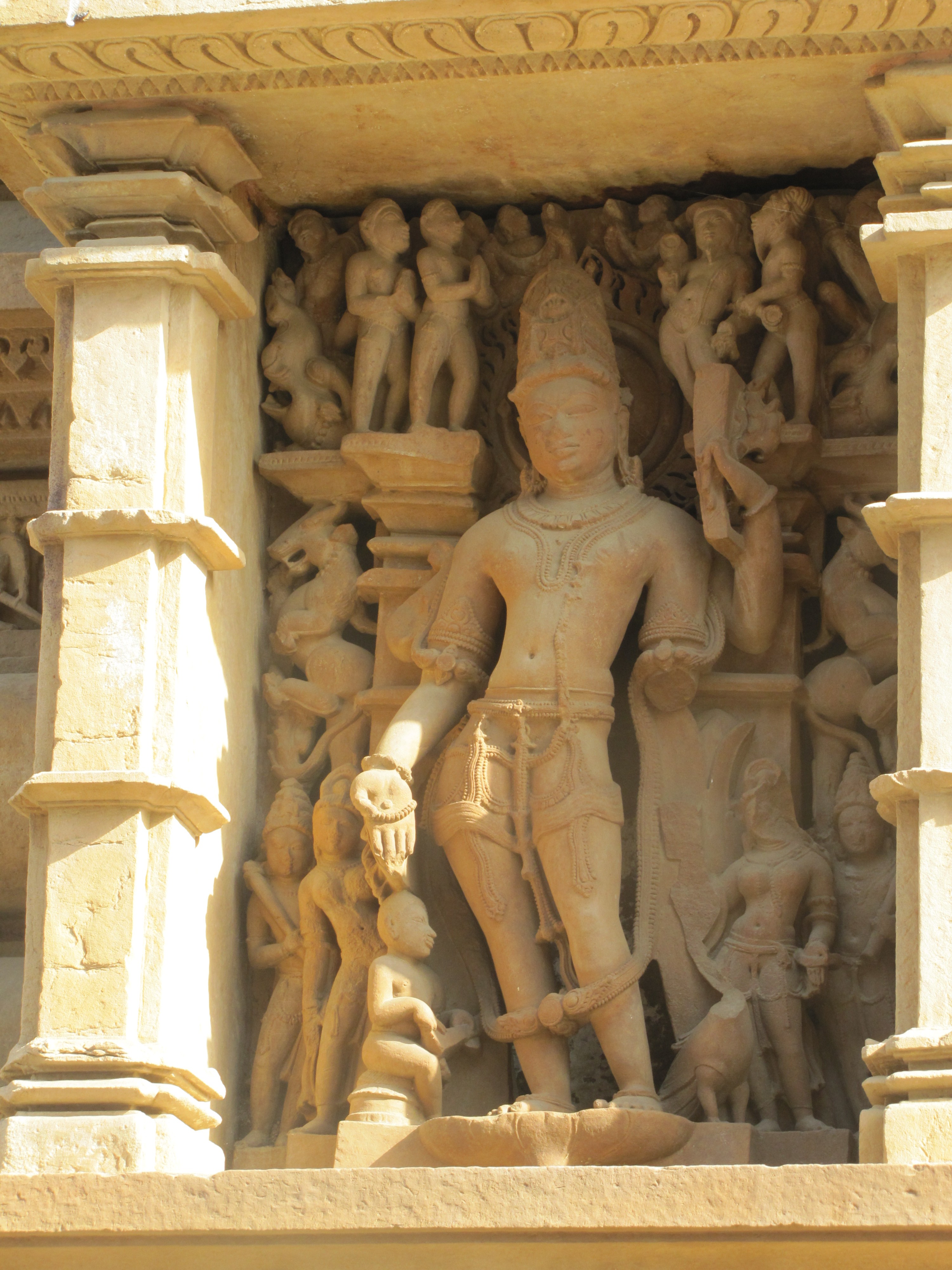
Lakshmana Temple
The Lakshmana Temple is a 10th-century Hindu shrine in Khajuraho dedicated to Vaikuntha Vishnu, showcasing the architectural brilliance of the Chandela dynasty and recognized as…
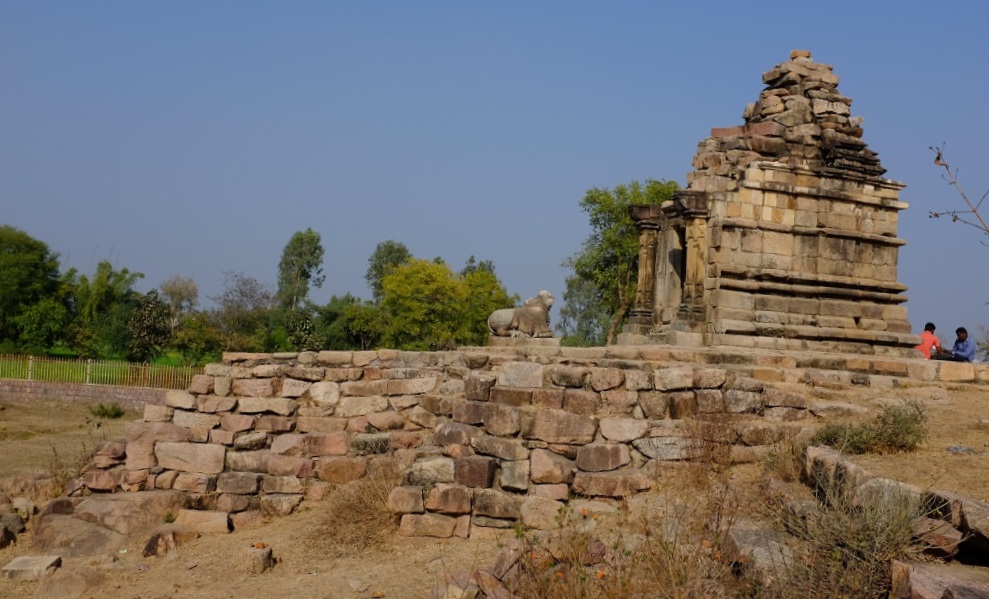
Lalguan Mahadeva temple
The Lalguan Mahadeva temple is a ruined medieval Shiva temple located in Khajuraho, Madhya Pradesh, representing an important part of the town's architectural heritage.

Chausath Yogini Temple, Khajuraho
The Chausath Yogini Temple is a ruined open-air shrine from the late 9th century, representing one of India's oldest surviving Yogini temples and a masterpiece of Chandela archi…
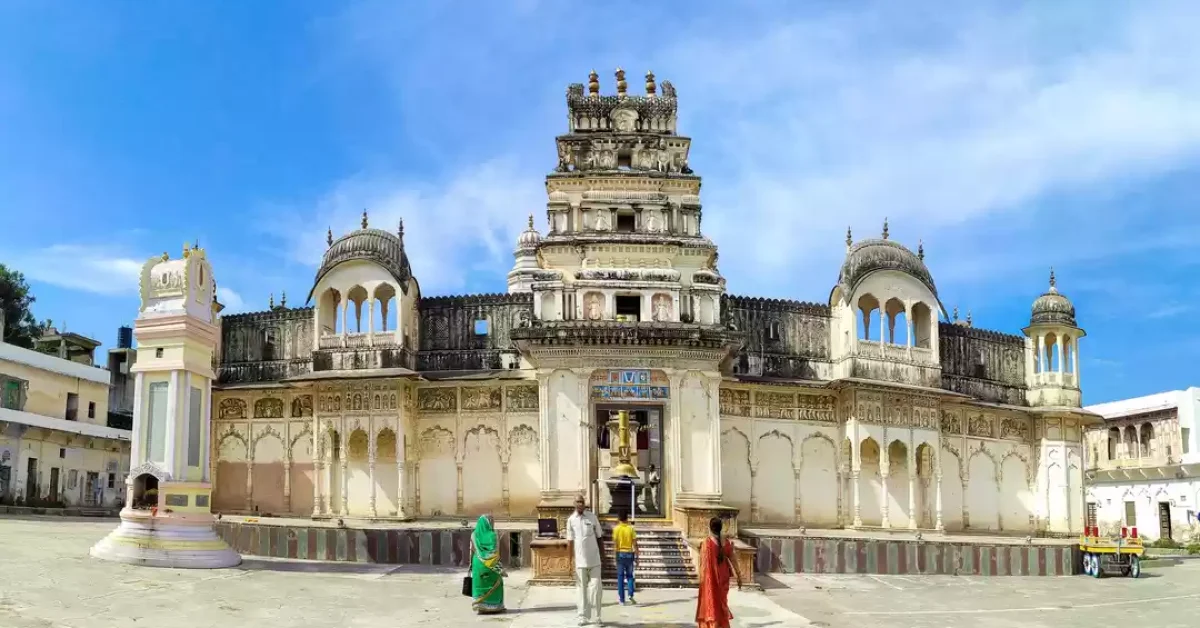
Brahma Temple
Brahma Temple in Pushkar, Rajasthan is one of the world's few temples dedicated to Lord Brahma, the creator deity, situated beside the sacred Pushkar Lake.
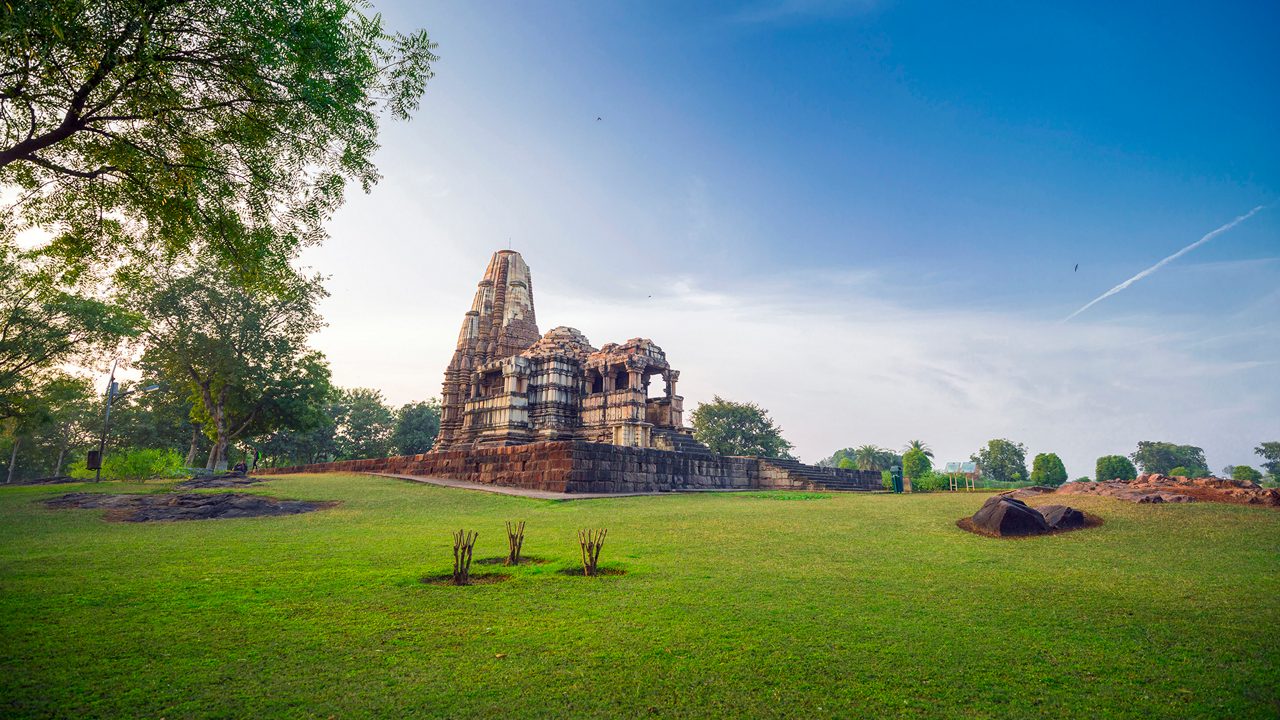
Duladeo Temple
Duladeo Temple in Khajuraho is a medieval Hindu shrine dedicated to Lord Shiva, renowned for its intricate stone carvings depicting celestial dancers and daily life from the Cha…