Chauth Mata Temple
About Chauth Mata Temple
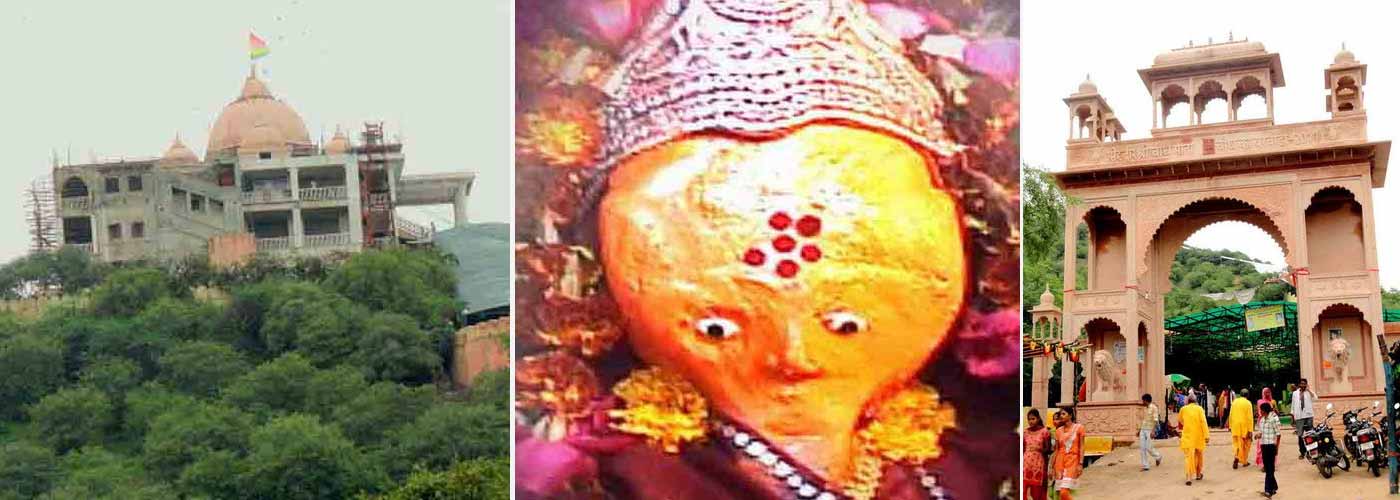
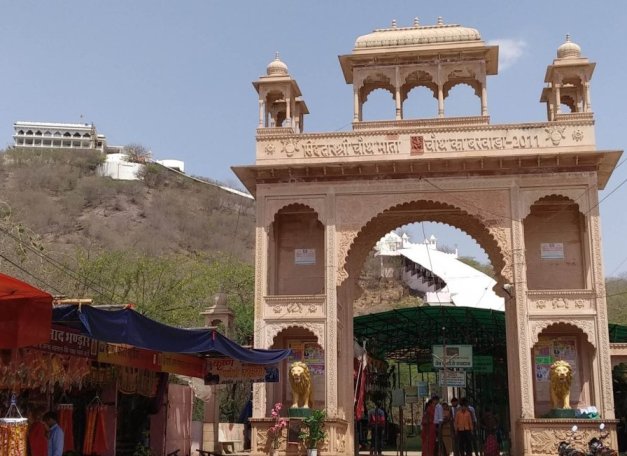
The temple displays the characteristic features of Rajput architectural style. White marble has been employed extensively throughout the structure, with decorative designs adorning the walls, pillars, and ceilings. The craftsmanship reflects the cultural and heritage sensibilities of the period in which it was built, offering visitors a tangible connection to the region's historical aesthetic.
The architectural elements work together to create a space that balances functional worship with artistic expression, typical of temples constructed during the medieval period in Rajasthan.
Visiting the Temple
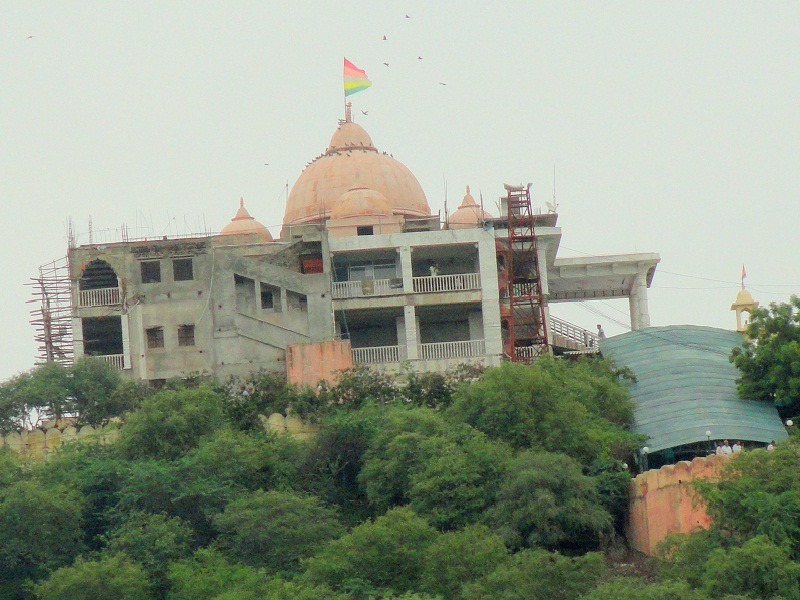
The temple is situated approximately 35 kilometers from Sawai Madhopur town and roughly 130 kilometers from Kota. The best season for visiting is November through April, when the weather in Rajasthan is most favorable for travel and outdoor activities. During these months, temperatures are moderate and rainfall is minimal, making the journey to the hilltop shrine more comfortable.
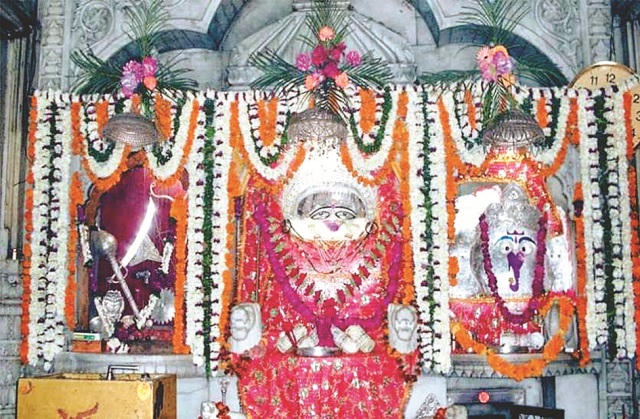
Visitors should be prepared for the elevated location and plan accordingly. As with most Hindu temples, modest dress is appropriate—covering shoulders and knees is customary. Footwear is typically removed before entering the inner sanctum. The temple welcomes devotees throughout the year, though specific darshan timings and any entry requirements should be confirmed locally before visiting, as such details may vary seasonally.
The Chauth Mata Mela
An annual fair, known as the Chauth Mata Mela, draws devotees to the temple during January or February. This gathering represents a significant occasion in the religious calendar of the region, bringing together pilgrims who come to offer prayers and participate in collective worship. The exact dates of the mela may vary from year to year, so travelers planning to attend should verify the timing in advance through local sources or temple authorities.
Reaching Chauth Mata Temple
The temple is accessible by road from Sawai Madhopur, which itself is well-connected to major cities in Rajasthan and beyond. Jaipur lies approximately 130 kilometers away, while Kota is roughly 130 kilometers distant. The town of Sawai Madhopur serves as the primary base for reaching the temple, with local transportation options available for the final leg of the journey to Chauth Ka Barwara village.
The temple's location in the Sawai Madhopur district places it within reach of visitors exploring the broader region, including those visiting nearby Ranthambore National Park and other historical sites in the area.
How to reach


You may also visit
Kalyanji Temple
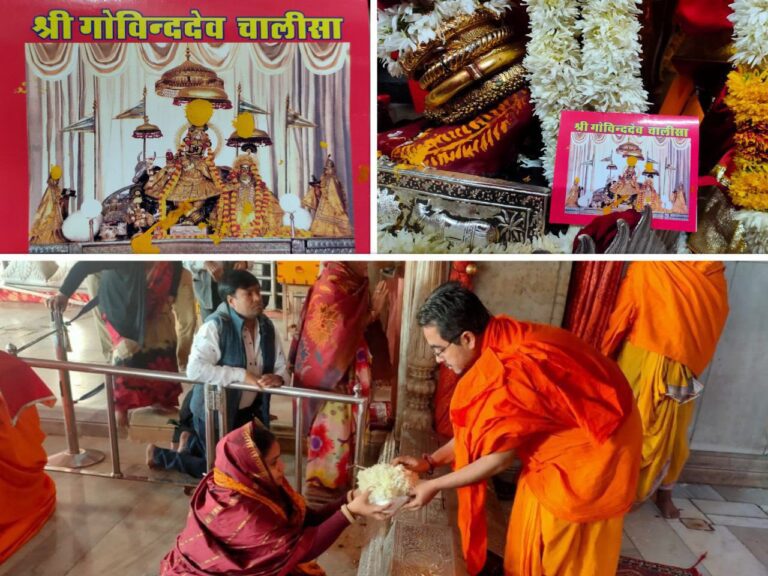
Kalyanji Temple in Jaipur's Chandpol Bazaar is approximately two centuries old and renowned for displaying the twenty-four avatars of Krishna, visible only twice yearly during Akha Teej and Patottsav festival.
Sastha (Ayyappan) Temple
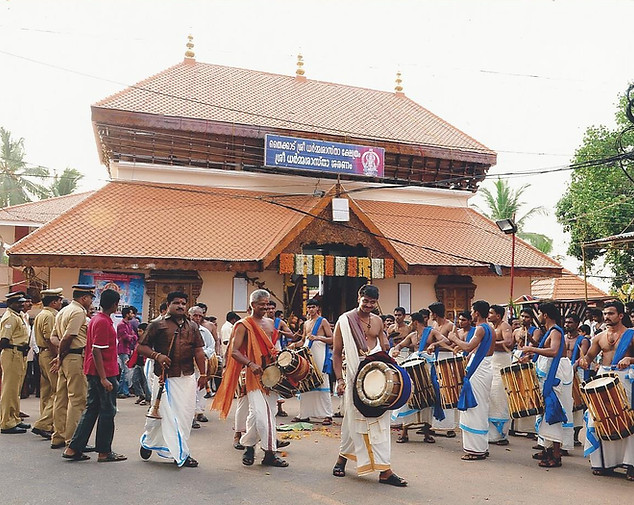
Sree Dharma Sastha Temple in Thycaud, Thiruvananthapuram, is a centuries-old shrine where the deity manifests as Dhanwanthari, the divine healer, holding the sacred blue lotus.
Govindarajaswamy Temple
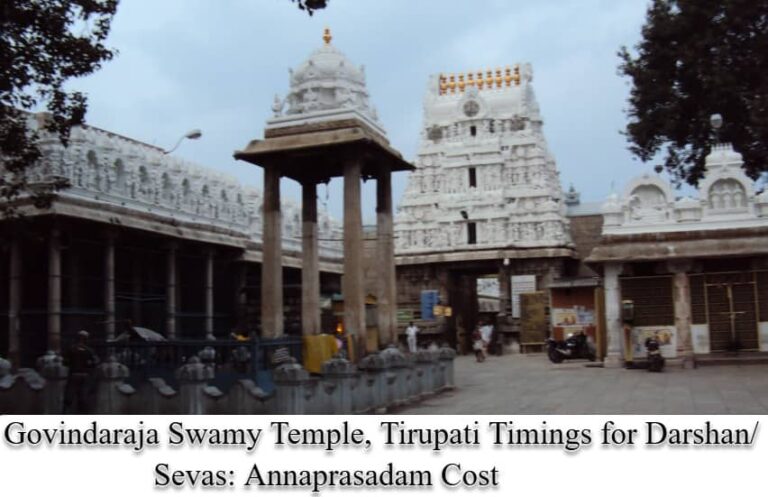
Sri Govindarajaswamy Temple in Tirupati is an ancient Vaishnavaite shrine consecrated in 1130 AD by Saint Ramanuja, where the presiding deity rests in eternal Yoga Nidra on the serpent Adisesha.