Ma Ambika Mandir, Musen Mata
About Ma Ambika Mandir, Musen Mata
Musen Mata lies approximately 40 to 50 kilometres south of Baran town, situated within the Hadoti region known for its forested terrain and river valleys. The Bhupasi River, which flows past the temple, forms a natural boundary and contributes to the serene character of the location. The surrounding landscape consists of dense woodland and scrub vegetation typical of this part of Rajasthan, creating an environment of relative isolation from urban settlements.
The protected forest status of the area means that the natural surroundings remain largely undisturbed. This preservation reflects both ecological concern and the traditional Hindu understanding of sacred groves as spaces where the divine presence is particularly palpable.
Architecture and Worship
The temple is noted for its architectural merit, though the sources provide limited detail about specific structural features or sculptural elements. The building stands as a focal point within its forested setting, designed to accommodate devotees who come for darshan—the viewing and receiving of blessings from the deity's image.
Temples dedicated to Durga and her manifestations typically feature a sanctum housing the deity's idol, with spaces for circumambulation and prayer. The exact layout and decorative elements of this particular temple remain undocumented in available sources, but the site's reputation for architectural quality suggests careful construction suited to its sacred purpose.
Visiting the Temple
The temple is open continuously—24 hours daily—making it accessible to devotees at any time. This round-the-clock availability is unusual and reflects the site's role as a place of refuge and spiritual practice for the local community and visiting pilgrims.
Visitors should approach the temple with the respect appropriate to a Hindu sacred space. Modest dress is customary; removing footwear before entering the sanctum is standard practice. The forest setting means the approach may involve walking through natural terrain, so sturdy footwear for the journey to the temple is practical, though shoes are left outside the shrine itself. The remote location and protected forest status mean facilities may be minimal; visitors should come prepared with water and any personal necessities. The Bhupasi River nearby offers a natural setting for ritual bathing, which many pilgrims undertake before worship.
Reaching the Temple
Musen Mata village is located in Atru tehsil, approximately 10 kilometres from Atru town. The broader region is connected to Baran and other cities via National Highway 27. The nearest railway station is at Atru, which provides access for those travelling by train. From there, local transport or arranged travel to the village would be necessary, as the temple's forest location places it away from major roads.
Visitors planning a journey should account for the rural setting and arrange transport accordingly. The coordinates 24.8010695, 76.6373779 can assist those using GPS navigation, though local enquiry upon arrival in the area may prove helpful given the remote nature of the location.
The Sacred Forest
The forest surrounding Ma Ambika Mandir holds significance beyond its ecological value. In Hindu tradition, forests and groves associated with temples are understood as sanctified spaces where the boundary between the human and divine realms grows thin. The prohibition on timber cutting and encroachment here preserves this character intentionally.
The Bhupasi River adds another layer of sanctity, as rivers in Hindu practice are revered as manifestations of the divine feminine and as purifying forces. The combination of river, forest, and temple creates a landscape understood by devotees as inherently sacred—a place where worship occurs not only within the shrine but throughout the natural surroundings.
How to reach
Temples near Ma Ambika Mandir, Musen Mata
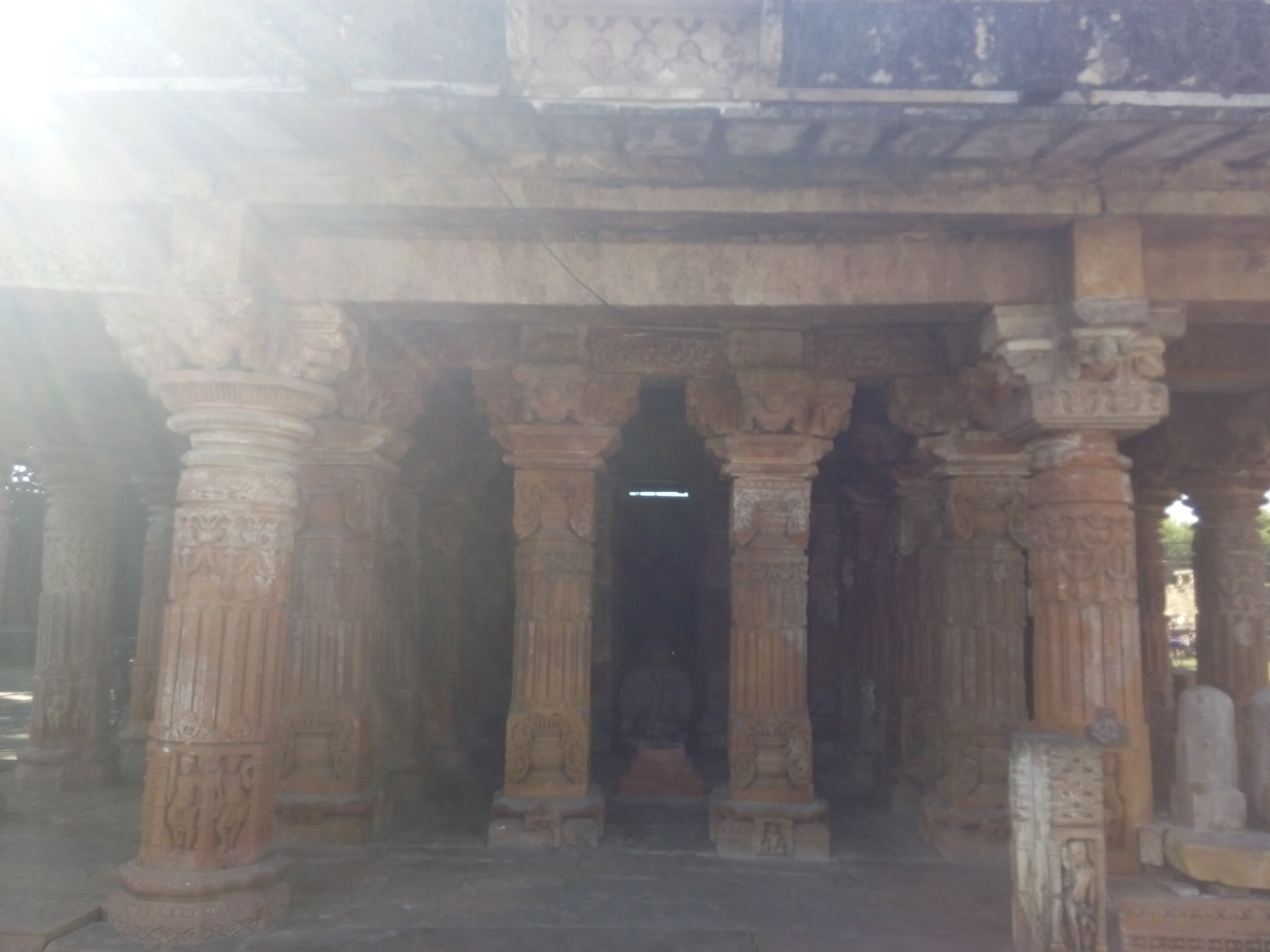
Sitaleshwar Temple
Sitaleshwar Temple in Jhalrapatan, Rajasthan, is an ancient Shiva shrine established in the 7th century, distinguished by its elaborately carved pillars and relief sculptures de…
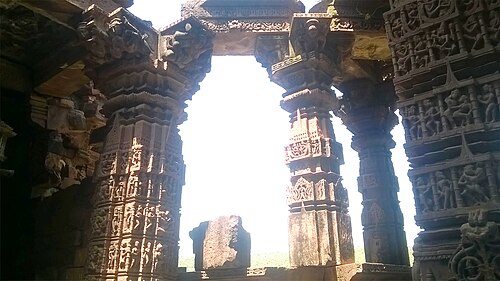
Bhand Deva Temple
Bhand Deva Temple, known as Rajasthan's Little Khajuraho, is a 10th-century Shiva temple built in Khajuraho architectural style, located on the banks of a crater lake within the…
Shyam Kaka Temple
Shyam Kaka Temple, established in 1845 CE, is a Krishna temple in Rajgarh district, Madhya Pradesh, notable for its interfaith panel depicting six Muslim men in prayer and its I…
Keshav Rai Temple
Keshav Rai Temple, built in 1641 by Rao Raja Chhatrasal, stands on the banks of the Chambal River in Keshoraipatan, Rajasthan, and is dedicated to Keshav Rai (Vishnu). The shrin…
Ghateshwar Temple
Ghateshwar Temple is a Shiva shrine in Baroli, Rajasthan, built in the Pratihara architectural style and recognized as a Monument of National Importance under Archaeological Sur…

Bijasan Mata Temple, Indragarh
Bijasan Mata Temple is an ancient hilltop shrine dedicated to Goddess Durga, perched atop the Aravalli Range in Indragarh, Bundi district, Rajasthan. Accessible after climbing a…