Baijnath Temple
About Baijnath Temple
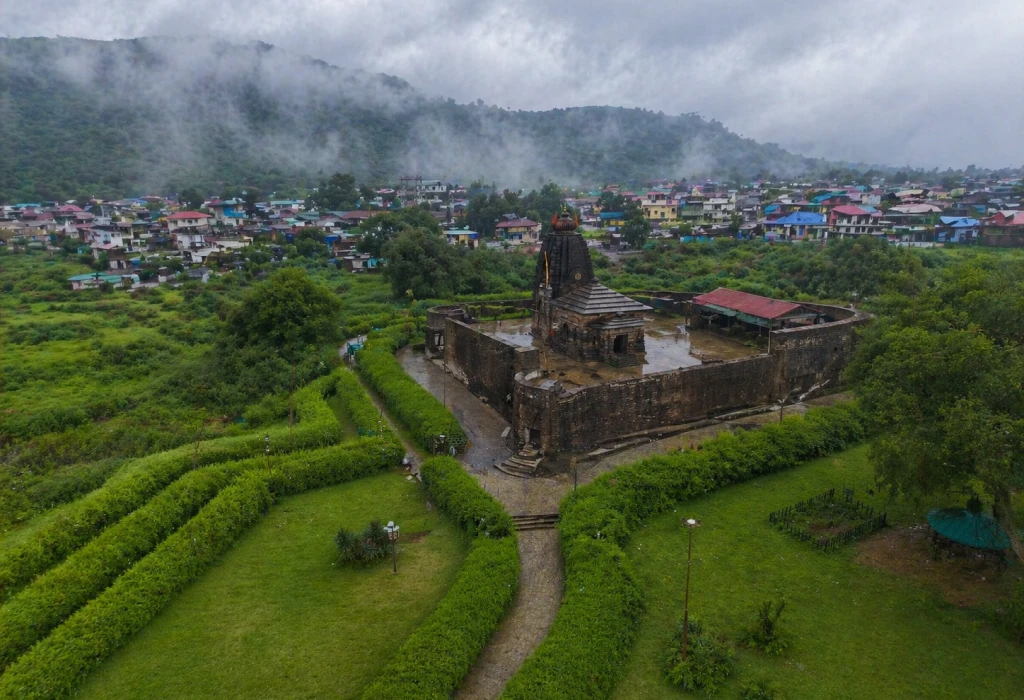
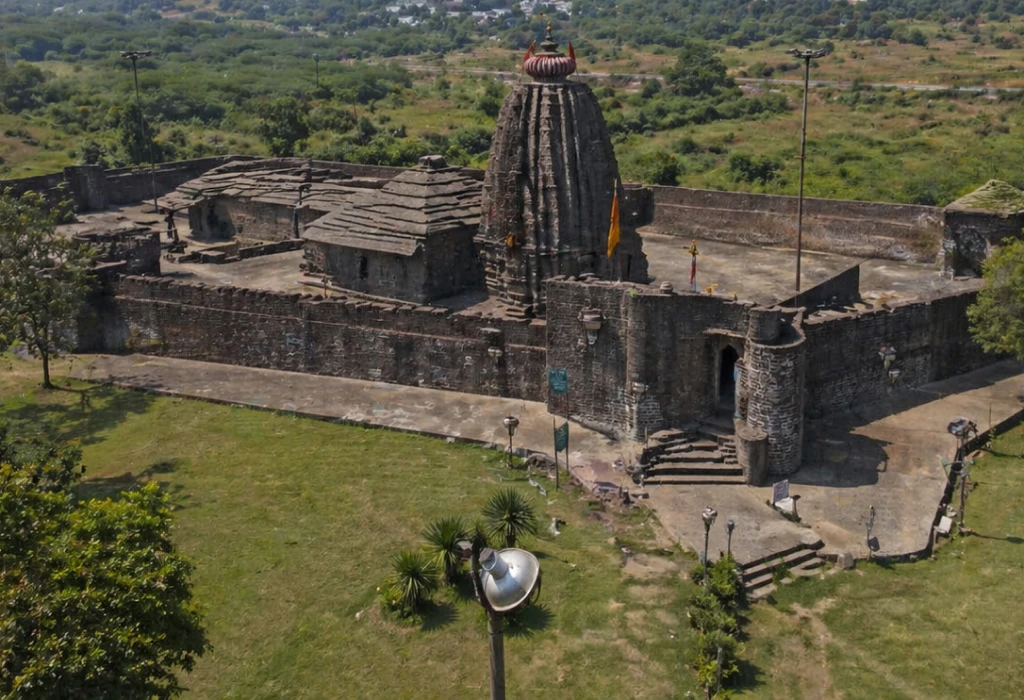
The temple follows the Nagara architectural style, a classical approach to Hindu temple design that emphasizes vertical lines and a distinctive tower structure. The Nagara style, common across northern India, creates temples that are visually distinctive and functionally organized for worship. The temple's construction in 1204 places it within a significant period of temple building in the Himalayan foothills, when the region saw considerable architectural development.
The Archaeological Survey of India's ongoing conservation work ensures that the temple's structural integrity and historical character are maintained for future generations of devotees and visitors.
Visiting the Temple
The temple is located at coordinates 32.08361111, 76.96638889 in Baijnath town. Visitors should dress modestly, as is customary at Hindu temples—covered shoulders and knees are appropriate. Specific darshan timings and daily ritual schedules are best confirmed directly with the temple or through local inquiry upon arrival, as these details may vary seasonally.
The town of Baijnath is accessible by road through Kangra District. Visitors planning their journey should allow time to reach the temple and participate in darshan (viewing of the deity) at their preferred time. The temple's location in the Kangra Valley places it within reach of other significant religious and cultural sites in the region.
Festivals and Auspicious Times
Three major festivals draw devotees to Baijnath Temple: Maha Shivaratri in February, Ram Navami in March, and Raksha Bandhan in August. Maha Shivaratri, the great night of Shiva, is particularly significant at temples dedicated to Shiva, as devotees gather for extended worship and meditation. Ram Navami celebrates the birth of Rama, while Raksha Bandhan marks the bond between siblings and is observed across Hindu communities.
These festivals typically bring increased numbers of pilgrims and may involve special rituals and offerings. Visitors planning to attend during these periods should anticipate larger crowds and may wish to arrive early for darshan.
Worship and Rituals
As a Jyotirlinga shrine, Baijnath Temple follows the ritual practices associated with Shiva worship. Temples dedicated to Shiva typically offer abhishek (ritual bathing of the deity with water, milk, and other sacred substances), puja (worship ceremonies), and opportunities for personal darshan. The specific rituals performed daily and the times at which they occur should be confirmed with the temple directly.
Devotees may participate in worship according to their own practice and the temple's guidelines. Offerings of flowers, incense, and other items are customary at Hindu temples, and the temple likely provides information about appropriate offerings upon arrival.
Practical Information
The temple is situated in a small town, so visitors should plan accordingly for accommodation and meals. The Kangra Valley region has various lodging options ranging from simple guesthouses to more developed facilities. It is advisable to check current conditions, opening hours, and any special arrangements before traveling, particularly if visiting during festival periods when the temple may be especially busy.
Photography policies and other visitor guidelines should be confirmed at the temple entrance. Respectful behavior—including silence in the inner sanctum and following the directions of temple staff—is essential for maintaining the sacred atmosphere and ensuring a positive experience for all visitors.
How to reach

Temples near Baijnath Temple
Chaturbhuj Temple, Naggar
Chaturbhuj Temple in Khajuraho's Southern Group is a 12th-century Vishnu shrine notable for its four-armed idol and absence of erotic sculptures, distinguishing it from other te…
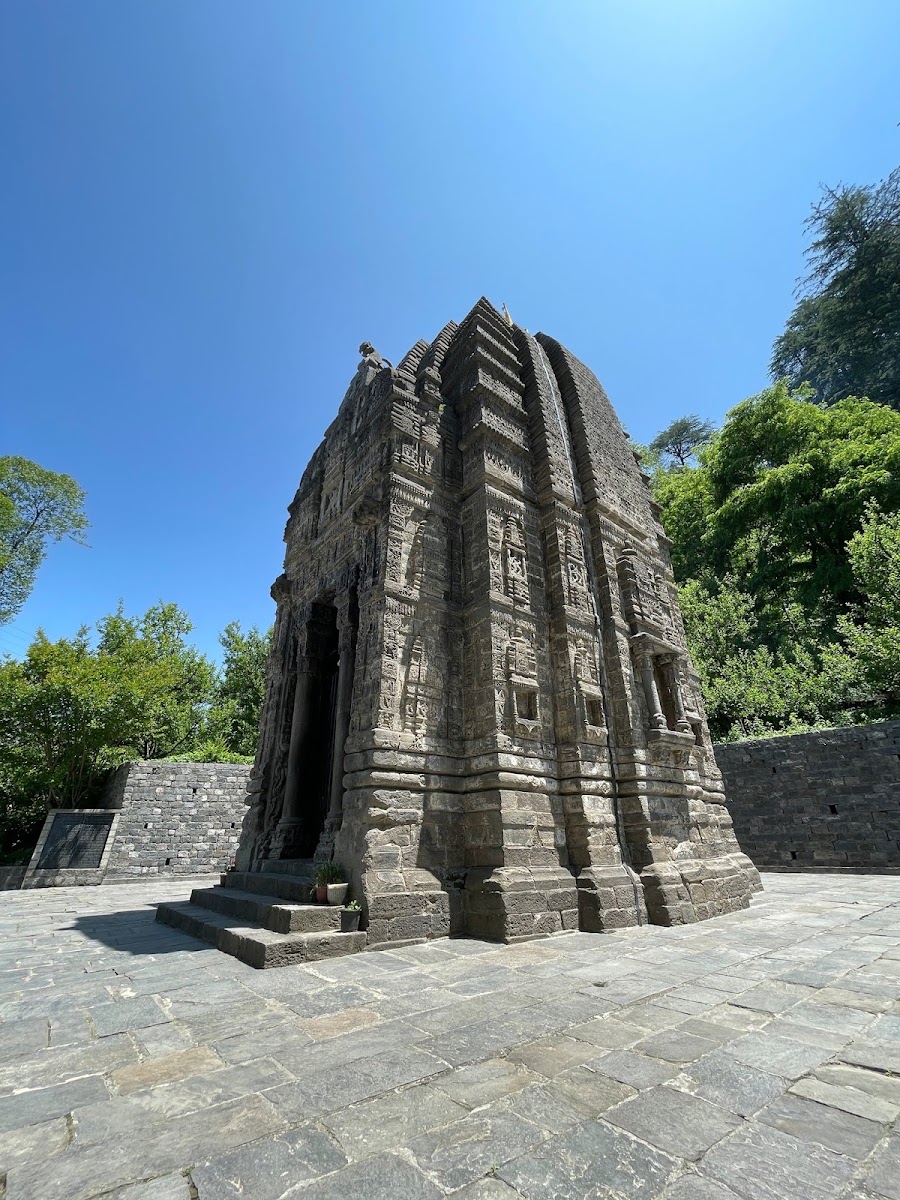
Gauri Shankar Temple, Dasal
Gauri Shankar Temple is an 800-year-old shrine dedicated to Lord Shiva located in Old Delhi's Chandni Chowk, featuring an ancient brown lingam and idols of Goddess Parvati and o…
Hidimba Devi Temple
Hidimba Devi Temple in Manali is an ancient wooden cave shrine dedicated to Hidimbi, wife of Bhima from the Mahabharata, nestled within a serene cedar forest at the foothills of…
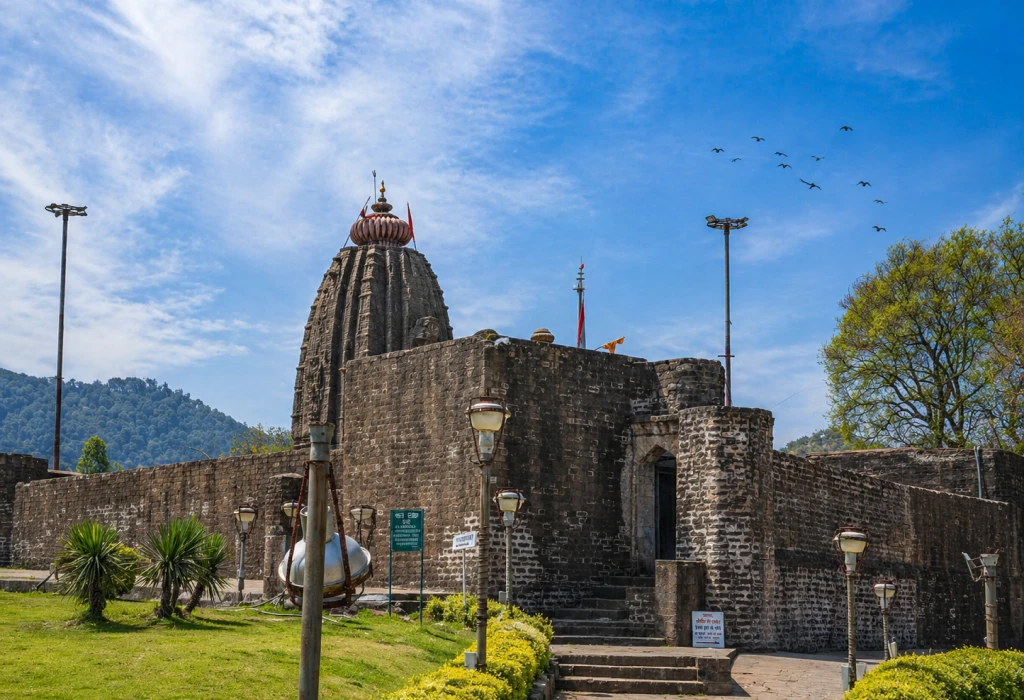
Baijnath Temple, Himachal Pradesh
Baijnath Temple is a 13th-century Nagara-style shrine in Kangra valley dedicated to Lord Shiva, revered as Vaidyanath the healer.
Sidhnath Temple, Baijnath
Baijnath Temple is a 13th-century Nagara-style Shiva temple in Kangra valley, Himachal Pradesh, dedicated to Lord Shiva as Vaidyanath, the divine healer.
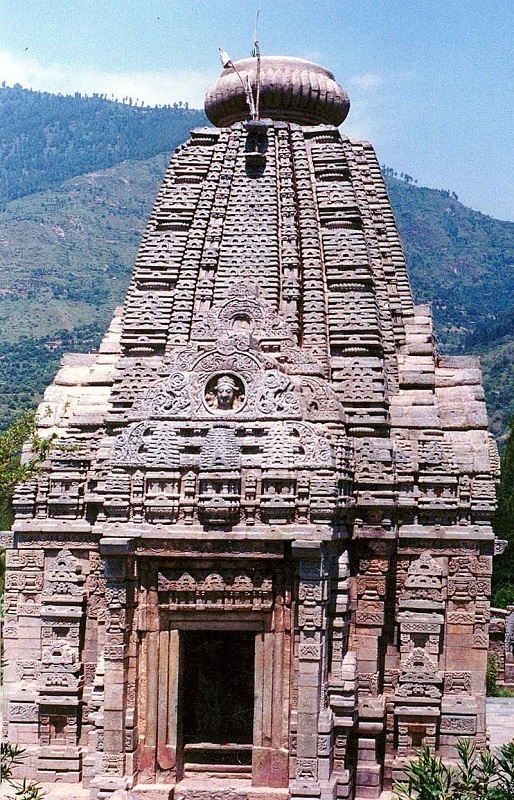
Basheshar Mahadev Temple, Bajaura
Basheshwar Mahadev Temple in Bajaura is Kullu Valley's largest and oldest stone shrine, dedicated to Lord Shiva and renowned for its exquisite 8th-9th century carvings and Nagar…