Gauri Shankar Temple, Dasal
About Gauri Shankar Temple, Dasal
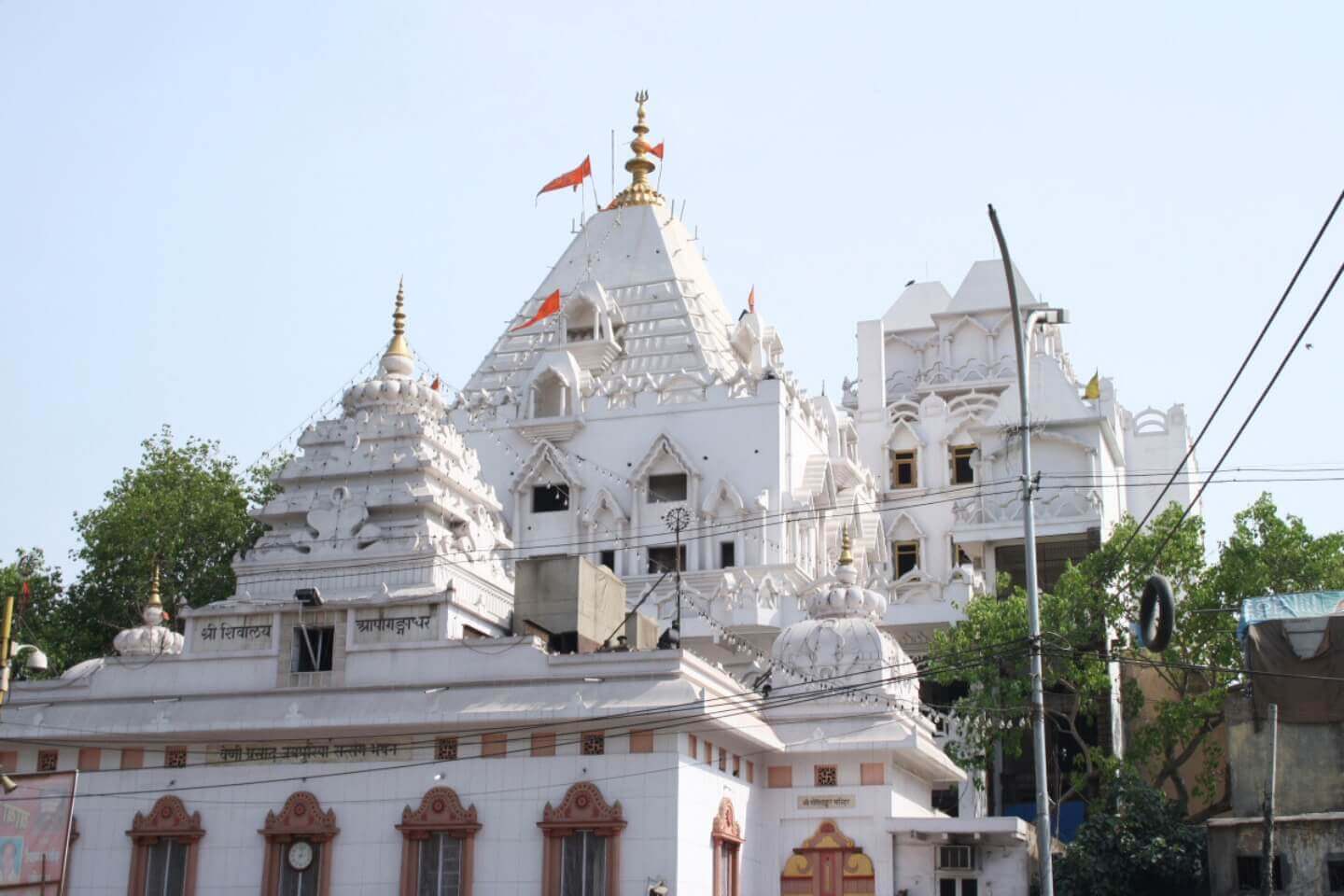
According to local tradition, the temple's founding is connected to a Maratha soldier named Apa Ganga Dhar, who was devoted to Lord Shiva. After suffering severe injury in battle with little hope of recovery, he made a vow to construct a temple in Shiva's honor if he regained his health. His condition improved, and he fulfilled his pledge by building the temple. The structure remained in use for generations until Seth Jaipura undertook a significant renovation in 1959, restoring the temple to serve contemporary devotees while preserving its essential character and the ancient lingam at its heart.
Architecture and Layout
The temple's design is straightforward and functional rather than ornate. Visitors enter through marble steps flanked by pillars that lead into a courtyard. Within this courtyard stands a chair associated with Bhagat Swaroup Brahmachari, a figure who spent half his life in residence at the temple. The courtyard also houses small stalls selling items needed for worship—sandalwood powder, flowers, bael leaves, and rice—making it convenient for those arriving without prepared offerings.
The inner sanctum contains the eight-hundred-year-old lingam, which receives daily ritual attention during morning worship. Behind the lingam stand stone or metal idols of Lord Shiva and Goddess Parvati, adorned with gold jewelry. The lingam itself is bathed with milk during the morning aarti and decorated with flowers, following practices common to Shiva temples across India where the lingam represents the formless divine made manifest.
Daily Worship and Darshan
The temple maintains consistent hours throughout the week, opening at 5:00 AM and closing at 10:00 AM in the morning, then reopening at 5:00 PM until 10:00 PM in the evening. Aartis—the ritual waving of lamps before the deity—occur during both morning and evening sessions, providing moments when the temple's spiritual energy is considered especially concentrated. These are times when many devotees gather, though the temple welcomes visitors throughout its open hours.
Entry to the temple is free, and there are no restrictions based on caste, creed, or background. Visitors should dress modestly, covering shoulders and knees as a sign of respect in a Hindu place of worship. Removing shoes before entering the inner sanctum is standard practice. Those wishing to make offerings can purchase flowers and other items from the courtyard stalls, or bring their own.
Best Seasons for Visiting
The period from October through March offers the most comfortable conditions for visiting Delhi and exploring its temples. During these months, the weather is mild, making it pleasant to navigate Old Delhi's narrow lanes and spend time in the temple's courtyard. The summer heat and monsoon rains of other seasons can make such visits more challenging, though the temple remains open year-round.
Reaching the Temple
Gauri Shankar Temple is located at Manohar Market in the Hauz Qazi area near Chandni Chowk, one of Old Delhi's most recognizable landmarks. The address is Manohar Market, Hauz Qazi, Chandni Chowk, New Delhi, Delhi 110006. The site is accessible by metro, auto-rickshaw, or on foot for those already exploring the Chandni Chowk district. Visitors should be prepared for the crowded, vibrant atmosphere typical of this historic commercial and religious quarter, where temples, shops, and markets exist in close proximity.
How to reach
Temples near Gauri Shankar Temple, Dasal
Chaturbhuj Temple, Naggar
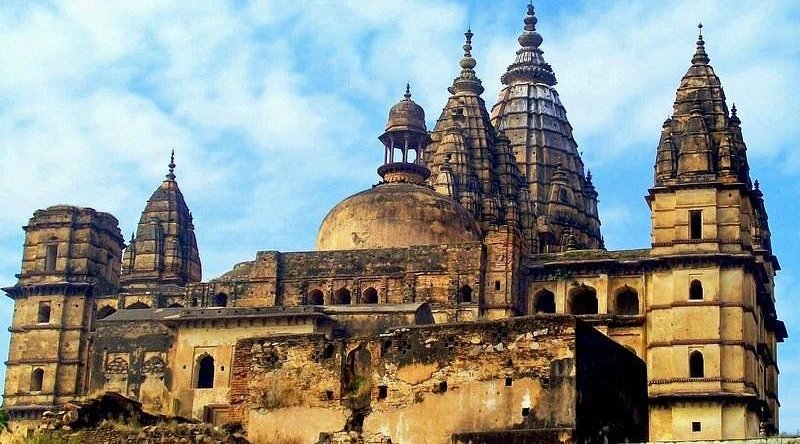
Chaturbhuj Temple in Khajuraho's Southern Group is a 12th-century Vishnu shrine notable for its four-armed idol and absence of erotic sculptures, distinguishing it from other te…
Hidimba Devi Temple
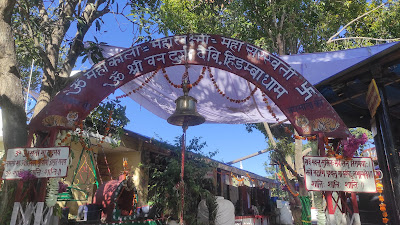
Hidimba Devi Temple in Manali is an ancient wooden cave shrine dedicated to Hidimbi, wife of Bhima from the Mahabharata, nestled within a serene cedar forest at the foothills of…
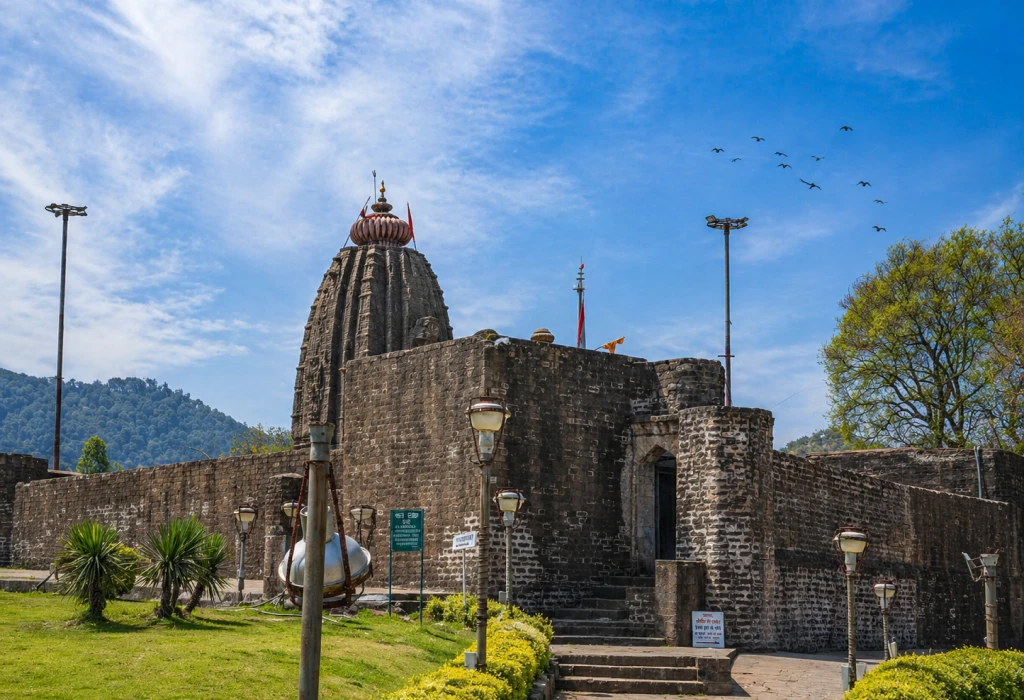
Baijnath Temple
Baijnath Temple is a 12th-century Nagara-style shrine in Himachal Pradesh dedicated to Shiva as Vaidyanath, the lord of physicians. Built in 1204 by merchants Ahuka and Manyuka,…
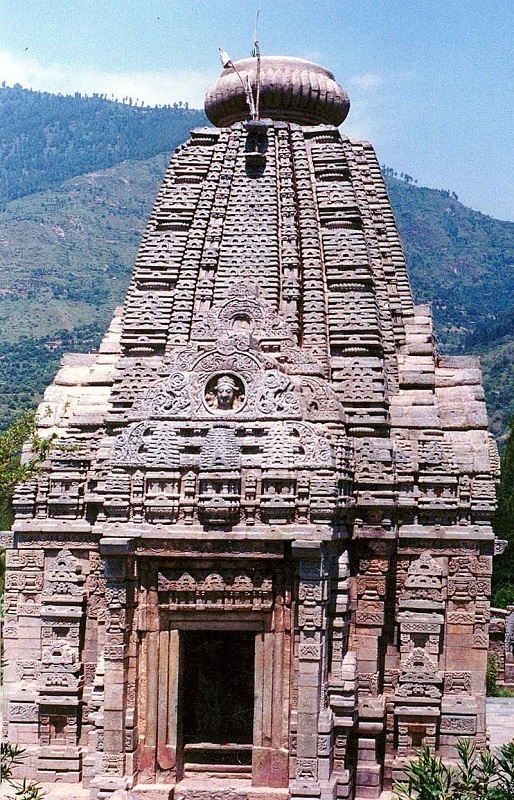
Basheshar Mahadev Temple, Bajaura
Basheshwar Mahadev Temple in Bajaura is Kullu Valley's largest and oldest stone shrine, dedicated to Lord Shiva and renowned for its exquisite 8th-9th century carvings and Nagar…
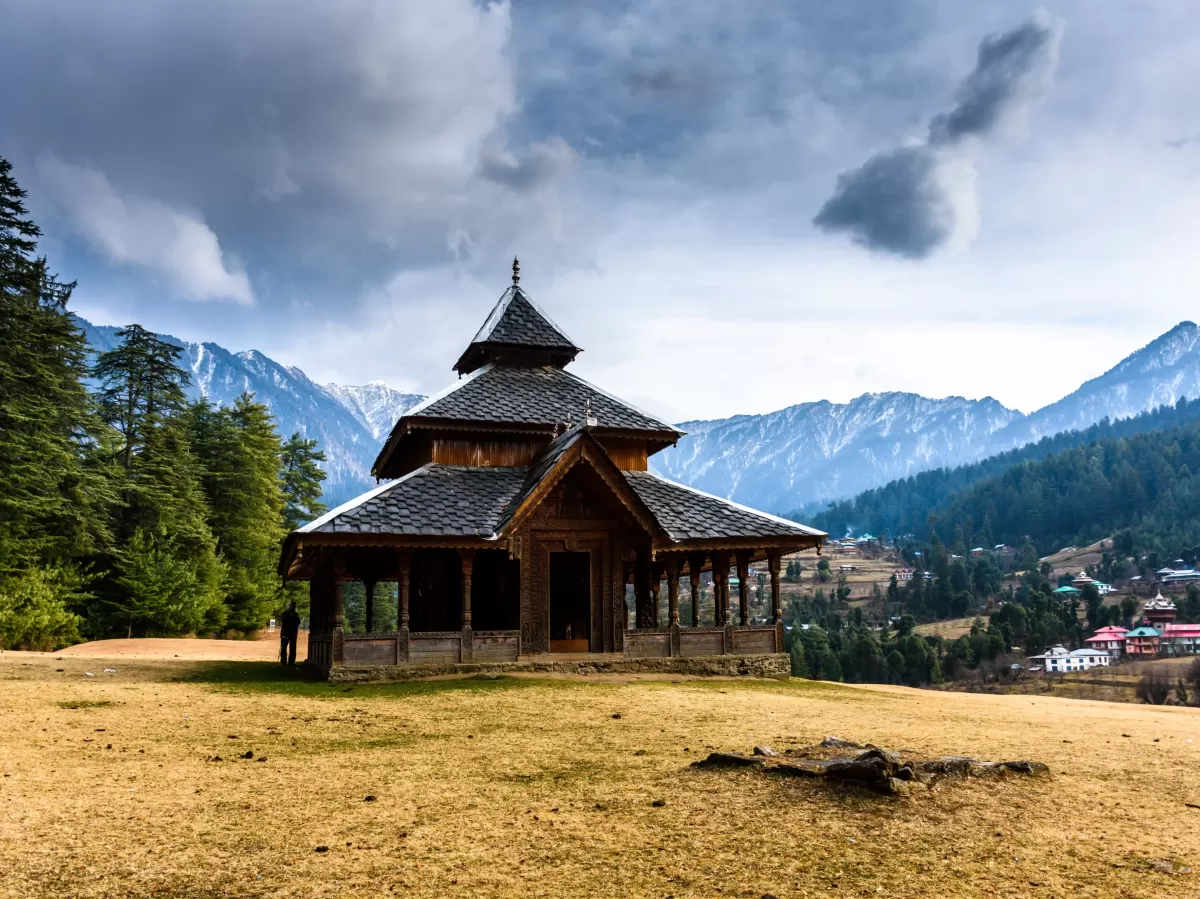
Shanghchul Mahadev Temple, Shangarh
Shangchul Mahadev Temple is an ancient shrine dedicated to Lord Shiva, perched at 2,250 meters in Shangarh village within Himachal Pradesh's Sainj Valley, offering spiritual sol…
Baijnath Temple, Himachal Pradesh
Baijnath Temple is a 13th-century Nagara-style shrine in Kangra valley dedicated to Lord Shiva, revered as Vaidyanath the healer.