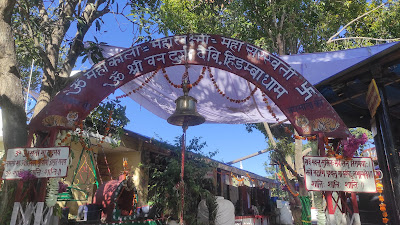
Hidimba Devi Temple
About Hidimba Devi Temple
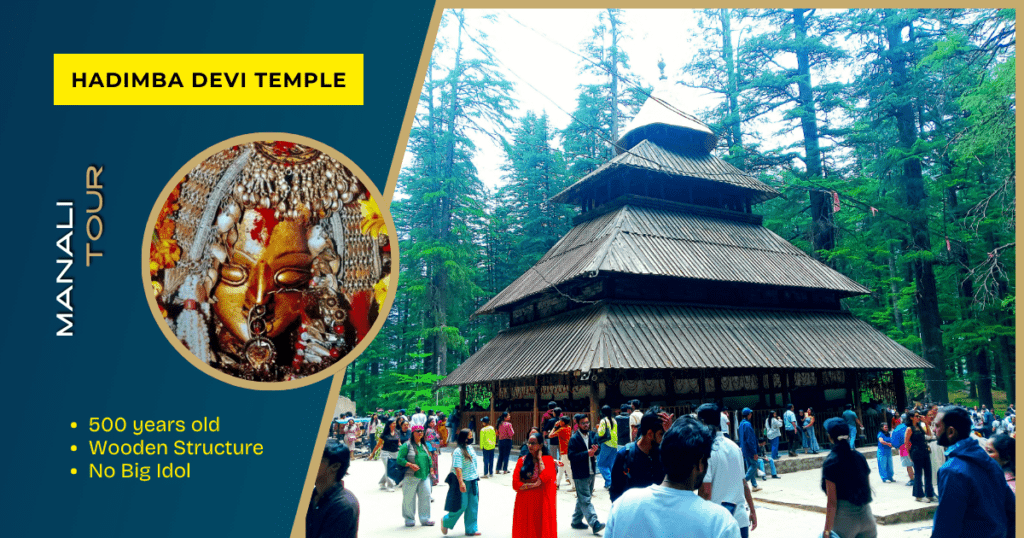
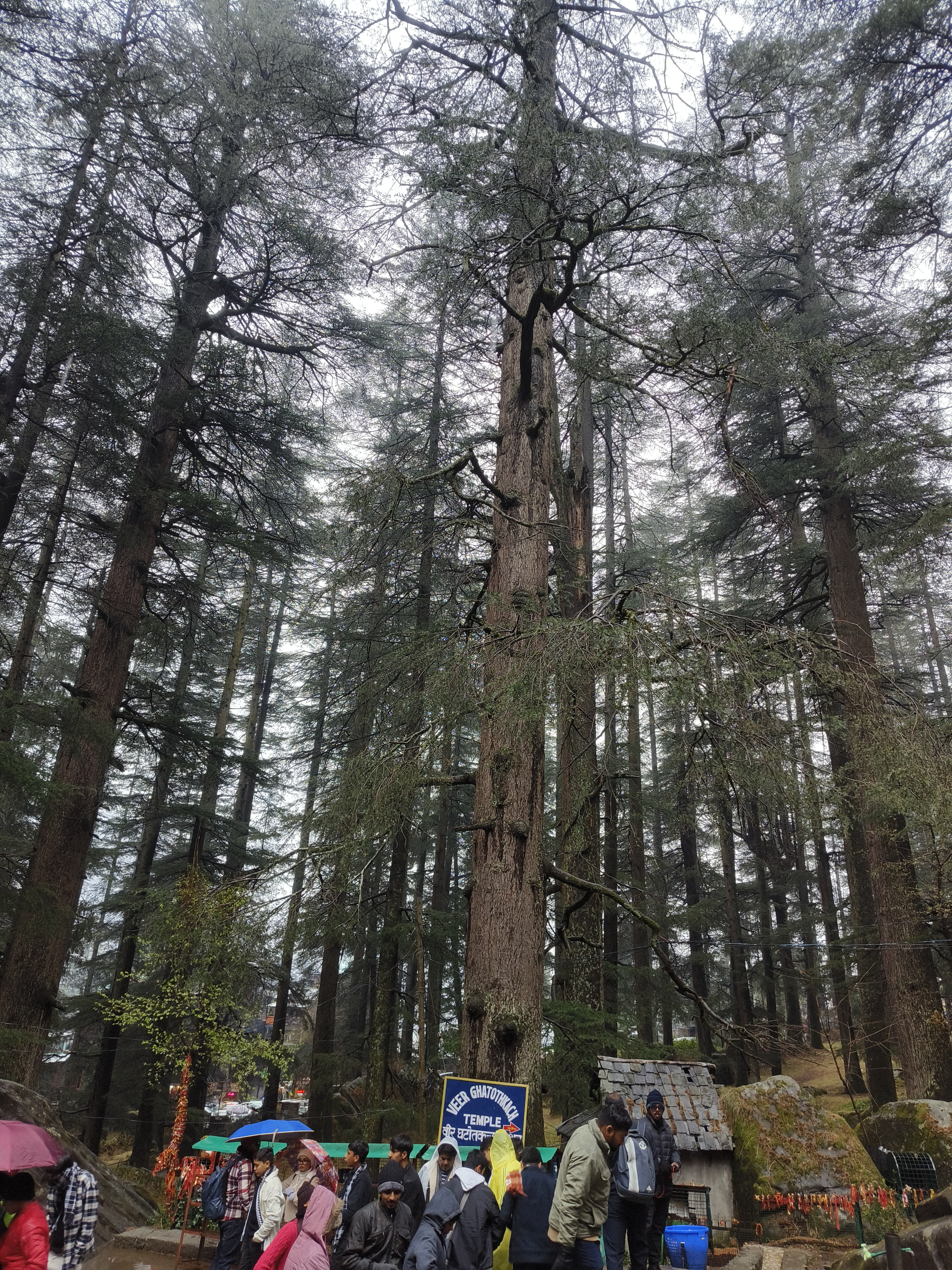
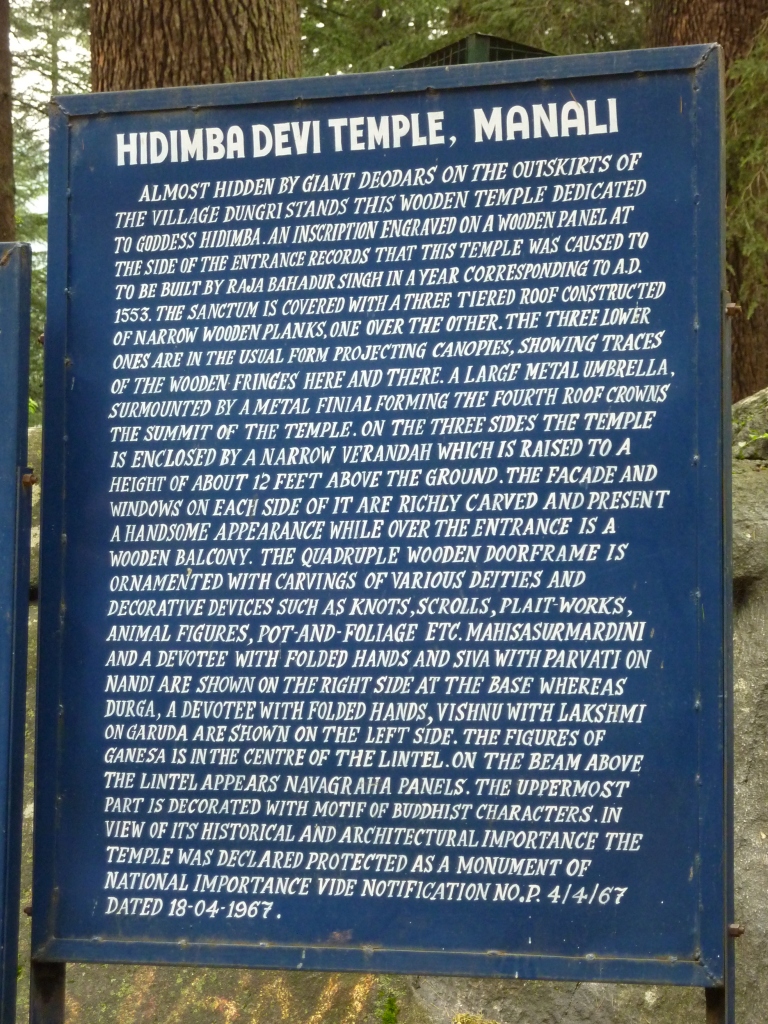
Maharaja Bahadur Singh commissioned the temple's construction in 1553, establishing it as a place of worship that has endured for nearly five centuries. The temple is locally known as Dhungari Temple, named after the Dhungri Van Vihar, the cedar forest that surrounds it. This forest setting has been preserved, creating a sanctuary that remains distinct from the modern development of Manali town. The temple's age and the deliberate choice to build it within a natural forest environment reflect the spiritual priorities of its founder.
Architecture and Design
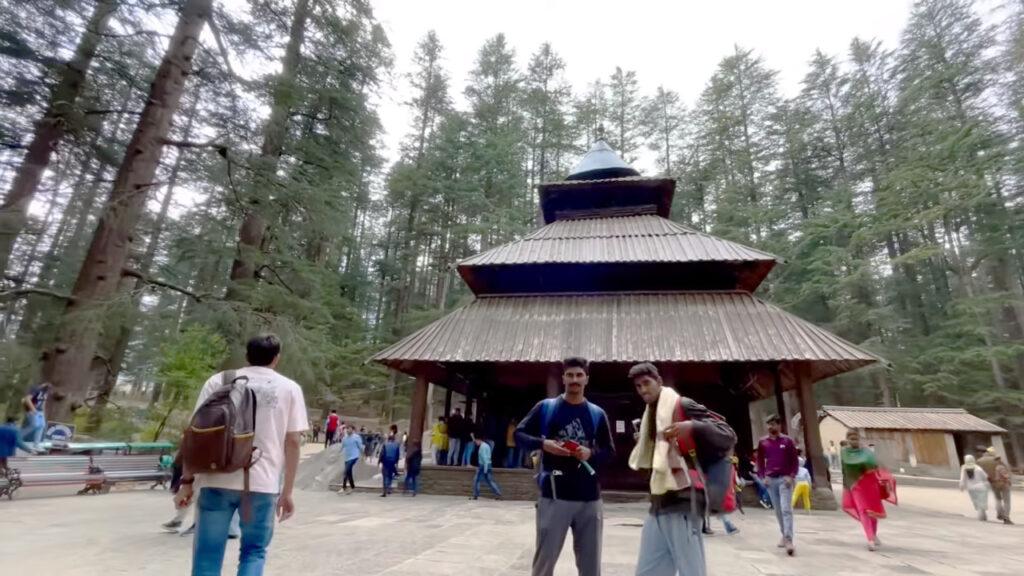
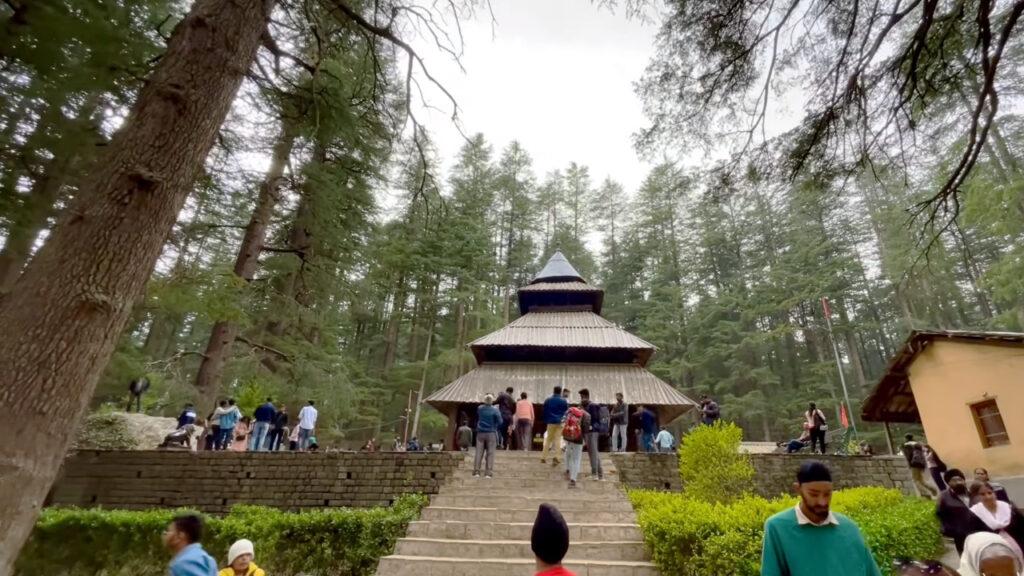
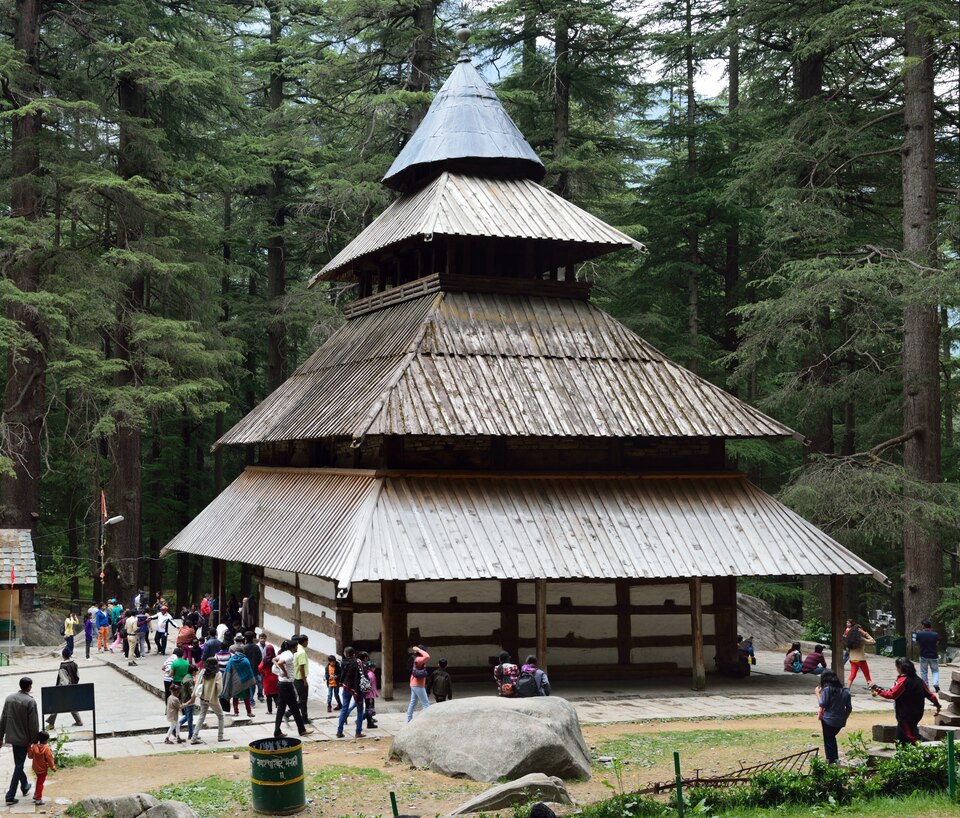
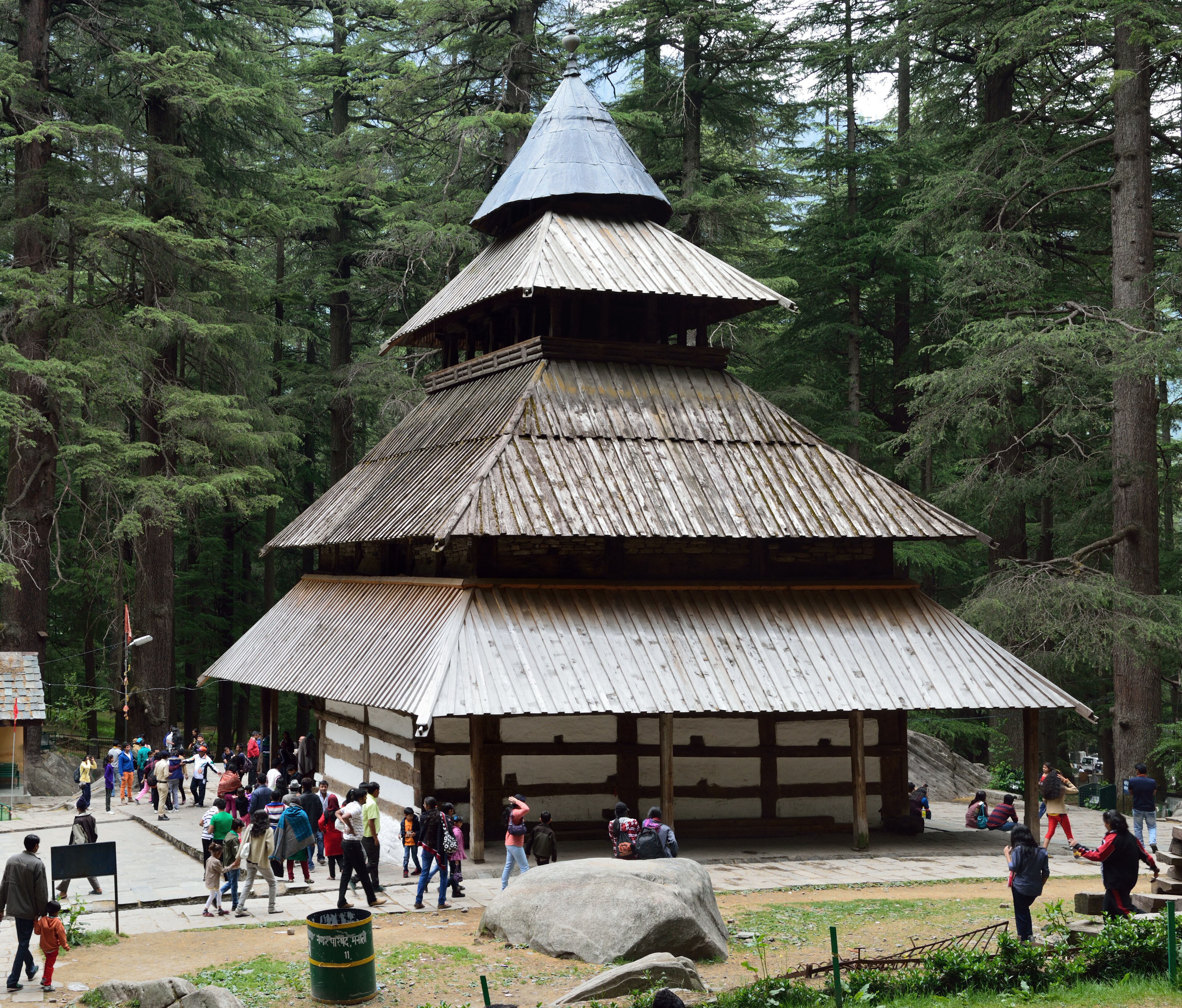
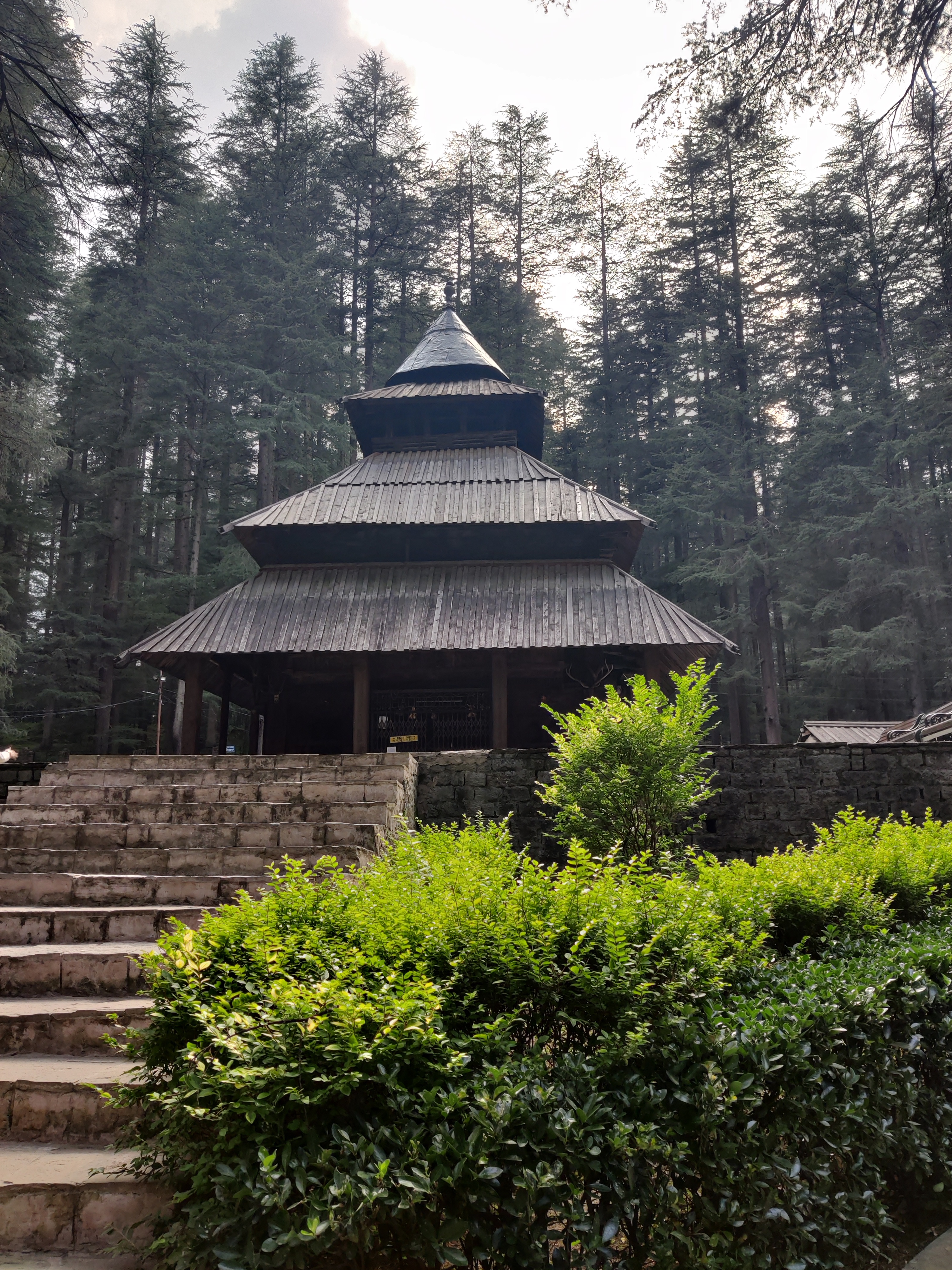
The temple's structure is notable for its pagoda-style architecture, which distinguishes it from many other Hindu temples in India. Rather than following conventional temple design, the building rises in a distinctive tiered form. The sanctuary was constructed to encompass the large rock formation that juts from the ground—this geological feature was not removed or built over, but instead integrated into the temple's sacred space. This approach to architecture, where natural elements are incorporated rather than replaced, reflects a particular understanding of how the divine manifests in the physical landscape.
Visiting Hours and Darshan
The temple opens for darshan from 08:00 to 18:00 daily. Visitors should plan their visit within these hours. The temple is situated at Dhungri in Manali, at coordinates 32.24228, 77.187366. The surrounding forest environment means the approach to the temple involves walking through wooded areas; visitors should wear appropriate footwear and be prepared for uneven terrain. The cedar forest creates a cool, shaded atmosphere even during warm months, though weather conditions can change rapidly at this altitude.
Best Times to Visit
The climate of Manali makes certain seasons more comfortable for travel. March through June offers pleasant weather as spring transitions to early summer, with clear skies and moderate temperatures. September through November provides another window of favourable conditions as the monsoon season ends and autumn arrives. These periods avoid the heavy snowfall of winter and the intense heat and rain of the monsoon months. Visitors planning trips during other seasons should prepare for more challenging weather conditions.
Reaching the Temple
Manali is accessible by road from major cities in Himachal Pradesh and neighbouring states. The town itself is well-connected by bus and private vehicle routes. Once in Manali, the temple's location in the Dhungri area is known locally; directions can be obtained from hotels, tourist offices, or local residents. The walk from the main town to the temple takes visitors through the cedar forest, which is part of the experience of visiting this sanctuary.
Visiting Etiquette and Practical Information
As a functioning Hindu temple, visitors should observe standard practices: remove footwear before entering the inner sanctum, dress modestly, and maintain respectful behaviour within the sacred space. Photography policies may vary; it is courteous to ask before photographing. The forest setting means there are limited facilities immediately at the temple; visitors should bring water and plan accordingly. The altitude and forest environment can be cool even when lowland areas are warm, so layered clothing is advisable. The temple's integration into a natural forest sanctuary means the visit offers both spiritual and natural experiences.
How to reach


You may also visit
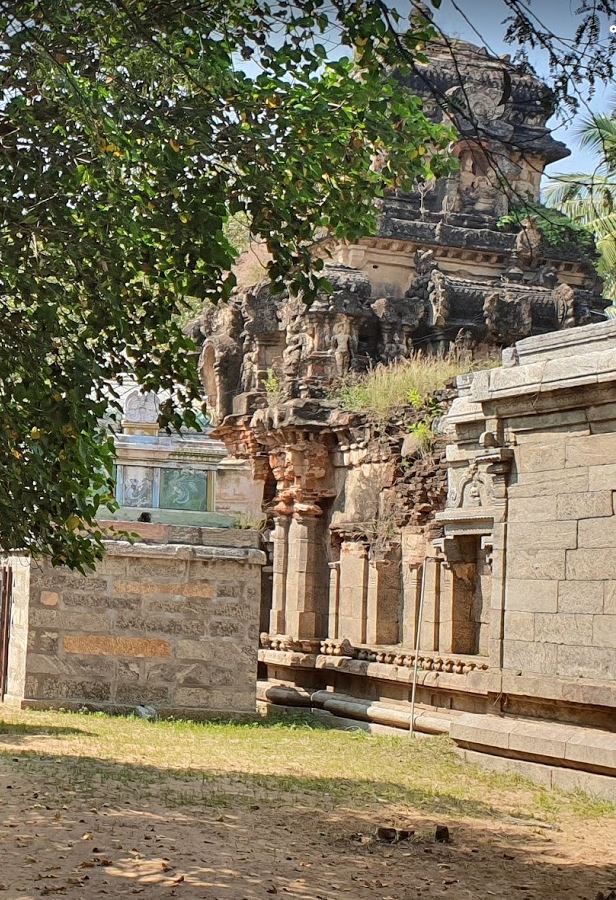
Agatheeswarar Temple, Karur
Agatheeswarar Temple in Thirumukkudalur, Karur district, is an ancient Hindu shrine dedicated to Shiva, situated at the sacred confluence of three rivers and believed to be over 1000 years old.
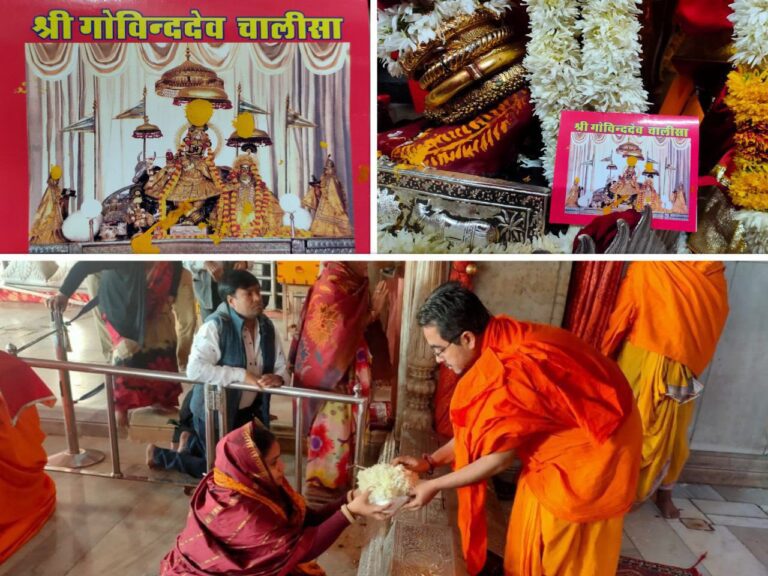
Kalyanji Temple
Kalyanji Temple in Jaipur's Chandpol Bazaar is an ancient Krishna shrine established in the 1820s, renowned for its seven daily aartis and special avatar darshan ceremonies during Akha Teej and Patottsav festivals.
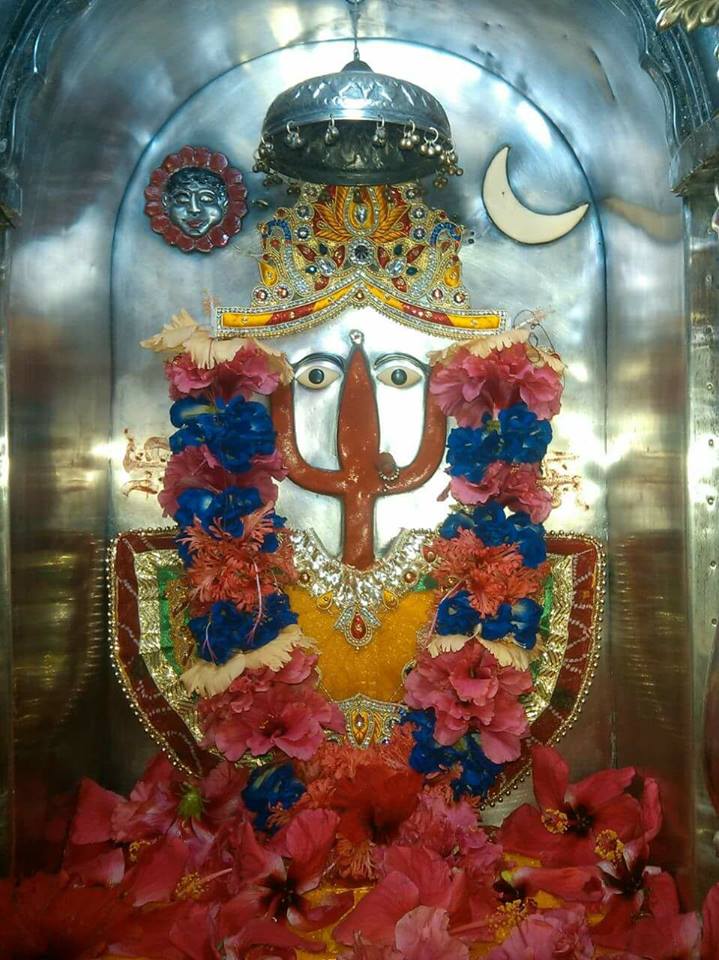
Rani Sati Mandir Mahuda
Rani Sati Mandir in Mahuda, Dhanbad District, is a Hindu temple established in 1992 that serves as a spiritual center for the local community and attracts devotees seeking blessings.