Chaturbhuj Temple, Naggar
About Chaturbhuj Temple, Naggar
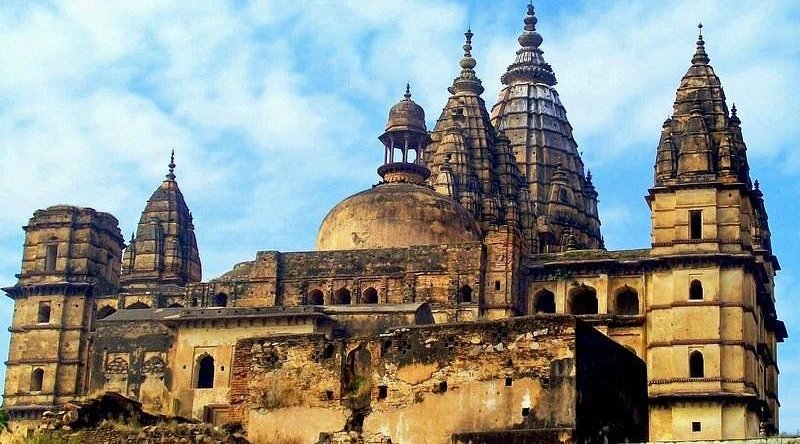
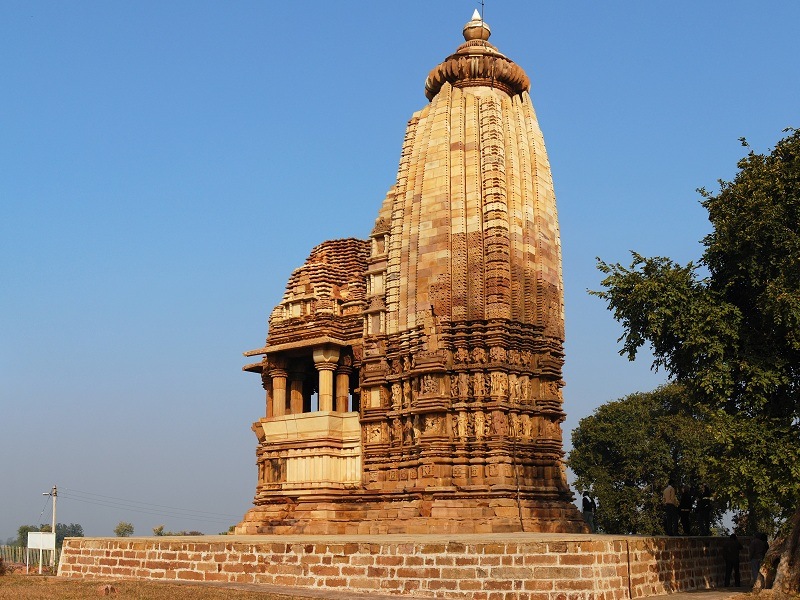
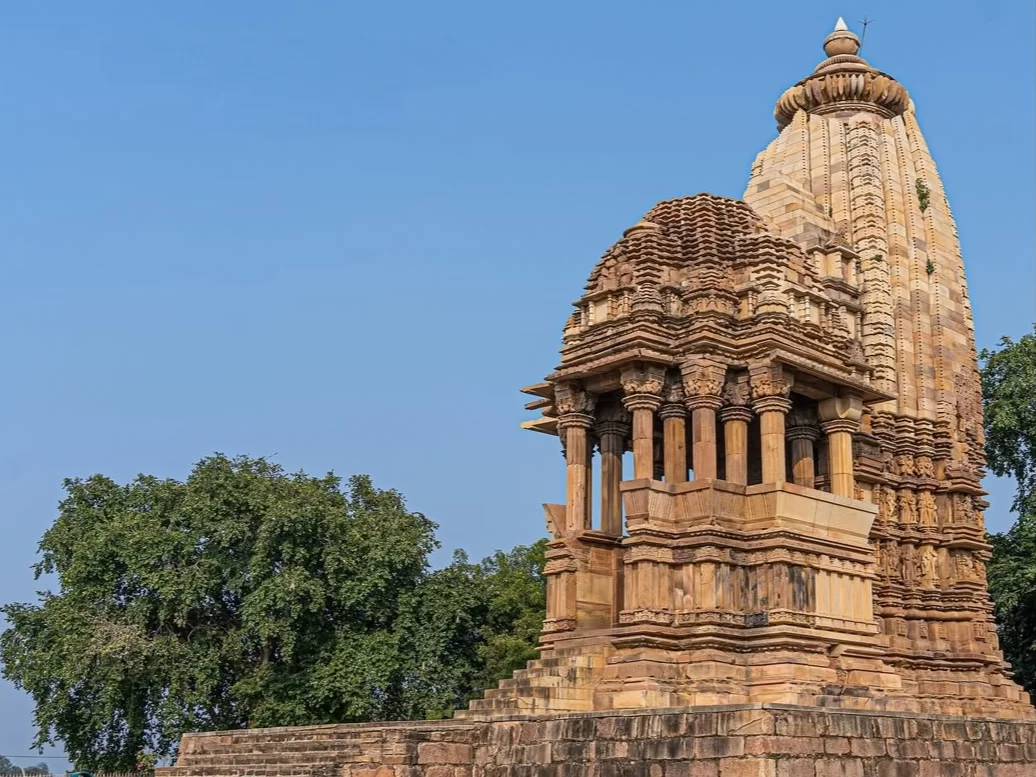
Chaturbhuj Temple stands among the Southern Group of Monuments at Khajuraho in Madhya Pradesh, a site renowned for its medieval temple architecture. Built in the 12th century during the Chandela dynasty, the temple represents an important example of the architectural and sculptural traditions of its era. The temple is dedicated to Vishnu, whose four-armed form—Chaturbhuj meaning "four-armed"—gives the structure its name. Like other temples at Khajuraho, it showcases the distinctive stone carving techniques and design principles characteristic of Chandela construction.
The temple's location within the broader Khajuraho monument complex places it in a landscape of significant historical and artistic value. Visitors approaching the temple encounter the accumulated heritage of medieval Indian temple building, with Chaturbhuj contributing its own architectural vocabulary to this ensemble.
Architecture and Stone Carving
The temple exemplifies Chandela architectural practice, with detailed stone work that rewards close observation. The carved surfaces of the structure display the craftsmanship typical of 12th-century temple construction in this region. The interplay of light and shadow across the stone surfaces changes throughout the day, making the timing of a visit material to how one experiences the carved details.
The rock-cut elements of the temple's design reflect construction methods common to the period and region. Visitors with interest in medieval Indian architecture will find the proportions, ornamentation, and structural solutions employed here instructive examples of Chandela building traditions.
Visiting Hours and Best Times
The temple is open daily from 06:00 to 18:00. Early morning and late afternoon visits offer the most favourable conditions for viewing the stone carvings, as the angle of sunlight at these times creates definition across the carved surfaces. The cooler temperatures of early morning and late afternoon also make for more comfortable walking and observation, particularly important during warmer months.
Visitors should plan their visit with these natural lighting conditions in mind, as the carved details that constitute much of the temple's visual interest are best appreciated when light falls across the stone at a low angle.
Temple Etiquette and Practical Information
Visitors to Chaturbhuj Temple should observe standard Hindu temple practices. Footwear should be removed before entering the temple proper. Respectful silence is expected in the sanctum area, and visitors should follow any instructions provided by temple staff regarding darshan procedures and movement through the temple spaces.
The temple is located at coordinates 32.112°N, 77.165°E within the Southern Group of Monuments at Khajuraho. Modest dress is appropriate; clothing that covers shoulders and knees shows respect for the sacred space. Visitors should be prepared for the outdoor elements, as much of the approach and surrounding area is exposed to weather.
Festivals and Observances
The temple observes major Hindu festivals throughout the year. Makar Sankranti, marked on 14 January, is celebrated as a harvest festival marking the sun's entry into Capricorn. Sharad Navaratri, typically falling in September or October, honours the Goddess over nine nights with special temple decorations and observances. Raksha Bandhan, usually in August, commemorates bonds between siblings and is observed with particular attention at many temples.
During festival periods, the temple typically receives larger numbers of devotees and may feature more elaborate decorations. Visitors planning to attend during these times should confirm exact timings and any special arrangements in advance, as schedules may differ from regular darshan hours.
Getting There and Planning Your Visit
Chaturbhuj Temple is situated within the Khajuraho monument complex in Madhya Pradesh. The site is accessible by road, and the temple forms part of a larger archaeological and pilgrimage destination that attracts both devotees and visitors interested in medieval Indian art and architecture. The Khajuraho complex itself is well-established as a tourist destination with associated facilities and services in the surrounding area.
Visitors should allow time not only for darshan at Chaturbhuj but also for observing the architectural details of the structure itself. The carved surfaces reward patient attention, and the experience of the temple is enhanced by unhurried viewing. Combining a visit here with exploration of other monuments in the Southern Group provides a fuller picture of Chandela-period temple construction and decoration.
How to reach
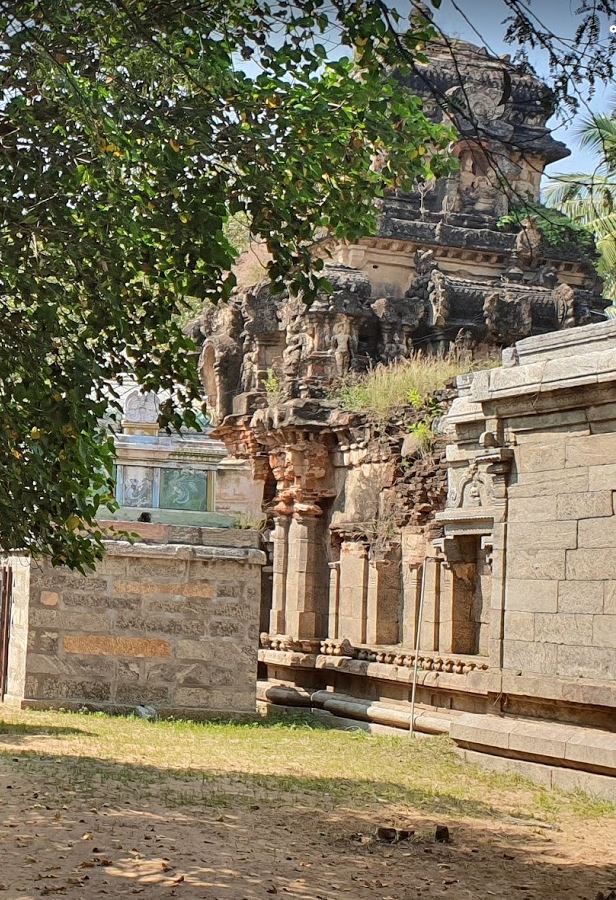
Temples near Chaturbhuj Temple, Naggar
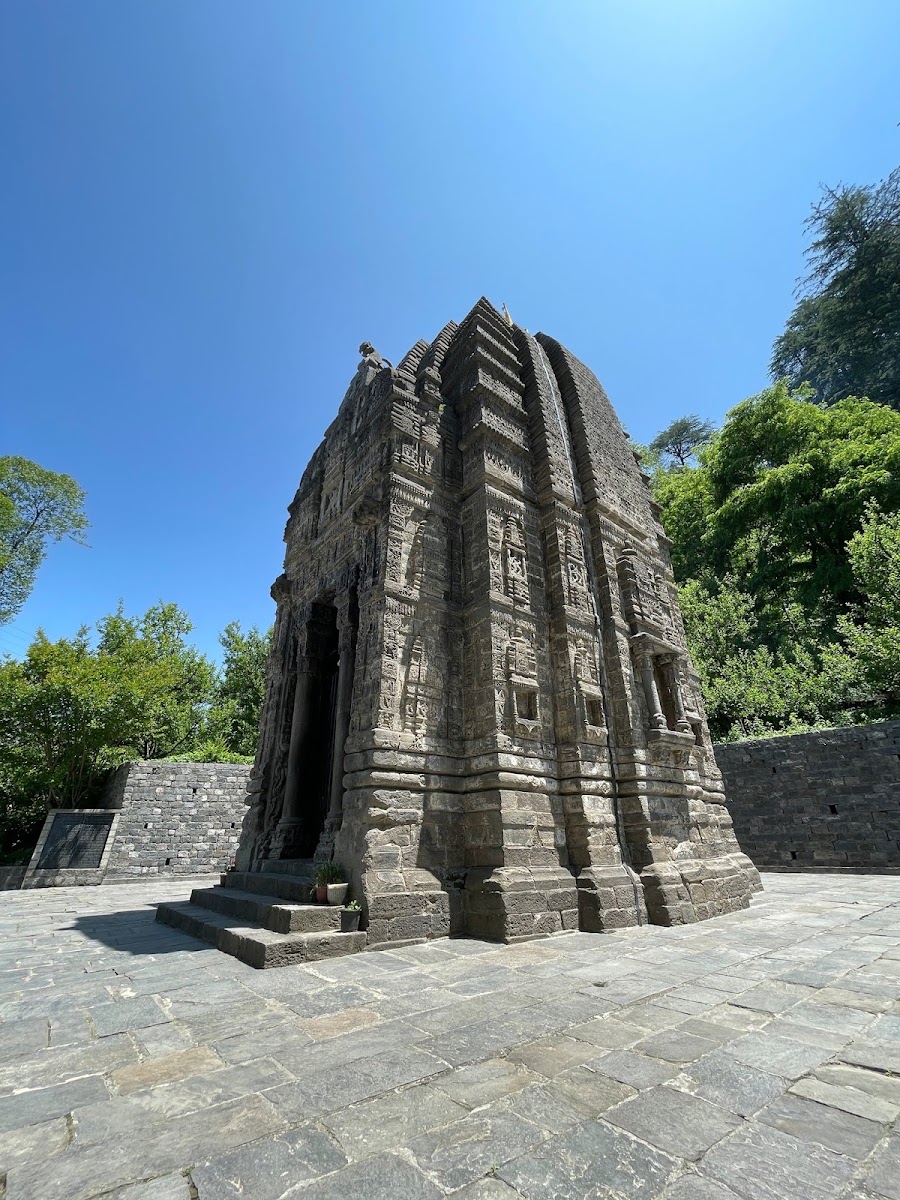
Gauri Shankar Temple, Dasal
Gauri Shankar Temple is an 800-year-old shrine dedicated to Lord Shiva located in Old Delhi's Chandni Chowk, featuring an ancient brown lingam and idols of Goddess Parvati and o…
Hidimba Devi Temple
Hidimba Devi Temple in Manali is an ancient wooden cave shrine dedicated to Hidimbi, wife of Bhima from the Mahabharata, nestled within a serene cedar forest at the foothills of…
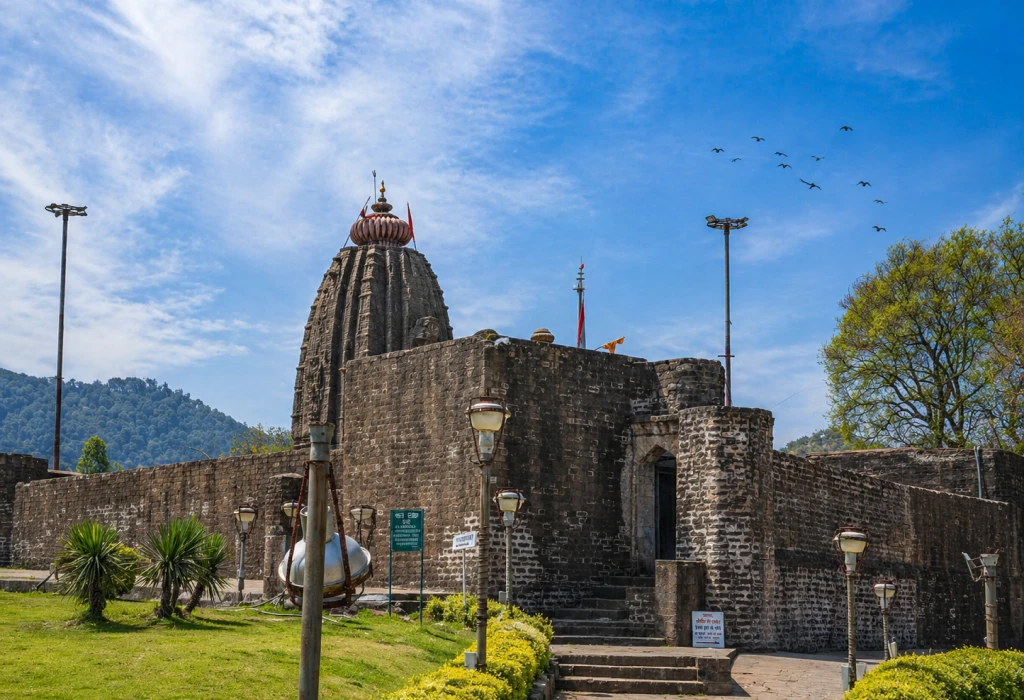
Baijnath Temple
Baijnath Temple is a 12th-century Nagara-style shrine in Himachal Pradesh dedicated to Shiva as Vaidyanath, the lord of physicians. Built in 1204 by merchants Ahuka and Manyuka,…
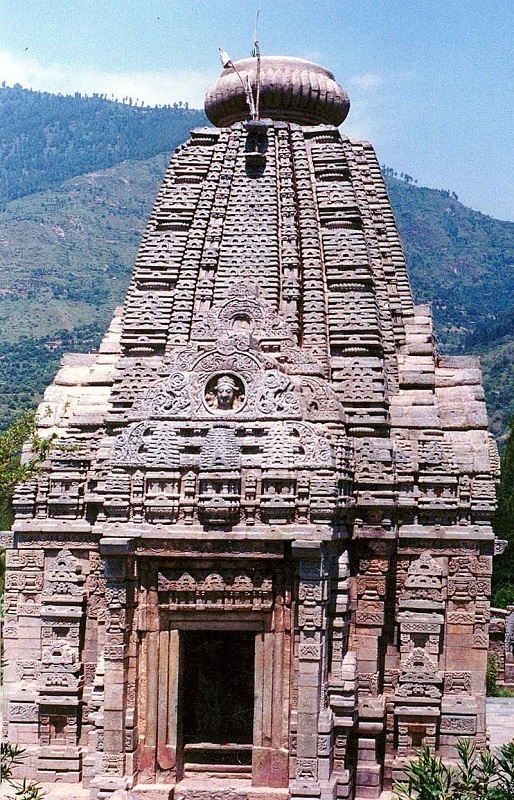
Basheshar Mahadev Temple, Bajaura
Basheshwar Mahadev Temple in Bajaura is Kullu Valley's largest and oldest stone shrine, dedicated to Lord Shiva and renowned for its exquisite 8th-9th century carvings and Nagar…
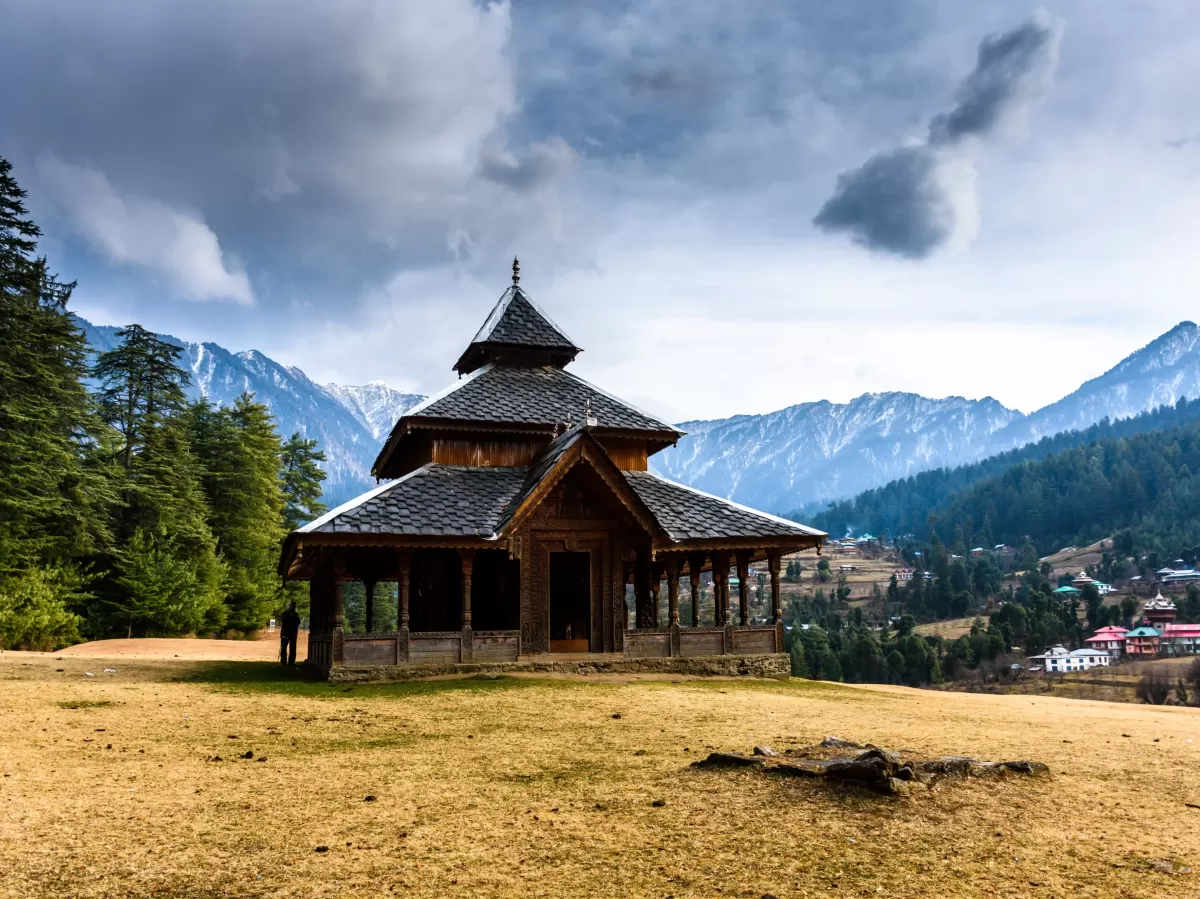
Shanghchul Mahadev Temple, Shangarh
Shangchul Mahadev Temple is an ancient shrine dedicated to Lord Shiva, perched at 2,250 meters in Shangarh village within Himachal Pradesh's Sainj Valley, offering spiritual sol…
Baijnath Temple, Himachal Pradesh
Baijnath Temple is a 13th-century Nagara-style shrine in Kangra valley dedicated to Lord Shiva, revered as Vaidyanath the healer.