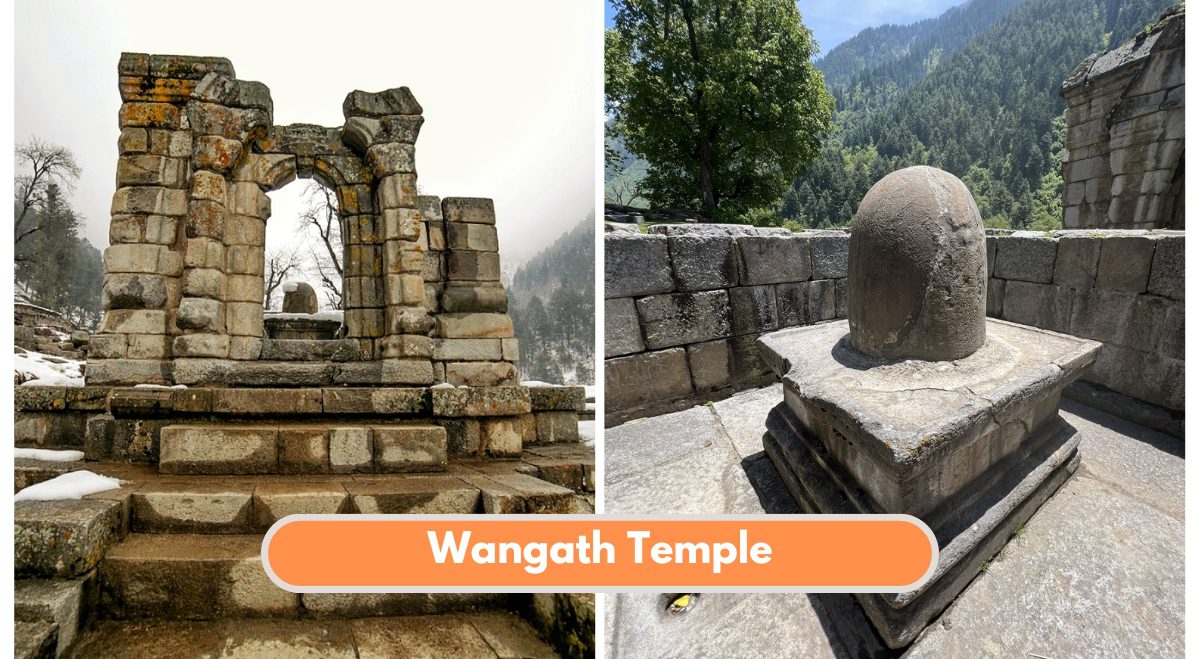
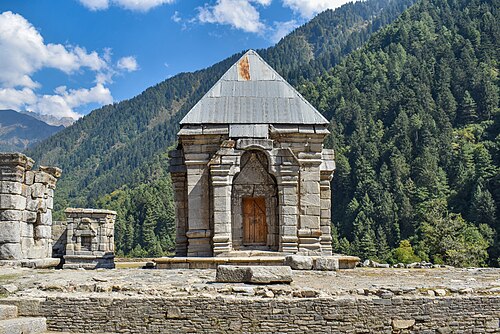
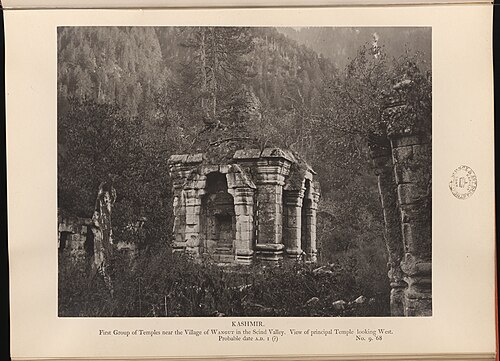
Wangath temple complex
About Wangath temple complex
The temple complex is open to visitors during daylight hours, with timings that shift seasonally. From April to October, the site is accessible from 6:00 AM to 7:00 PM. During winter months (November to March), visiting hours are 7:00 AM to 5:00 PM. The complex lies approximately 77 kilometers northeast of Srinagar, in the Himalayan foothills. Visitors can reach Wangath by hiring a taxi or using local bus services from Srinagar; Sheikh ul-Alam International Airport in Srinagar is roughly 80 kilometers away and serves as the nearest air access point.
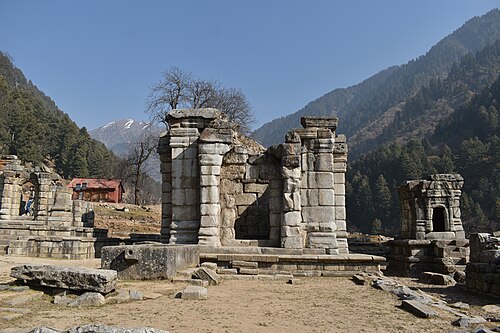
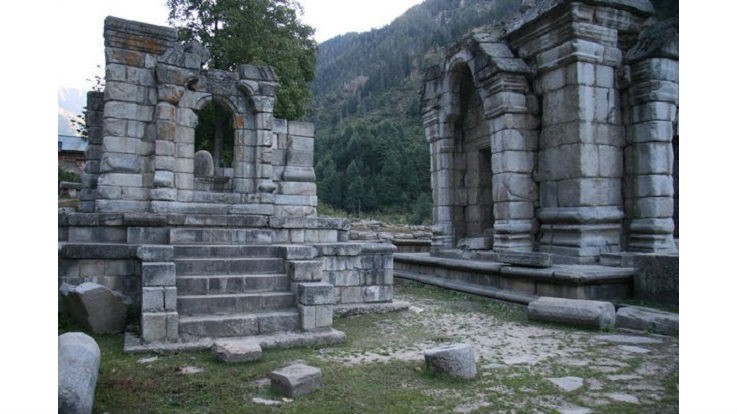
The terrain at the site is uneven, and sections remain partially ruined, so comfortable walking shoes are essential. Visitors should stay on established paths and exercise care with their footing, particularly during winter when snow or ice may affect ground conditions. The journey from Srinagar passes through the Kashmir Valley landscape, offering views of surrounding mountains and valleys.
Best Time to Visit
April through October offers the most favorable conditions for exploring the site. During these months, weather is stable, mountain passes remain clear, and daylight hours are longer—all advantages when navigating an archaeological site with uneven ground. Spring and autumn months are particularly pleasant for both the climate and the surrounding landscape. Winter visits are possible but require preparation for cold conditions and potentially difficult road access. The site's exposure to the elements means that seasonal weather significantly affects both accessibility and comfort.
Conduct and Respect
While no formal dress code is enforced, visitors are encouraged to dress modestly in recognition of the site's religious and historical significance. The complex remains important within the Shaivite tradition, and respectful behavior befits any sacred space. Avoid climbing on or touching the ancient structures, as they are fragile and protected as archaeological remains. Maintaining a quiet demeanor helps preserve the contemplative atmosphere of the site.
Current Status and Spiritual Significance
The Wangath Temple Complex holds significance as a site of national importance within India's archaeological heritage. Though no longer a center of active worship in the traditional sense, the site retains spiritual meaning for those who visit. The ruins serve as a record of Kashmir's medieval religious architecture and the region's Hindu cultural history. The complex's preservation as an archaeological site ensures it remains accessible to visitors and researchers interested in understanding the region's past and the development of temple architecture during the Karkota dynasty.
Festivals and Observances
The temple observes festivals within the Hindu calendar, including Ram Navami, which marks the birth of Lord Rama. Timings may vary on festival days, so it is advisable to confirm with local sources before traveling if you plan to visit during a festival period. The site's current status as an archaeological monument means that festival observances may differ from those at active temples.
Getting There and Preparing Your Visit
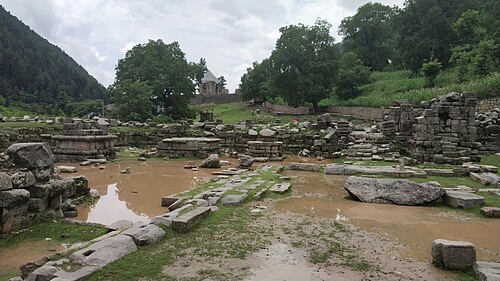
Wangath is located at coordinates 34.3528°N, 74.9761°E, in the Ganderbal district of Jammu and Kashmir. The journey from Srinagar takes you northeast through the Kashmir Valley toward the Himalayan foothills. Plan your visit during daylight hours within the published timings, and allow extra time if you are unfamiliar with the terrain. The uneven ground and partially collapsed sections require careful movement and attention to your surroundings. Bring water and appropriate clothing for the season, as the site offers limited facilities. The combination of historical significance and natural mountain setting makes this a destination for those interested in both Kashmir's medieval heritage and the region's spiritual traditions.
How to reach
Temples near Wangath temple complex
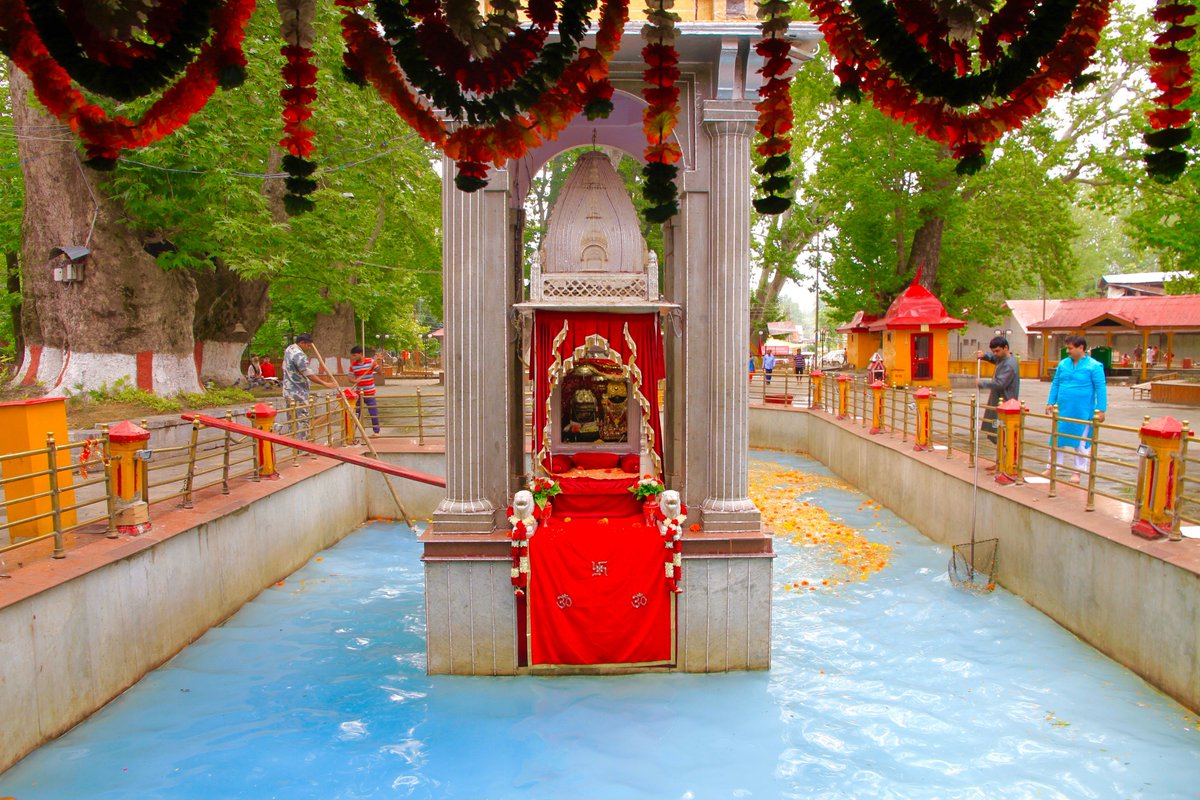
Kheer Bhawani Temple
Kheer Bhawani Temple, situated 25 km northeast of Srinagar in Tulmulla village, is a sacred Hindu shrine dedicated to the goddess Kheer Bhawani (also known as Ragnya Devi), buil…
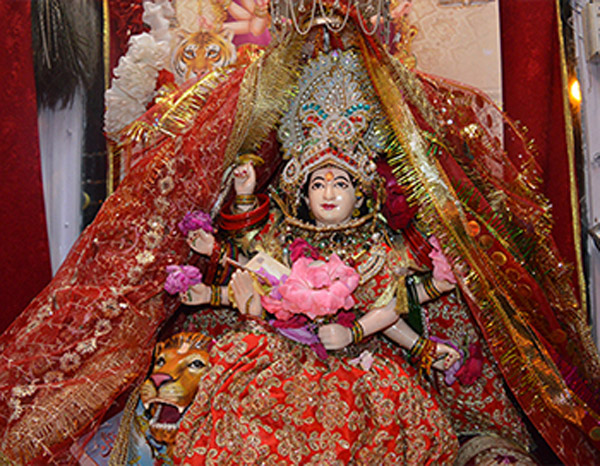
Zeashta Devi Shrine
Zeashta Devi Shrine in Srinagar is an ancient Hindu sanctuary dedicated to Jyeshta Devi, a manifestation of Shakti, revered by Kashmiri Pandits for over a millennium.
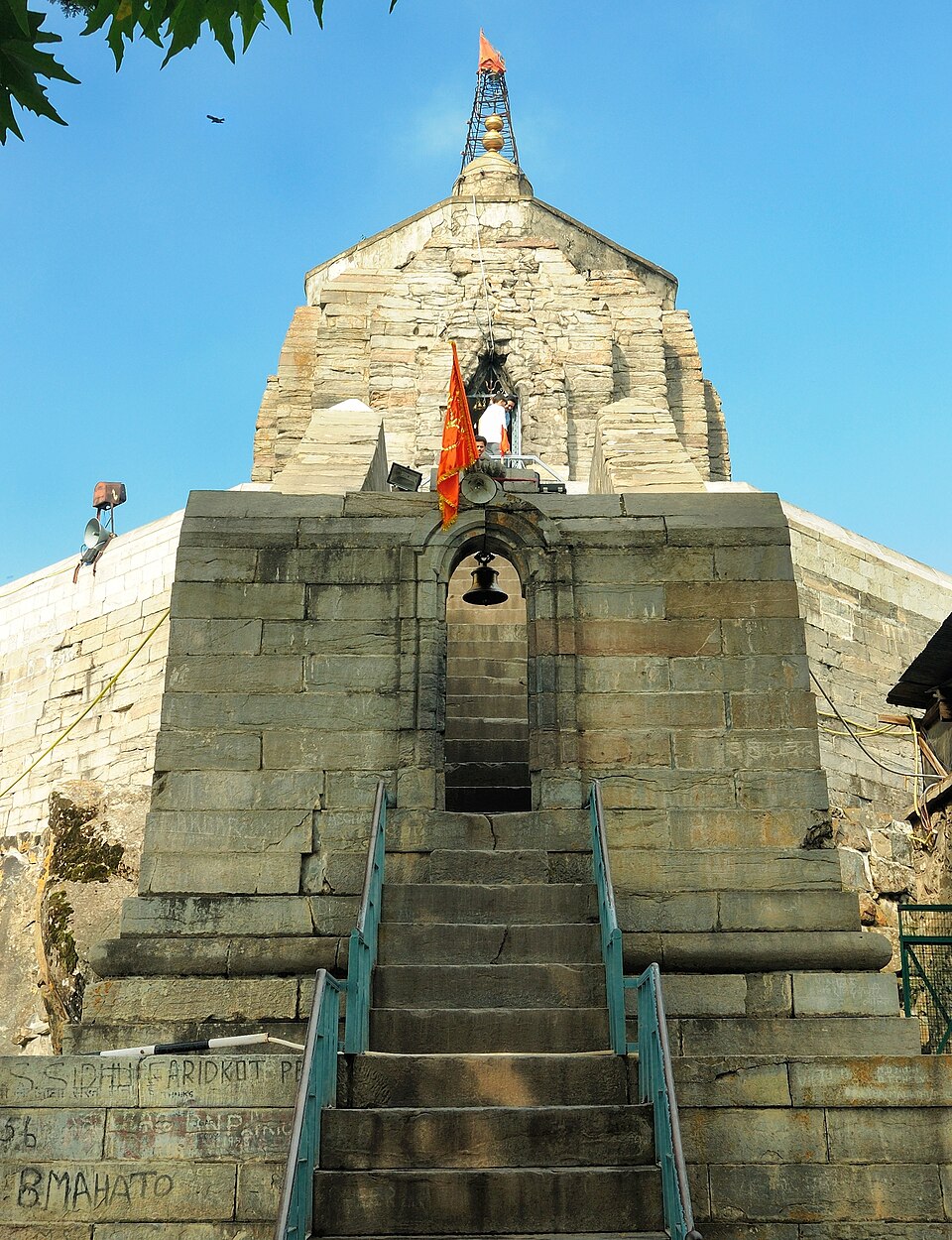
Shankaracharya Temple, Srinagar
Shankaracharya Temple is an ancient Hindu shrine dedicated to Lord Shiva, perched atop Shankaracharya Hill at 1,000 feet above Srinagar, offering panoramic views of Dal Lake and…
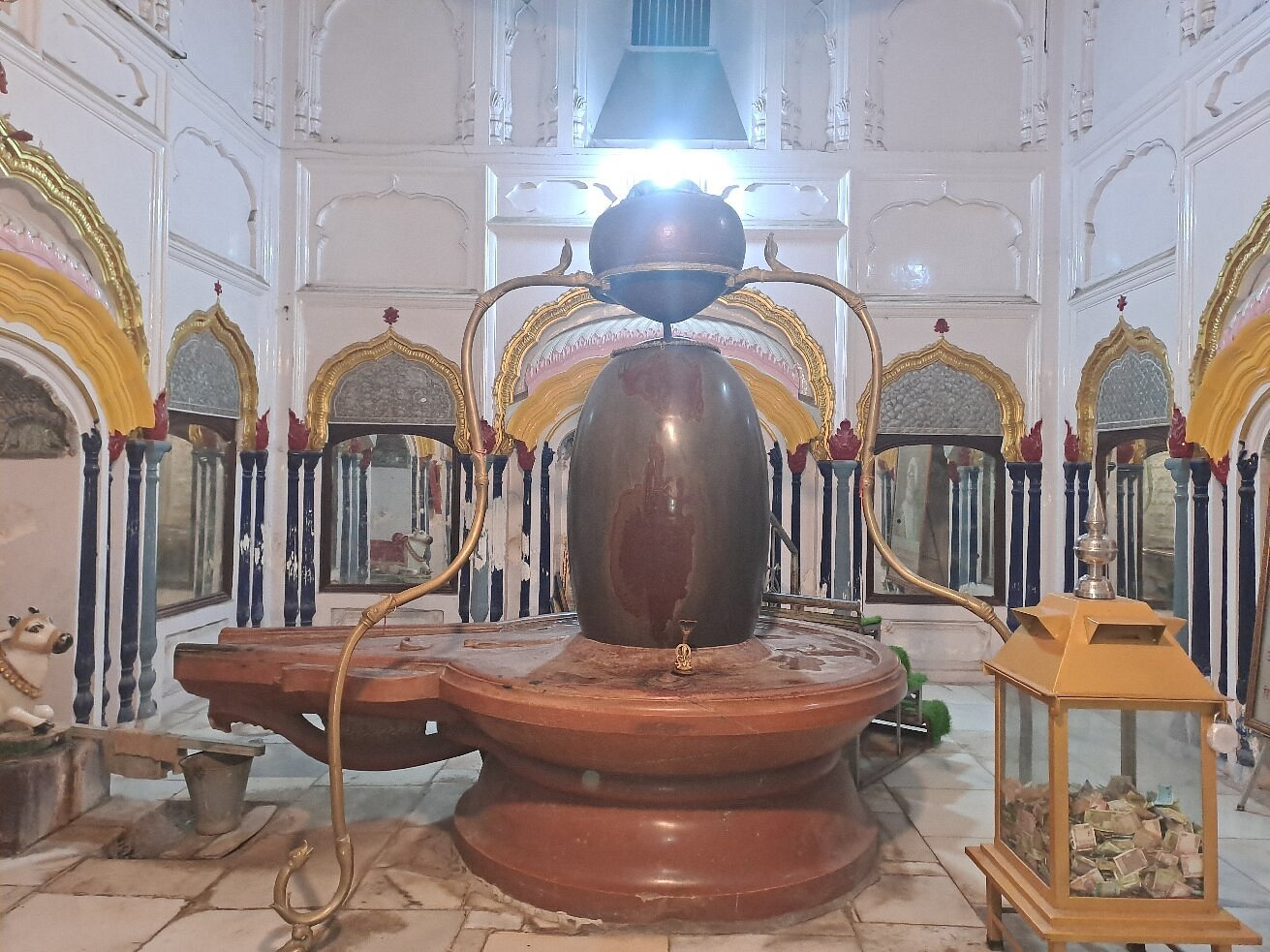
Raghunath Temple, Srinagar
Raghunath Temple in Srinagar is a historic Hindu shrine dedicated to Lord Rama, constructed between 1835 and 1860 under Maharaja Gulab Singh and completed by Maharaja Ranbir Sin…
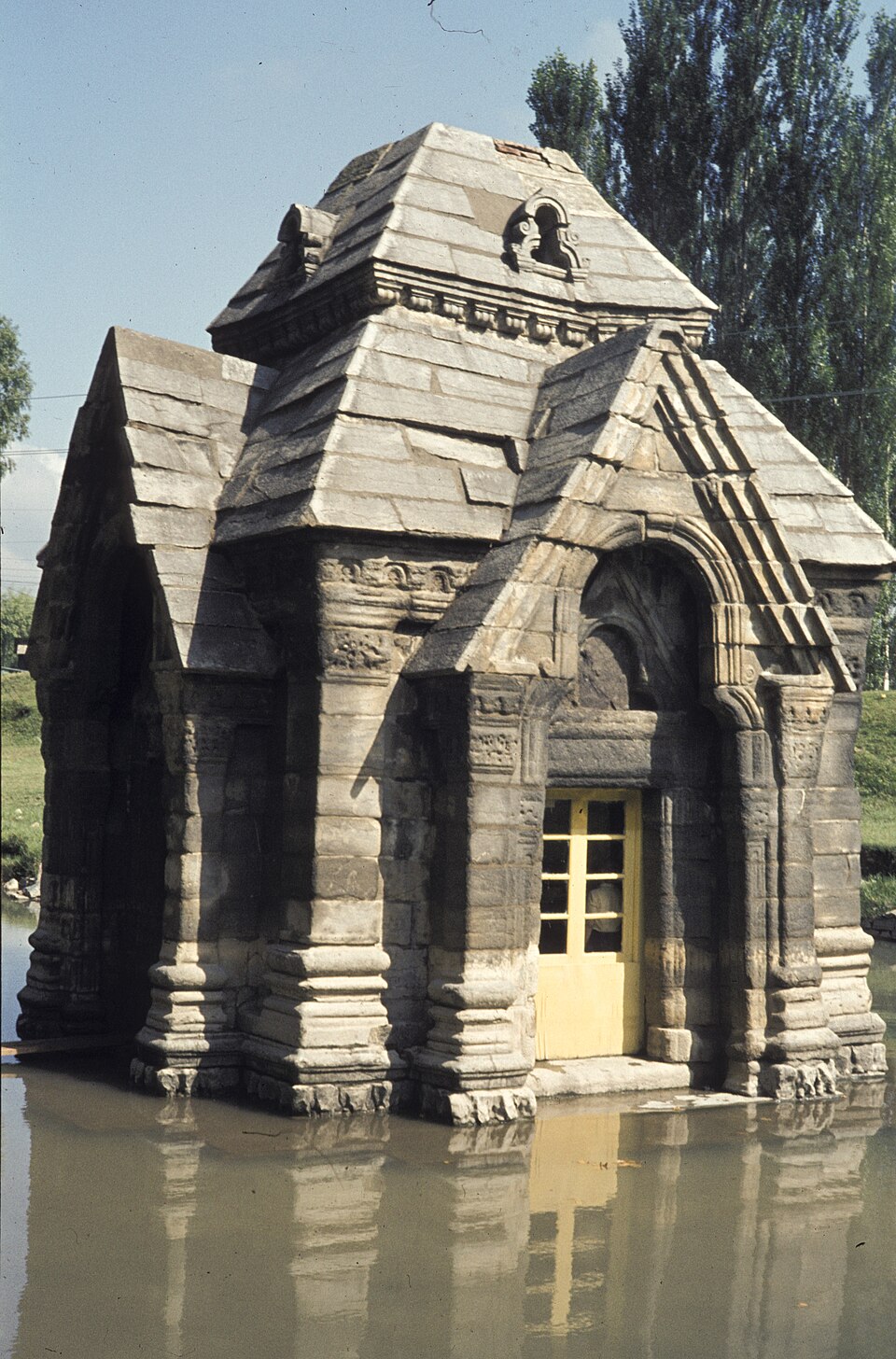
Pandrethan Shiva Temple
The Pandrethan Shiva Temple in Srinagar is one of Kashmir's finest preserved ancient Hindu stone temples, dating to the 8th–9th century CE and situated around a natural spring-f…
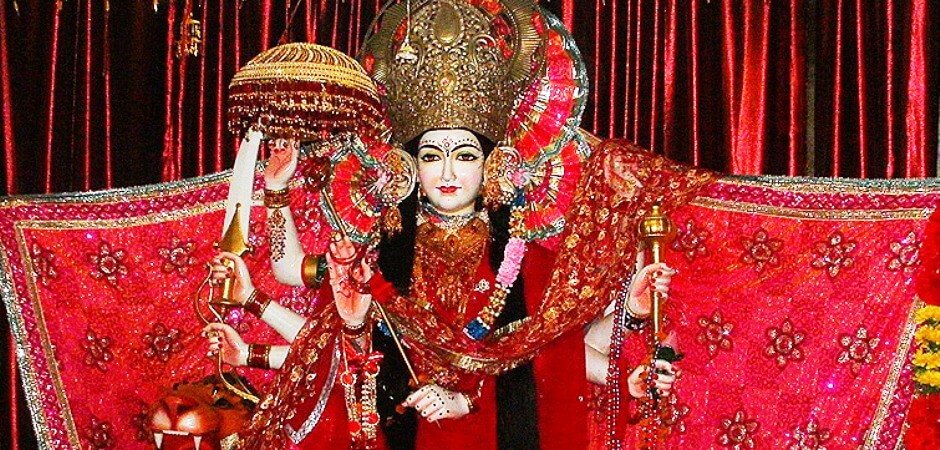
Jwala Ji Temple (Kashmir)
Jwala Ji Temple in Khrew, Pulwama, is a hilltop Hindu shrine dedicated to Goddess Jwala Ji, featuring a sacred spring and drawing pilgrims especially during the annual Jwalamukh…