Zeashta Devi Shrine
About Zeashta Devi Shrine
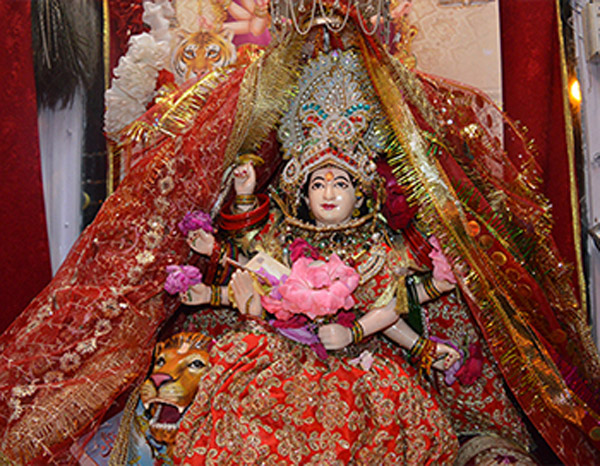
The origins of Zeashta Devi are connected to classical Hindu cosmology. According to the shrine's tradition, Zeashta's story relates to the churning of the cosmic ocean (Ksirasagara), when both devas and asuras sought the nectar of immortality with the permission of Lord Shiva, who holds dominion over these waters. This mythological grounding places the shrine within the broader narrative landscape of Hindu sacred texts, though the specific local history and architectural development of the Srinagar site remain largely undocumented in available sources. What is clear is that the shrine has maintained continuous reverence across centuries within Kashmiri Pandit communities.
Daily Worship and Darshan
The shrine opens daily from 06:00 to 20:00, providing devotees with extended hours for darshan—the viewing and worship of the deity. The Zeashta Devi Prabandhak Committee manages the shrine's daily operations and ritual observances. Visitors should be aware that timings may shift during festival periods, making it worthwhile to contact the temple office at 0194-2501050 before travelling during significant occasions. For those unable to visit in person, the shrine offers live darshan through CCTV, a contemporary facility that extends access to remote devotees.
Major Festivals and Observances
The most significant celebration at the shrine is Zyestha Ashtami, observed in May-June, which marks the birthday of Mata Zeashta. During this festival, thousands of devotees gather for special rituals and havan ceremonies. The Prabandhak Committee makes substantial arrangements during this period, historically providing free boarding and lodging for pilgrims over multiple days to facilitate their participation. Beyond this major observance, the shrine also marks Sharad Navaratri in October, Raksha Bandhan in August, and Makar Sankranti in January, with the temple notably decorated during these periods. Sundays serve as occasions for weekly congregation, offering regular opportunities for community worship throughout the year.
Visiting Practicalities
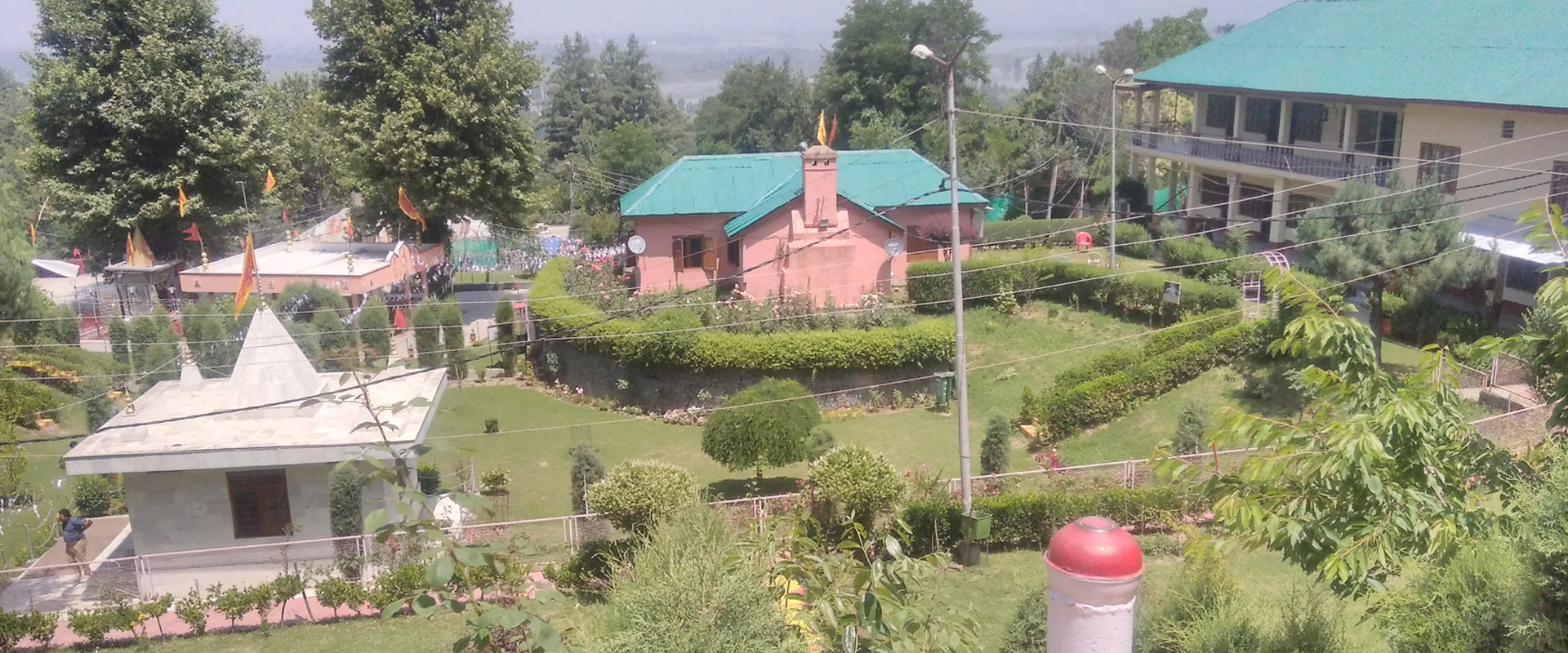
The shrine is situated at Raj Bhawan Marg, Zeathyar, Srinagar, Jammu and Kashmir (coordinates 34.078233, 74.872648). Visitors to Shakti temples typically observe certain conventions: removing footwear before entering the sanctum and dressing modestly to cover shoulders and knees. The shrine's setting suggests that comfortable walking shoes may be useful for navigating the grounds, though these should be removed at appropriate points before entering sacred spaces. The best times to visit are Sundays for regular weekly worship, or Zyestha Ashtami in May-June if you wish to experience the major annual festival. For specific inquiries about facilities, rituals, or arrangements during festivals, the temple office can be reached at 0194-2501050.
Supporting the Shrine
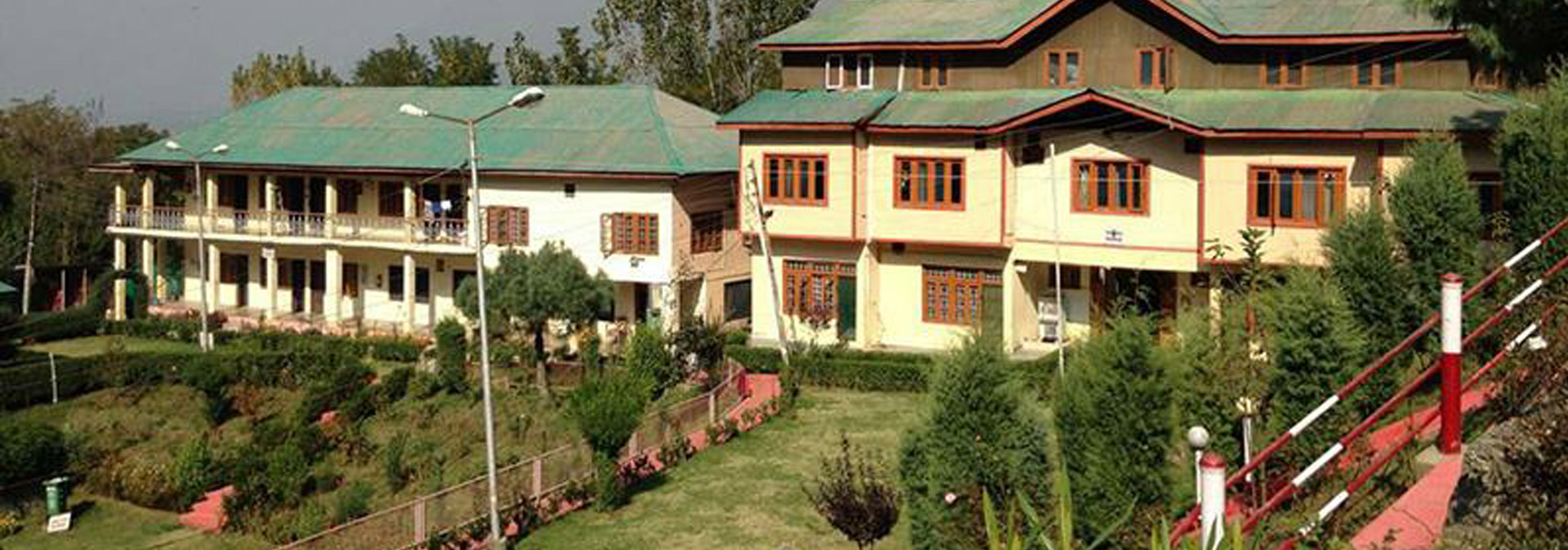
The Zeashta Devi Prabandhak Committee welcomes donations to support the shrine's operations, maintenance, and charitable activities, which include education and community welfare initiatives. Those wishing to contribute can do so through the committee's State Bank of India accounts. Such support helps sustain both the daily functioning of the shrine and its capacity to host pilgrims during major festivals.
How to reach
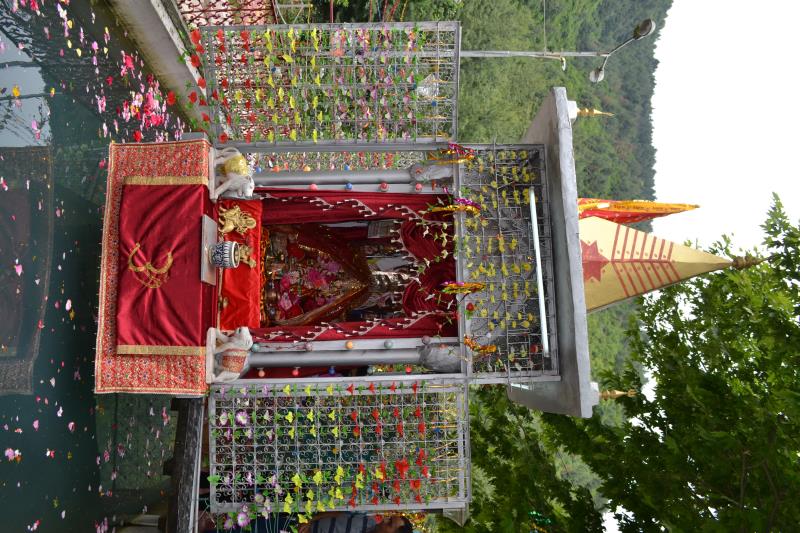
Temples near Zeashta Devi Shrine
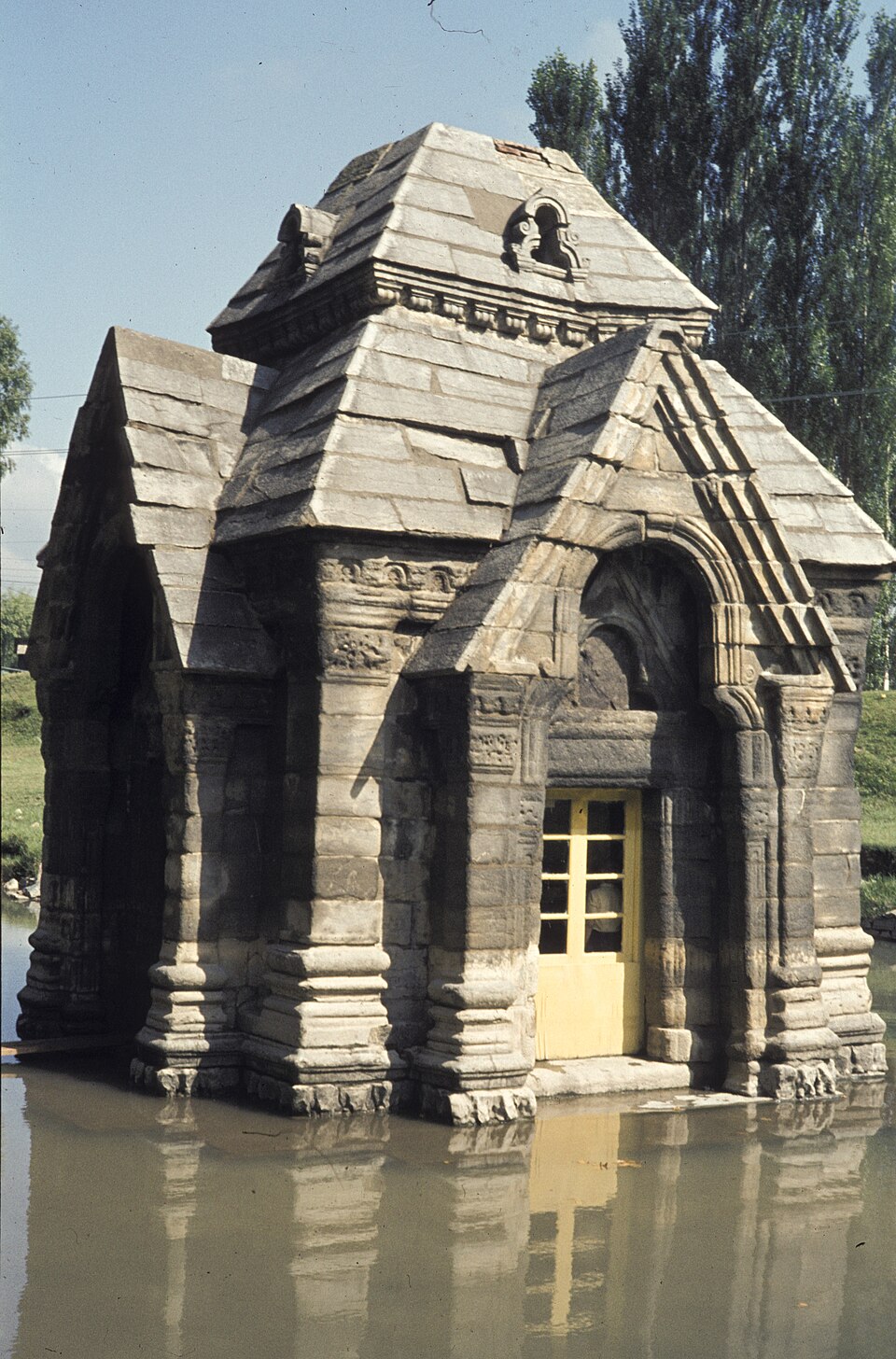
Pandrethan Shiva Temple
The Pandrethan Shiva Temple in Srinagar is one of Kashmir's finest preserved ancient Hindu stone temples, dating to the 8th–9th century CE and situated around a natural spring-f…
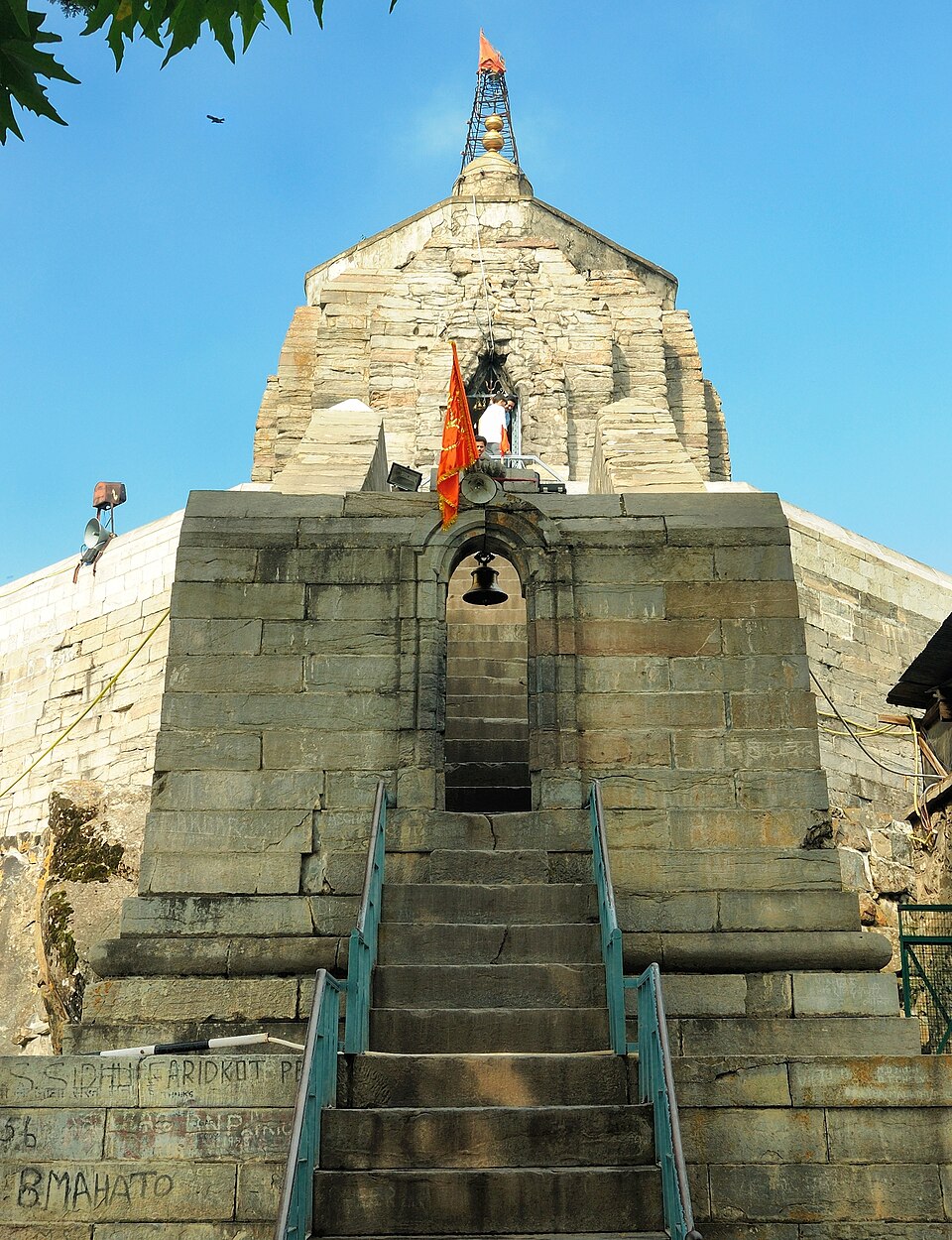
Shankaracharya Temple, Srinagar
Shankaracharya Temple is an ancient Hindu shrine dedicated to Lord Shiva, perched atop Shankaracharya Hill at 1,000 feet above Srinagar, offering panoramic views of Dal Lake and…
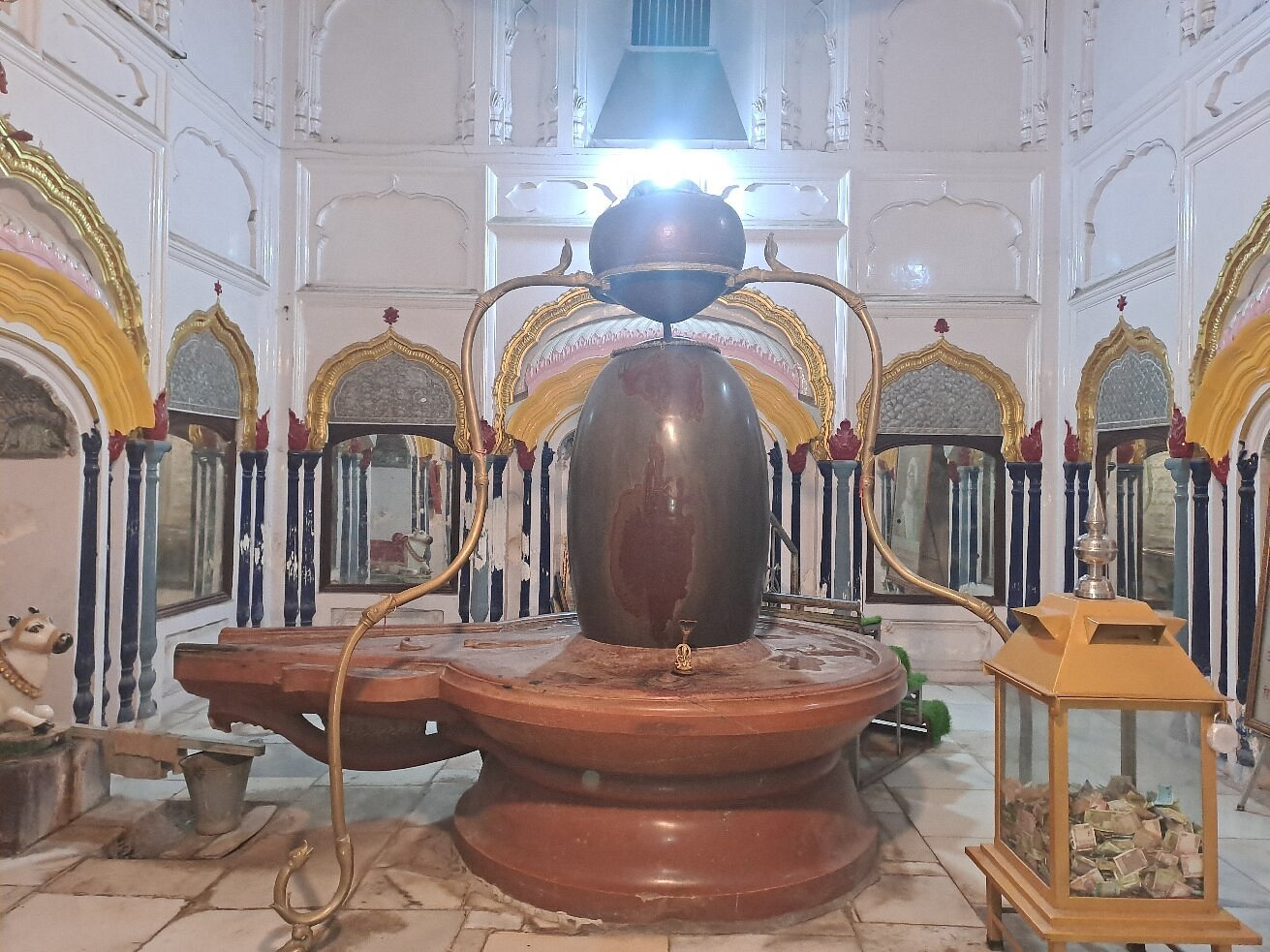
Raghunath Temple, Srinagar
Raghunath Temple in Srinagar is a historic Hindu shrine dedicated to Lord Rama, constructed between 1835 and 1860 under Maharaja Gulab Singh and completed by Maharaja Ranbir Sin…
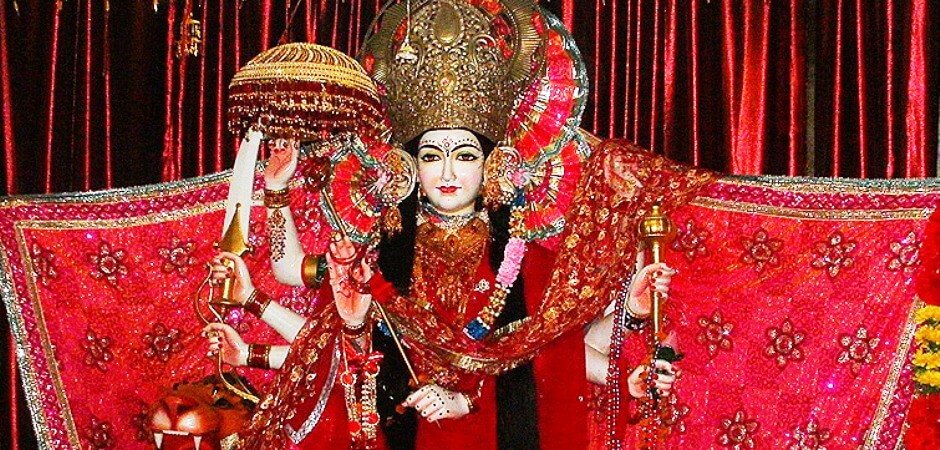
Jwala Ji Temple (Kashmir)
Jwala Ji Temple in Khrew, Pulwama, is a hilltop Hindu shrine dedicated to Goddess Jwala Ji, featuring a sacred spring and drawing pilgrims especially during the annual Jwalamukh…

Ancient Temple, Ladhoo
Ancient Temple, Ladhoo is a spring-fed shrine in Pulwama district, Kashmir Valley, believed to date to the 8th century CE. The primary deity remains undocumented in available so…
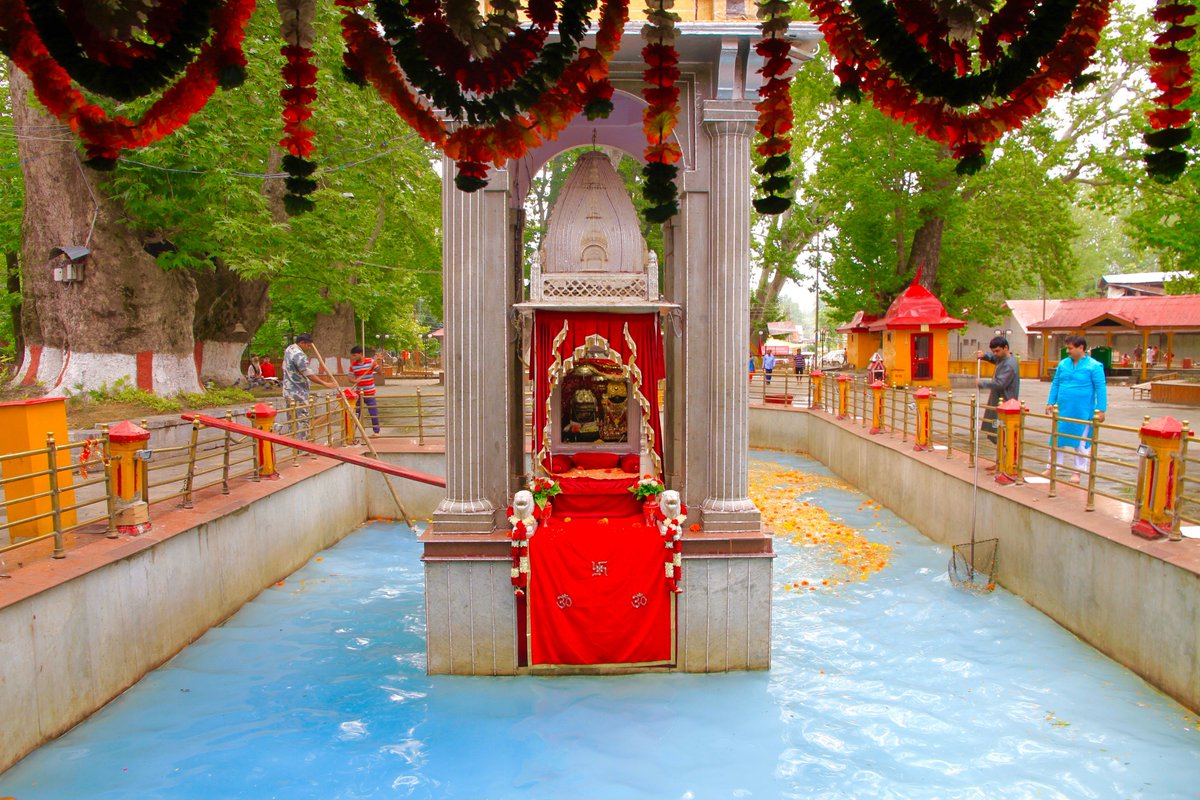
Kheer Bhawani Temple
Kheer Bhawani Temple, situated 25 km northeast of Srinagar in Tulmulla village, is a sacred Hindu shrine dedicated to the goddess Kheer Bhawani (also known as Ragnya Devi), buil…