
Pandrethan Shiva Temple
About Pandrethan Shiva Temple
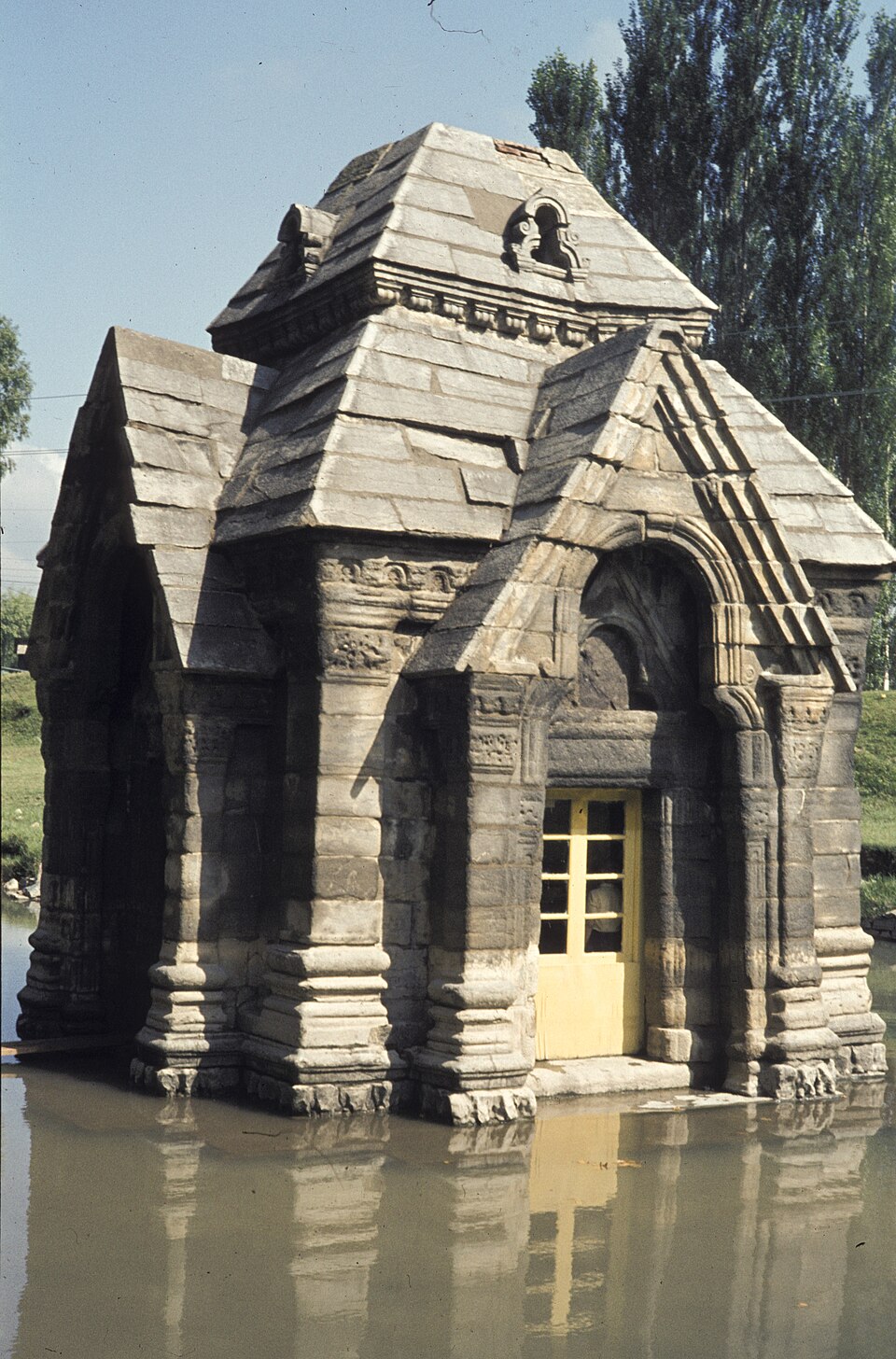
The temple's construction dates to a period of considerable cultural flourishing in Kashmir. Its stone architecture reflects the refined building techniques and aesthetic principles that characterised Hindu temple design in the region during the early medieval period. The presence of the natural spring feeding the surrounding tank suggests that the site was chosen for both its spiritual qualities and its relationship to water—an element central to Hindu ritual practice.
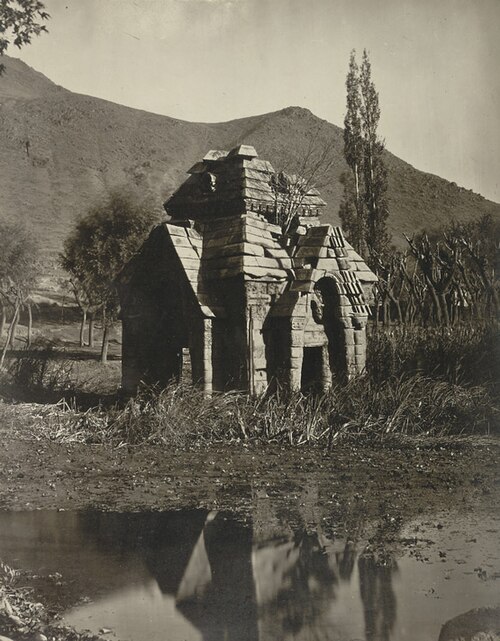
The temple's survival through centuries of regional change makes it an important historical document. It represents a tradition of stone temple construction that has largely disappeared from Kashmir, making Pandrethan a rare window into the region's pre-Islamic Hindu architectural heritage.
Visiting Hours and Best Times
The temple is open for darshan from 09:00 to 17:00 daily. The most favourable period for a visit falls between April and October, when weather conditions in Srinagar are generally pleasant. Within this window, early mornings and the spring season offer particularly good conditions for visiting.
Visitors should note that the temple is located within the Badamibagh Cantonment, a military area. This location may affect access to the site and impose restrictions on photography. It is advisable to seek permission before photographing, particularly in certain directions around the temple. Current conditions and any access restrictions should be confirmed locally before planning a visit.
What to Know Before You Visit
Specific information about dress codes, facilities, or other visitor amenities is not documented in available sources. Temples dedicated to Shiva typically expect visitors to observe respectful behaviour and modest dress, though visitors should inquire locally about any particular requirements at Pandrethan.
The cantonment location means that access procedures may differ from those at temples in civilian areas. Visitors are encouraged to contact the temple or local authorities in advance to clarify any restrictions or permissions needed. Those interested in observing or participating in worship should also inquire about current ritual practices and their timings, as specific details about daily worship at the temple are not available in standard sources.
Spiritual Practice at the Temple
The temple serves as a destination for those seeking both artistic inspiration and spiritual practice. The site is regarded locally as a place of profound peace, drawing visitors who come for meditation and contemplation. The stone lotus within the sanctum holds particular significance in local spiritual tradition, with accounts suggesting its role in facilitating mental clarity through focused meditation.
Temples dedicated to Shiva typically centre their worship on rituals honouring the deity, though the specific daily practices observed at Pandrethan are not detailed in available sources. Visitors wishing to participate in or witness worship should make inquiries at the temple regarding current practices.
Location and Access
Pandrethan is situated in Srinagar, the capital of Jammu and Kashmir, within the Badamibagh Cantonment area. The temple's coordinates are 34.05638888888888, 74.86083333333333. Its proximity to the Jhelum River places it within the city's geography, though the cantonment setting means that standard tourist access routes may not apply. Visitors should confirm current access procedures and any permissions required before travelling to the site.
How to reach
Temples near Pandrethan Shiva Temple
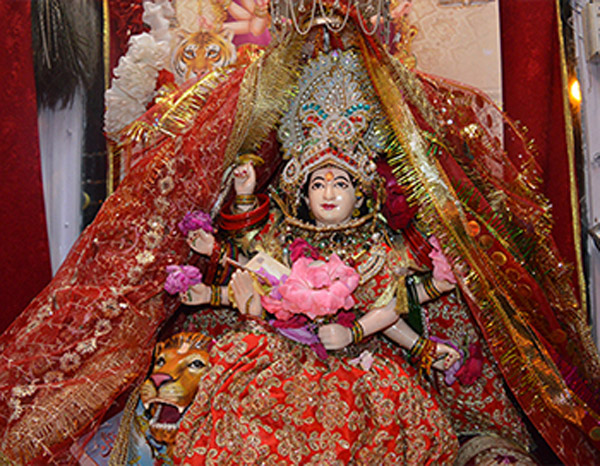
Zeashta Devi Shrine
Zeashta Devi Shrine in Srinagar is an ancient Hindu sanctuary dedicated to Jyeshta Devi, a manifestation of Shakti, revered by Kashmiri Pandits for over a millennium.
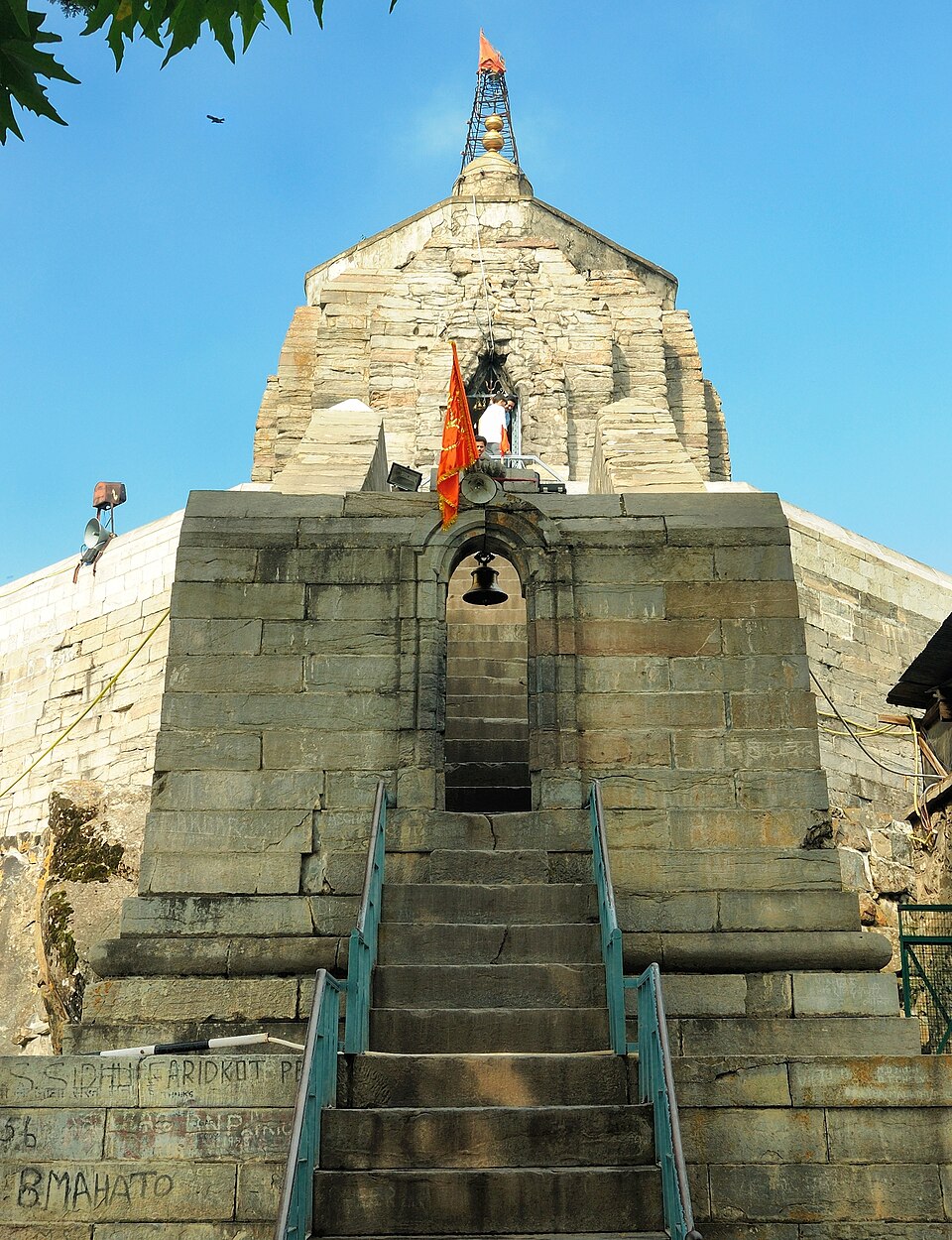
Shankaracharya Temple, Srinagar
Shankaracharya Temple is an ancient Hindu shrine dedicated to Lord Shiva, perched atop Shankaracharya Hill at 1,000 feet above Srinagar, offering panoramic views of Dal Lake and…
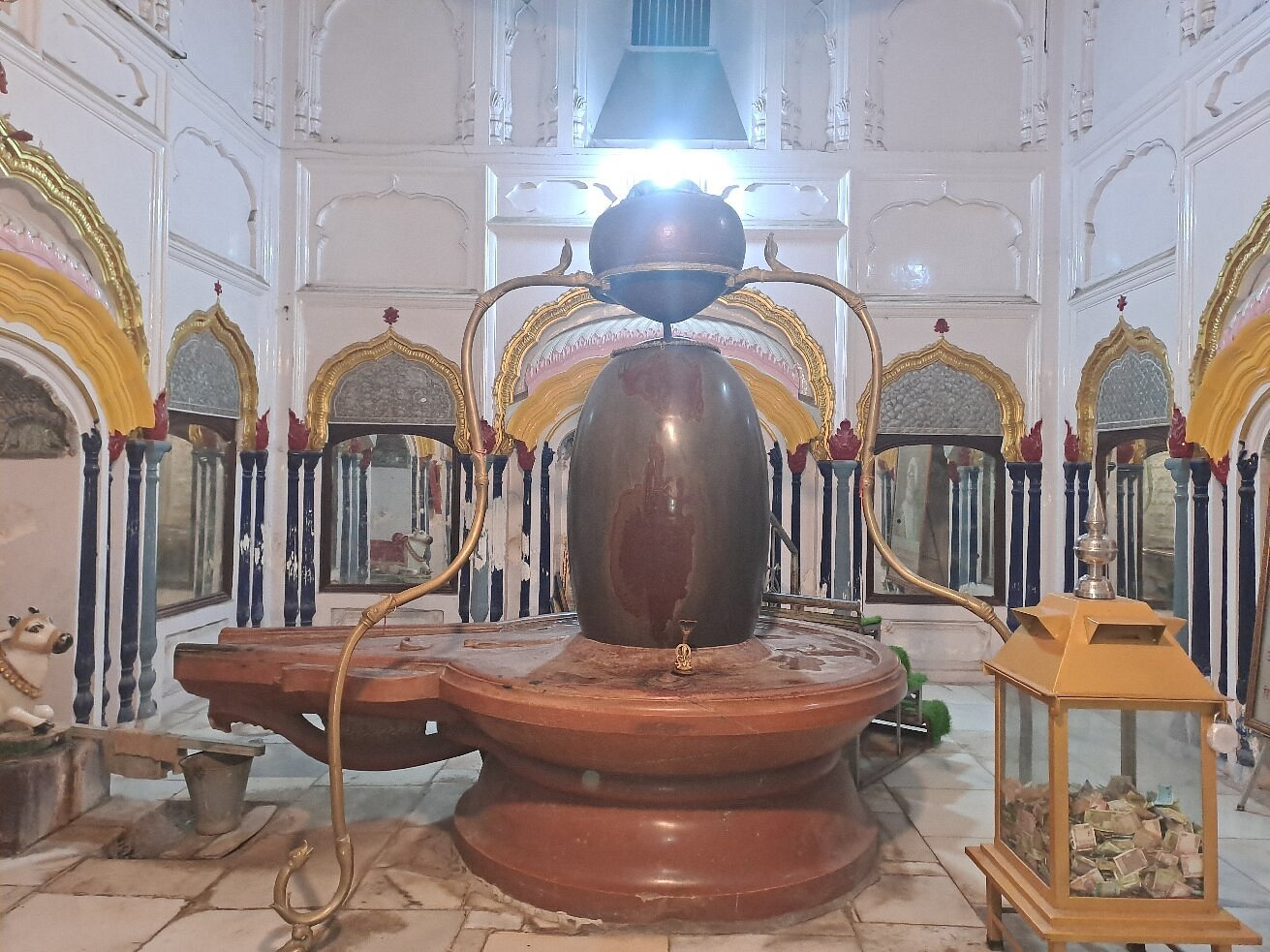
Raghunath Temple, Srinagar
Raghunath Temple in Srinagar is a historic Hindu shrine dedicated to Lord Rama, constructed between 1835 and 1860 under Maharaja Gulab Singh and completed by Maharaja Ranbir Sin…
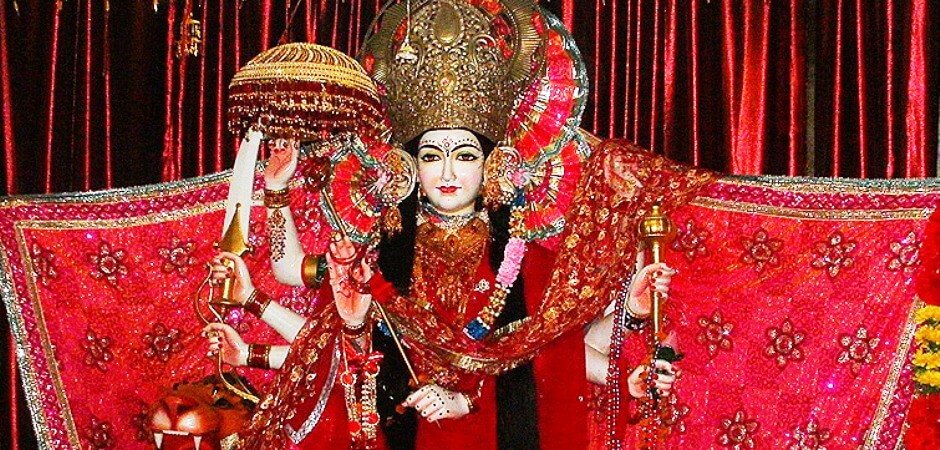
Jwala Ji Temple (Kashmir)
Jwala Ji Temple in Khrew, Pulwama, is a hilltop Hindu shrine dedicated to Goddess Jwala Ji, featuring a sacred spring and drawing pilgrims especially during the annual Jwalamukh…

Ancient Temple, Ladhoo
Ancient Temple, Ladhoo is a spring-fed shrine in Pulwama district, Kashmir Valley, believed to date to the 8th century CE. The primary deity remains undocumented in available so…
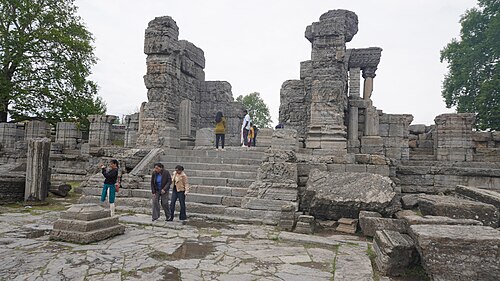
Avantiswami Temple
The Avantiswami Temple is a ruined 9th-century Hindu temple complex on the Jhelum River banks near Pulwama, Kashmir, originally comprising two shrines dedicated to Shiva and Vis…