Kheer Bhawani Temple
About Kheer Bhawani Temple
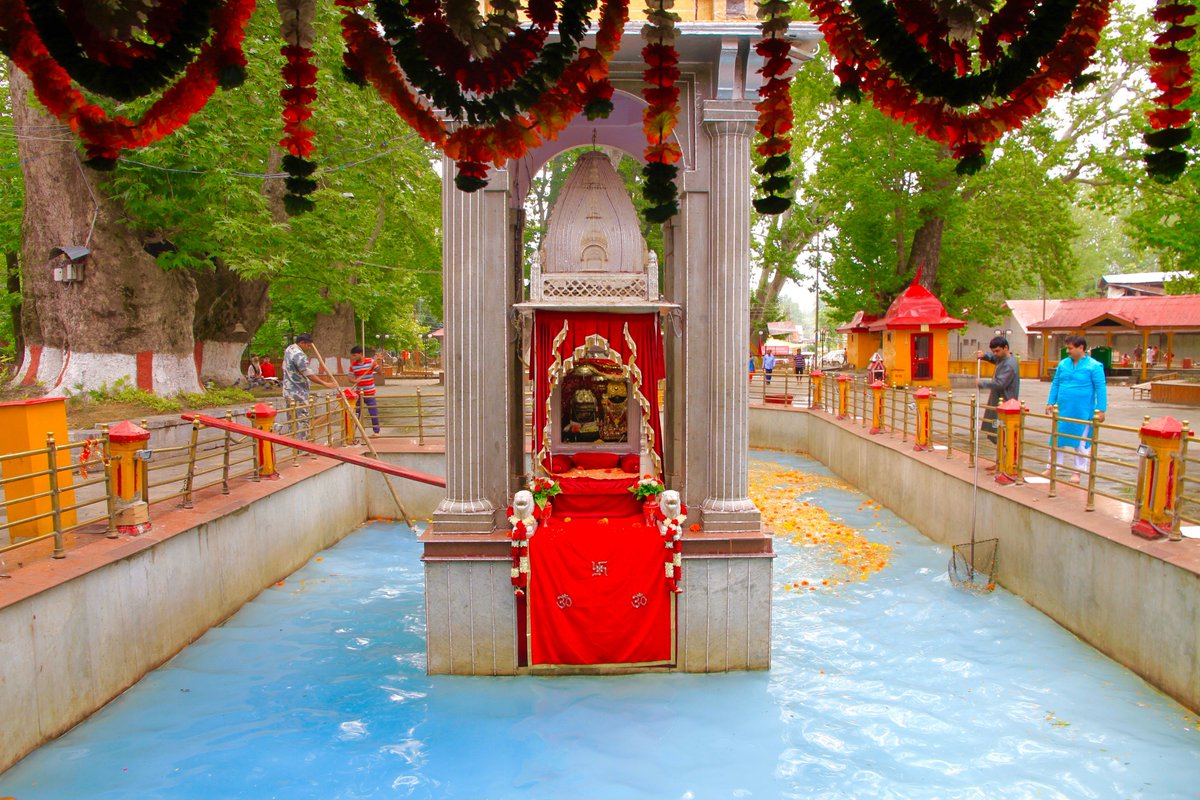
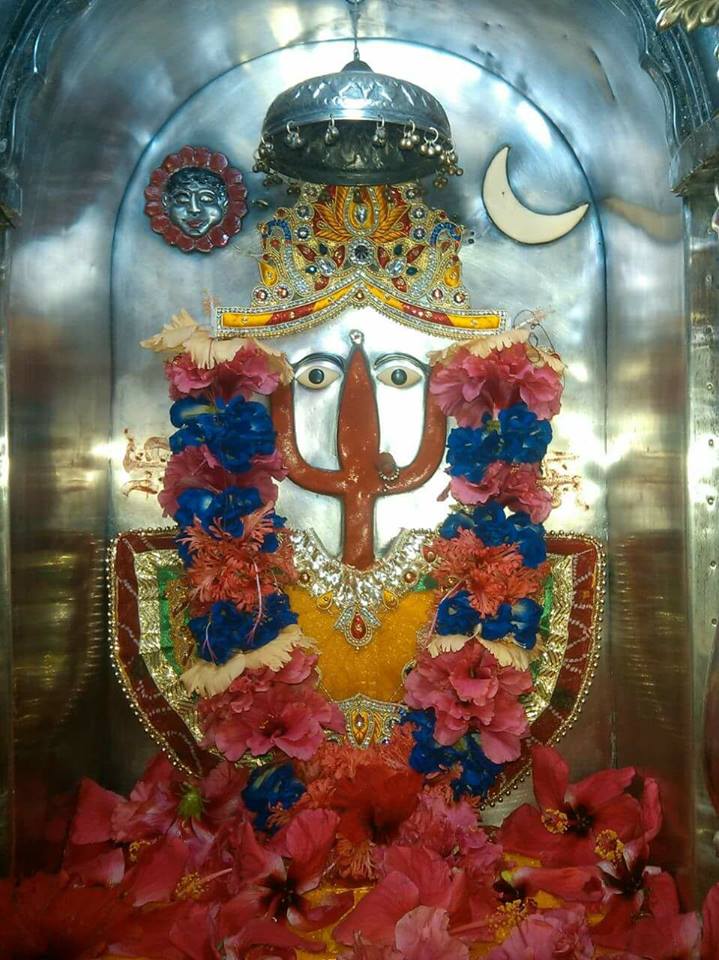
The temple maintains regular darshan hours from 06:00 to 20:00, with morning and evening aartis (ritual worship ceremonies) marking the day's rhythm of devotion. The primary offering made to the goddess is kheer itself—the milk and rice pudding prepared and presented as prasad (blessed food). This custom has persisted as a defining feature of worship at the temple and among Hindu Kashmiris more broadly. Devotees bring or arrange for kheer to be prepared and offered as part of their worship, transforming the pudding into far more than a mere food item; it becomes a direct expression of propitiation and devotion to the goddess.
Visitors encountering the temple's worship practices will find the spring's waters integral to the darshan experience. The relationship between the natural spring and the acts of devotion performed at the site creates a distinctive spiritual atmosphere that reflects centuries of accumulated practice.
Planning Your Visit
The best time to visit Kheer Bhawani Temple falls between October and March, when Kashmir's climate is most favourable for travel. The temple is located in a village setting, which means that visitor facilities may be limited compared to larger urban shrines. Visitors should approach the temple with the respect appropriate to an active Hindu shrine. Modest dress is advisable, following the custom observed at temples throughout India. This typically means covering shoulders and knees; women may wish to carry a scarf or dupatta for additional coverage if desired.
The temple's address is Tulmulla village, Ganderbal, Srinagar, Jammu and Kashmir, India, situated at coordinates 34.22111111, 74.73. Given the village location and limited facilities, visitors are advised to plan accordingly, bringing any necessary supplies and allowing time for the journey from Srinagar.
Etiquette and Spiritual Practice
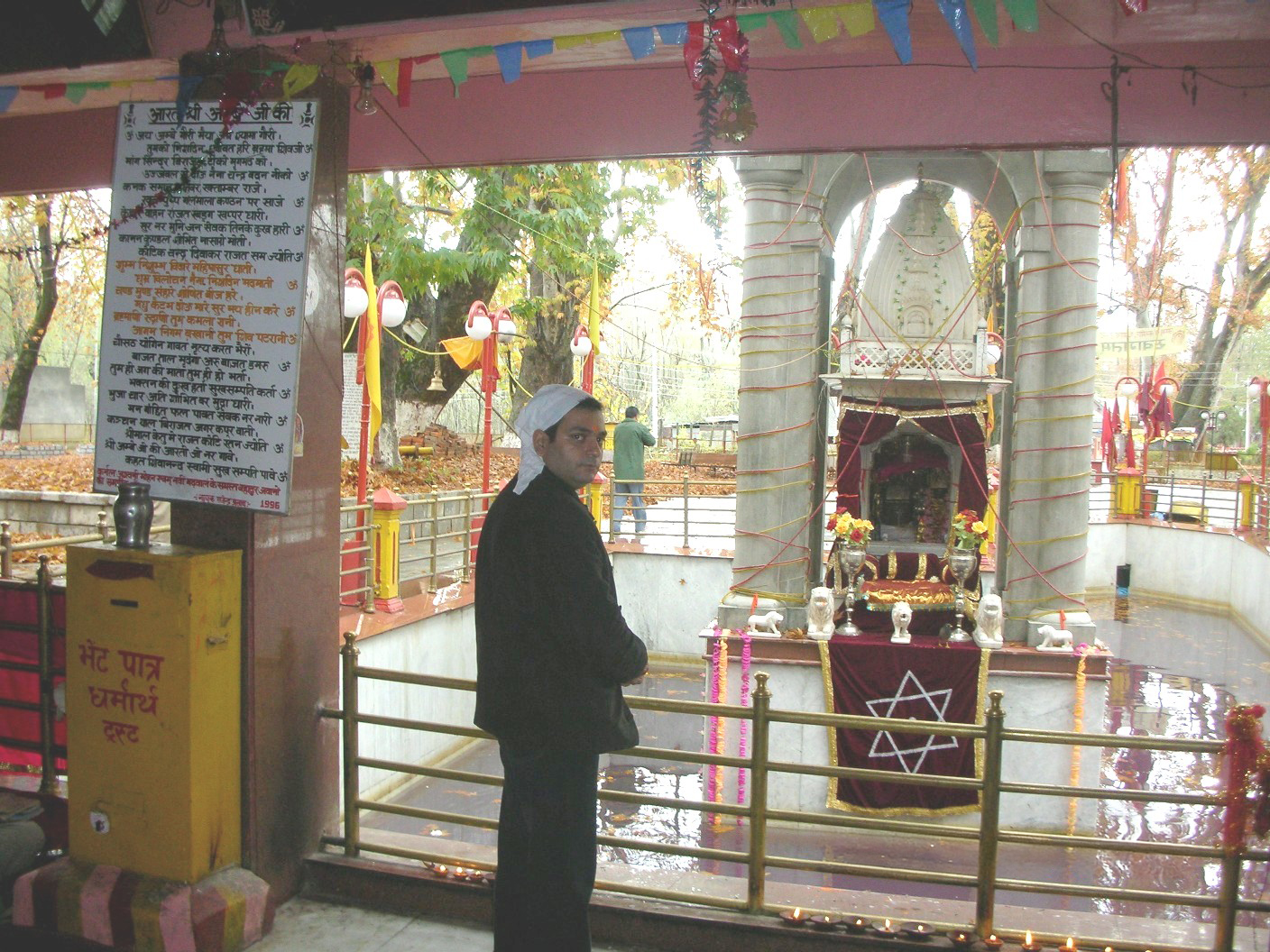
As an active place of worship, the temple requires visitors to observe standard Hindu temple etiquette. Shoes are typically removed before entering the sanctum. Photography policies should be confirmed upon arrival, as many temples restrict image-making in certain areas. Visitors are welcome to participate in the aartis or simply observe, depending on their comfort and the temple's protocols.
The offering of kheer, while traditionally prepared by devotees or arranged through temple channels, reflects the intimate nature of worship here. Those wishing to make an offering should inquire about procedures upon arrival. The spring water itself may be encountered during darshan; some visitors regard it as blessed and may take small amounts as prasad, though practices may vary.
Significance in Kashmiri Hindu Tradition
Kheer Bhawani holds deep roots in Kashmiri Hindu religious life, functioning as a Kuladevi for most Hindu Kashmiri families. This role as protective family deity means the temple serves not merely as a pilgrimage destination but as a spiritual anchor for an entire community's devotional practice. The goddess's worship connects to broader Shakti traditions within Hinduism, emphasizing the divine feminine principle and its protective, nurturing aspects.
The temple's significance extends beyond individual worship to communal identity. For Hindu Kashmiris, whether resident in the region or dispersed elsewhere, Kheer Bhawani represents a continuity of tradition and a point of spiritual connection to ancestral practice and homeland.
How to reach
You may also visit
Agatheeswarar Temple, Karur
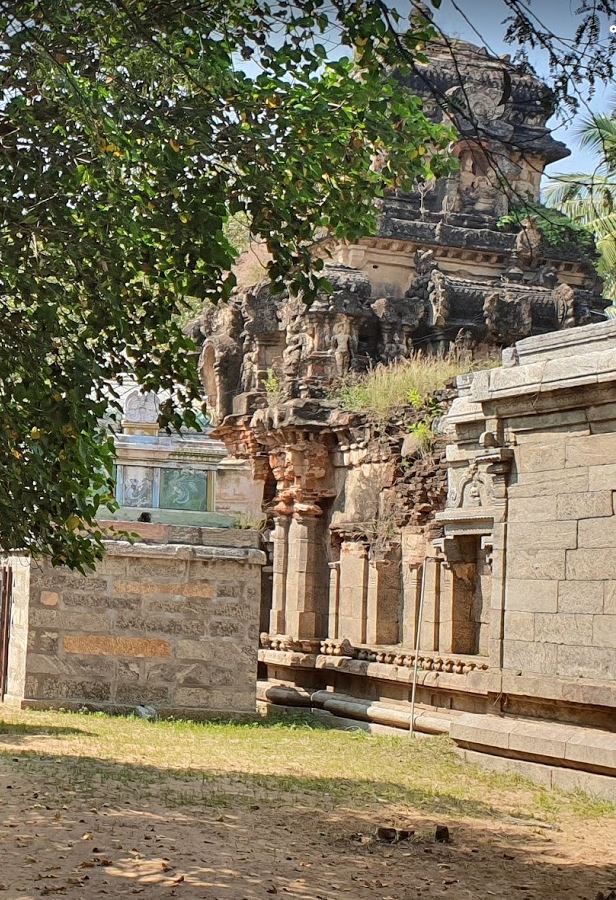
Agatheeswarar Temple in Thirumukkudalur, Karur district, is an ancient Hindu shrine dedicated to Shiva, situated at the sacred confluence of three rivers and believed to be over 1000 years old.
Kalyanji Temple
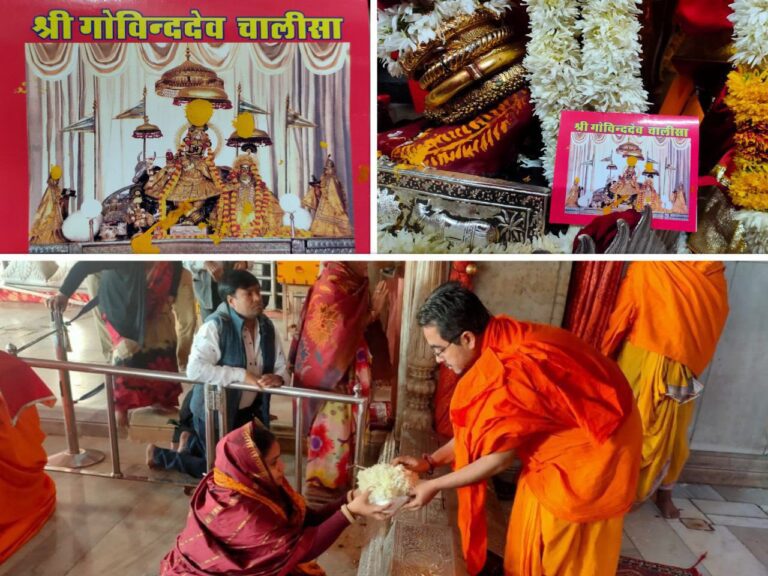
Kalyanji Temple in Jaipur's Chandpol Bazaar is an ancient Krishna shrine established in the 1820s, renowned for its seven daily aartis and special avatar darshan ceremonies during Akha Teej and Patottsav festivals.
Rani Sati Mandir Mahuda
Rani Sati Mandir in Mahuda, Dhanbad District, is a Hindu temple established in 1992 that serves as a spiritual center for the local community and attracts devotees seeking blessings.