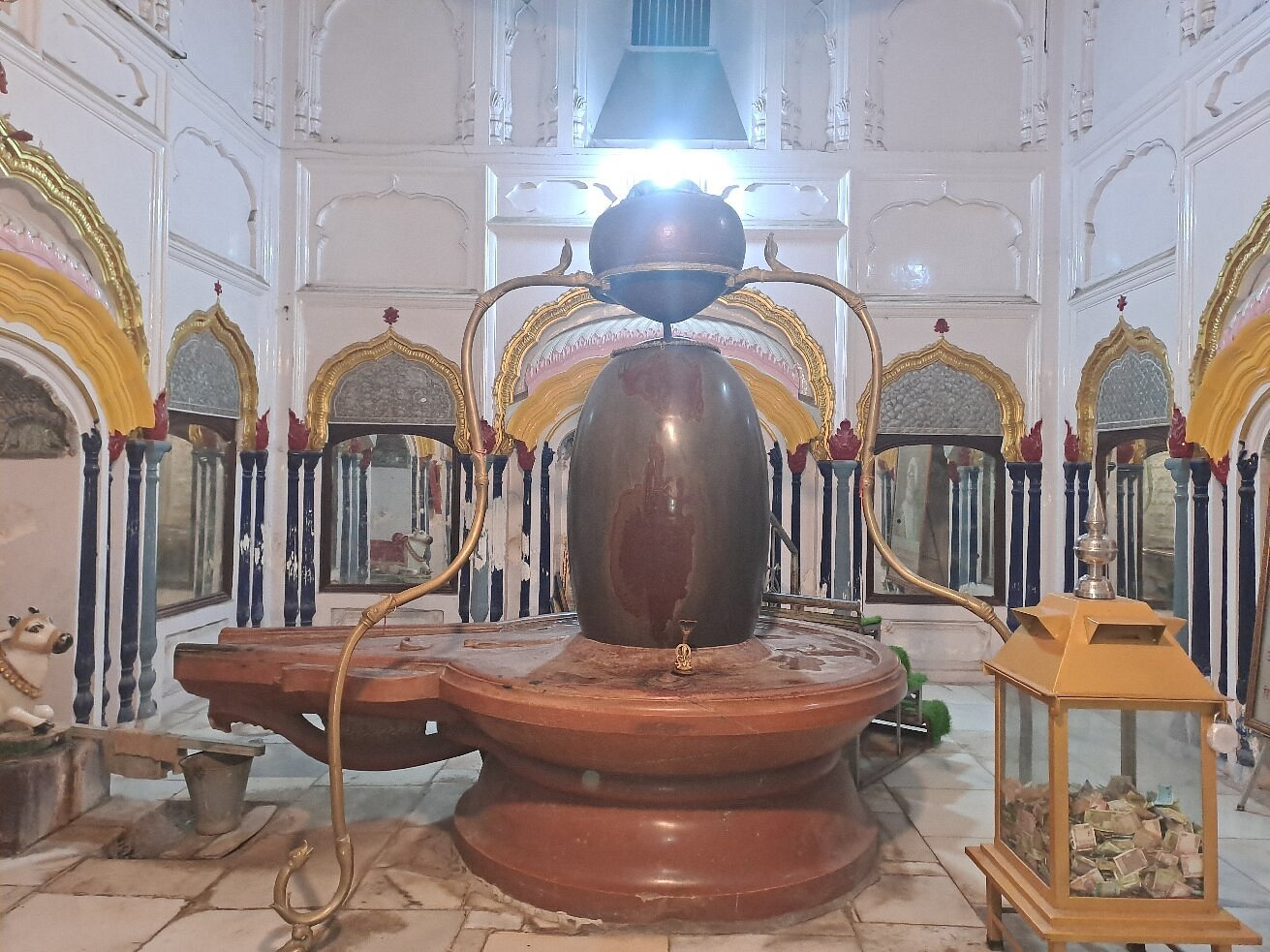
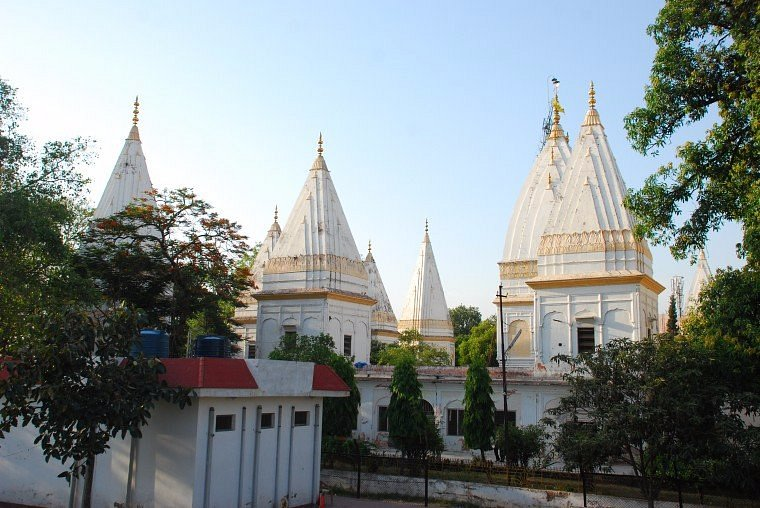

Raghunath Temple, Srinagar
About Raghunath Temple, Srinagar
The temple's construction began in 1835 under Maharaja Gulab Singh and was completed in 1860 by his successor, Maharaja Ranbir Singh. This period of building reflects the significant patronage Hindu temples received from Kashmir's ruling families during the nineteenth century. The structure thus represents an important historical monument from this era of Kashmir's religious and cultural life.
The temple's later history reflects the broader upheaval experienced by Hindu communities in Kashmir. Following communal disturbances, the temple was attacked and subsequently abandoned as the Hindu population of the Kashmir valley declined. In recent years, restoration efforts have begun to preserve and rehabilitate the structure, acknowledging its historical and spiritual significance to the region's Hindu heritage.
Daily Worship and Aartis
The temple maintains regular daily worship with two principal aartis—ceremonial offerings of light to the deity. The Shringar Aarti, performed in the morning at 7:00 AM, marks the beginning of the temple's spiritual day. The Sandhya Aarti, conducted in the evening at 6:00 PM, concludes the day's worship. These rituals follow the traditional practice of Hindu temples, where aartis punctuate the day with moments of collective devotion.
The temple opens at 6:00 AM and remains accessible to visitors until 8:00 PM daily. This schedule allows devotees to participate in morning worship or visit during quieter evening hours. Early morning and evening periods—between 7:00 and 9:00 AM, and again from 5:00 to 7:30 PM—are noted as particularly suitable times for a spiritual experience, when the temple atmosphere is most conducive to prayer and reflection.
Best Times to Visit
The months from October through March offer the most pleasant weather for visiting Srinagar and the temple. During this period, the Kashmir valley experiences cooler temperatures and clearer skies, making for comfortable travel and outdoor movement around the temple grounds. Visitors planning a trip should consider these months for optimal conditions.
Beyond seasonal considerations, the timing of your visit within each day matters significantly. The early morning hours align with the Shringar Aarti and the temple's freshest atmosphere, while the evening period around the Sandhya Aarti offers another opportunity for meaningful worship. Visiting during these peak spiritual times allows you to participate in the temple's living religious practice rather than observing it as a historical site alone.
Visiting Information and Etiquette
Raghunath Temple is located in Srinagar at coordinates 34.08568, 74.80545. The temple operates daily from 6:00 AM to 8:00 PM. As with Hindu temples generally, visitors should dress modestly and remove footwear before entering the inner sanctum. It is customary to approach the deity with respect and to follow any instructions provided by temple staff regarding the order of worship or movement through the temple space.
The temple's restoration status means that some facilities or areas may be undergoing work. Visitors should be prepared for the possibility of limited amenities and should verify current conditions before planning extended visits. Photography policies and specific rules about worship participation may vary, so it is advisable to inquire upon arrival.
Reaching the Temple
Srinagar is accessible by air, rail, and road from major Indian cities. The temple's precise location in the city can be reached using the provided coordinates or by asking local residents for directions to Raghunath Temple. As with any pilgrimage site, allowing adequate time for travel and accounting for local traffic conditions will ensure a smooth visit.
How to reach
Temples near Raghunath Temple, Srinagar
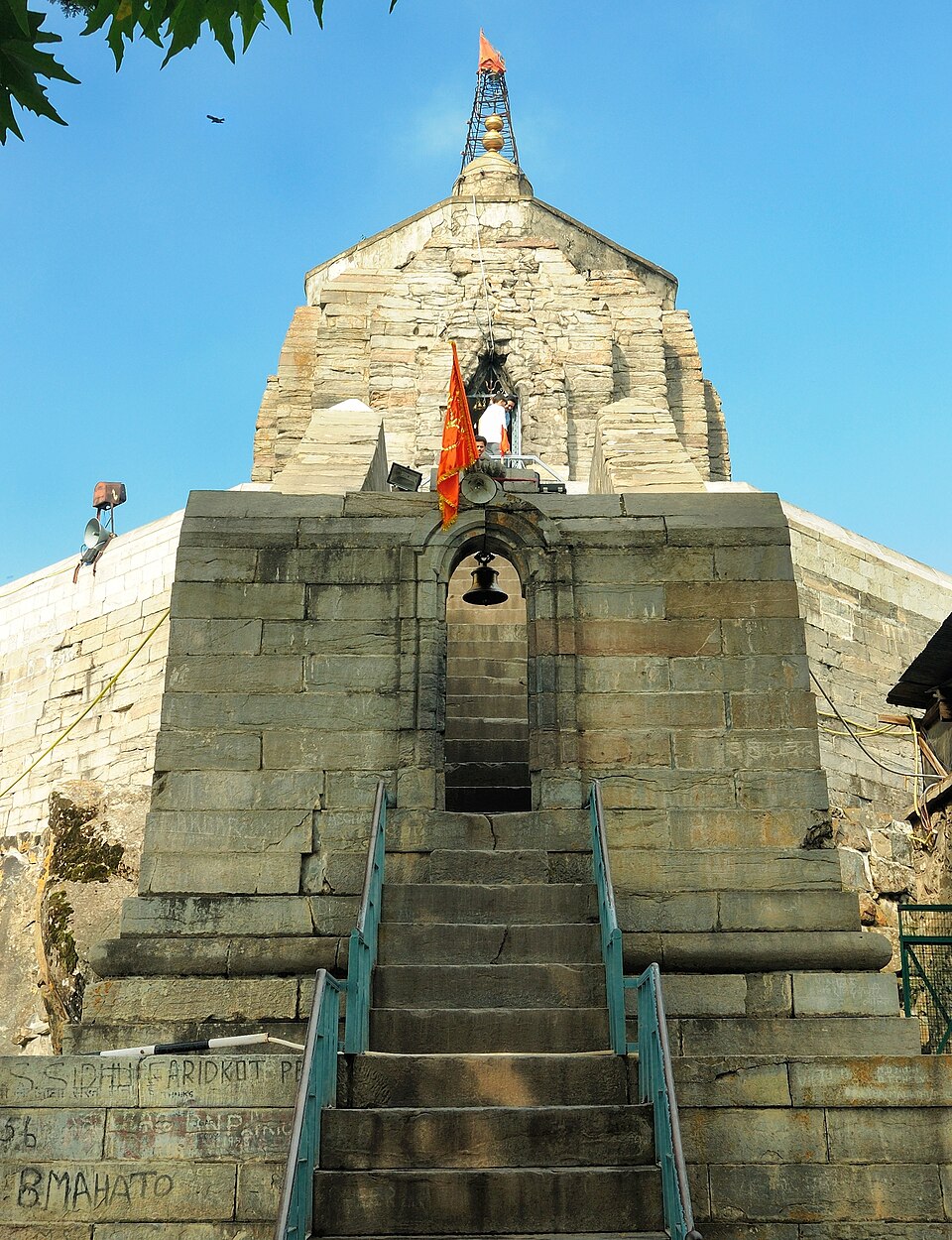
Shankaracharya Temple, Srinagar
Shankaracharya Temple is an ancient Hindu shrine dedicated to Lord Shiva, perched atop Shankaracharya Hill at 1,000 feet above Srinagar, offering panoramic views of Dal Lake and…
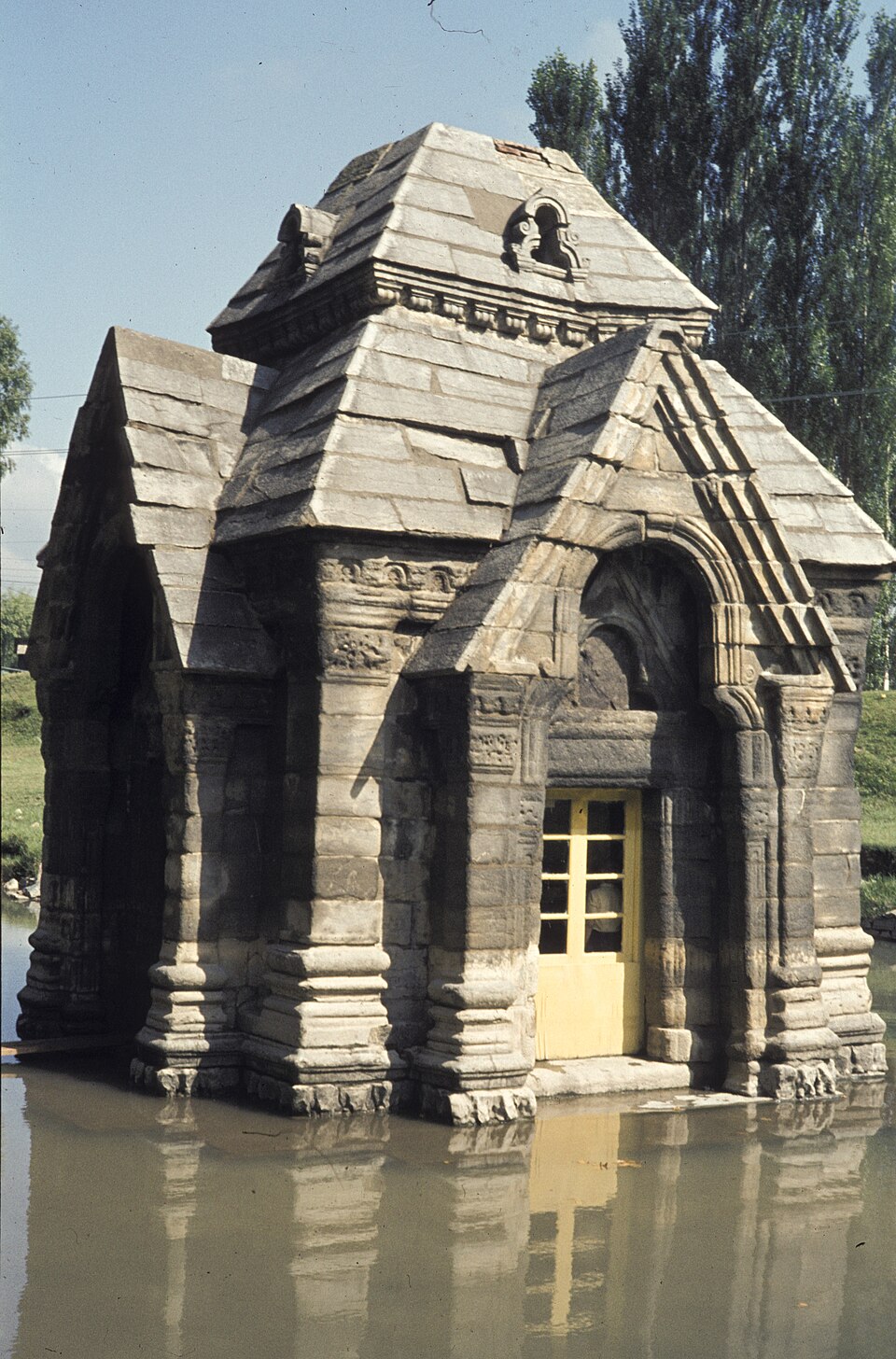
Pandrethan Shiva Temple
The Pandrethan Shiva Temple in Srinagar is one of Kashmir's finest preserved ancient Hindu stone temples, dating to the 8th–9th century CE and situated around a natural spring-f…
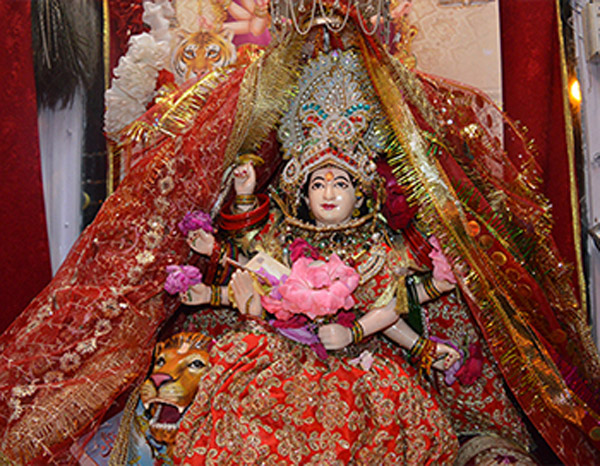
Zeashta Devi Shrine
Zeashta Devi Shrine in Srinagar is an ancient Hindu sanctuary dedicated to Jyeshta Devi, a manifestation of Shakti, revered by Kashmiri Pandits for over a millennium.
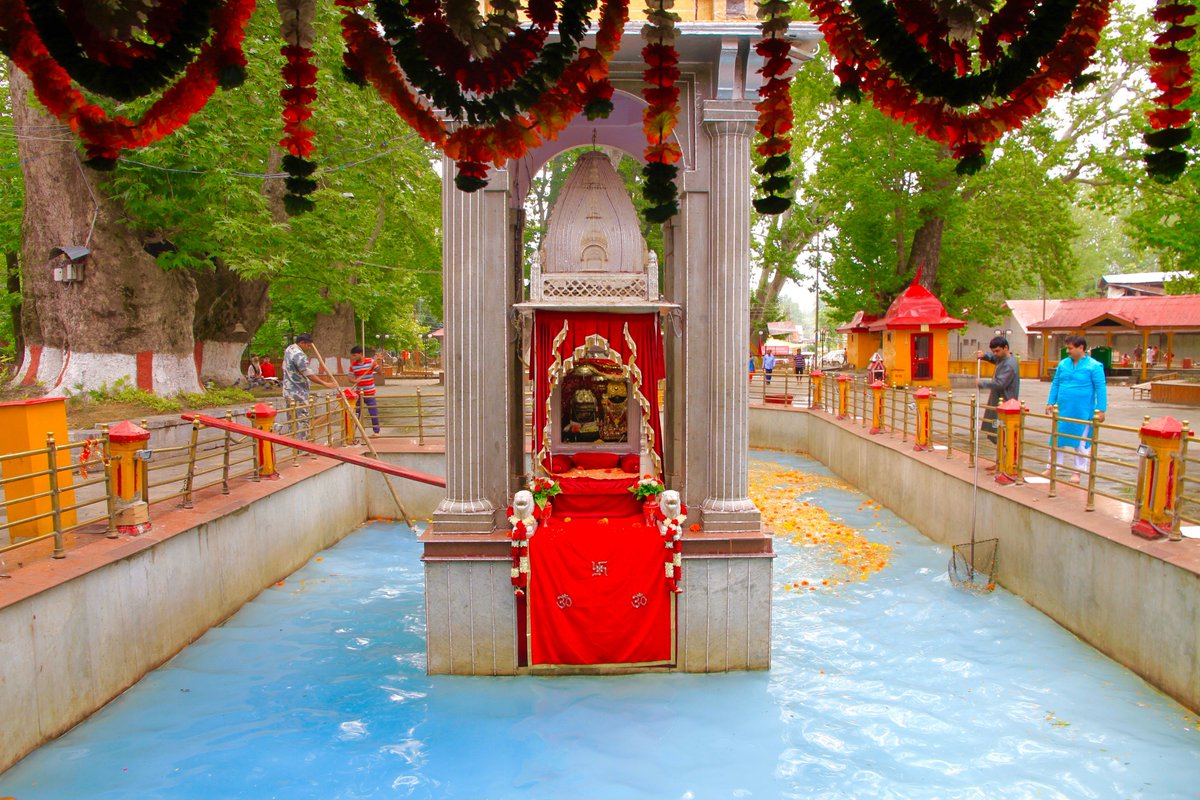
Kheer Bhawani Temple
Kheer Bhawani Temple, situated 25 km northeast of Srinagar in Tulmulla village, is a sacred Hindu shrine dedicated to the goddess Kheer Bhawani (also known as Ragnya Devi), buil…
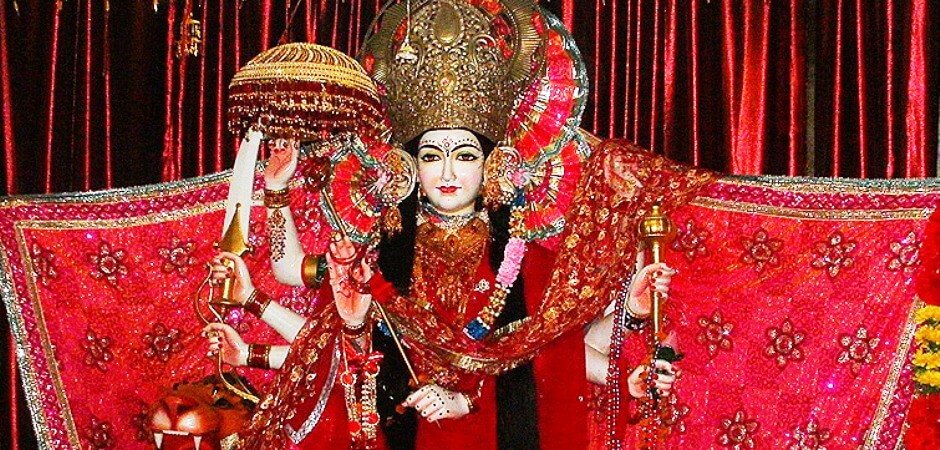
Jwala Ji Temple (Kashmir)
Jwala Ji Temple in Khrew, Pulwama, is a hilltop Hindu shrine dedicated to Goddess Jwala Ji, featuring a sacred spring and drawing pilgrims especially during the annual Jwalamukh…

Ancient Temple, Ladhoo
Ancient Temple, Ladhoo is a spring-fed shrine in Pulwama district, Kashmir Valley, believed to date to the 8th century CE. The primary deity remains undocumented in available so…