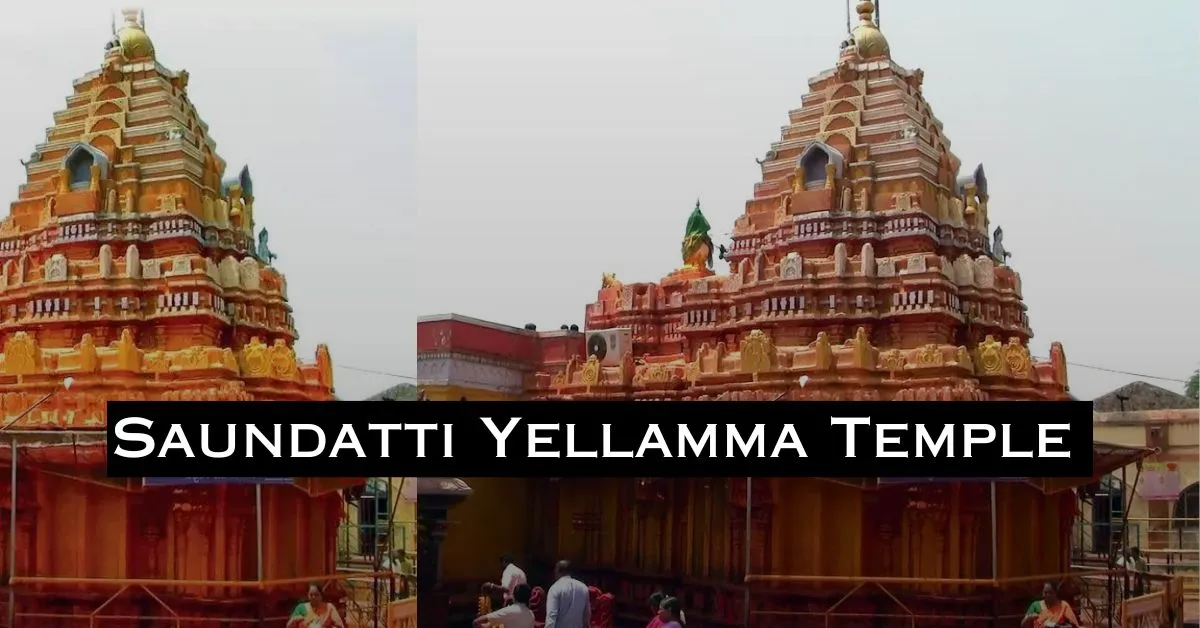

Yellamma Temple, Saundatti
About Yellamma Temple, Saundatti
The temple's roots run deep into the medieval period. Archaeological evidence indicates occupation of the hill dating to the mid-8th through mid-11th centuries, corresponding to the early Rashtrakuta or late Chalukya era. Beyond these periods, megalithic tombs found on the site suggest even earlier human presence and sacred use of the location. This layered history—from prehistoric burial sites through medieval temple construction—indicates that Yellammanna Gudda has held spiritual and cultural importance across multiple centuries and dynasties.
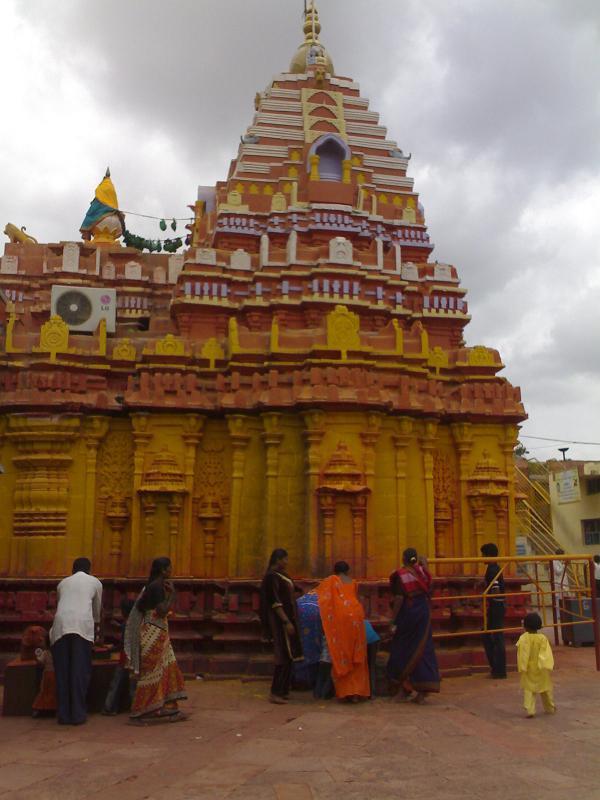
The temple's establishment during this medieval period places it within a significant phase of South Indian temple construction and religious development. However, the specific architectural details of the temple structure itself are not documented in available sources. Visitors interested in the temple's built form and artistic elements should plan to observe these directly during their visit.
Daily Worship and Darshan
The temple maintains two daily darshan periods: morning darshan from 6:00 AM to 12:00 PM, and evening darshan from 4:00 PM to 9:00 PM. Morning and evening aartis mark the principal ritual moments, when the deity receives formal worship and devotees gather for collective prayer. These scheduled rituals structure the temple's daily rhythm and offer visitors defined times to participate in worship alongside the community.
The hilltop location requires climbing to reach the temple, so visitors should wear comfortable footwear suitable for the ascent and plan their visit with this physical aspect in mind. Those visiting during the morning hours may find the climb more manageable in cooler temperatures. It is advisable to confirm exact timings before arrival, as schedules may shift during festivals and seasonal changes.
The Pilgrimage Season
The optimal period for visiting extends from October through March, when the Deccan's climate becomes temperate following the monsoon rains. During these months, the hilltop is more accessible and weather conditions support comfortable pilgrimage. The temple draws large numbers of devotees during this season, particularly around significant festivals in the Hindu calendar, though specific festival dates are not detailed in available sources.
The temple's association with an annual fair indicates that certain times of year bring heightened activity and larger gatherings. Those seeking a quieter, more intimate darshan experience may prefer visiting during the off-season months, though the cooler season from October to March remains the most practical time for the hilltop ascent.
A Complex Historical Legacy
The temple's history includes association with the ancient devadasi practice, in which girls were dedicated to the temple. This practice, documented across South Indian temples, carried significant social implications. The Government of Karnataka formally eradicated the devadasi system through the Devadasi Prohibition Act of 1982, marking a decisive break with this historical practice. This aspect of the temple's past is part of its broader story and reflects larger historical changes in Indian society and religious practice.
Practical Information for Visitors
Visitors should plan to arrive during the designated darshan hours and wear comfortable clothing suitable for climbing. The hilltop setting means that weather conditions—particularly during the monsoon season from June to September—may affect accessibility. Modest dress is customary at Hindu temples; visitors should dress respectfully, covering shoulders and knees.
The temple is located approximately 5 kilometres from the town of Saundatti in Belagavi District, Karnataka, at coordinates 15.754, 75.16. Those planning to visit should confirm current timings and any seasonal variations before departure, as temple schedules may adjust for festivals or maintenance.
How to reach
Temples near Yellamma Temple, Saundatti

Nuggikeri
Nuggikeri Hanuman Temple is one of Dharwad's oldest and most revered Hindu temples, dedicated to Lord Hanuman and situated on the serene banks of Nuggikeri Lake. The temple draw…
Chandramouleshwara Temple, Unkal
An 11th-century Shiva temple in Unkal, Hubballi, showcasing exceptional Chalukyan architecture with a rare four-faced Linga and intricate black granite carvings.
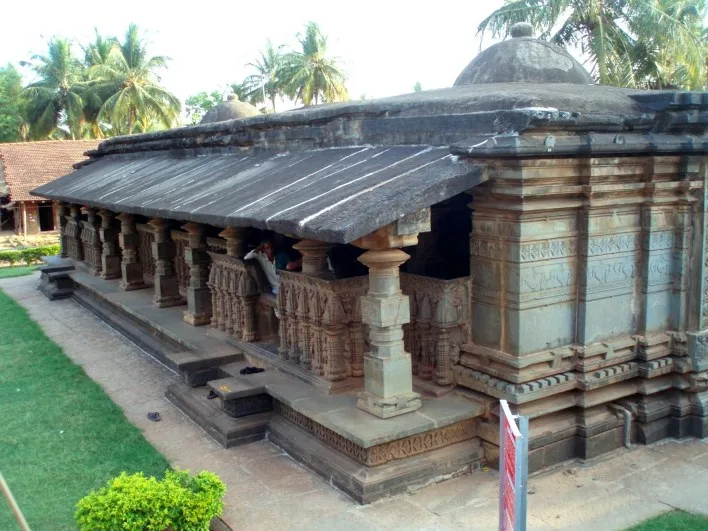
Kamala Narayana Temple, Degaon
Kamala Narayana Temple in Degaon, Karnataka, was constructed in 1174 CE by the Kadamba dynasty and features three shrine cells dedicated to Lord Narayana, Lakshmi Narayana, and…
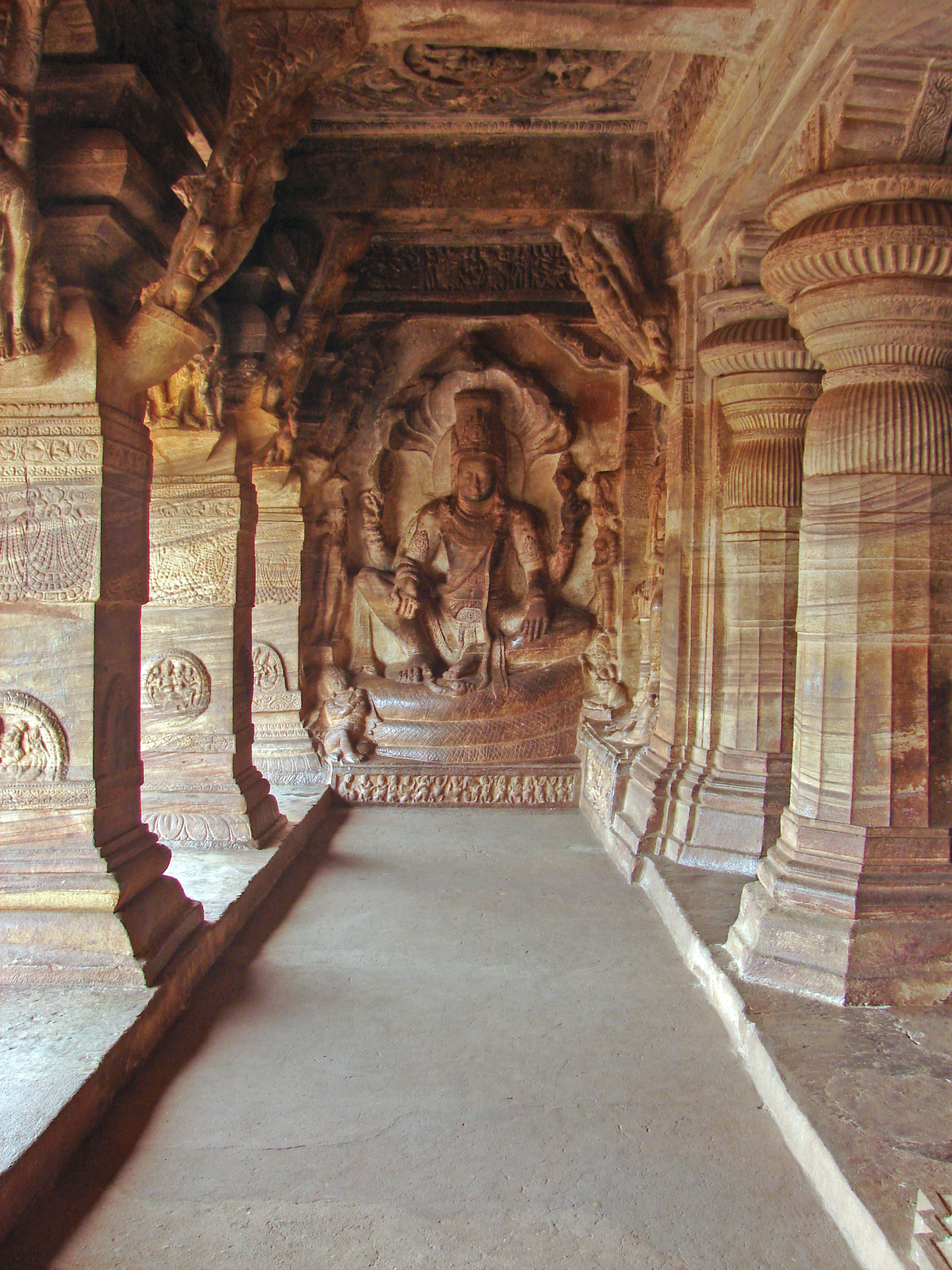
Badami cave temples
The Badami Cave Temples are a group of Hindu, Jain, and Buddhist rock-cut caves dating to the 6th century, carved during the Chalukya dynasty's reign and representing significan…
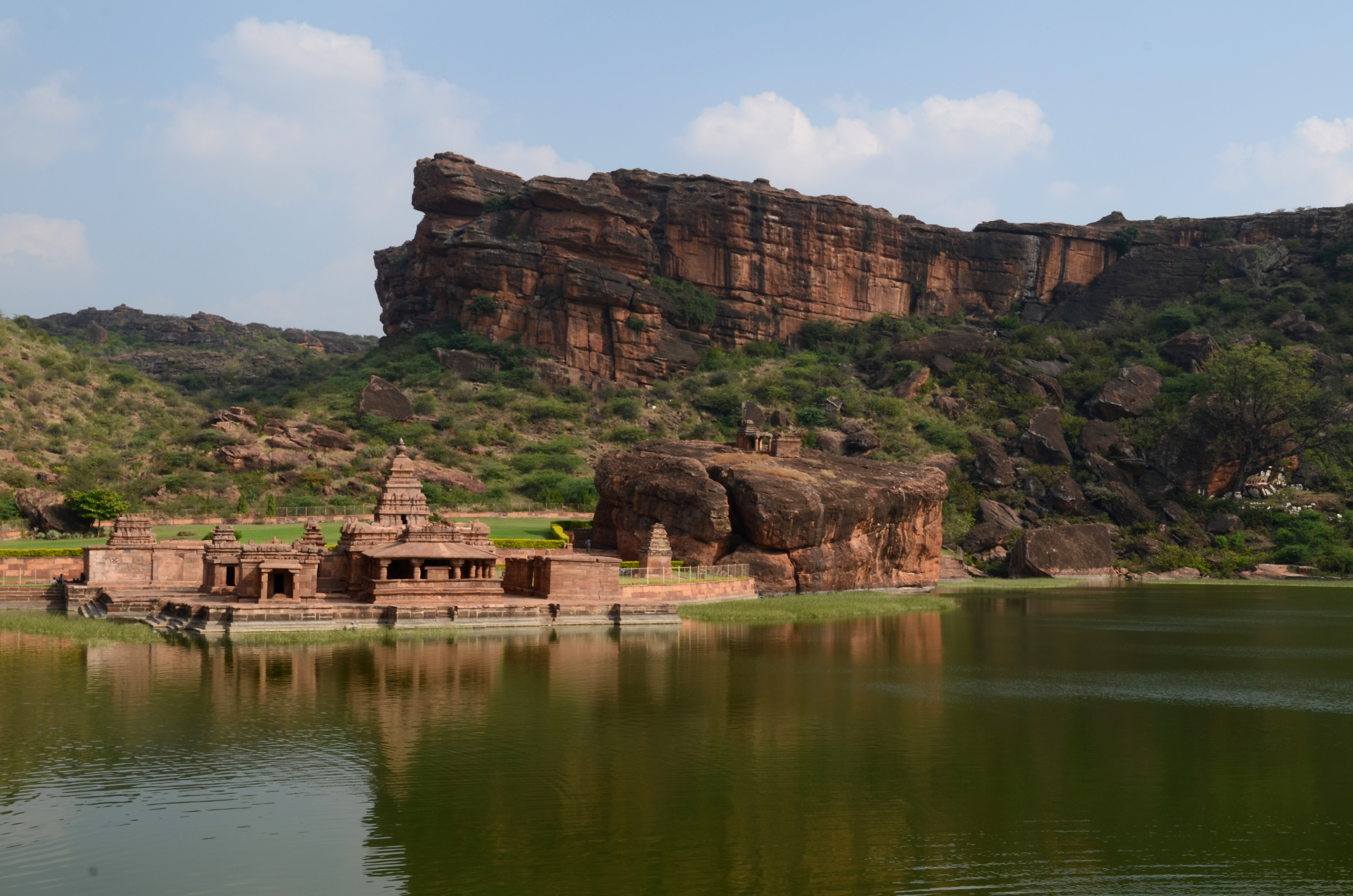
Bhutanatha group of temples, Badami
The Bhutanatha group of temples in Badami, Karnataka, comprises multiple shrines dedicated to Shiva spanning from the 7th to 12th centuries, showcasing both Dravidian and Nagara…
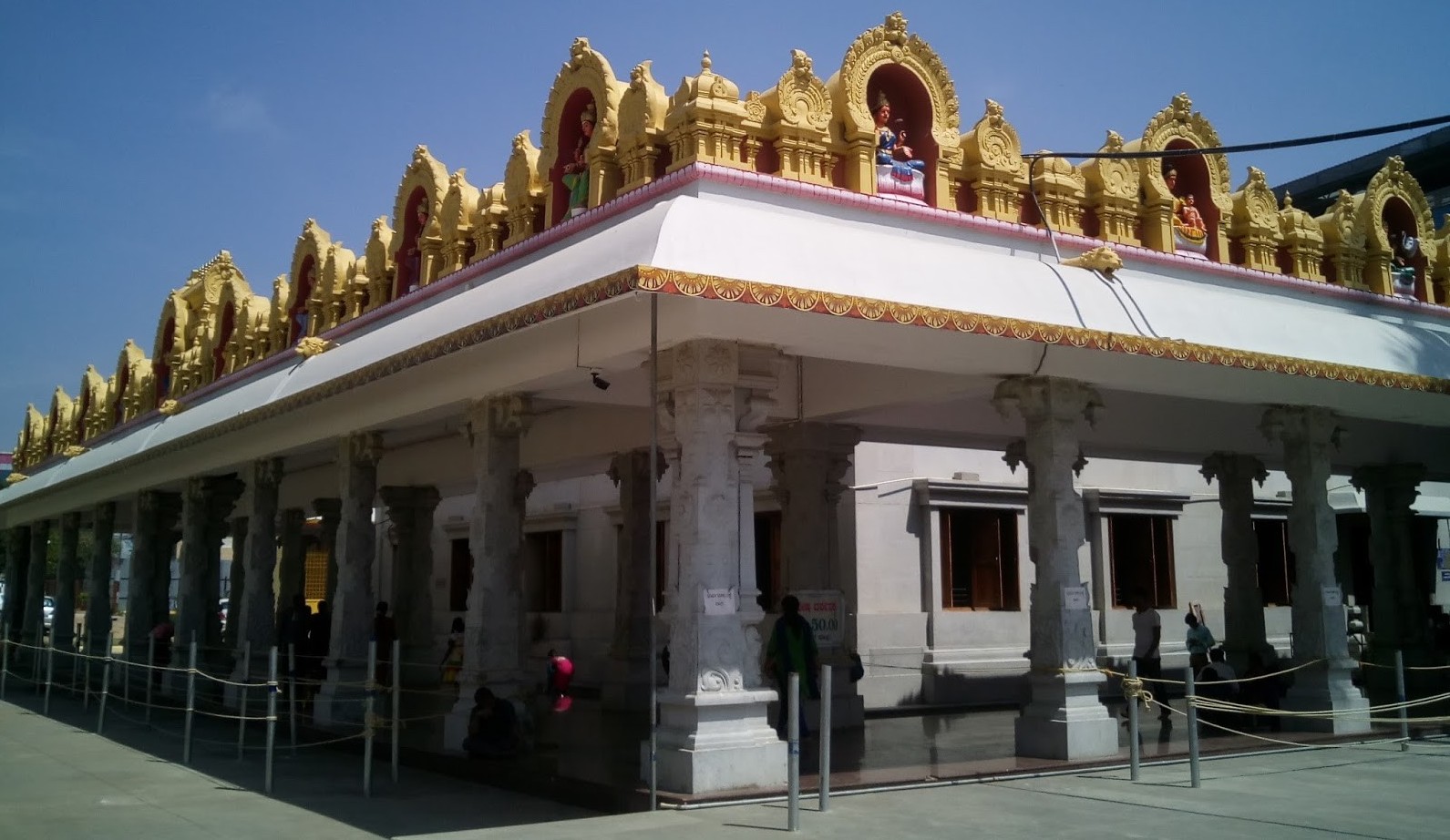
Banashankari Amma Temple
Banashankari Amma Temple in Bangalore is dedicated to Goddess Banashankari, an incarnation of Parvati, and is known for its distinctive Rahu-kala worship rituals performed on sp…