Chandramouleshwara Temple, Unkal
About Chandramouleshwara Temple, Unkal
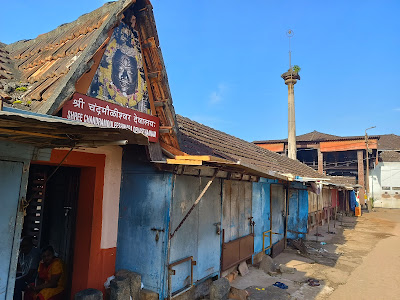
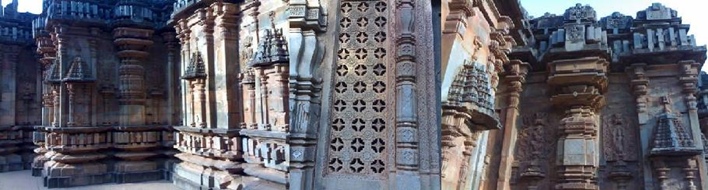
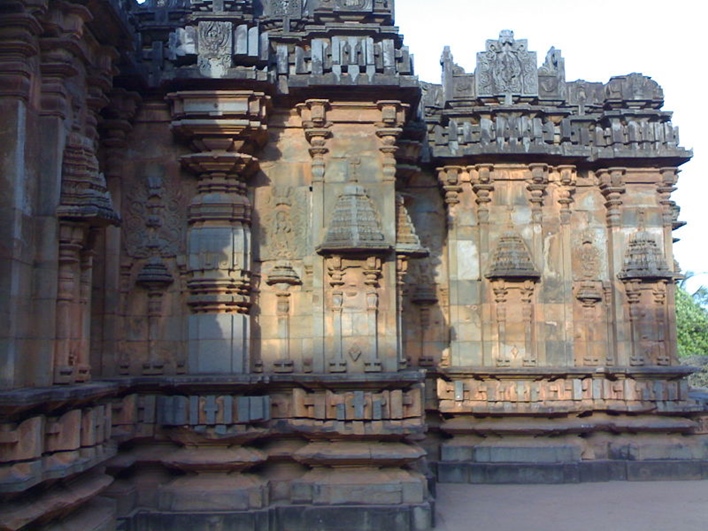
Built during the 11th century by the Western Chalukya dynasty, Chandramouleshwara Temple exemplifies the architectural sophistication of its era. The structure follows a square-cross plan with four entrances aligned to the cardinal directions, a design principle documented in classical Sanskrit texts on temple architecture. The temple's walls and pillars are fashioned from black granite, carved with detailed sculptures that narrate stories from Hindu sacred texts. These carvings represent the skill of Chalukyan artisans and remain a significant draw for those interested in medieval Indian stonework.
The temple as it stands today is considerably smaller than its original form. Historical accounts suggest that the structure once contained numerous mandapas (halls) and was more expansive, though the surviving portions preserve the essential character of Chalukyan design. Notably, unlike many temples of the period, Chandramouleshwara lacks a gopura (tower), a distinctive feature that sets it apart architecturally. The temple is protected as an ancient monument under the Archaeological Survey of India.
Daily Worship and Darshan
The temple opens for darshan in two sessions: morning from 6:00 to 11:00 and evening from 17:00 to 19:30. An evening aarti (ritual of light) is performed daily, a central act of worship in Shiva temples where the deity is honored through the ceremonial offering of flame. During peak hours, visitors may experience a wait of 15 to 30 minutes before reaching the sanctum.
The early morning and late evening hours offer the quietest experience for those seeking to spend time in contemplation. These times also align with traditional Hindu practice, when temples are considered particularly conducive to spiritual practice. Maha Shivaratri, the annual festival celebrating Shiva, is noted as an especially auspicious occasion to visit, though specific observances at this temple are not detailed in available sources.
Practical Information for Visitors
Chandramouleshwara Temple is located at PB Road, Bairidevarkoppa, Unkal, in Hubballi, approximately 5 kilometers from the city center on the Hubli-Dharwad road. The temple sits near Unkal Lake, which offers a scenic setting for those wishing to extend their visit.
Parking is available at the site. However, visitors should be aware that the temple steps are not wheelchair accessible, which may present challenges for those with mobility limitations. The area surrounding the temple has limited commercial facilities, so it is advisable to carry your own water. Dress modestly as is customary when visiting Hindu temples; many devotees remove footwear before entering the inner sanctum. As with most active temples, visitors should be respectful of ongoing worship and avoid disturbing those engaged in prayer or ritual.
Setting and Surroundings
The temple occupies a location of natural beauty, situated on the banks of Unkal Lake beside the Nrupatunga Hills. This setting provides both spiritual atmosphere and practical appeal—the lake area serves as a picnic destination for visitors to the region. The combination of the ancient temple and the natural landscape creates an environment suited to both religious devotion and leisurely exploration of the area's heritage.
How to reach

You may also visit
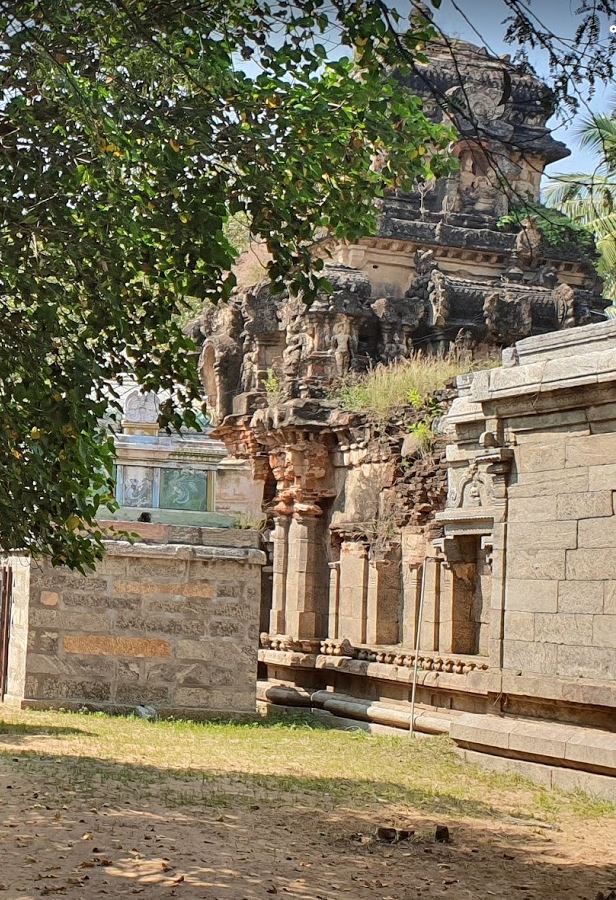
Agatheeswarar Temple, Karur
Agatheeswarar Temple in Thirumukkudalur, Karur district, is an ancient Hindu shrine dedicated to Shiva, situated at the sacred confluence of three rivers and believed to be over 1000 years old.
Kalyanji Temple
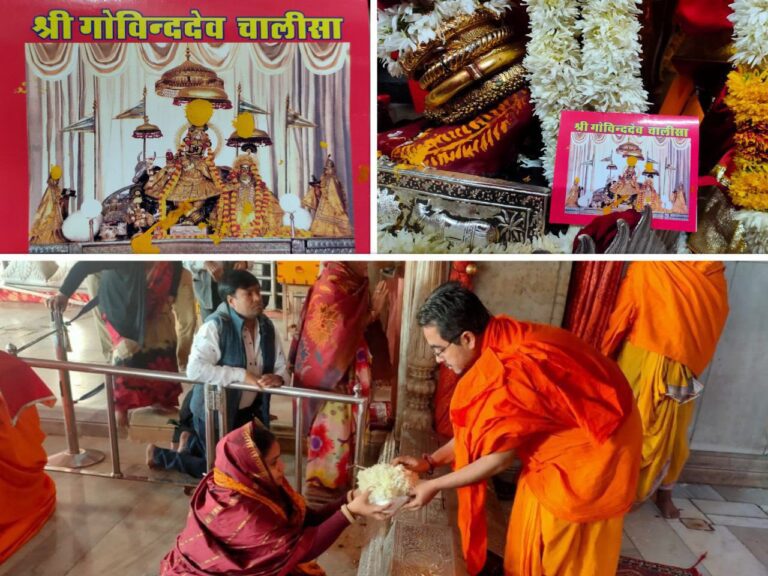
Kalyanji Temple in Jaipur's Chandpol Bazaar is an ancient Krishna shrine established in the 1820s, renowned for its seven daily aartis and special avatar darshan ceremonies during Akha Teej and Patottsav festivals.
Rani Sati Mandir Mahuda
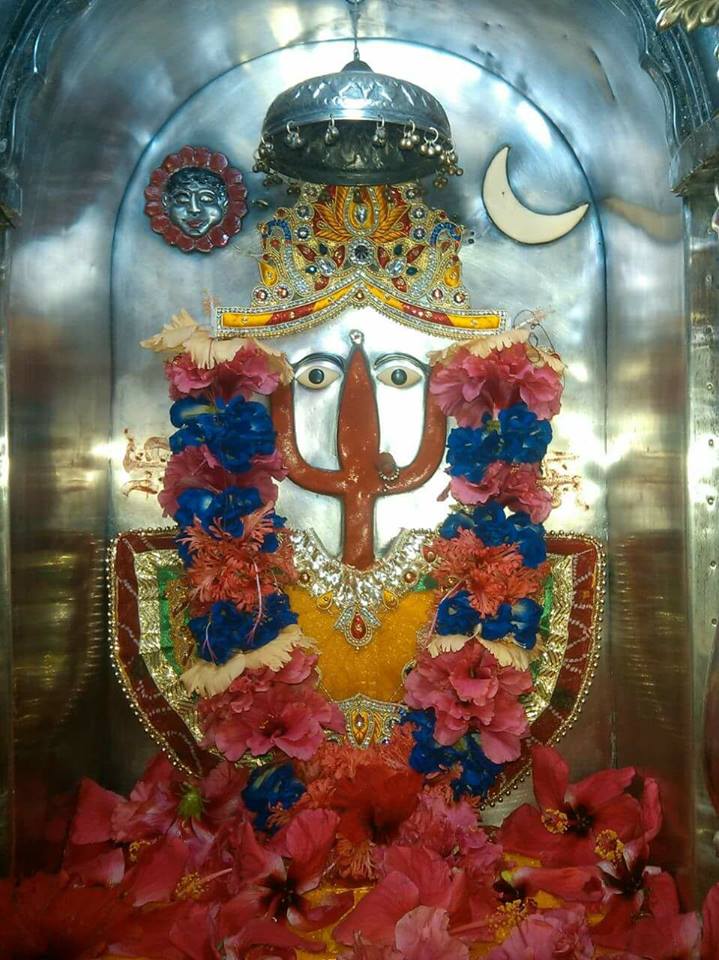
Rani Sati Mandir in Mahuda, Dhanbad District, is a Hindu temple established in 1992 that serves as a spiritual center for the local community and attracts devotees seeking blessings.