Kamala Narayana Temple, Degaon
About Kamala Narayana Temple, Degaon
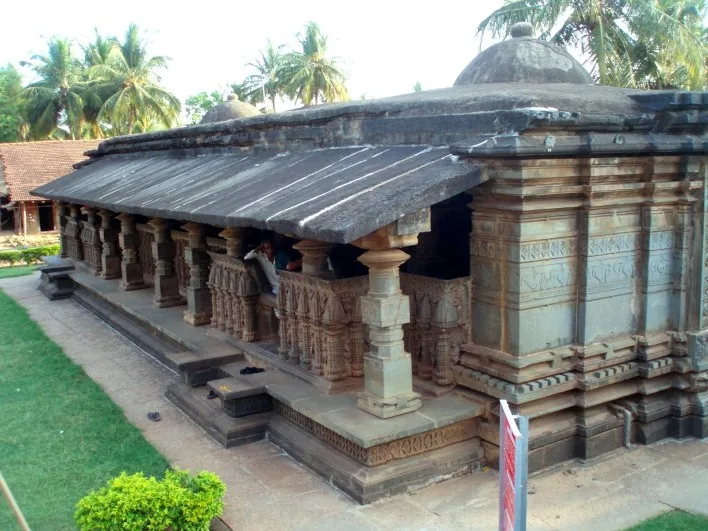
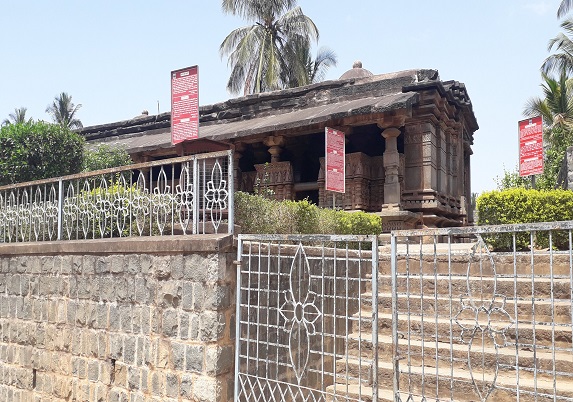
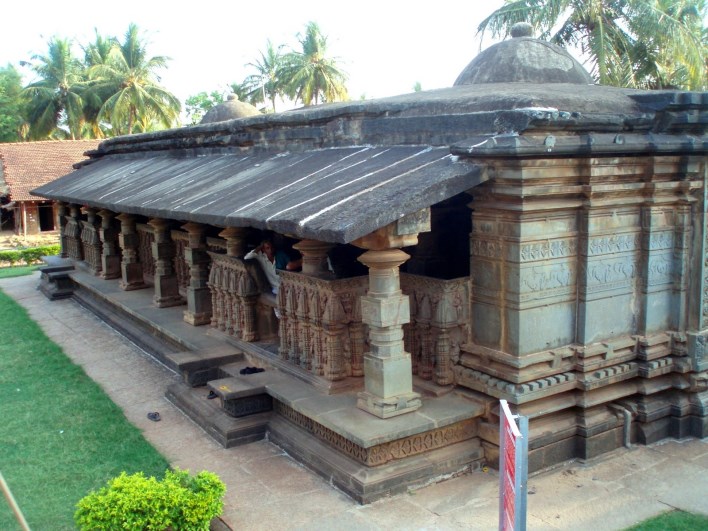
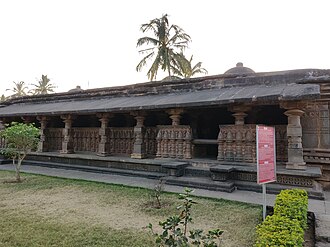
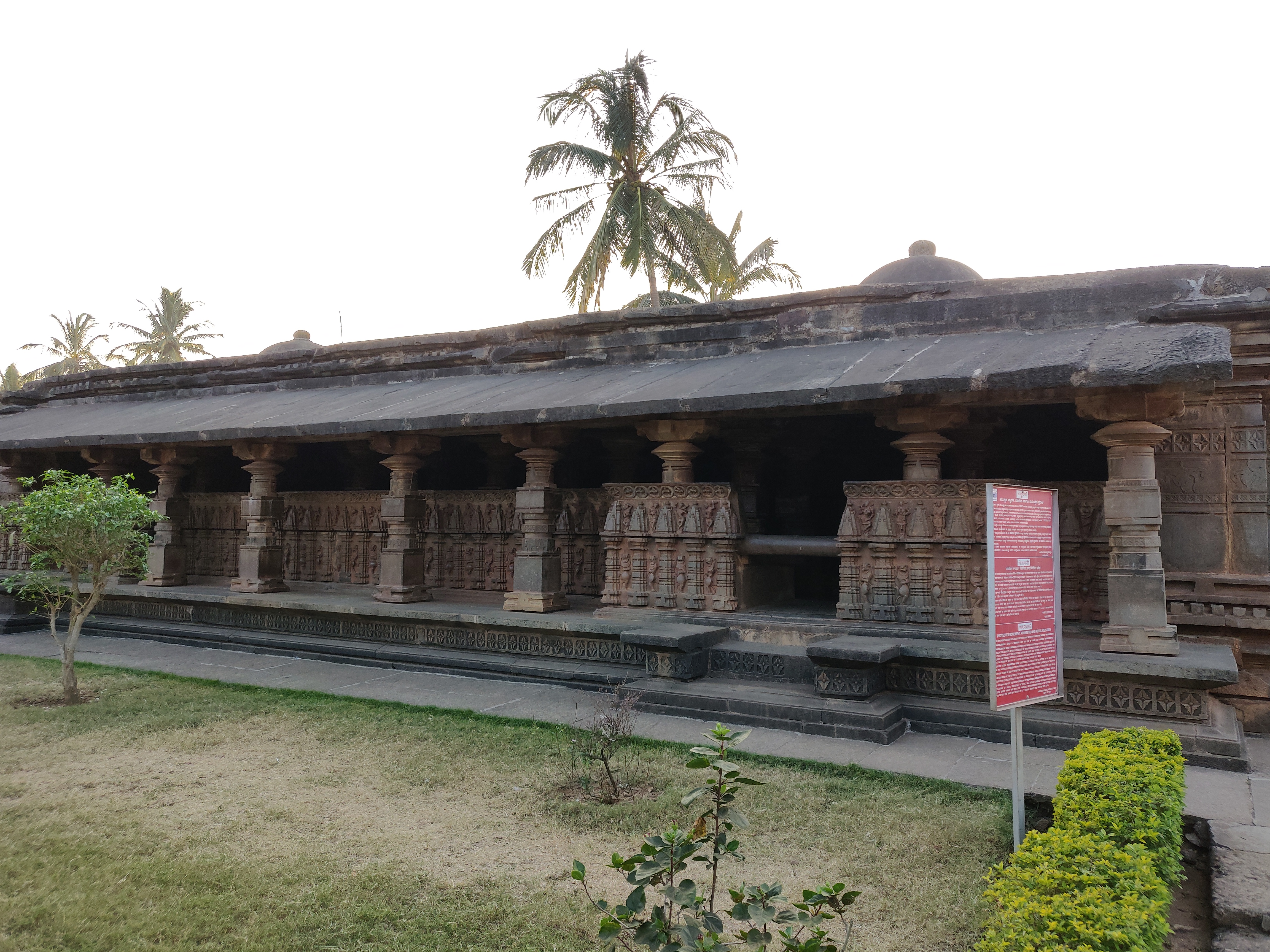
The temple exemplifies Kadamba architectural principles, a style that would later influence the celebrated Hoysala builders of the region. The structure follows a rectangular layout with a pillared hall fronting the shrine cells, creating a processional space for worship. The pillars display elaborate decorative work: roaring lions, dancing figures, and intricate scrollwork carved with precision into the stone. These carvings serve both aesthetic and symbolic purposes, with the lions representing divine protection and power.
The interior ceiling features an inverted lotus motif carved with exceptional detail—a technical and spiritual achievement that draws the eye upward during worship. The exterior stone panels bear emblems of the Kadamba dynasty, functioning as both artistic signature and historical record. The superstructure rises in tiers, a characteristic approach that gives the temple visual prominence and reflects the hierarchical cosmology of Hindu temple design. The Sukanasi, the vestibule before the main shrine, is decorated with creeper designs and ornamental windows that frame the approach to the sanctum.
The Three Shrines
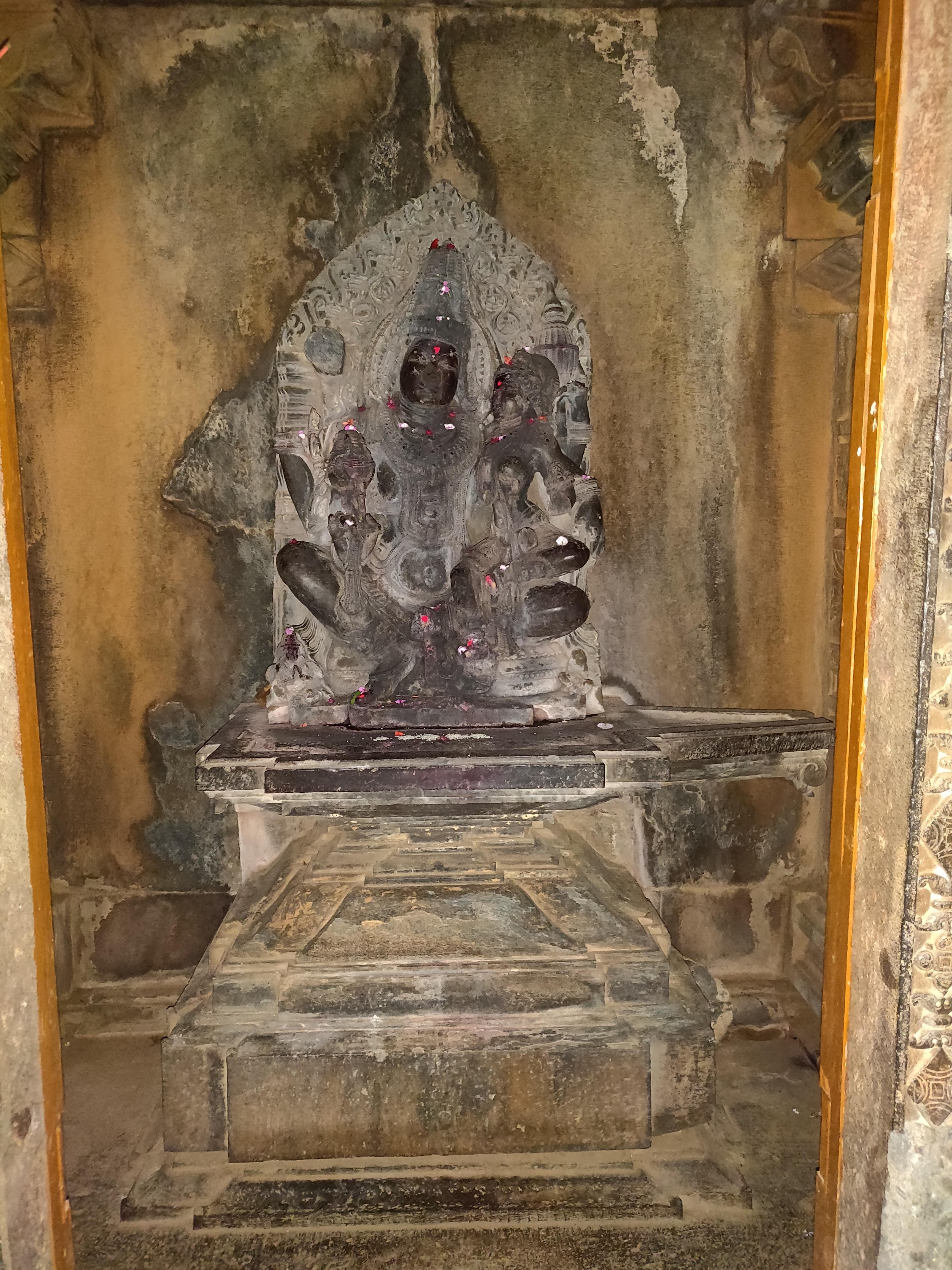
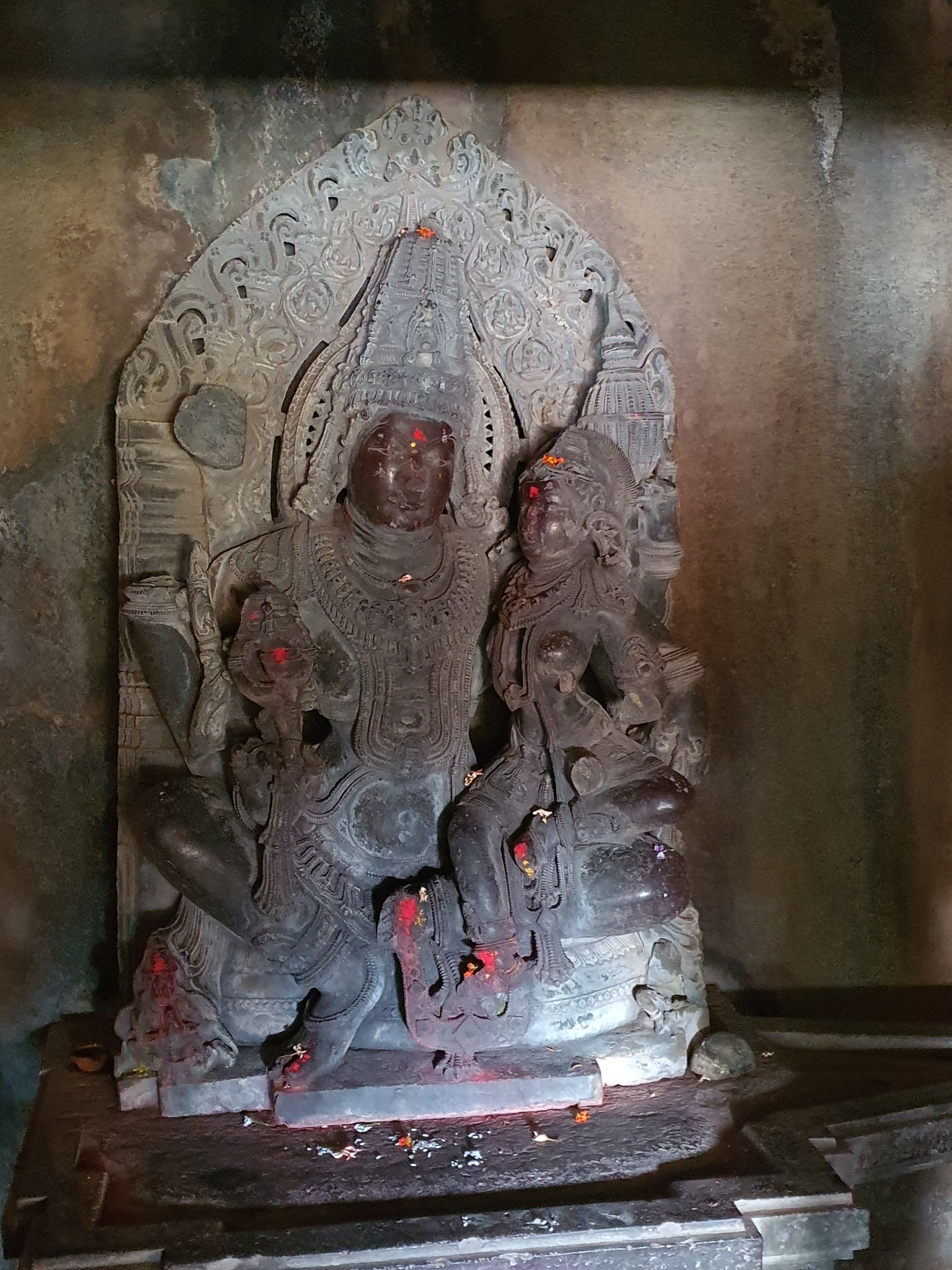
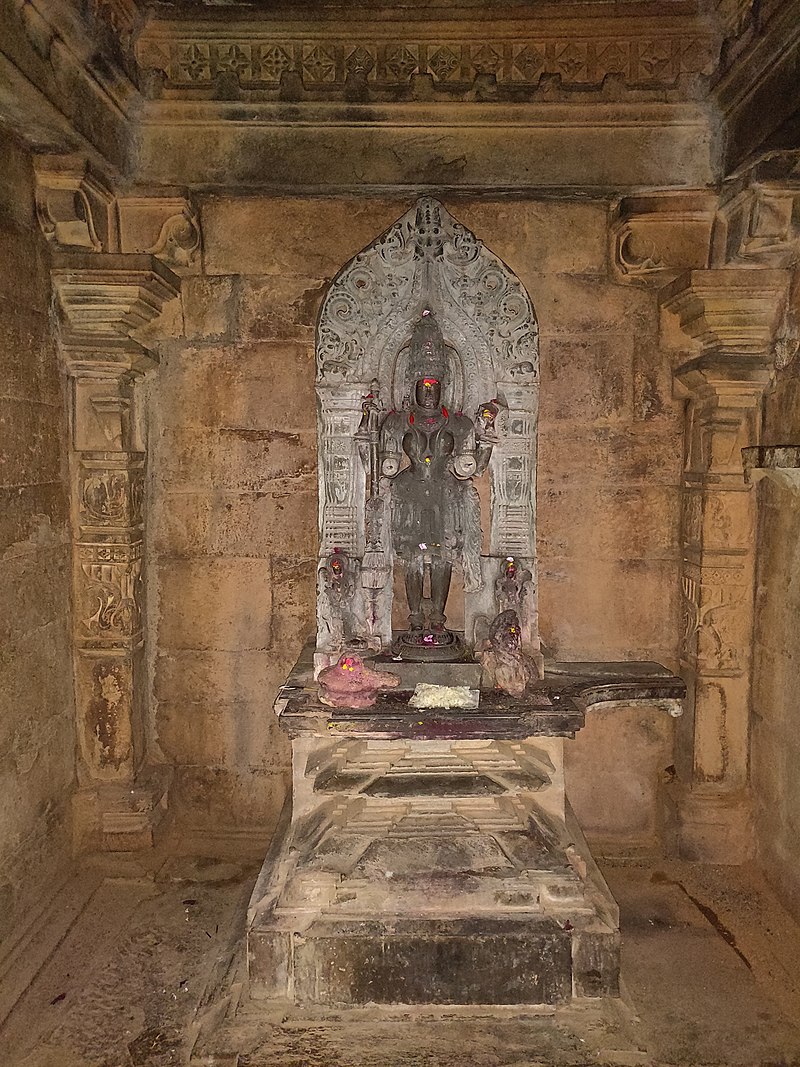
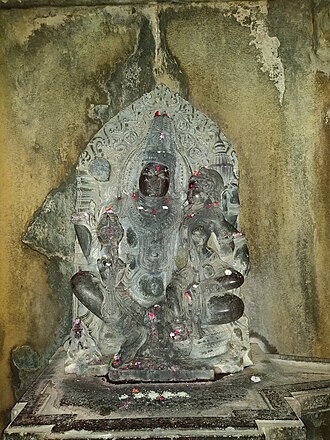
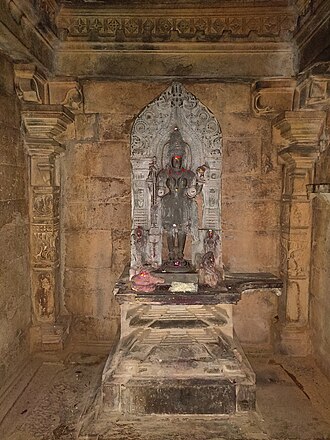
The temple's interior contains three distinct shrine cells, placing it within the classification of Trikutachal temples—structures with three sacred chambers. Each shrine holds particular significance. The first houses a statue of Narayana in solitary form, representing the deity in his transcendent aspect. The second depicts Lakshmi Narayana, with the goddess seated upon Lord Vishnu's lap—an iconographic composition that emphasizes the divine couple's interdependence and complementary cosmic functions. The third shrine is dedicated to Queen Kamala Devi, depicted with attendants on either side, preserving the memory of the royal woman whose vision and resources brought the temple into being.
Daily Worship and Darshan
The temple opens daily from 6:00 AM to 9:00 PM, providing devotees with extended hours for darshan—the ritual viewing and blessing of the deity. Temples dedicated to Narayana typically maintain regular ritual worship throughout the day, though specific details of aarti timings and daily ceremonies are not documented in available sources. Visitors planning to attend particular rituals or ceremonies should confirm current schedules with the temple directly, as practices may vary seasonally or on festival occasions.
Visiting Information
The temple is located at coordinates 15.570583333333, 74.752416666667 in Degaon village, Belgaum District, Karnataka 591115. By road, Belgaum city lies approximately 48 kilometers away, while the nearer town of Kittur is about 8.8 kilometers distant. Belgaum Railway Station (49.5 km) and Belgaum Airport (56 km) serve as the main transport hubs; Hubli Airport is an alternative, located 55 kilometers away.
Visitors should plan their journey with awareness that timings may vary on festival days. Standard Hindu temple etiquette applies: remove footwear before entering the sanctum, dress modestly, and approach the shrines with respectful intention. The temple's stone construction and open pillared halls provide some shelter, though the site offers limited modern facilities. Bring water and sun protection, particularly if visiting during midday hours.
How to reach
You may also visit
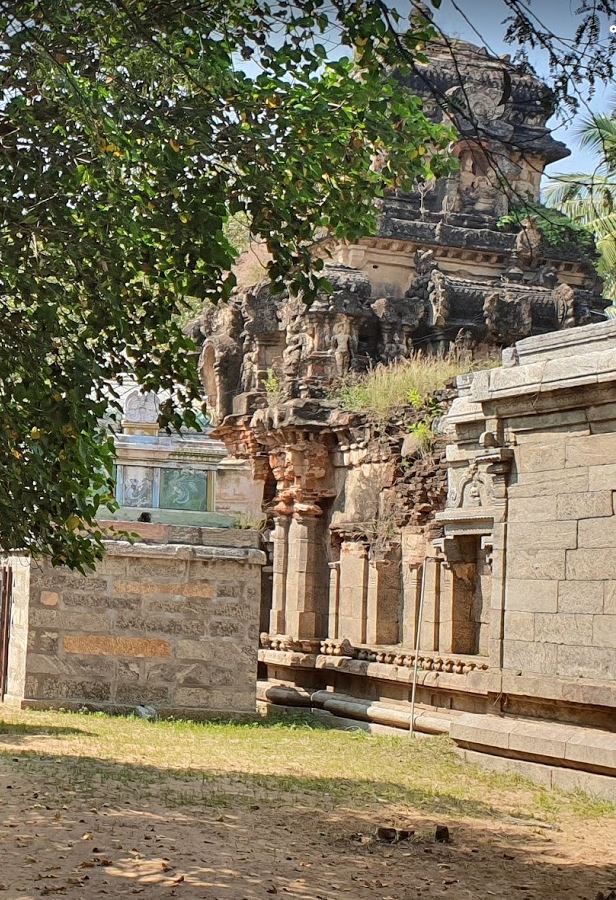
Agatheeswarar Temple, Karur
Agatheeswarar Temple in Thirumukkudalur, Karur district, is an ancient Hindu shrine dedicated to Shiva, situated at the sacred confluence of three rivers and believed to be over 1000 years old.
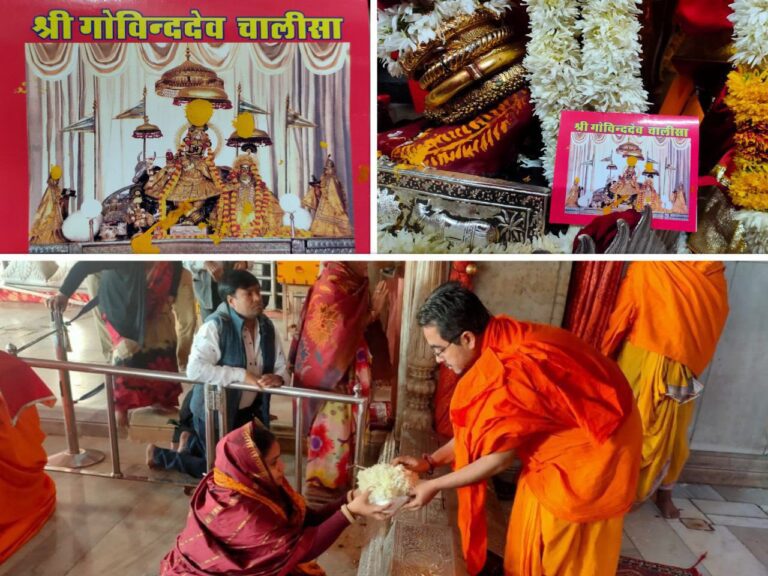
Kalyanji Temple
Kalyanji Temple in Jaipur's Chandpol Bazaar is an ancient Krishna shrine established in the 1820s, renowned for its seven daily aartis and special avatar darshan ceremonies during Akha Teej and Patottsav festivals.
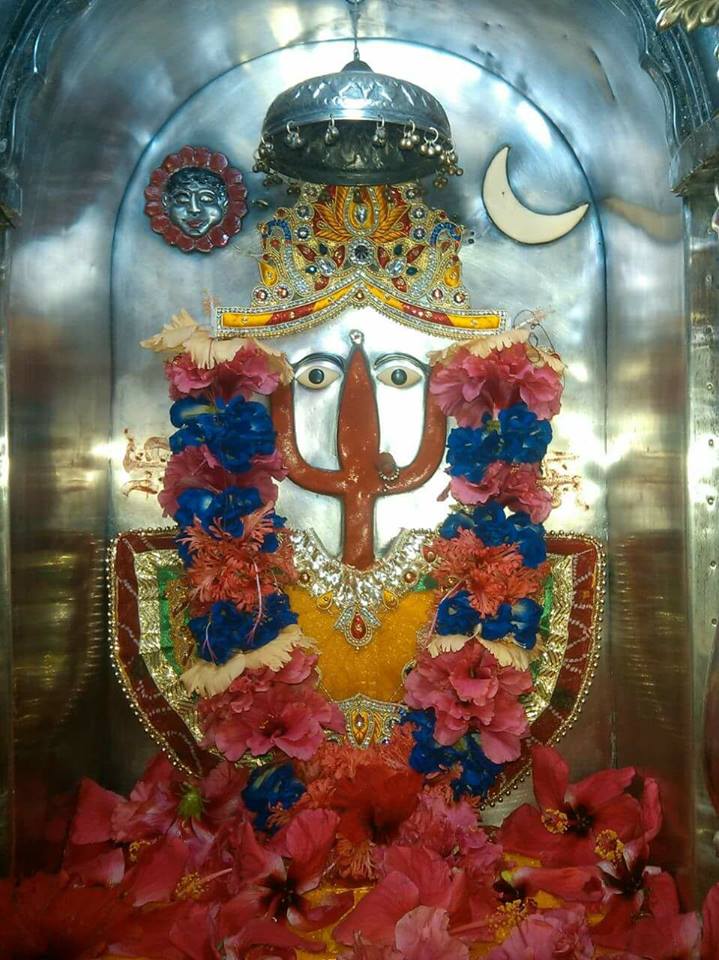
Rani Sati Mandir Mahuda
Rani Sati Mandir in Mahuda, Dhanbad District, is a Hindu temple established in 1992 that serves as a spiritual center for the local community and attracts devotees seeking blessings.