Badami cave temples
About Badami cave temples
The temples maintain a structured schedule of worship throughout the day. The morning aarti takes place from 06:00 to 07:00, offering devotees an opportunity to participate in the opening rituals as the day begins. A midday pooja occurs between 12:00 and 13:00, and the evening aarti runs from 18:00 to 19:00. These regular observances follow the traditional rhythm of Hindu temple worship, with the morning and evening aartis marking the principal moments of collective devotion. Visitors wishing to experience the full ceremonial atmosphere should plan their visit around these times, particularly the early morning hours when the light and atmosphere are most conducive to contemplation.
Multi-Faith Significance
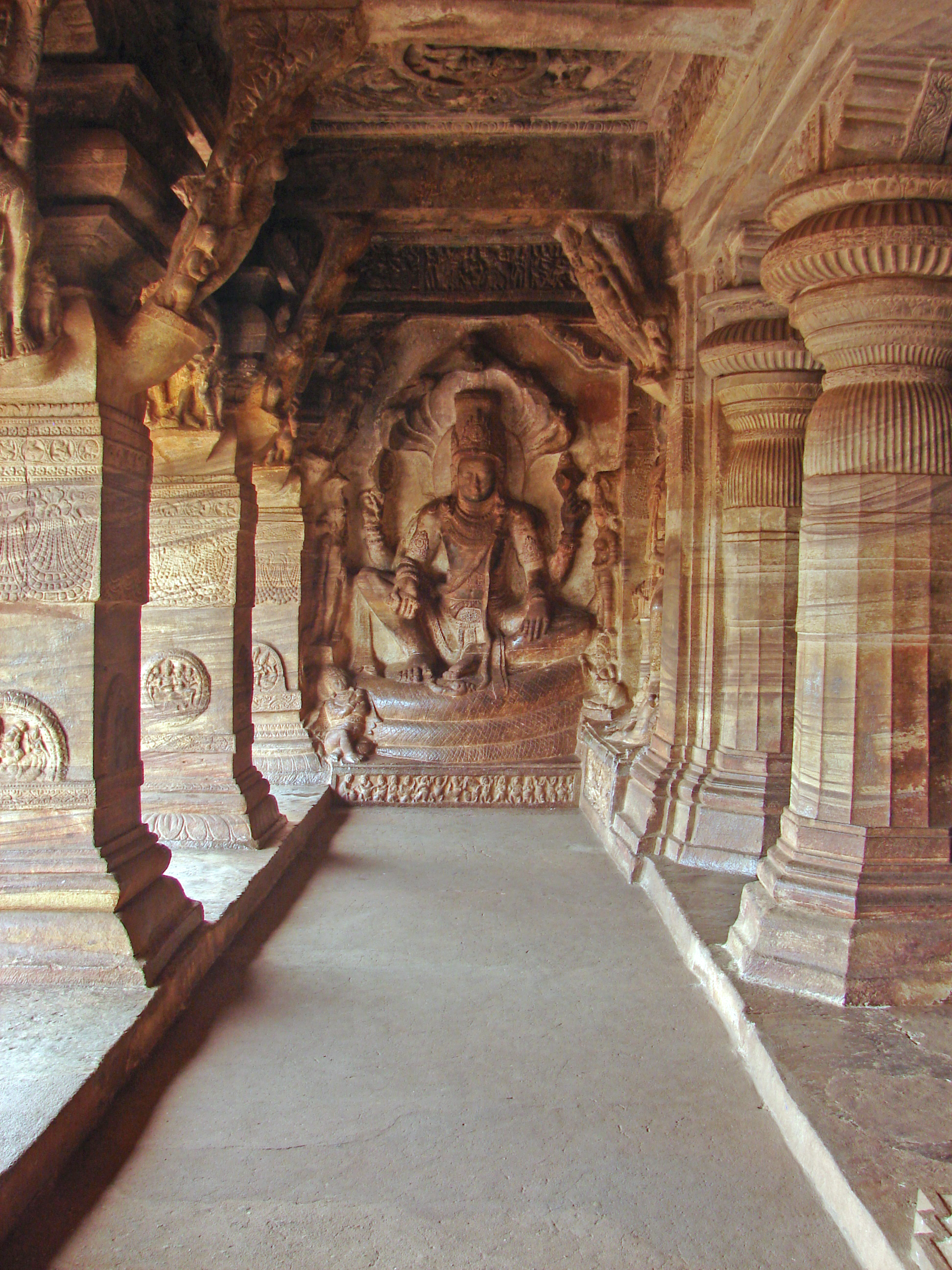
The Badami cave temples hold significance that extends beyond a single religious tradition, reflecting the pluralistic spiritual landscape of their region and period. The site welcomes visitors of various backgrounds and faiths, embodying a tradition of openness to seekers from different communities. This inclusive character makes the temples particularly valuable as a space where the architectural and artistic heritage can be appreciated by a broad audience, regardless of personal religious affiliation. The caves themselves serve as historical documents of the religious and cultural life of the Chalukya era.
Visiting the Site
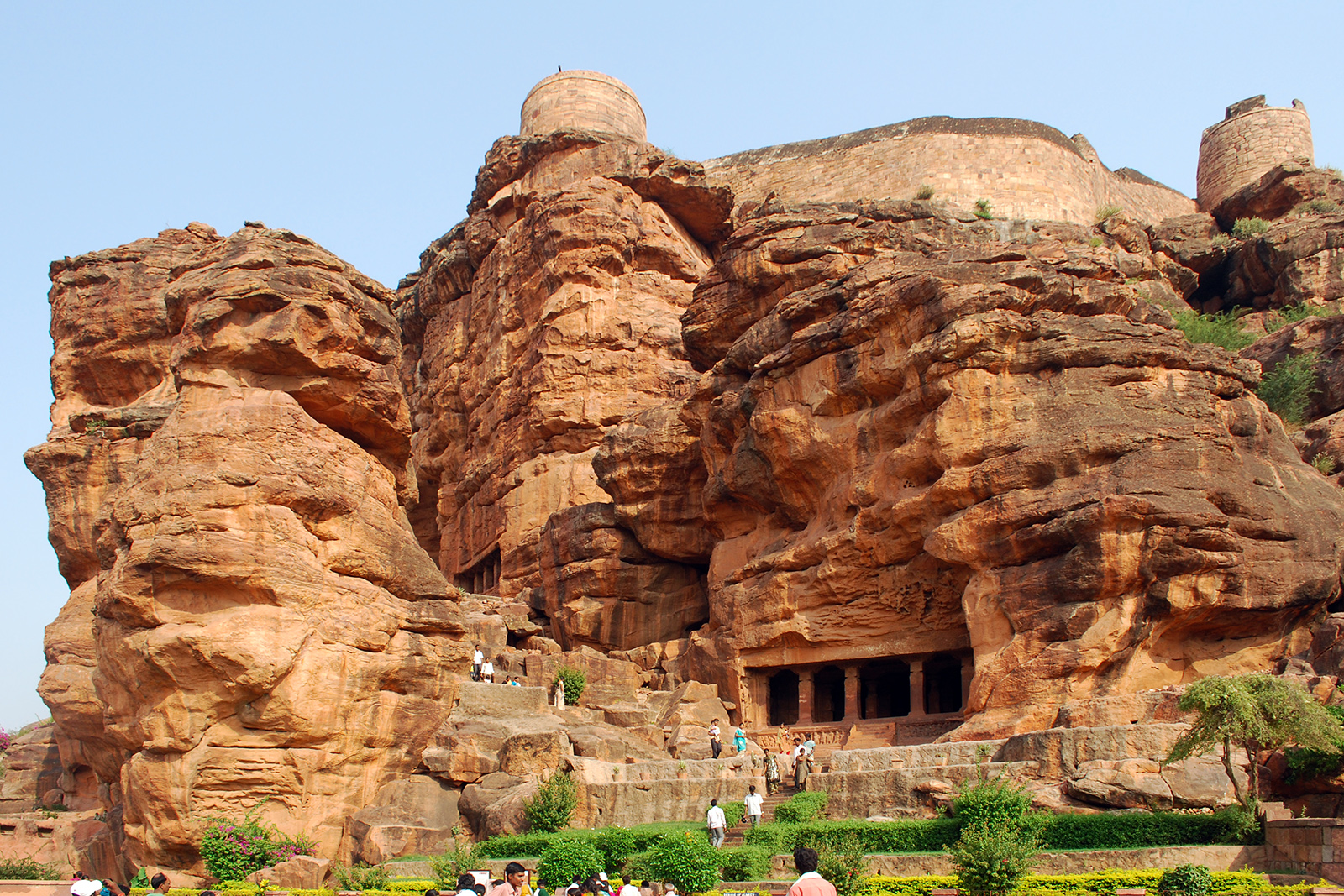
Badami is located in Bagalkot District in Karnataka, at coordinates 15.91833333, 75.685. The site is accessible year-round, though visitors should plan their visit with the daily worship schedule in mind to avoid disruption to active rituals. Modest dress is customary when entering Hindu temples; visitors should remove footwear before entering the cave sanctuaries. The rock-cut nature of the temples means the interior spaces can be cool and the footing uneven in places, so sturdy footwear for the approach and careful movement within the caves are advisable. Photography policies may vary; it is respectful to inquire locally before photographing active worship or ritual spaces.
The Chalukya Legacy
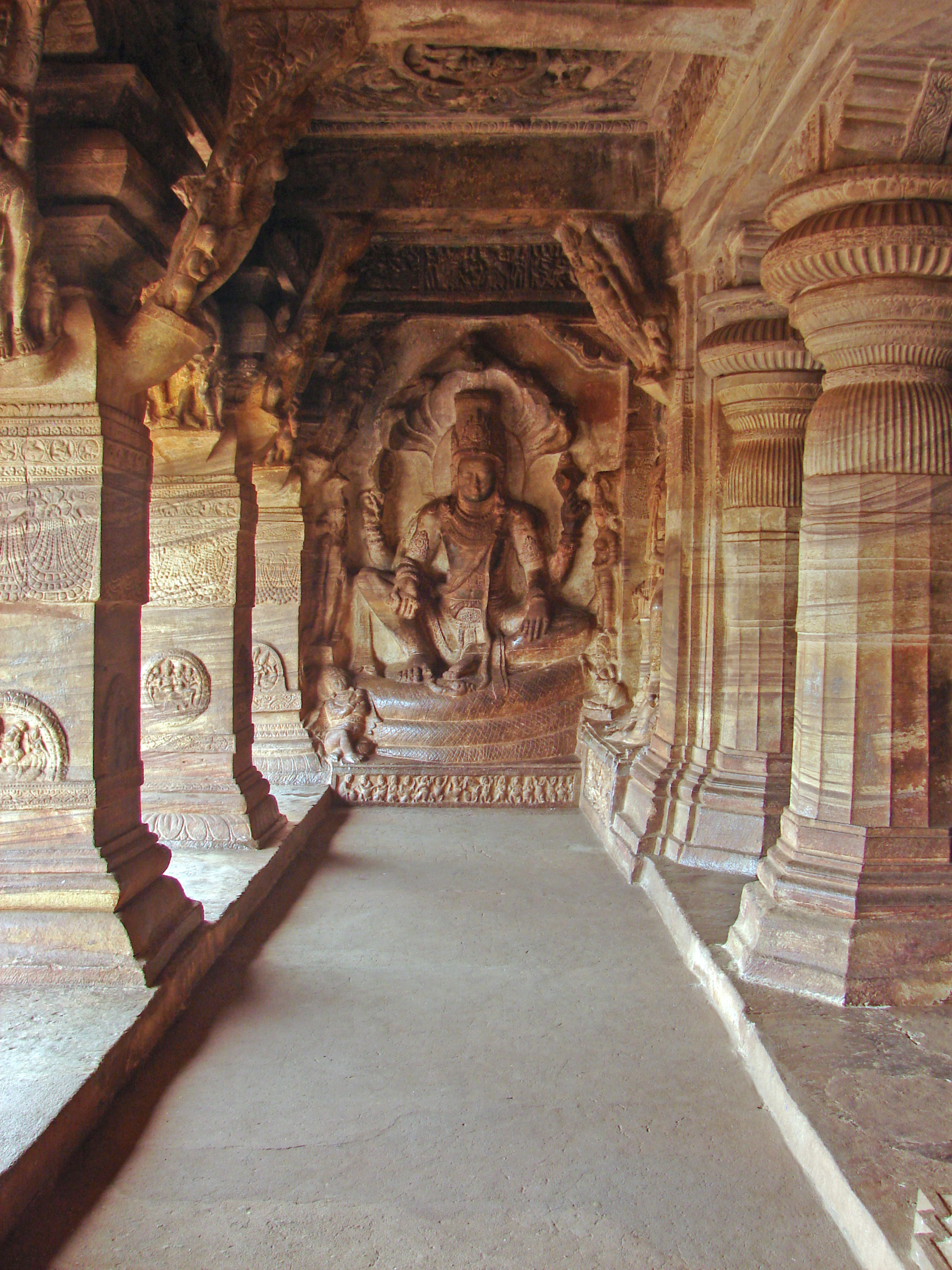
The Badami caves represent a pivotal moment in the development of South Indian temple architecture under Chalukya patronage. The 6th-century date places these temples among the earliest surviving rock-cut sanctuaries in the region, making them invaluable for understanding how temple design evolved during this formative period. The technical mastery required to create these spaces—from the initial planning to the detailed carving of pillars, niches, and sculptural elements—demonstrates the sophistication of Chalukya-era craftsmen and the resources commanded by their royal patrons. The site thus functions as both a place of worship and an open-air museum of architectural history.
Approaching the Temples
The journey to Badami requires travel to Bagalkot District in northern Karnataka. Once at the site, visitors should allow adequate time to explore the cave structures and participate in worship if desired. The early morning hours offer the advantage of cooler temperatures and the spiritual atmosphere of the morning aarti, while the evening visit provides a different quality of light and the opportunity to experience the evening rituals. Visitors are encouraged to move respectfully through the spaces, maintaining silence during active worship and being mindful of other devotees engaged in prayer or meditation.
How to reach
Temples near Badami cave temples
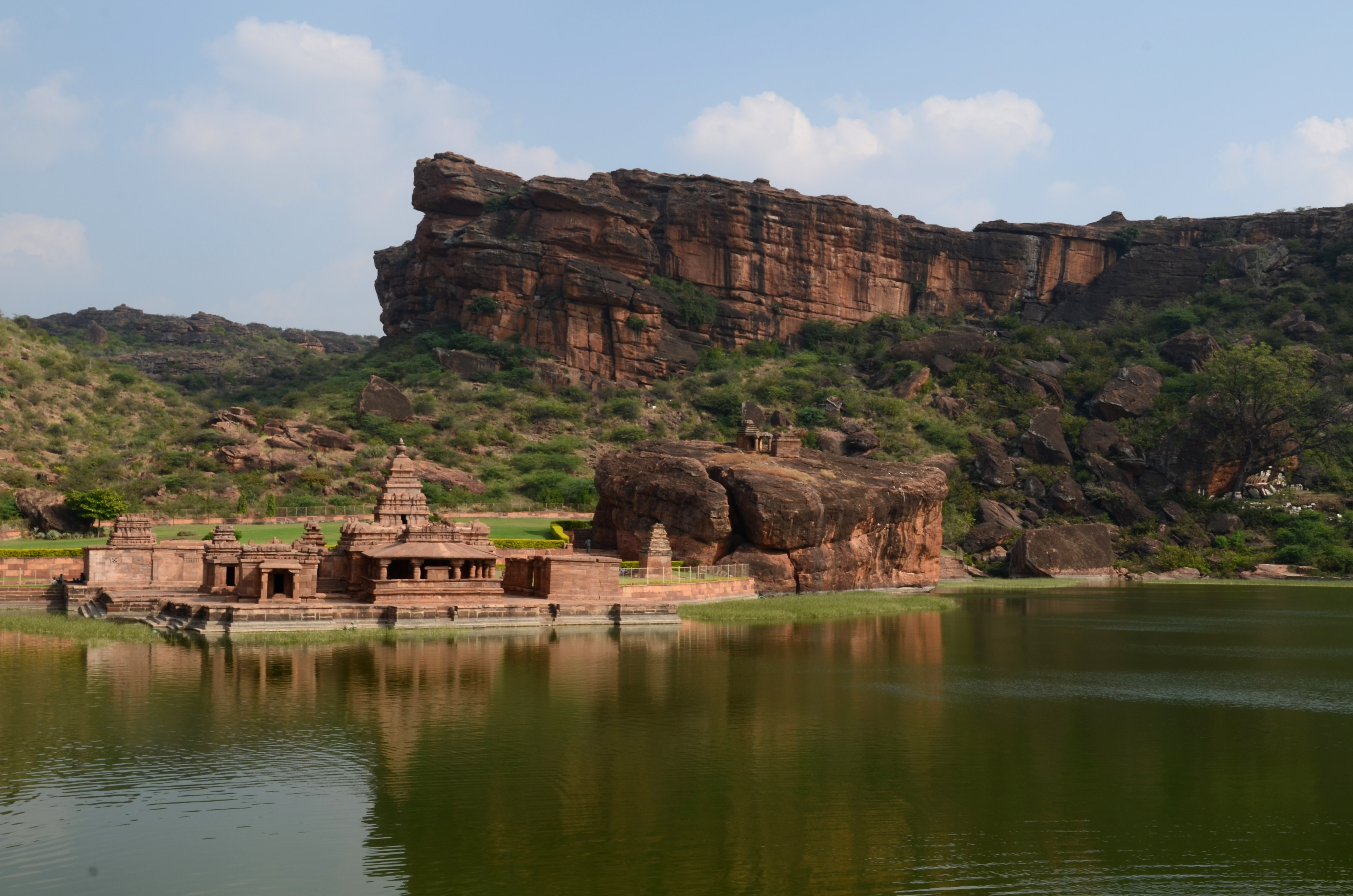
Bhutanatha group of temples, Badami
The Bhutanatha group of temples in Badami, Karnataka, comprises multiple shrines dedicated to Shiva spanning from the 7th to 12th centuries, showcasing both Dravidian and Nagara…
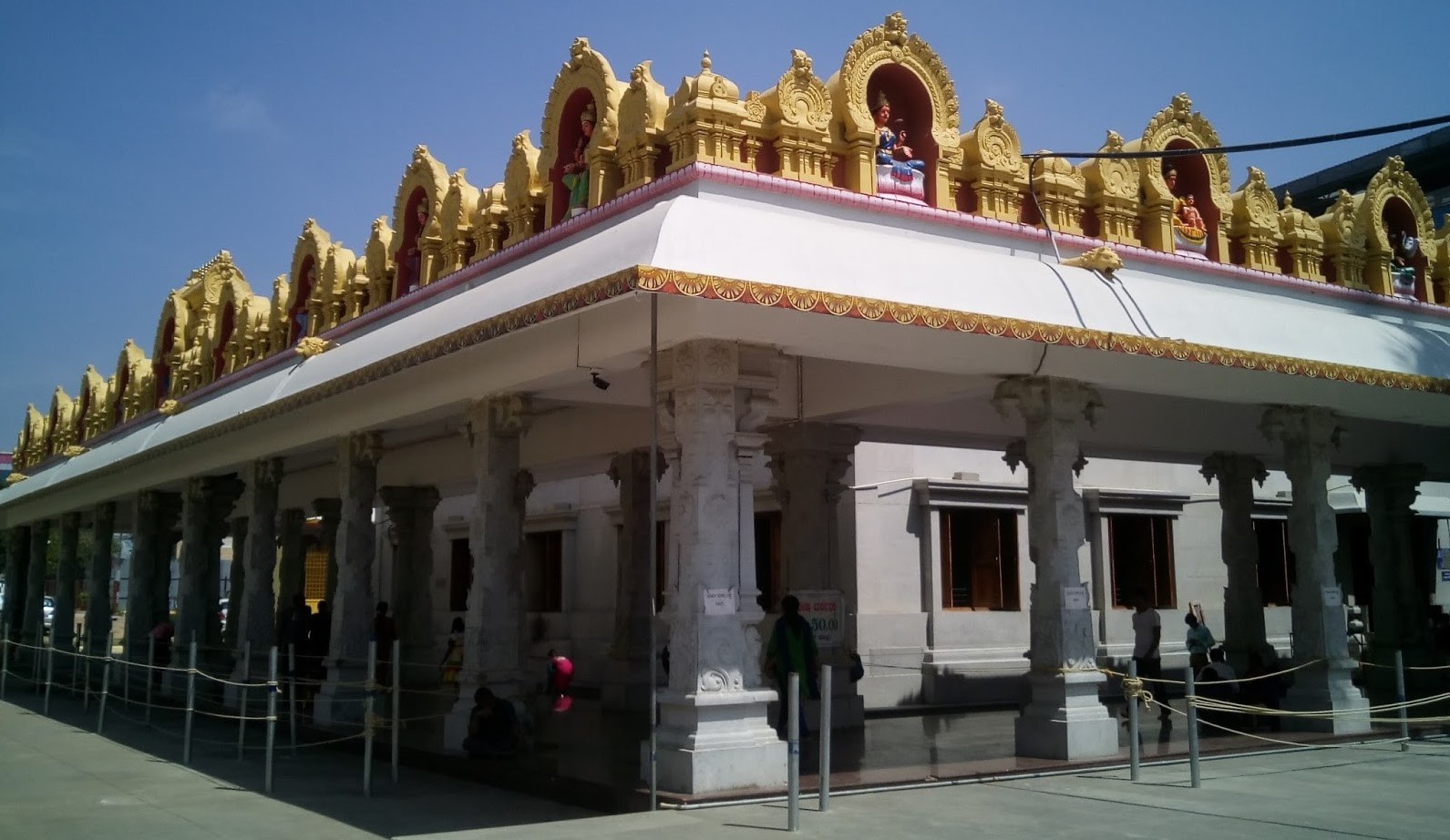
Banashankari Amma Temple
Banashankari Amma Temple in Bangalore is dedicated to Goddess Banashankari, an incarnation of Parvati, and is known for its distinctive Rahu-kala worship rituals performed on sp…

Mahakuta group of temples
The Mahakuta group of temples is an ancient complex dedicated to Lord Shiva, located in Bagalkot district, Karnataka. Built by the early Chalukya dynasty in the 6th or 7th centu…
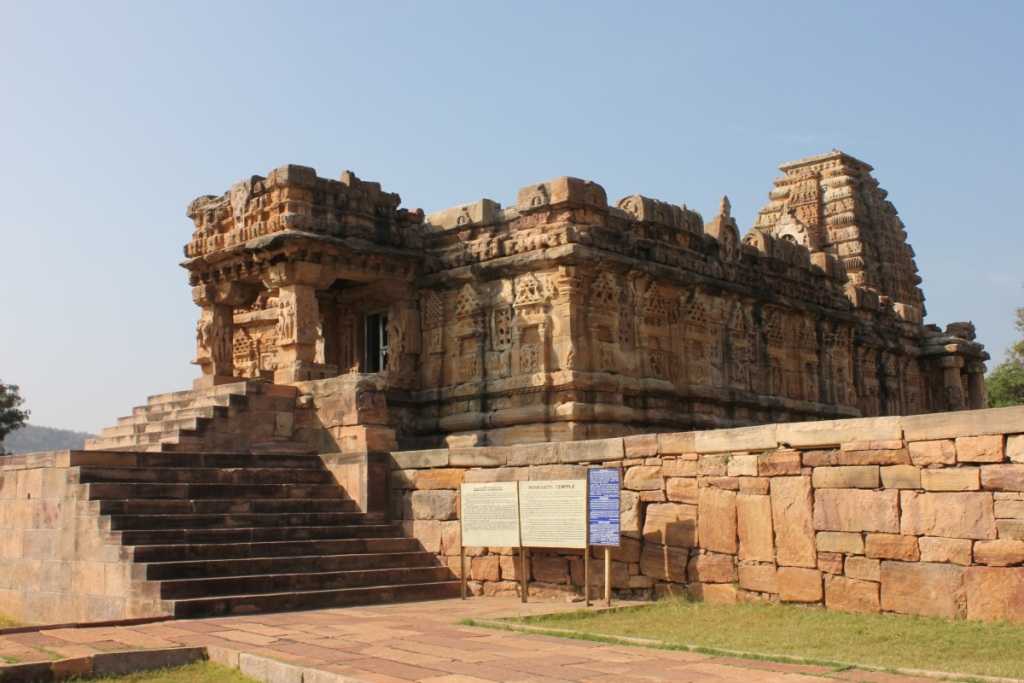
Papanatha temple
Papanasanathar Temple in Papanasam, Tamil Nadu is a Shiva shrine situated by the Thamirabarani waterfalls, traditionally visited for spiritual purification.
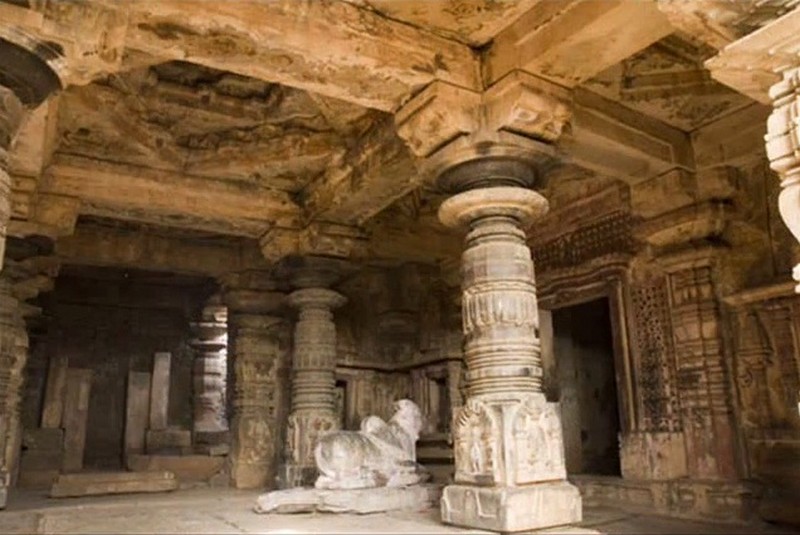
Galaganatha Temples Aihole
Galaganatha Temples in Aihole is a complex of ancient Hindu temples recognized as a Monument of National Importance, representing the architectural heritage of the Chalukya period.
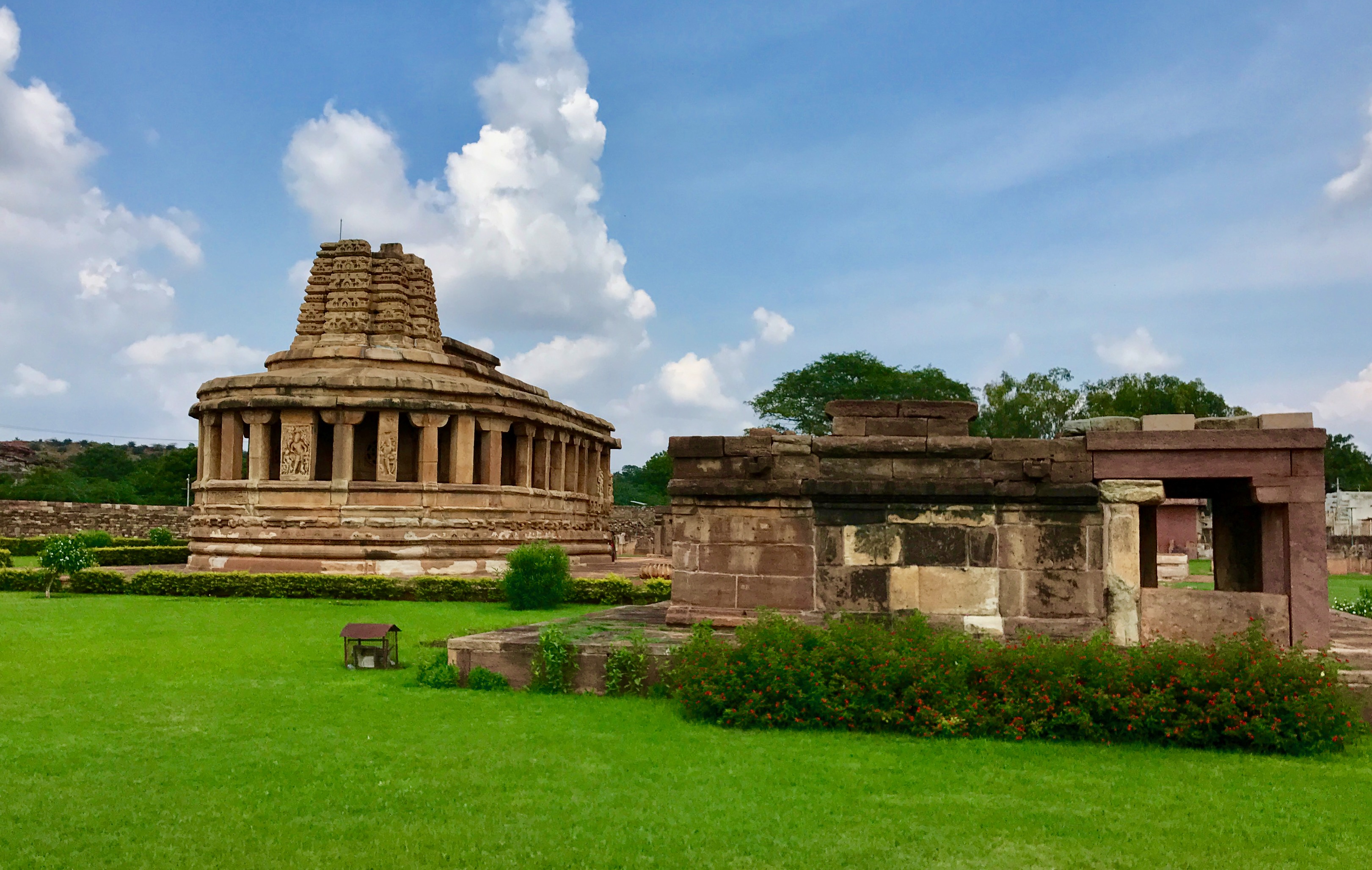
Basavanna Temple Aihole
Basavanna Temple in Aihole is part of the ancient temple complex known as the Cradle of Indian Temple Architecture, featuring structures from the Chalukya period.