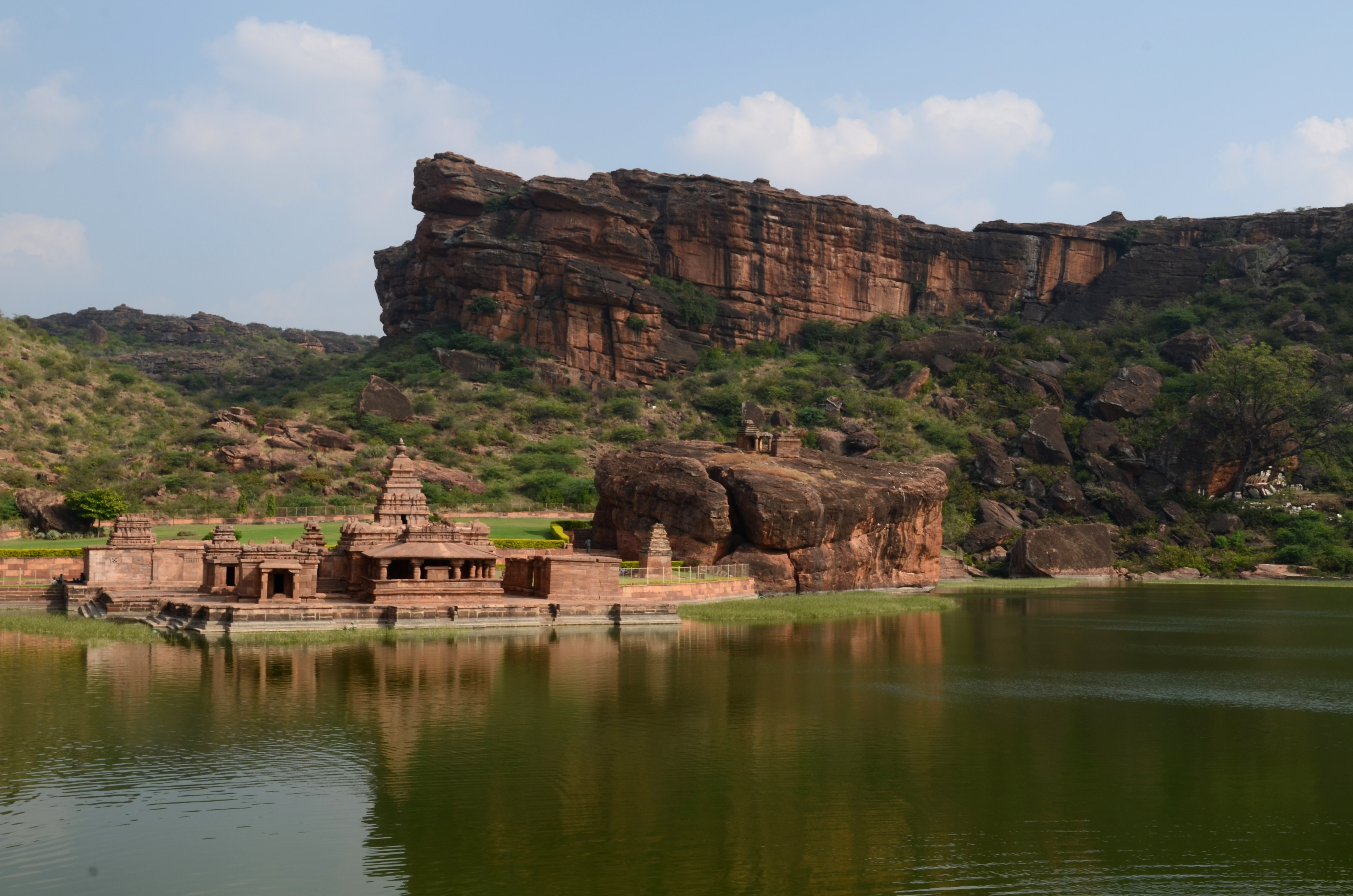
Bhutanatha group of temples, Badami
About Bhutanatha group of temples, Badami
The temples belong to the Chalukya architectural tradition, a style that developed across the 7th to 12th centuries in the region. This tradition is marked by distinctive approaches to stone construction, sculptural detail, and spatial organisation. The Bhutanatha group comprises multiple structures, reflecting a pattern common to significant pilgrimage sites where temples accumulated over generations. Visitors approaching the site will encounter the physical evidence of this long building period, with different phases of construction visible in the stonework and design elements. The architectural language speaks to the technical skill and aesthetic priorities of successive periods, offering insight into how temple design evolved across these centuries.
Daily Worship and Darshan
The temple maintains a regular schedule of ritual observance. Morning worship begins at 6:00 AM with the morning aarti, followed by midday pooja between 12:00 and 1:00 PM, and evening aarti at 6:00 PM. These timings structure the devotional day and offer visitors multiple opportunities to participate in or observe the principal acts of worship. The morning and evening aartis mark the temple's most significant moments of communal ritual. Those planning a visit should arrive with awareness of these schedules, as they determine when the temple is most actively engaged in worship and when the sanctum is accessible for darshan.
Visiting the Temple
Badami is located in Bagalkot District in northern Karnataka. The temple's coordinates place it within the broader Badami archaeological and pilgrimage zone. Visitors should dress modestly, covering shoulders and knees, as is customary at Hindu temples. Footwear is typically removed before entering the inner sanctum. The temple operates according to the worship schedule noted above; visiting outside these times may limit access to certain areas. As with many pilgrimage sites, the temple may be busier during significant festivals and holidays in the Hindu calendar. Those travelling from a distance should plan their visit with these rhythms in mind and allow time to explore the broader Badami region, which contains other temples and historical sites of note.
The Pilgrimage Tradition
The Bhutanatha temples function as a pilgrimage destination within the Shiva tradition. Devotees visit to offer prayers and participate in the ritual life of the temple. The site's location in Badami, itself a region of religious significance, positions it within networks of pilgrimage that have drawn worshippers across centuries. The temple's continued observance of daily rituals and its role as a centre of Shiva worship maintain this tradition into the present. For those undertaking pilgrimage, the temple offers the opportunity to engage with living religious practice rooted in medieval foundations.
Practical Information
The temple is situated at coordinates 15.92083333, 75.68777778 in Bagalkot District. The nearest major city is Belgaum (Belagavi), from which Badami is accessible by road. Visitors should check current travel conditions and local transport options before planning their journey. The temple's morning aarti at 6:00 AM and evening aarti at 6:00 PM are the principal times of worship; the midday pooja between 12:00 and 1:00 PM offers another window for darshan. Those seeking to participate in specific rituals or requiring particular facilities should enquire locally upon arrival, as detailed information about contemporary amenities is not consistently documented in available sources.
How to reach
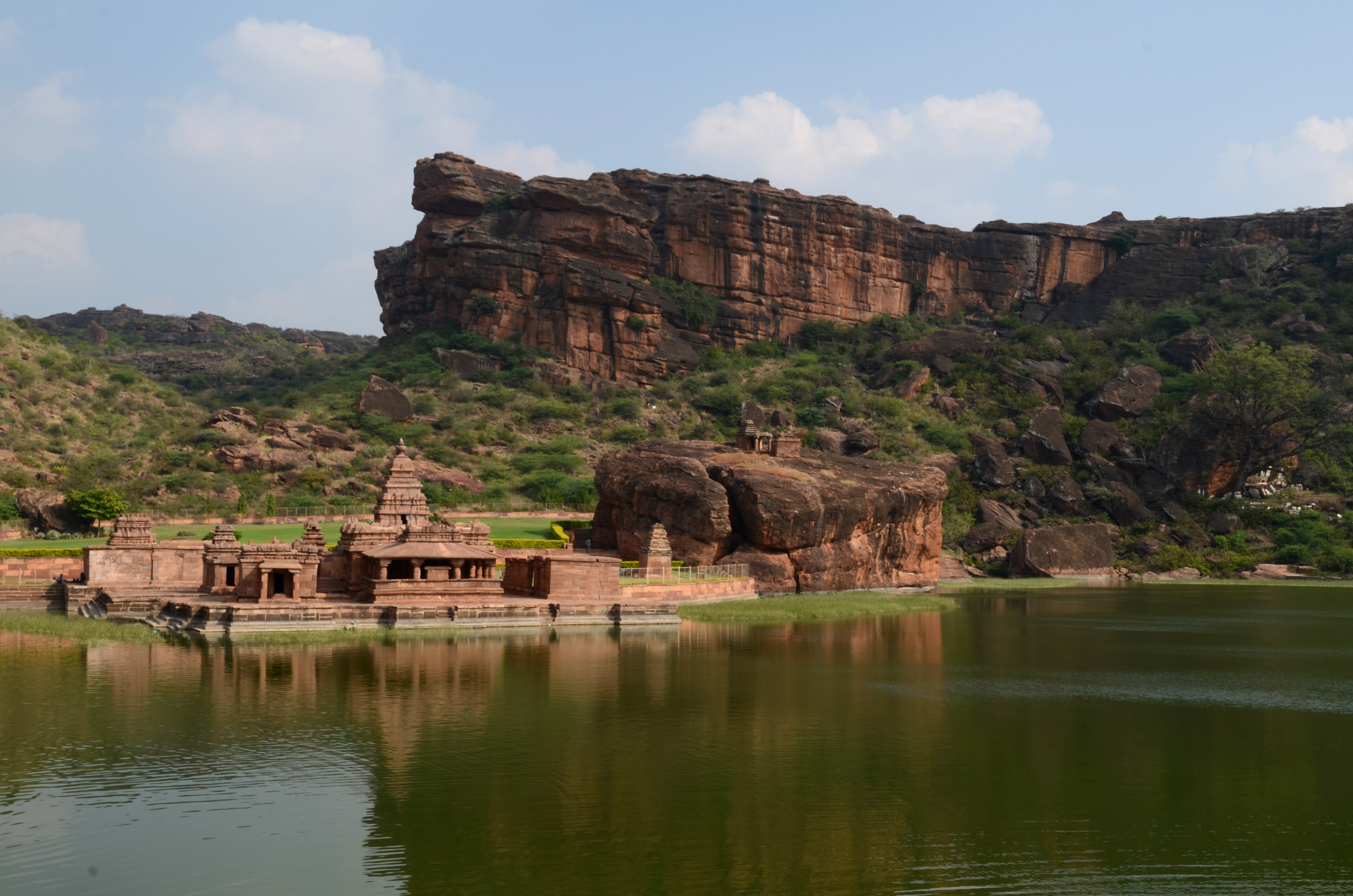
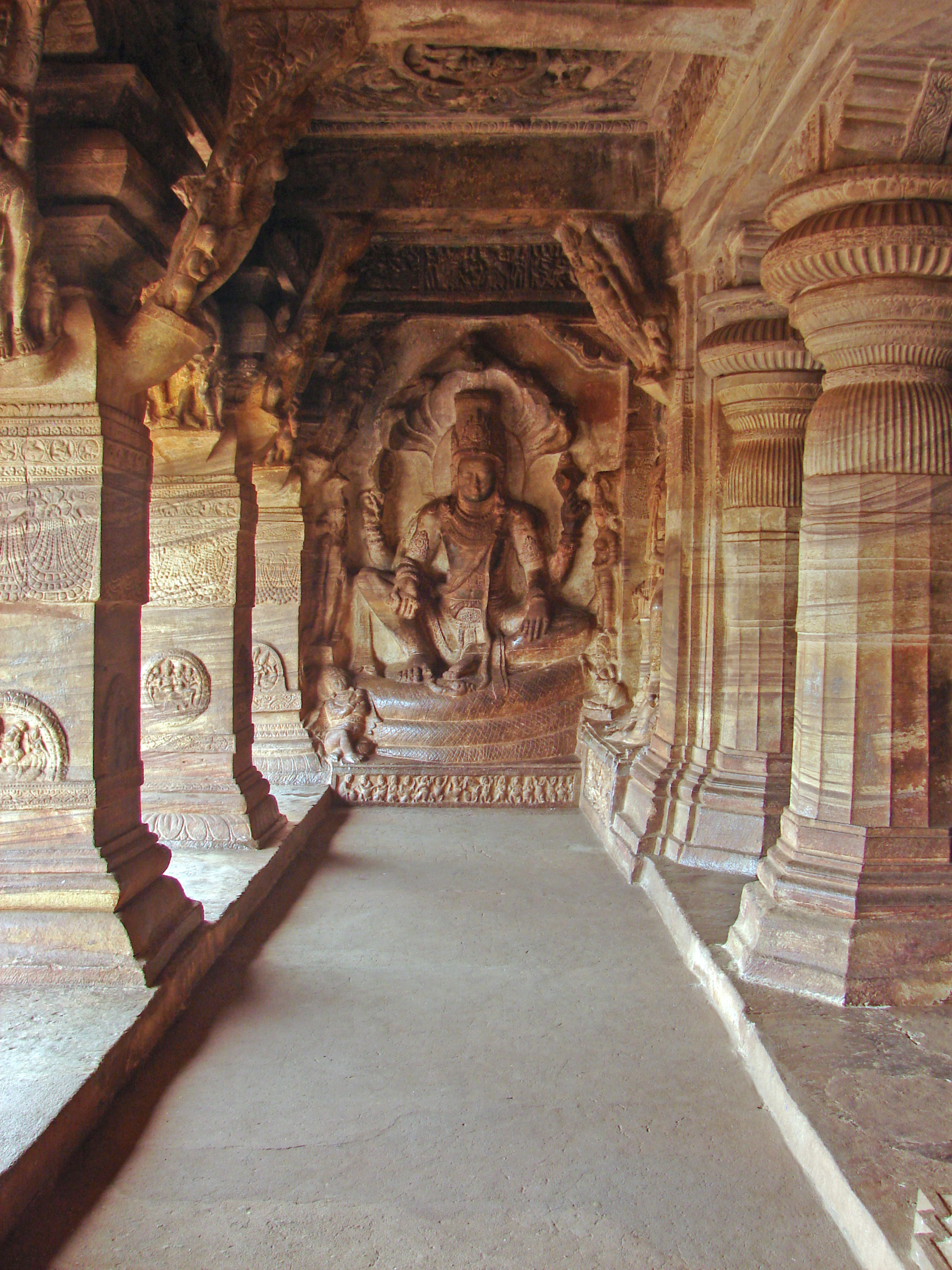
Temples near Bhutanatha group of temples, Badami
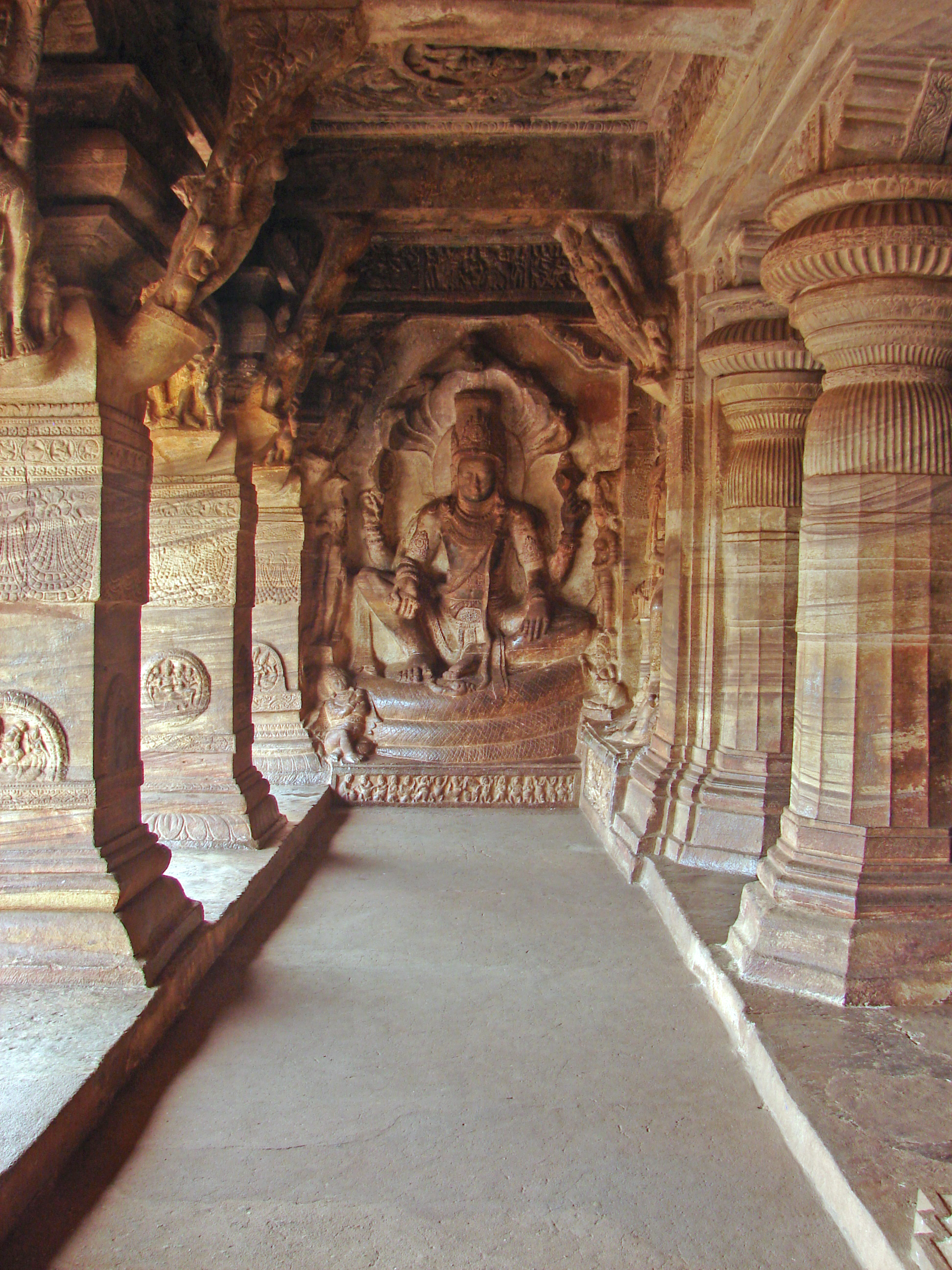
Badami cave temples
The Badami Cave Temples are a group of Hindu, Jain, and Buddhist rock-cut caves dating to the 6th century, carved during the Chalukya dynasty's reign and representing significan…
Banashankari Amma Temple
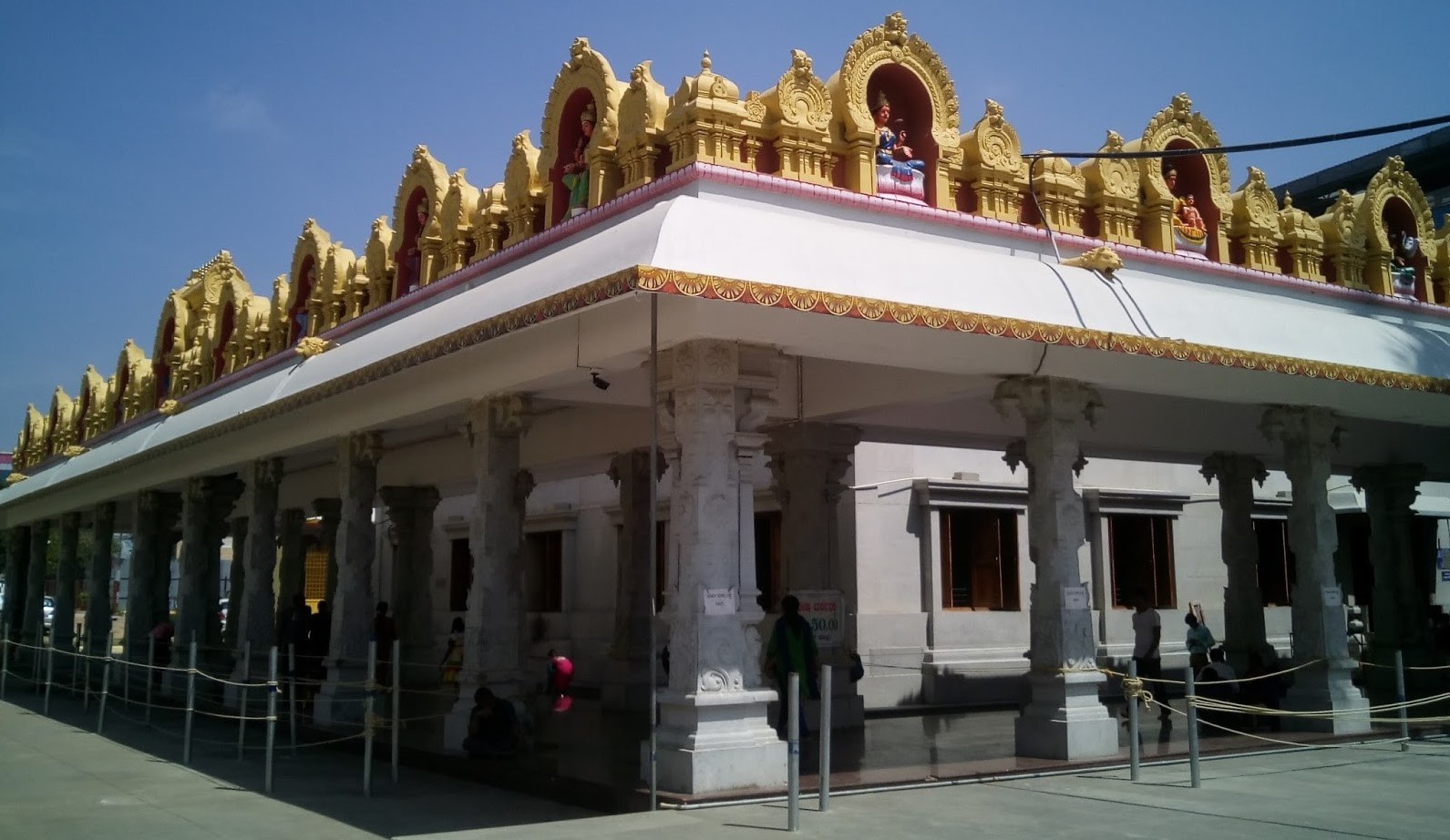
Banashankari Amma Temple in Bangalore is dedicated to Goddess Banashankari, an incarnation of Parvati, and is known for its distinctive Rahu-kala worship rituals performed on sp…

Mahakuta group of temples
The Mahakuta group of temples is an ancient complex dedicated to Lord Shiva, located in Bagalkot district, Karnataka. Built by the early Chalukya dynasty in the 6th or 7th centu…
Papanatha temple
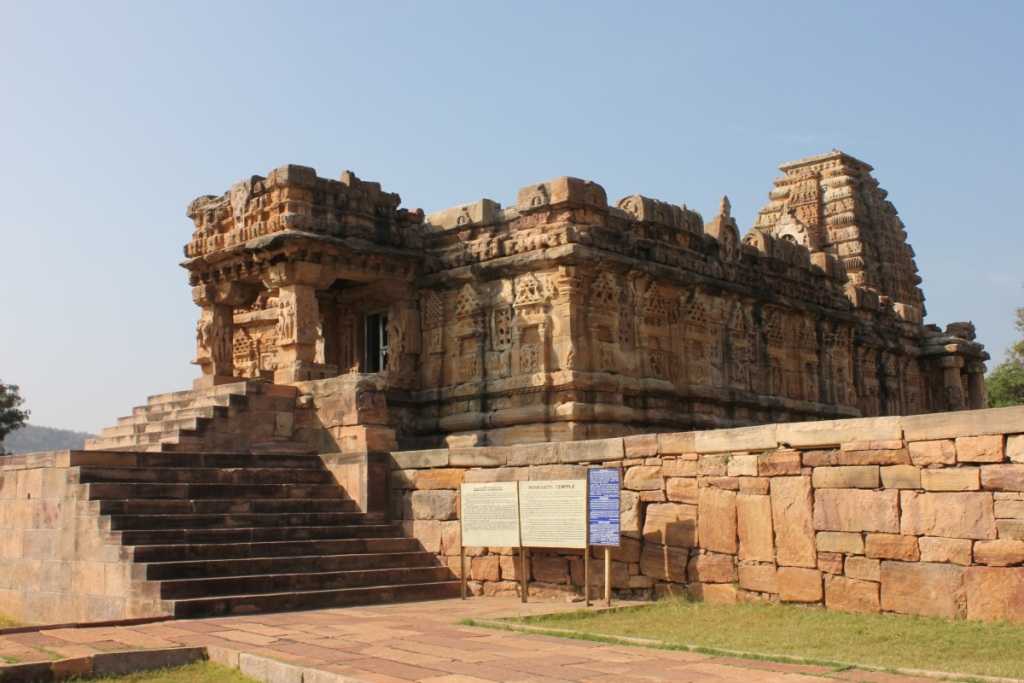
Papanasanathar Temple in Papanasam, Tamil Nadu is a Shiva shrine situated by the Thamirabarani waterfalls, traditionally visited for spiritual purification.
Galaganatha Temples Aihole
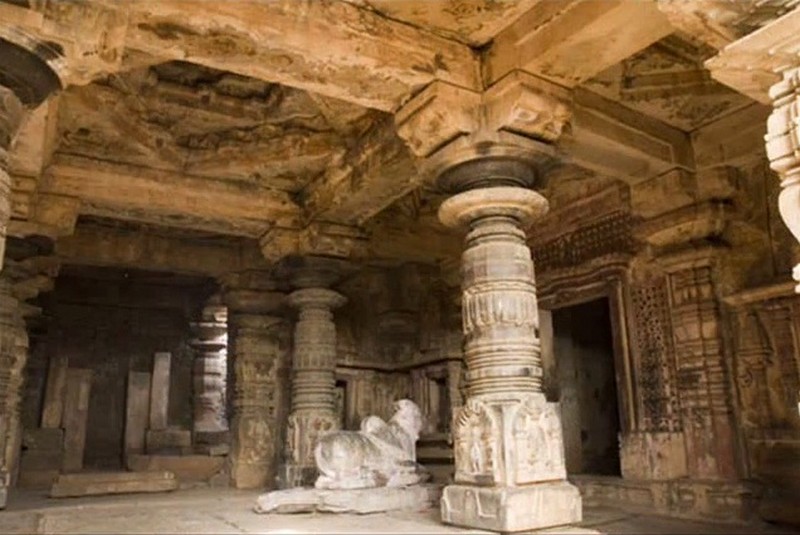
Galaganatha Temples in Aihole is a complex of ancient Hindu temples recognized as a Monument of National Importance, representing the architectural heritage of the Chalukya period.
Basavanna Temple Aihole
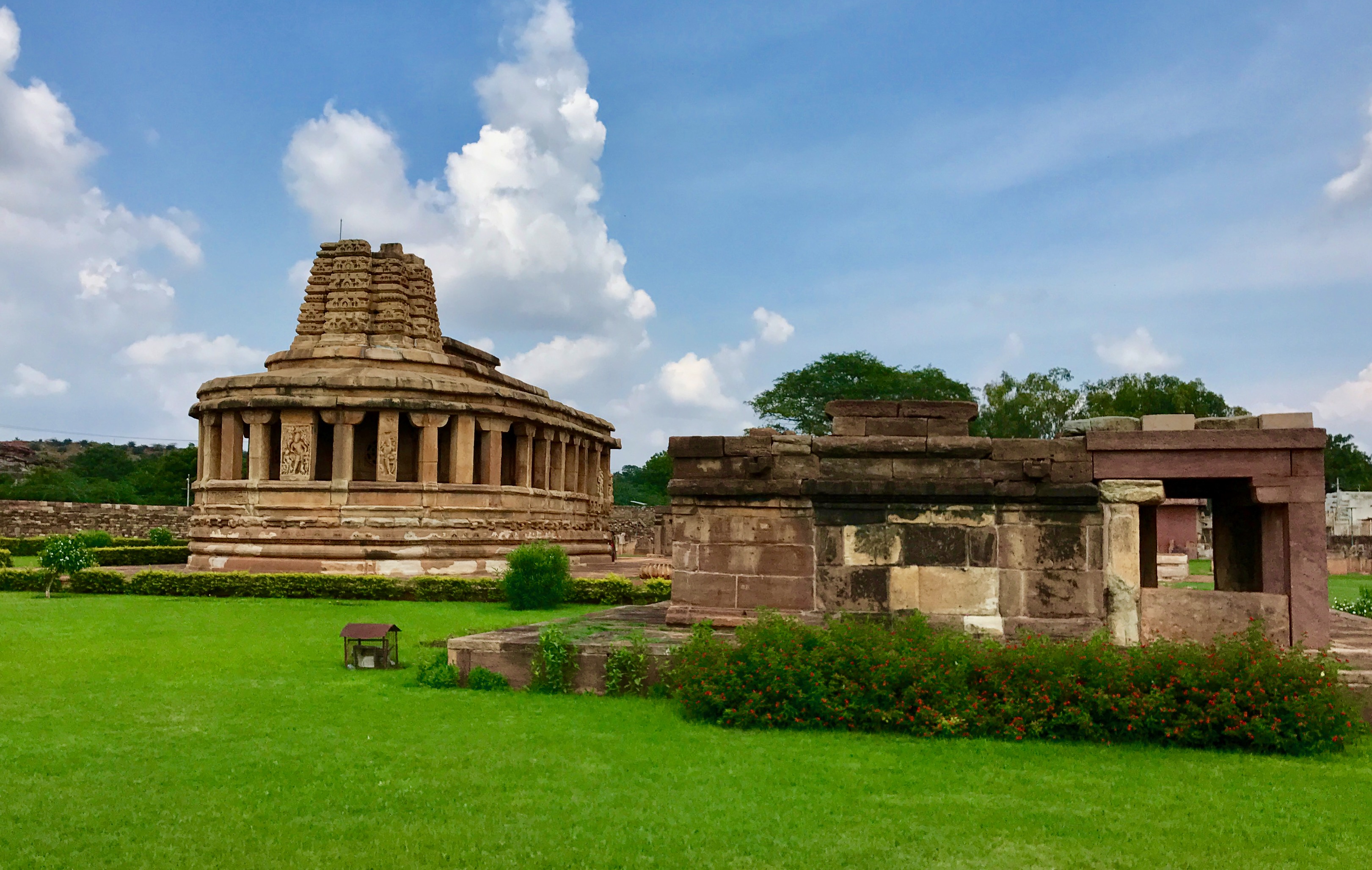
Basavanna Temple in Aihole is part of the ancient temple complex known as the Cradle of Indian Temple Architecture, featuring structures from the Chalukya period.