


Umbul Temple
About Umbul Temple
The two bathing pools at Umbul Temple derive their water from a spring, making the site a natural water sanctuary. In Hindu tradition, springs and natural water sources carry particular sanctity, and temples built around them serve as places where devotees can perform ritual bathing. The careful positioning of stones around these pools suggests deliberate architectural planning to honor and frame the water source.
Visitors today, whether pilgrims or bathers, continue the temple's original function by engaging with these waters. The spring's constancy across centuries underscores why this location was chosen for a royal complex and why it remains spiritually significant.
Layout and Architecture
The temple complex consists of numerous stone structures arranged in relation to the two central bathing pools. Rather than a single shrine building, Umbul Temple's architecture emphasizes the landscape itself—the spring, the pools, and the carefully positioned stones create the sacred space. This design differs markedly from typical temple gopurams and sanctums, reflecting the site's specialized purpose as a bathing sanctuary rather than a conventional place of image worship.
The Mataram-era construction techniques and stone placement remain visible, allowing visitors to read the temple's age and original design intent in its physical form.
Visiting the Temple
Umbul Temple welcomes tourists, bathers, and pilgrims. The site is located in Kartoharjo, Grabag, Magelang, Central Java, Indonesia, at coordinates -7.35962, 110.29704. Those planning to visit should confirm current opening hours and any seasonal variations before traveling, as timings may change on festival days or due to local conditions.
Visitors intending to bathe should bring appropriate clothing and be respectful of the site's sacred character. As a cultural monument and active pilgrimage destination, the temple expects visitors to conduct themselves with reverence toward both the physical structures and other worshippers present.
Festivals
The temple observes several festivals throughout the year, including Hanuman Jayanti (April), Makar Sankranti (January), and Raksha Bandhan (August). These occasions draw larger numbers of devotees and typically feature enhanced decoration of the temple grounds. Visitors planning to attend during festivals should confirm exact dates in advance, as lunar calendar observances may shift annually.
Getting There
The temple is situated in Kartoharjo village within Grabag district, Magelang Regency, Central Java. The coordinates -7.35962, 110.29704 can be entered into mapping applications for navigation. Visitors should plan their route from Magelang town or nearby transport hubs, allowing time for local roads. It is advisable to confirm accessibility and current road conditions before departure, particularly during the rainy season.
A Living Monument
Umbul Temple remains in active use by pilgrims and bathers rather than existing solely as a historical artifact. This living function—continuing the site's original purpose across more than a millennium—distinguishes it from many archaeological sites. Visitors should approach it as both a historical structure and an active place of worship and ritual practice.
How to reach
Temples near Umbul Temple
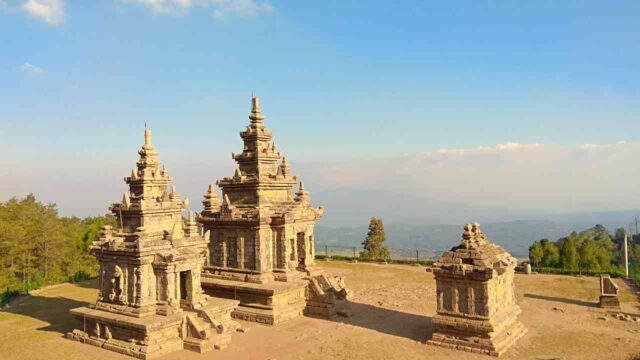
Gedong Songo
Gedong Songo is a cluster of five restored Hindu temples located on the slopes of Mount Ungaran in Central Java, built during the early 9th century and among Java's oldest survi…
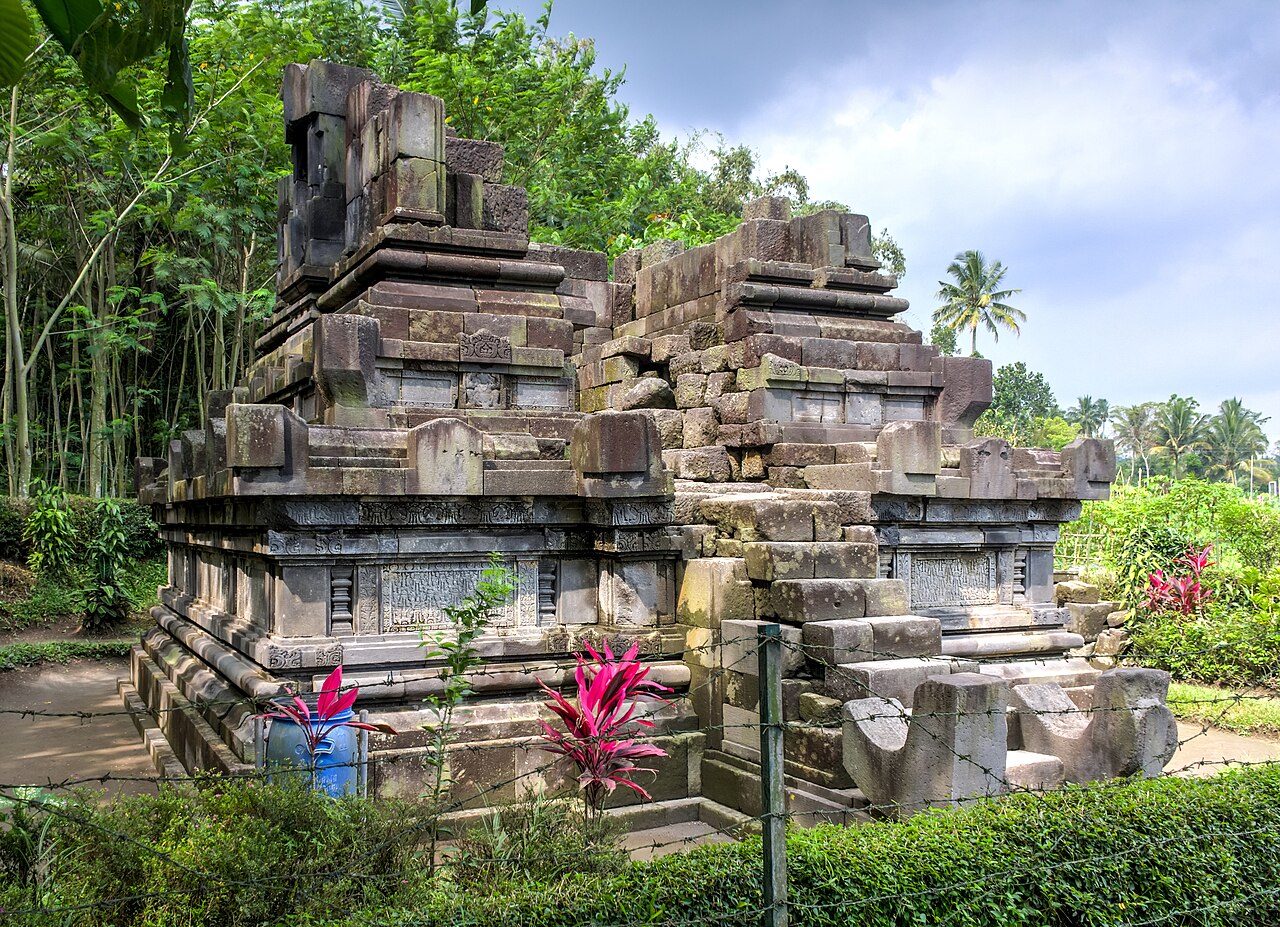
Candi Asu
Candi Asu is an 8th–9th century Hindu temple forming part of the Sengi complex in Magelang Regency, Central Java, nestled between Mount Merapi and Mount Merbabu volcanoes.
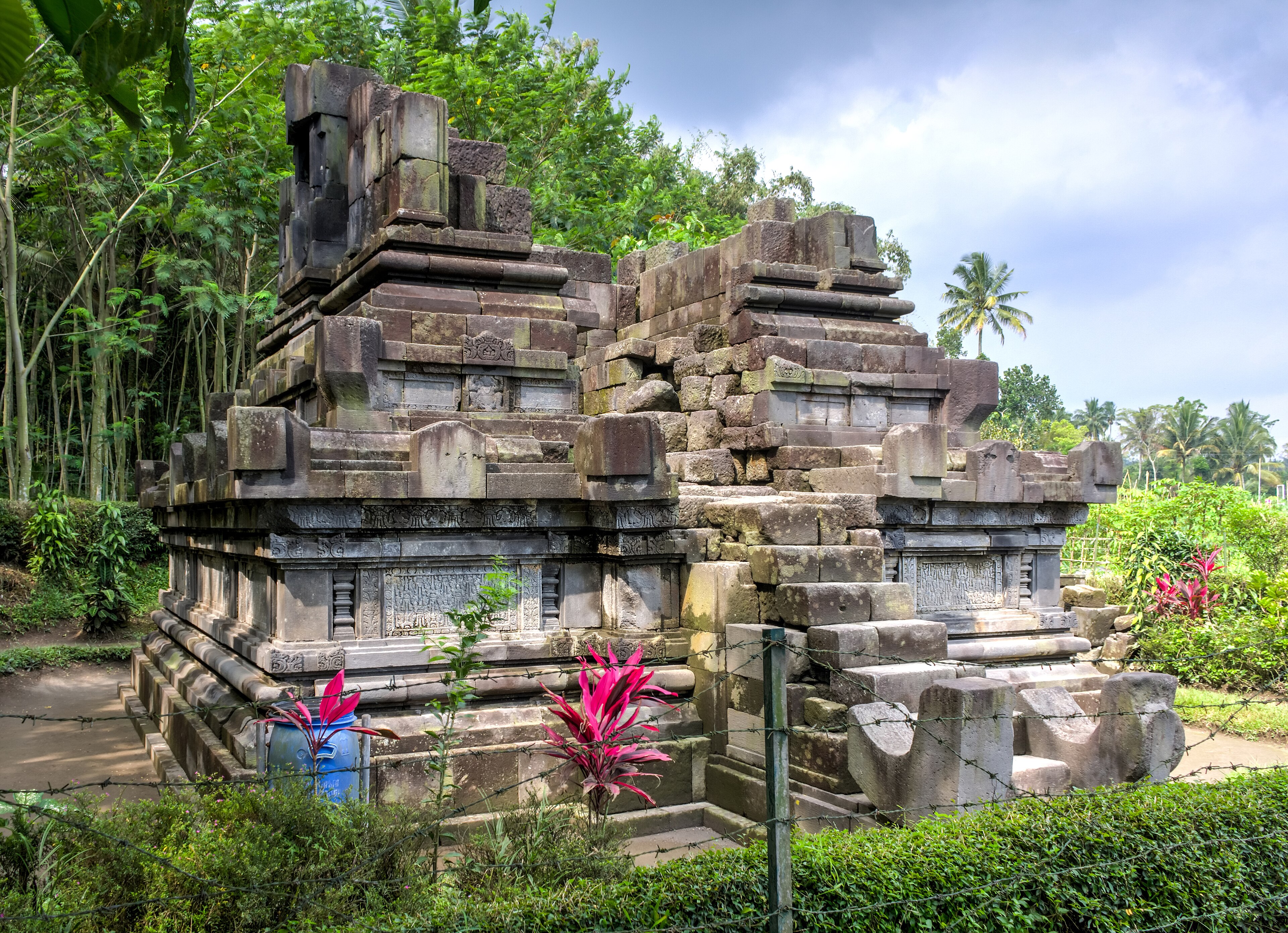
Asu Temple
Asu Temple is an 8th-9th century Hindu temple forming part of the Sengi complex in Magelang Regency, Central Java, nestled between Mount Merapi and Mount Merbabu volcanoes.
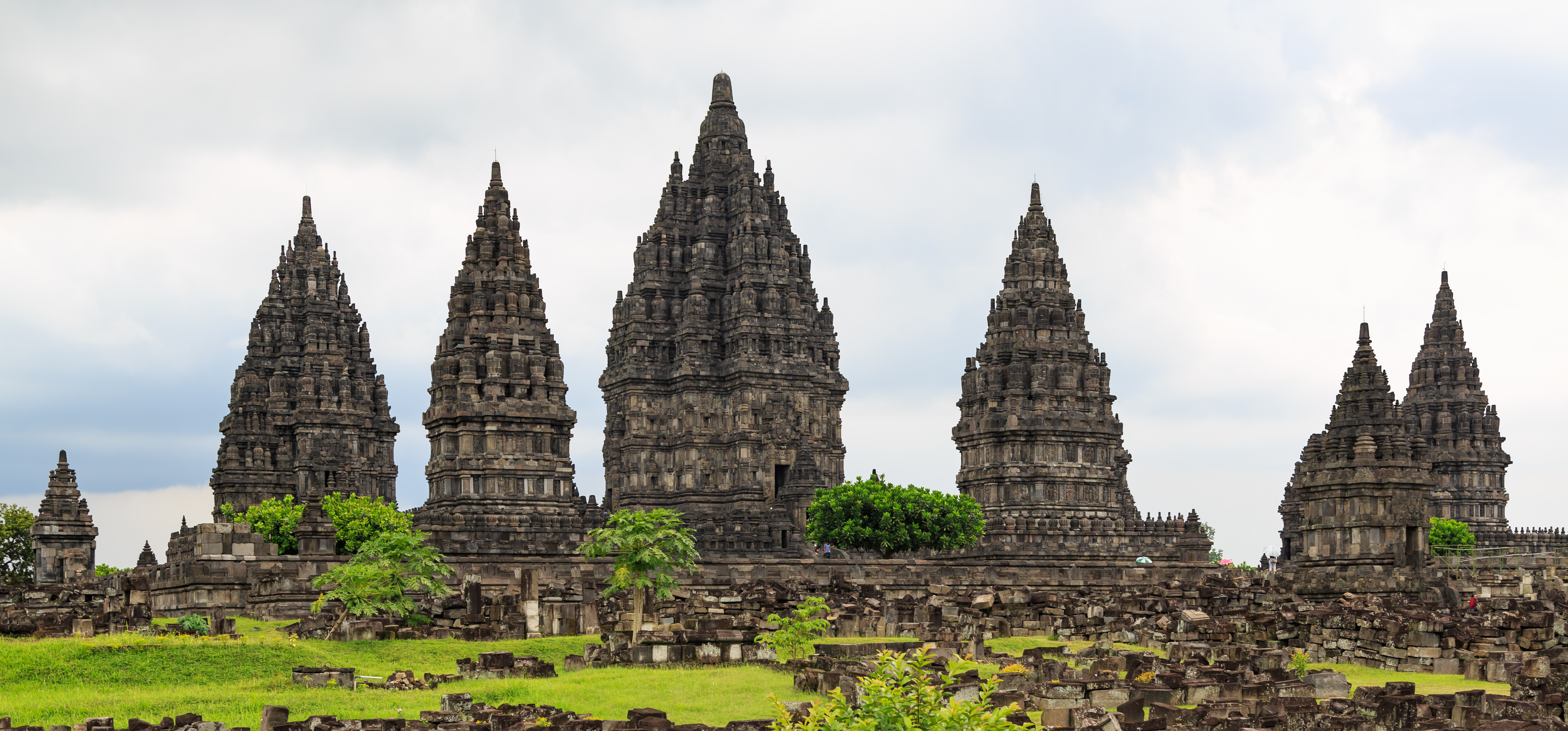
Prambanan
Prambanan is Indonesia's largest Hindu temple complex, built in the 9th century and dedicated to the Trimurti with the central shrine honoring Shiva. Now a UNESCO World Heritage…
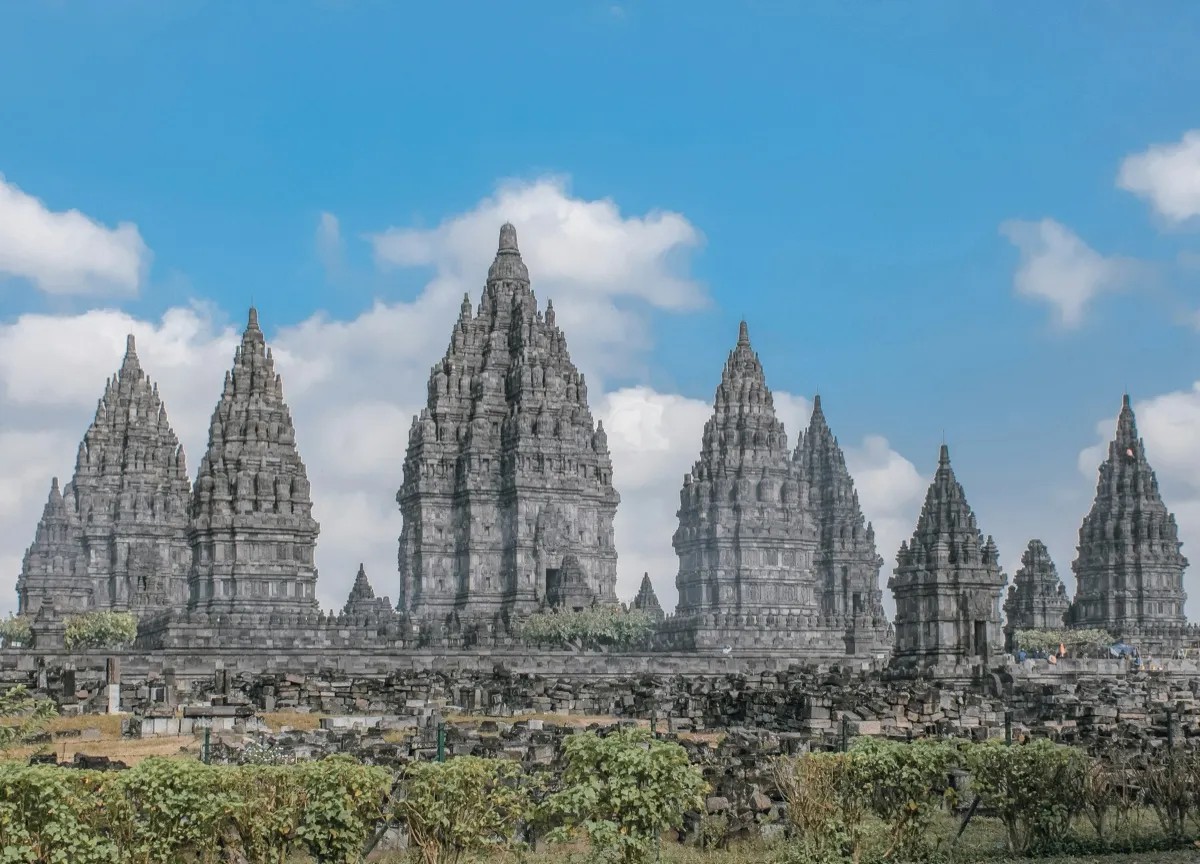
Prambanan Temple Compounds
Prambanan Temple Compounds is Indonesia's largest Hindu temple complex, a UNESCO World Heritage site comprising four temple compounds on the Yogyakarta–Central Java border. Dedi…
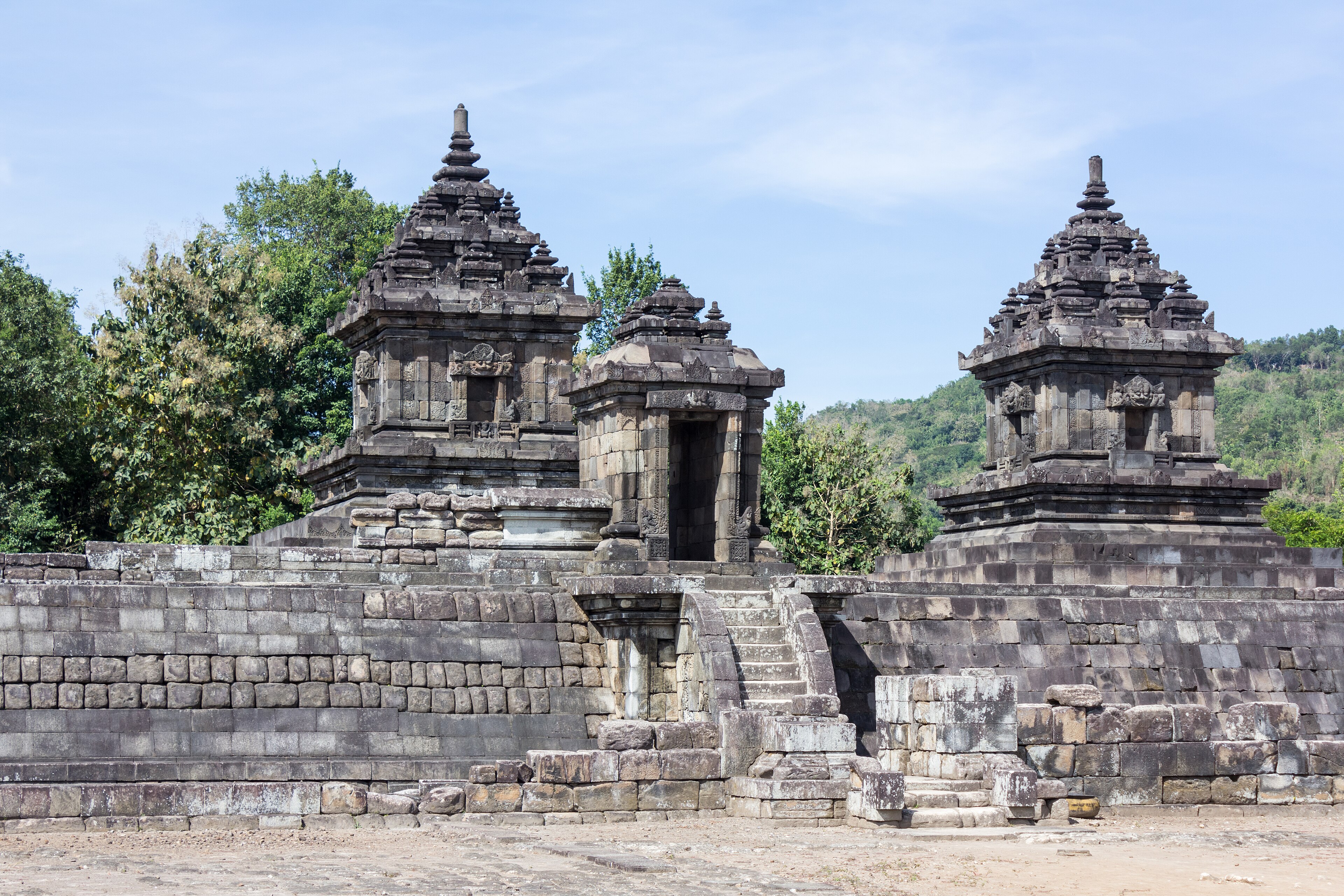
Barong Temple
Barong Temple is a 9th-century Hindu candi located near Ratu Boko in Yogyakarta, Indonesia, named for the distinctive barong-like kala head carvings adorning its temple niches.