Gedong Songo
About Gedong Songo
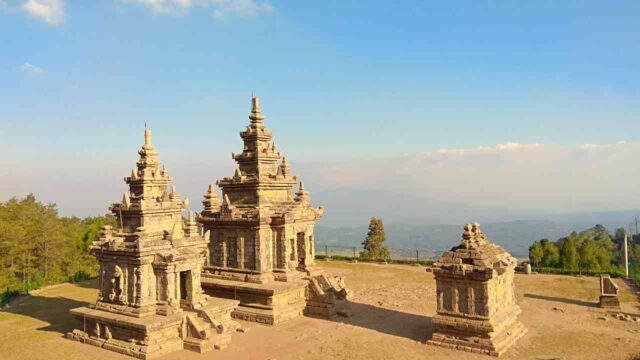
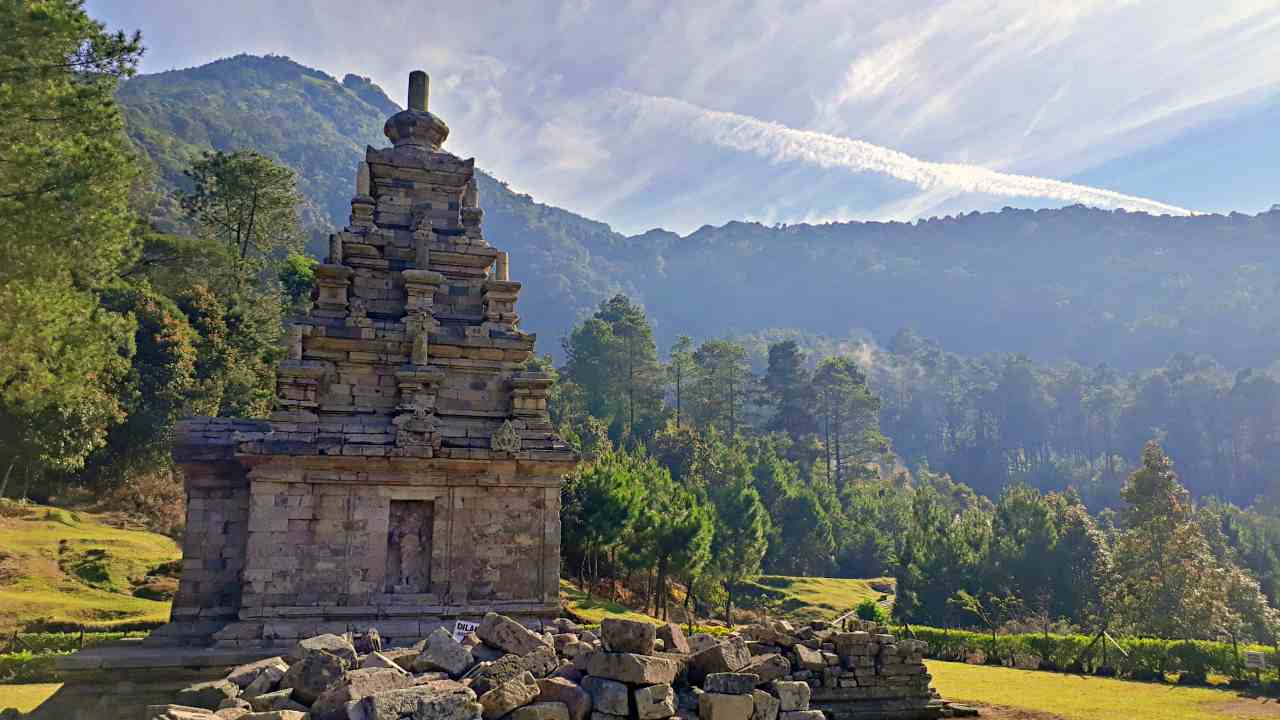
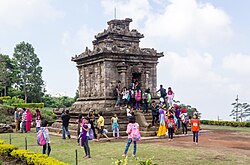
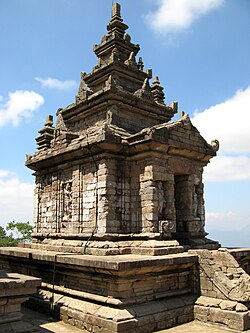
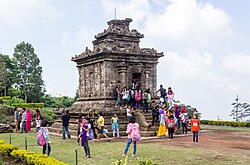
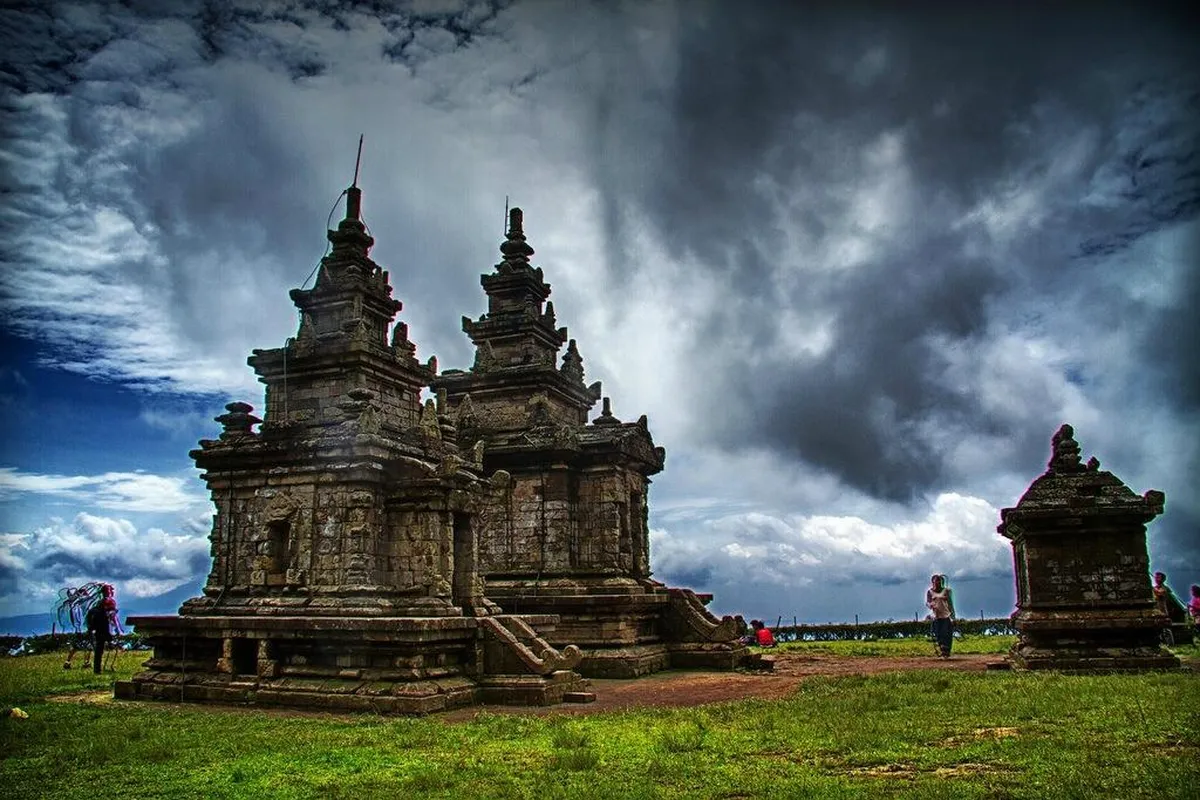
Researchers place the construction of this temple complex between the 8th and 9th centuries, making it among Java's oldest Hindu temples—predating the more famous Borobudur and Prambanan. The architectural style and construction methods resemble those found at the Dieng Plateau temples, another significant highland Hindu site in Central Java. Both complexes were built using volcanic stone, a material readily available in Java's volcanic landscape. This shared building tradition and similar age suggest these sites were part of a broader pattern of Hindu temple construction during Java's classical period.
Architecture and Materials
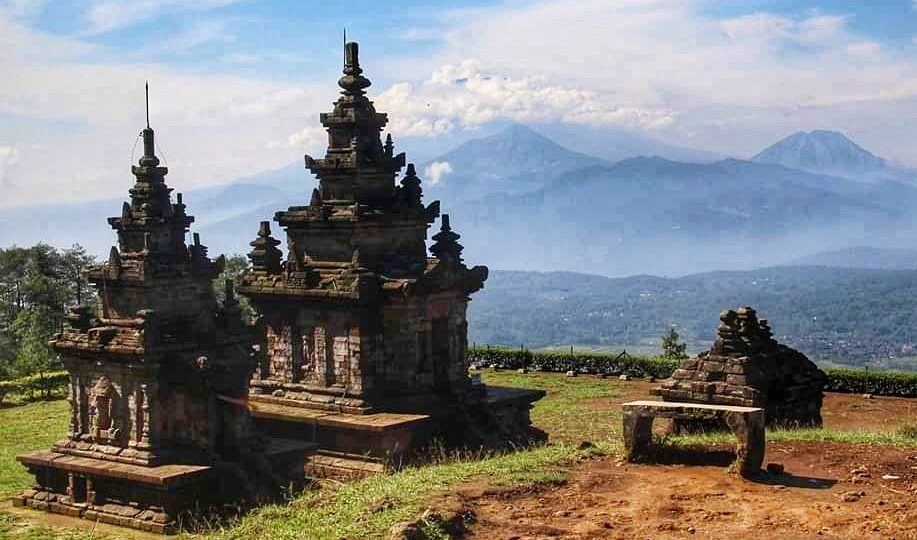
The temples at Gedong Songo employ volcanic stone throughout their construction, a practical choice given the site's location on Mount Ungaran's slopes. The architectural vocabulary—the forms, proportions, and decorative approaches—mirrors that of Dieng Plateau temples, indicating a shared regional building tradition. The use of locally quarried volcanic material and the adaptation of design to a mountainous setting reflect how builders worked within the constraints and resources of their environment. The temples have undergone restoration work to preserve what remains of their original structures.
The Site Today
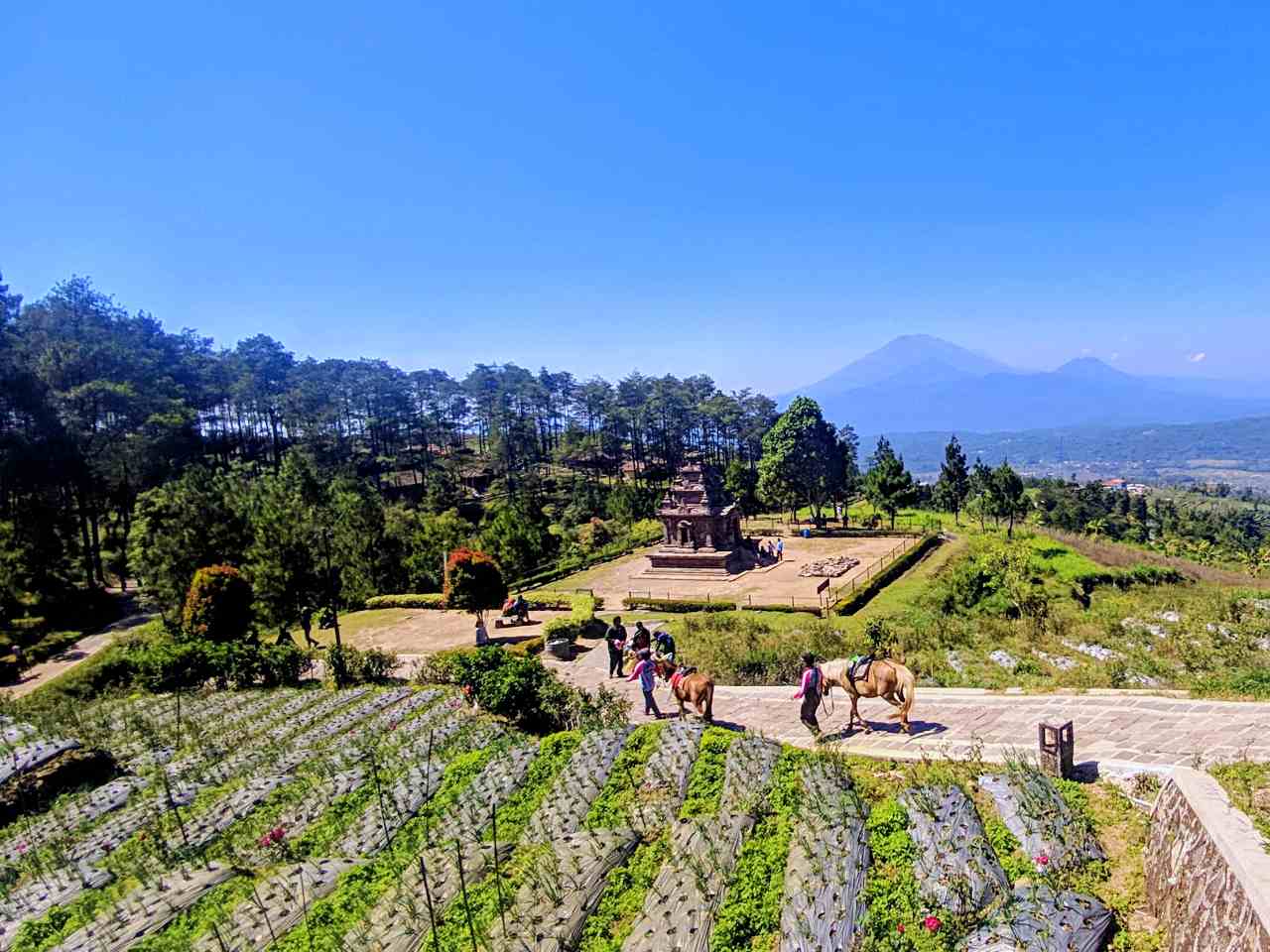
Beyond the temples themselves, the complex now encompasses several attractions. A pine park occupies portions of the grounds, and a natural hot spring allows visitors to bathe in sulfuric waters. A newer addition called Ayanaz provides modern photo spots and air balloon installations, catering to contemporary visitors. These additions mean that a visit involves multiple ticket purchases: entry to the temple complex itself, separate fees for the Ayanaz area, the hot spring, and the Vanaprastha park. Prices vary between weekdays and weekends, with the temple entrance at 75,000 Indonesian rupiah for foreign tourists.
Visiting Hours and Access
The temple complex opens daily from 6:00 AM to 6:00 PM. The Ayanaz photo area opens later, at 8:00 AM. The site is located at Jalan Candi Gedong Songo in Darum, Bandungan, within Semarang Regency. The address and coordinates allow for GPS navigation or taxi directions. Visitors should plan for walking between the five temples, so comfortable footwear is advisable. The mountainside location means the terrain is uneven and may be steep in places.
Practical Information for Visitors
Visitors should bring water and sun protection, as the site is exposed and at elevation. The opening hours mean early morning visits are possible, which may offer cooler temperatures and fewer crowds. Since multiple attractions require separate tickets, budget accordingly beyond the main temple entrance fee. The site's location on Mount Ungaran's slopes provides views of the surrounding landscape, though weather conditions at this elevation can change. Modest dress is appropriate when visiting the temples themselves, as is customary at Hindu sacred sites. The combination of ancient temples, natural hot springs, and modern photo installations means the site appeals to visitors with varied interests, though the temples themselves remain the primary historical attraction.
How to reach
Temples near Gedong Songo

Umbul Temple
Umbul Temple is a 9th-century Mataram-era Hindu bathing sanctuary in Central Java, Indonesia, featuring sacred spring-fed pools and carefully arranged stone structures rather th…
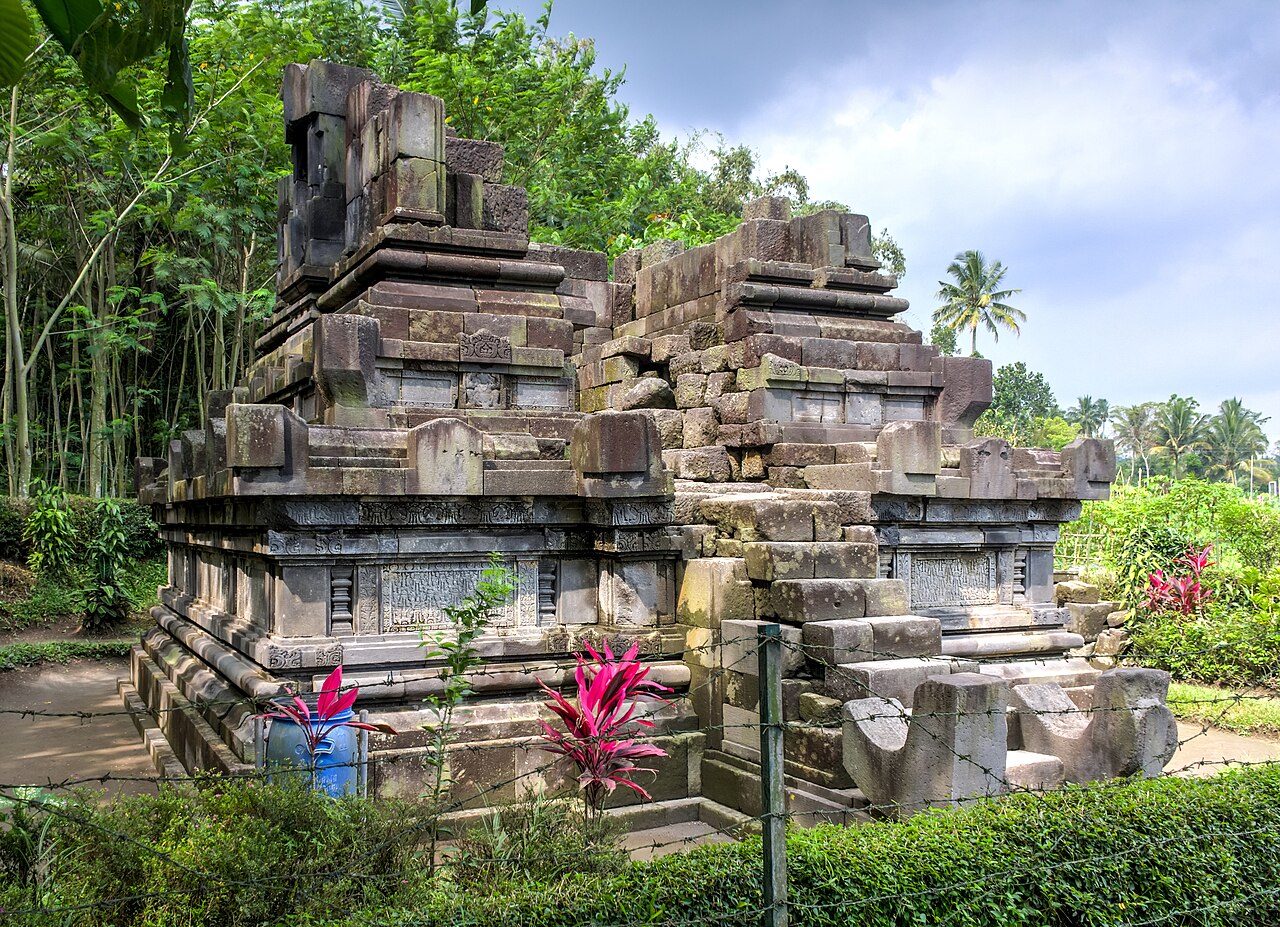
Candi Asu
Candi Asu is an 8th–9th century Hindu temple forming part of the Sengi complex in Magelang Regency, Central Java, nestled between Mount Merapi and Mount Merbabu volcanoes.
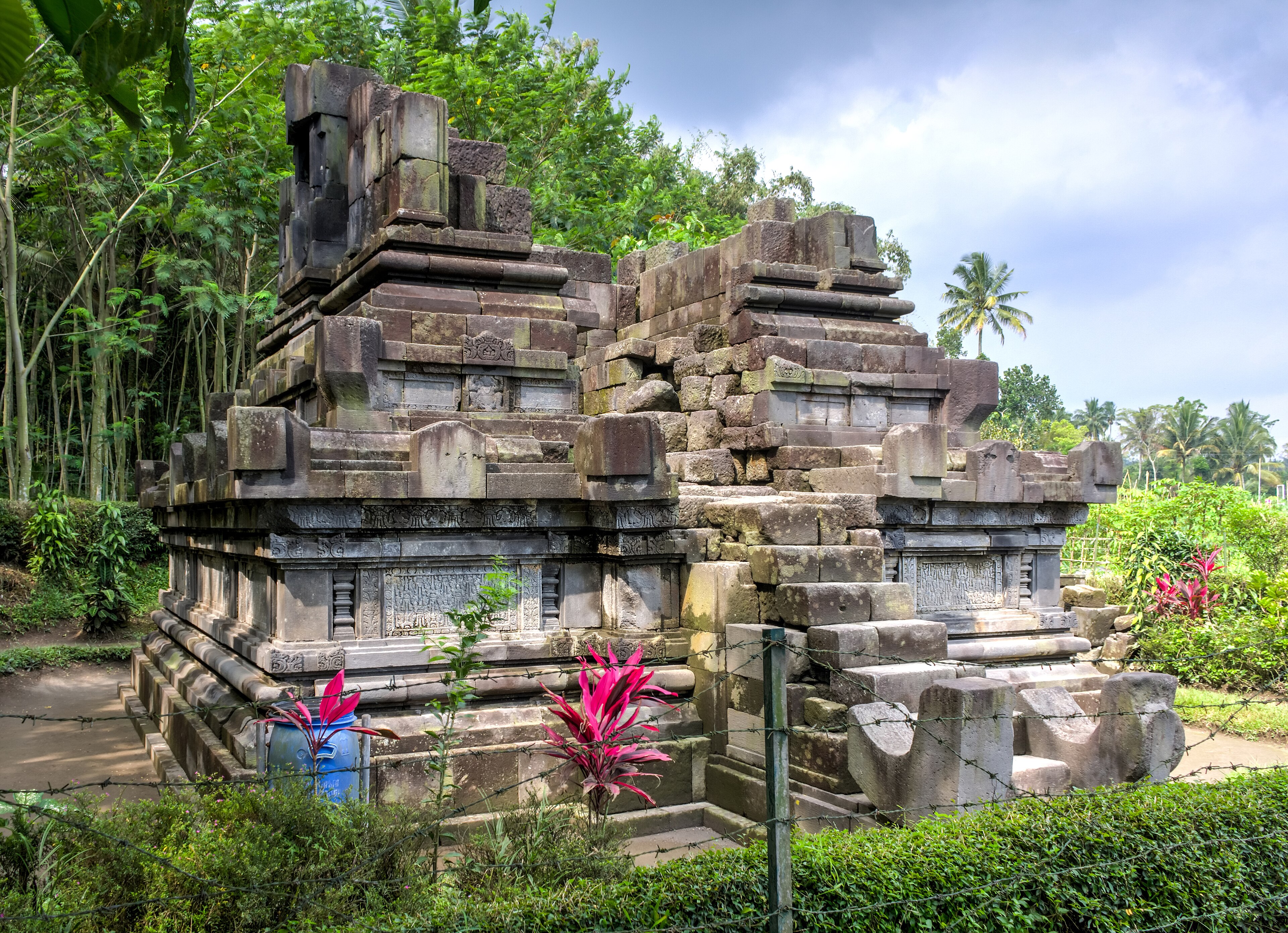
Asu Temple
Asu Temple is an 8th-9th century Hindu temple forming part of the Sengi complex in Magelang Regency, Central Java, nestled between Mount Merapi and Mount Merbabu volcanoes.
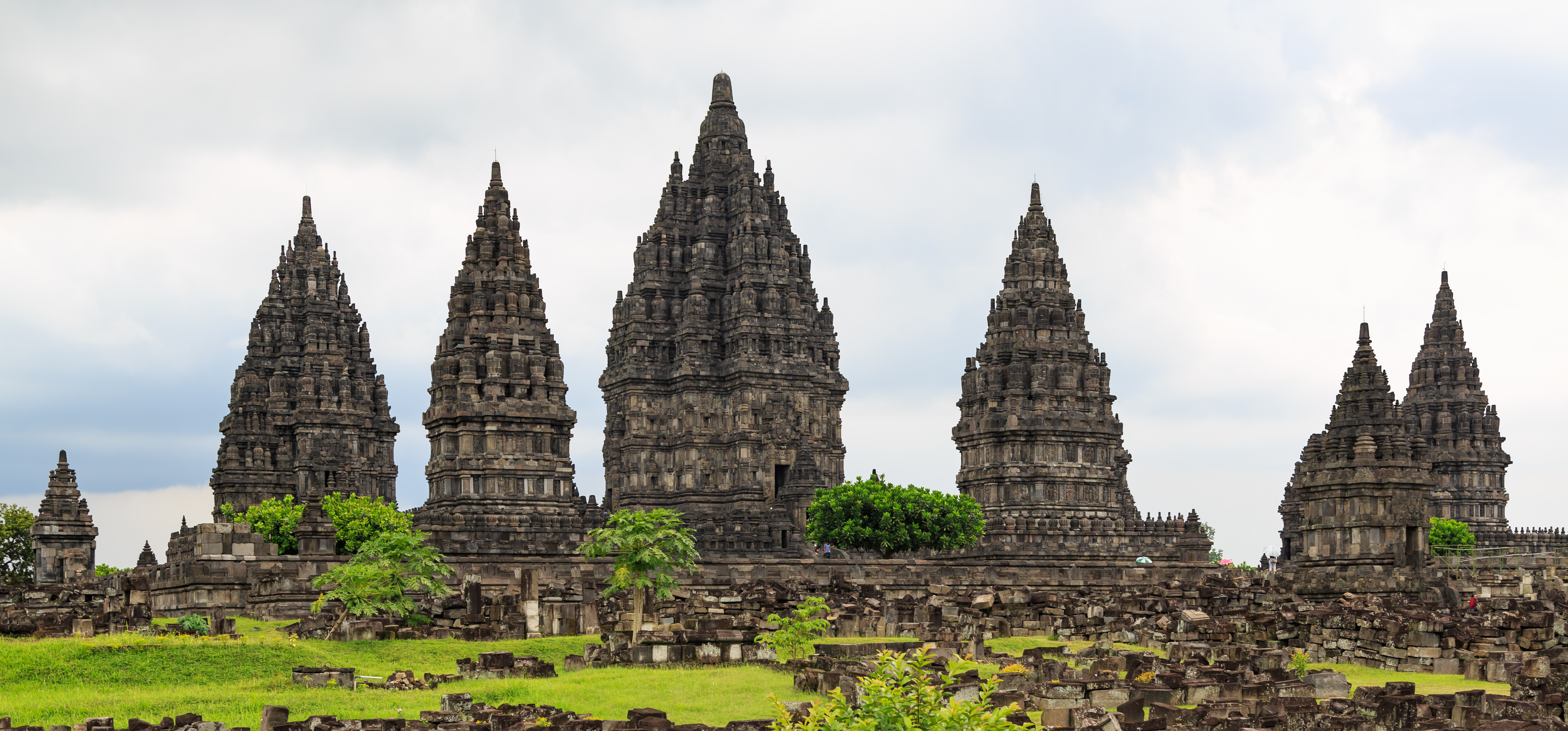
Prambanan
Prambanan is Indonesia's largest Hindu temple complex, built in the 9th century and dedicated to the Trimurti with the central shrine honoring Shiva. Now a UNESCO World Heritage…
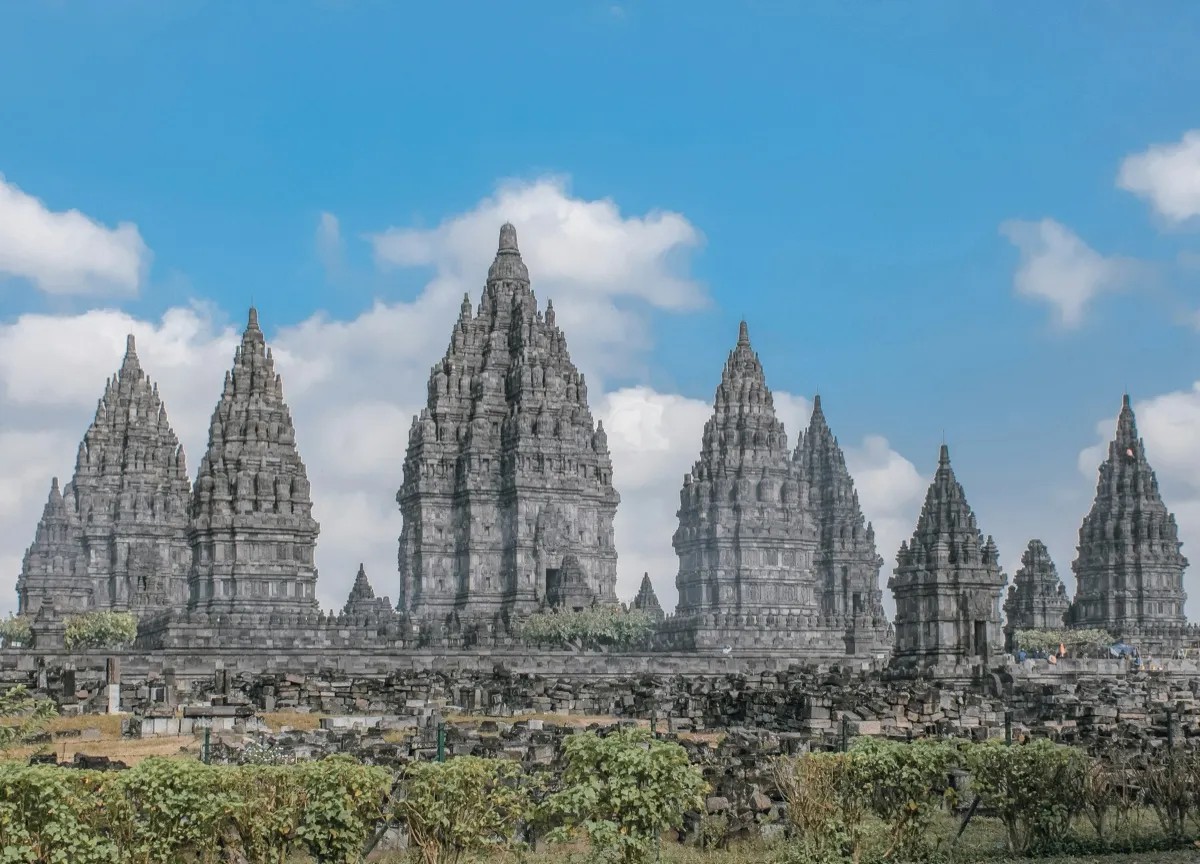
Prambanan Temple Compounds
Prambanan Temple Compounds is Indonesia's largest Hindu temple complex, a UNESCO World Heritage site comprising four temple compounds on the Yogyakarta–Central Java border. Dedi…
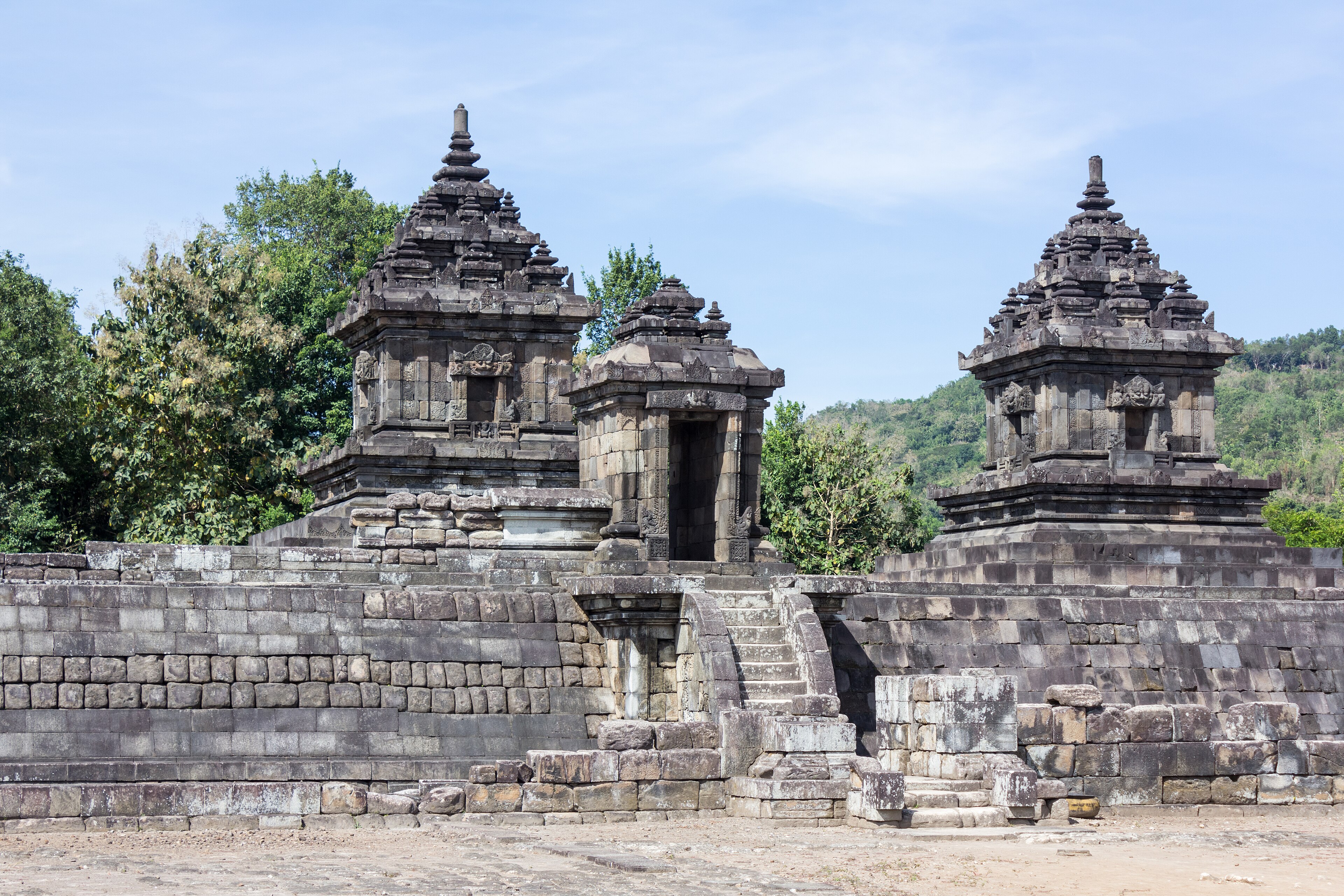
Barong Temple
Barong Temple is a 9th-century Hindu candi located near Ratu Boko in Yogyakarta, Indonesia, named for the distinctive barong-like kala head carvings adorning its temple niches.