Candi Asu
About Candi Asu
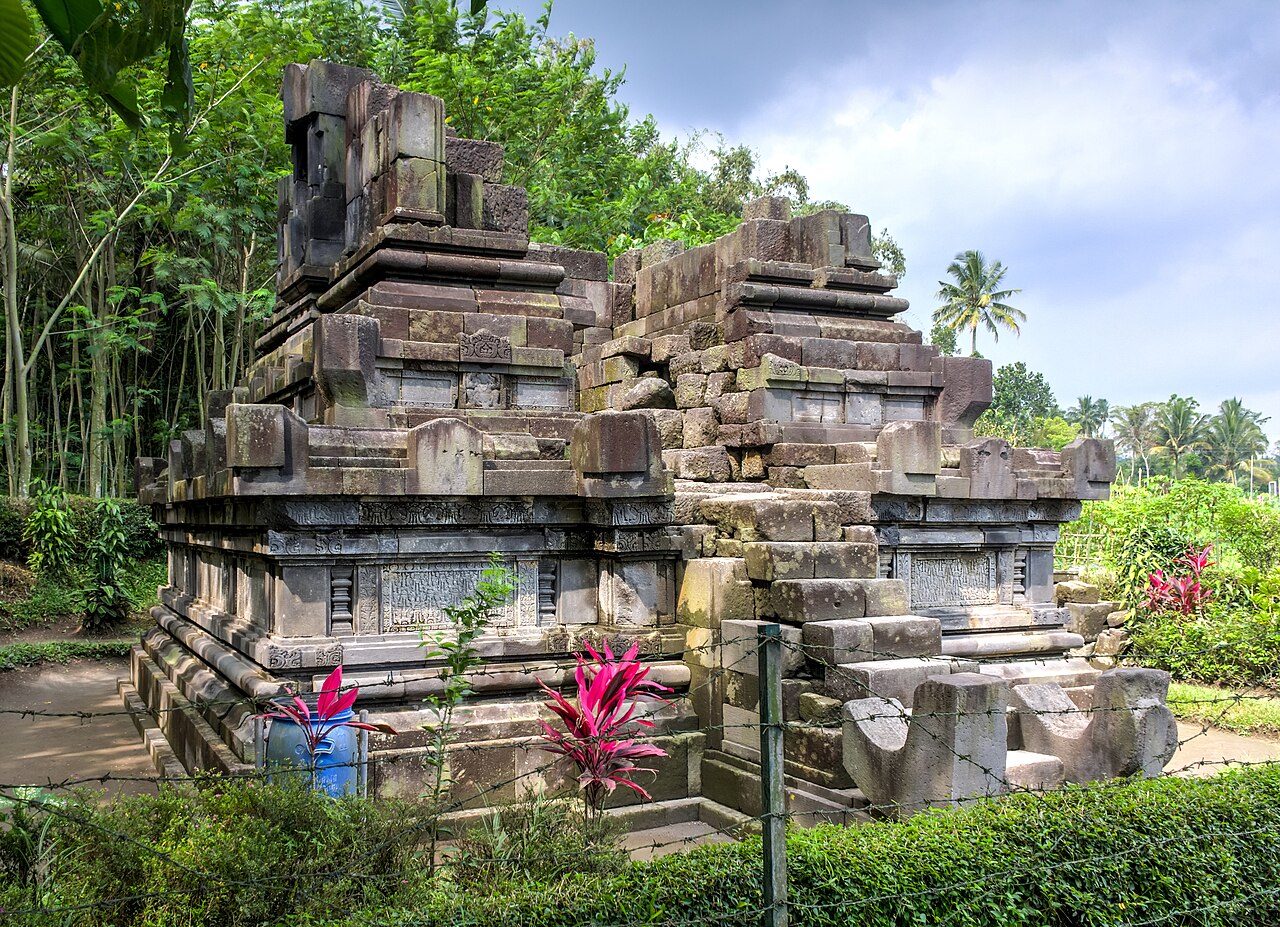
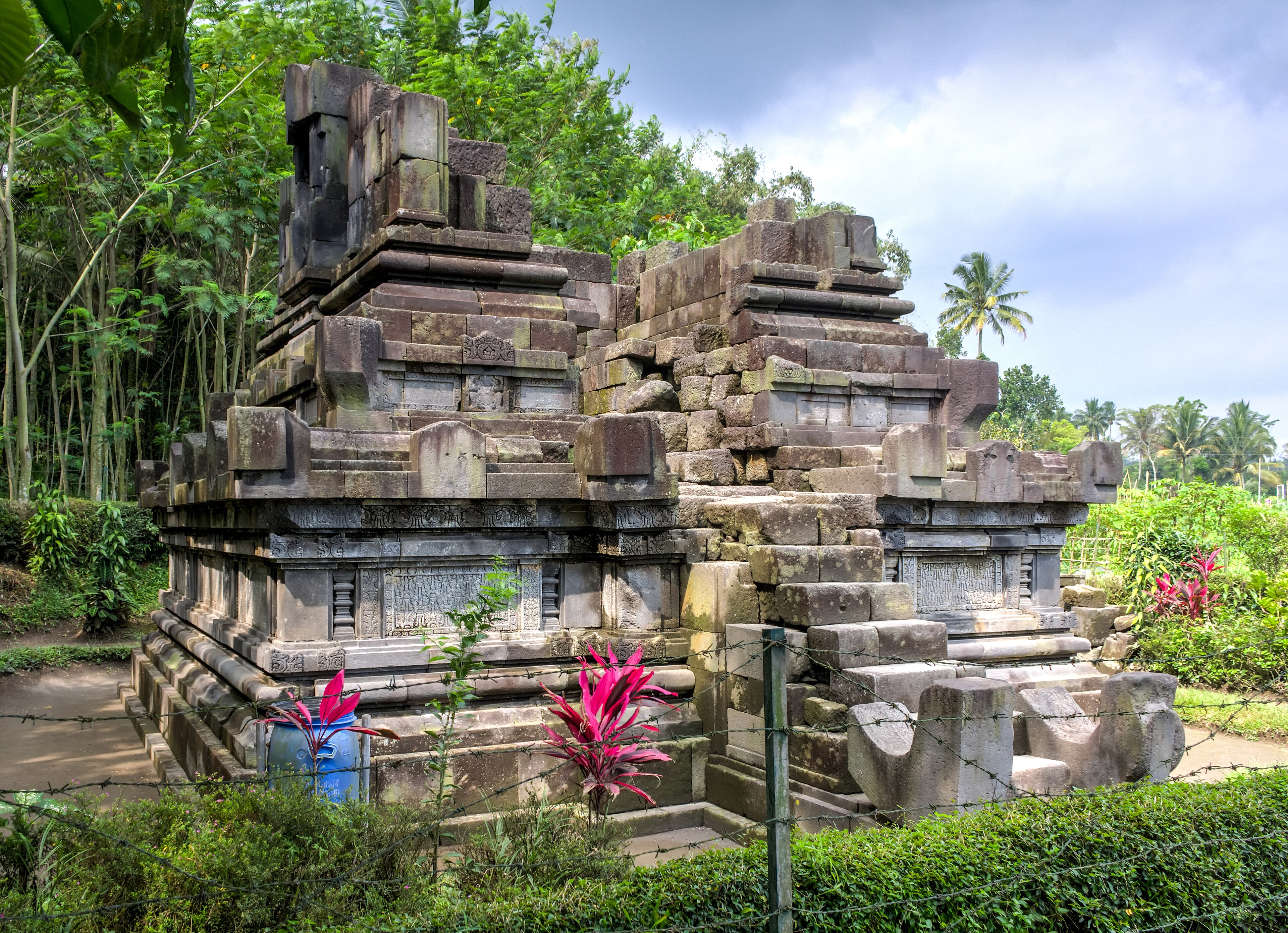
Candi Asu stands as part of the Sengi complex, a collection of Hindu temples constructed during the 8th and 9th centuries in Central Java. This period represents an important phase of Hindu-Buddhist cultural flourishing in the region, when such stone structures were built across the Javanese landscape. The temple occupies a striking geographical position, nestled between Mount Merapi and Mount Merbabu—two of Indonesia's most significant volcanoes. Its location near the road connecting Mungkid to Boyolali places it within a historically important corridor of Central Java, in Magelang Regency.
The temple's age and architectural context situate it within a broader tradition of medieval Hindu temple construction in Java, a period now largely superseded by the region's later Islamic development. As such, Candi Asu represents a tangible connection to an earlier religious and cultural landscape.
The Temple Complex
Candi Asu forms part of the larger Sengi complex rather than standing in isolation. This arrangement reflects common practice among medieval Hindu temples in Java, where multiple shrines and structures were often grouped together to create a unified sacred precinct. The exact layout, number of structures within the complex, and their individual functions remain matters for on-site observation and local guidance. Visitors should be aware that the temple dates to over a thousand years ago and has survived considerable time and environmental change in a volcanically active region.
Visiting the Temple
Specific information about visiting hours, entry fees, and current facilities at Candi Asu is not available from reliable sources. Before planning a visit, travellers should contact local tourism offices in Magelang Regency or seek guidance from accommodation providers in nearby towns such as Mungkid or Boyolali. The temple's remote location between two major volcanoes means that access may be affected by volcanic activity or weather conditions; checking local conditions before travel is advisable.
Visitors should dress respectfully when approaching Hindu temples, typically wearing clothing that covers shoulders and knees. Photography policies vary by site; it is courteous to ask permission before photographing. The volcanic landscape surrounding the temple can be steep and uneven, so sturdy footwear is recommended.
Reaching Candi Asu
The temple lies in Magelang Regency, Central Java, accessible via the road between Mungkid and Boyolali. The coordinates -7.52741, 110.3517 can be used with mapping applications to locate the site. Visitors travelling to Central Java typically arrive through major cities such as Yogyakarta or Semarang, from which local transport can be arranged to reach the Magelang area. The journey involves travel through rural and mountainous terrain; hiring a local guide familiar with the region is strongly recommended, as signage and facilities may be limited.
Understanding the Site
Candi Asu represents an archaeological and cultural heritage site of significance to understanding Java's pre-Islamic Hindu period. While the primary deity worshipped at this specific temple is not documented in available sources, the structure itself serves as evidence of the religious practices and architectural knowledge of its builders. Visitors approaching the site should do so with awareness that they are encountering a sacred place with deep historical meaning, even if its original religious functions are no longer actively maintained in their medieval form.
The temple's survival in a volcanically active zone speaks to both the durability of its construction and the region's complex geological history. The presence of Mount Merapi and Mount Merbabu nearby adds to the dramatic natural setting, though it also underscores the environmental forces that have shaped the temple's preservation over centuries.
How to reach
Temples near Candi Asu
Asu Temple
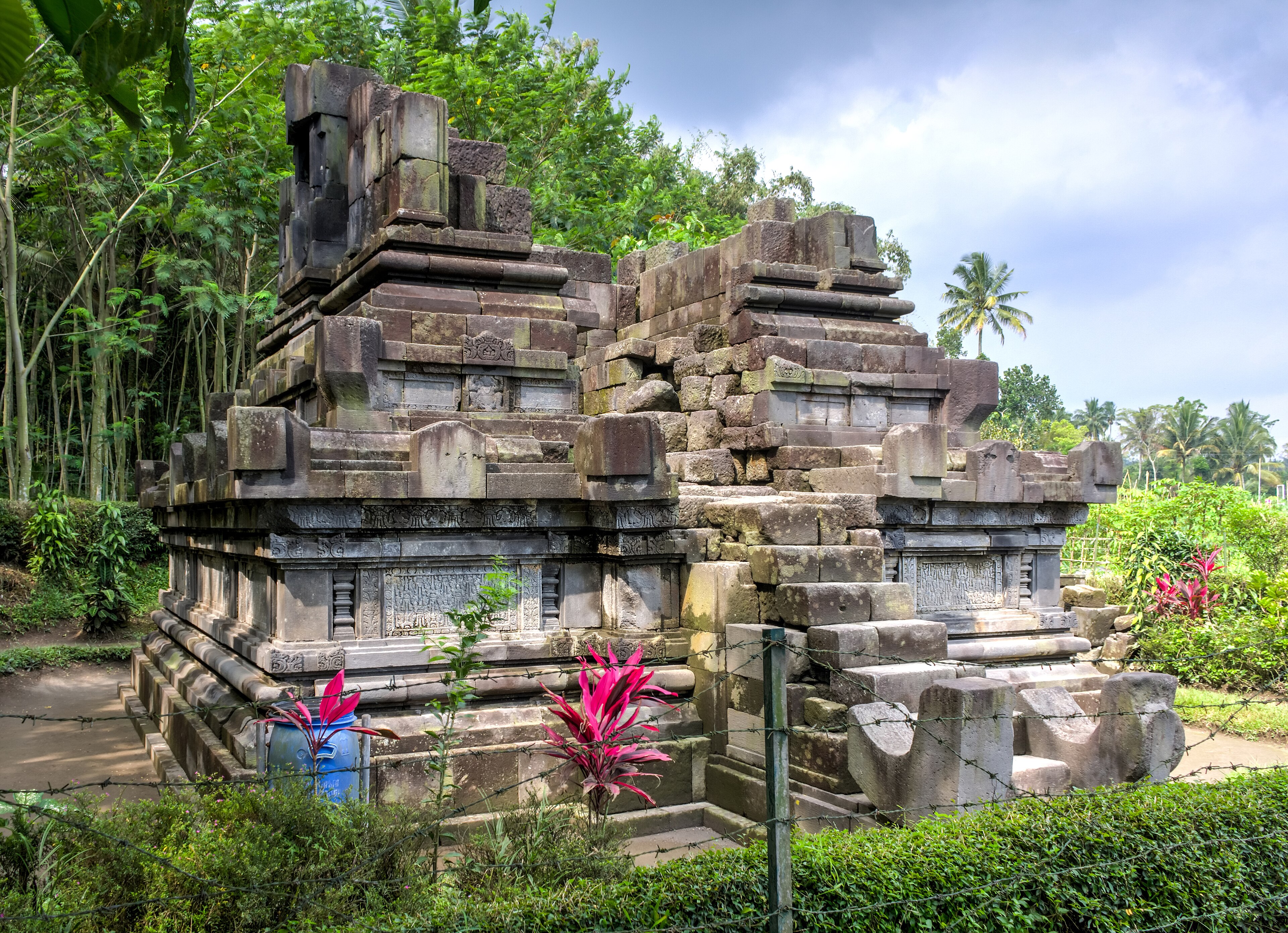
Asu Temple is an 8th-9th century Hindu temple forming part of the Sengi complex in Magelang Regency, Central Java, nestled between Mount Merapi and Mount Merbabu volcanoes.

Umbul Temple
Umbul Temple is a 9th-century Mataram-era Hindu bathing sanctuary in Central Java, Indonesia, featuring sacred spring-fed pools and carefully arranged stone structures rather th…
Prambanan
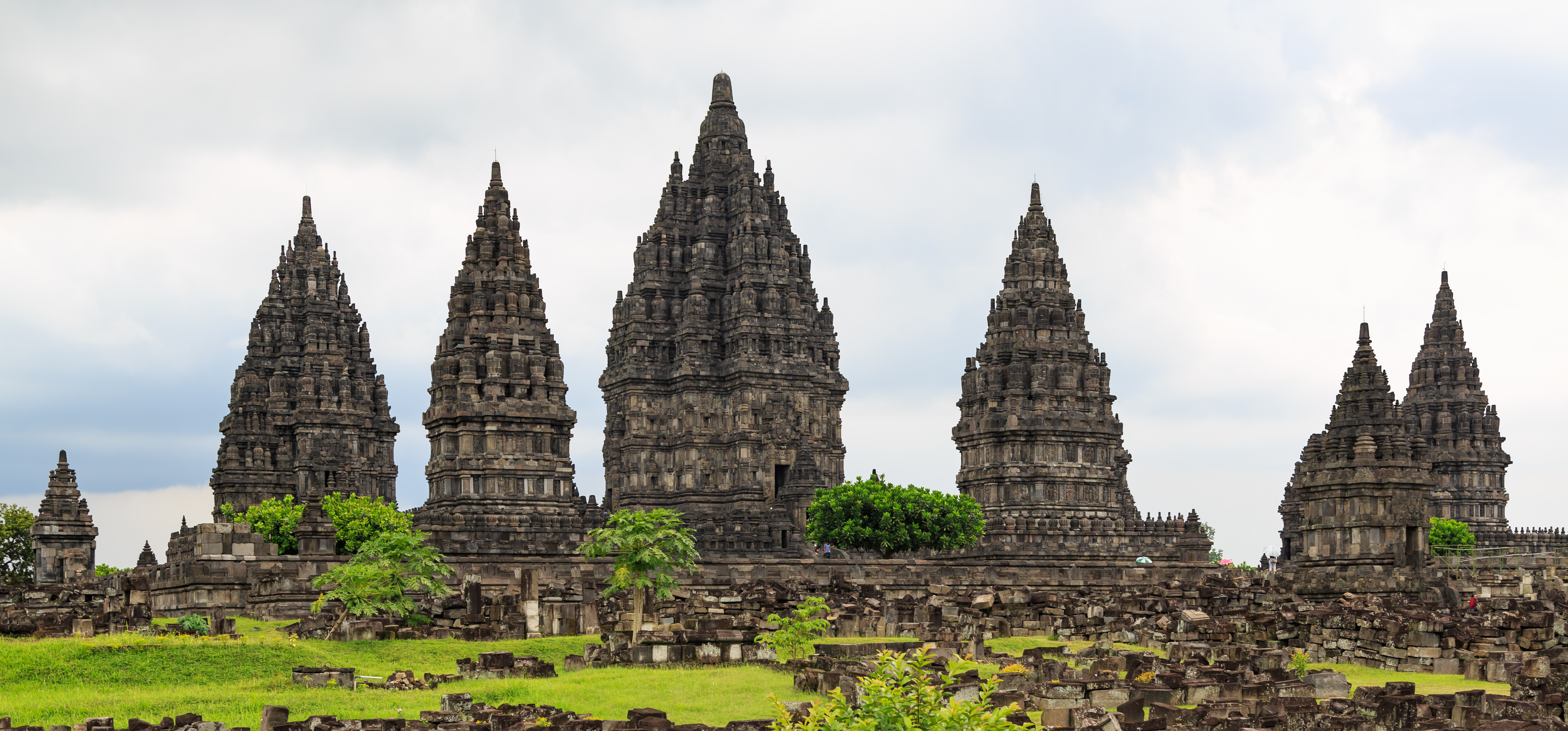
Prambanan is Indonesia's largest Hindu temple complex, built in the 9th century and dedicated to the Trimurti with the central shrine honoring Shiva. Now a UNESCO World Heritage…
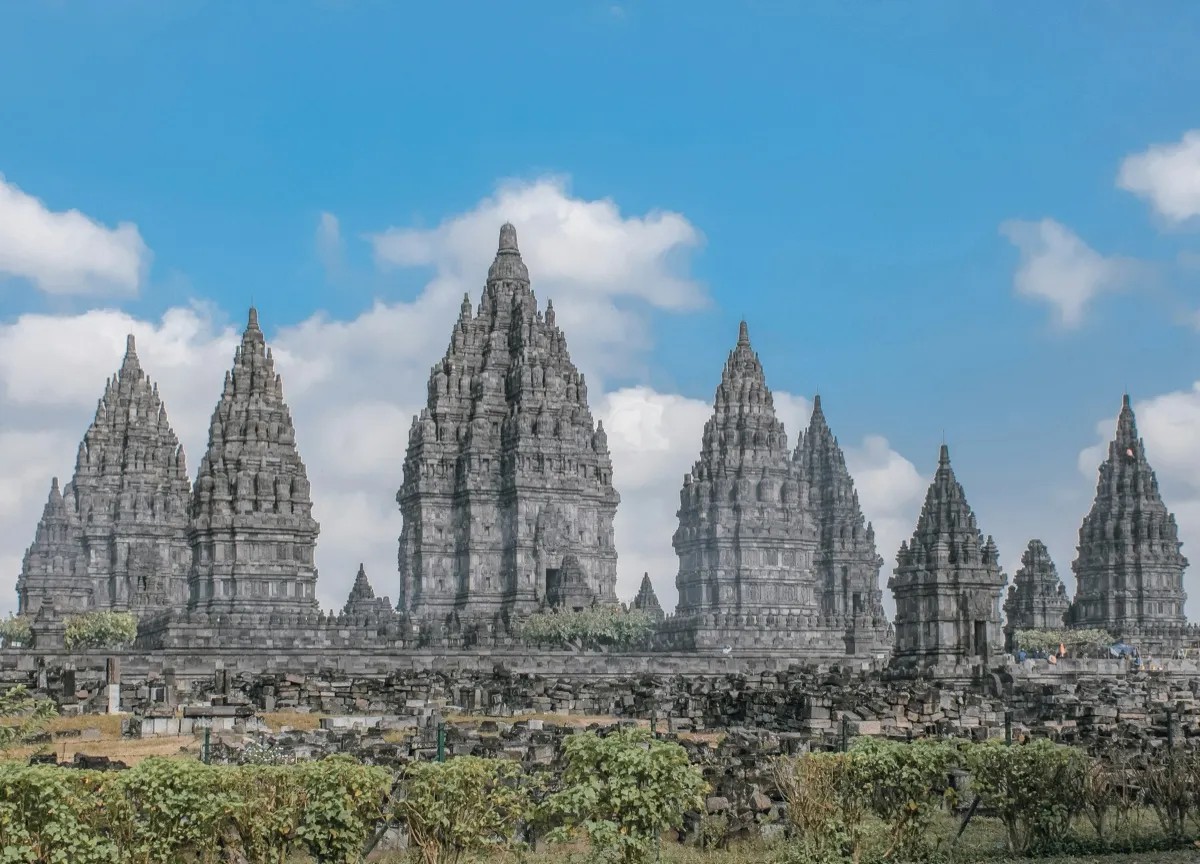
Prambanan Temple Compounds
Prambanan Temple Compounds is Indonesia's largest Hindu temple complex, a UNESCO World Heritage site comprising four temple compounds on the Yogyakarta–Central Java border. Dedi…
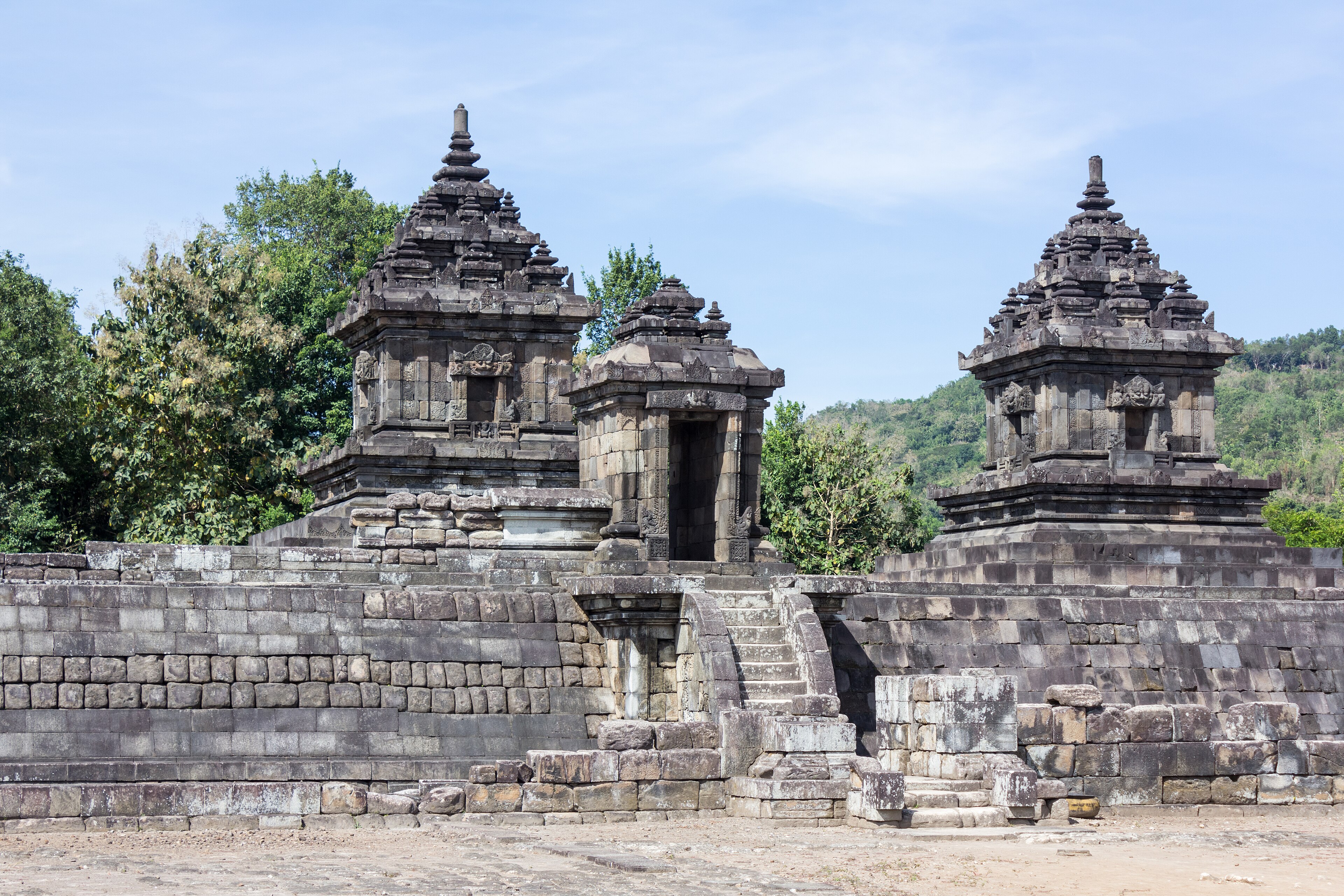
Barong Temple
Barong Temple is a 9th-century Hindu candi located near Ratu Boko in Yogyakarta, Indonesia, named for the distinctive barong-like kala head carvings adorning its temple niches.
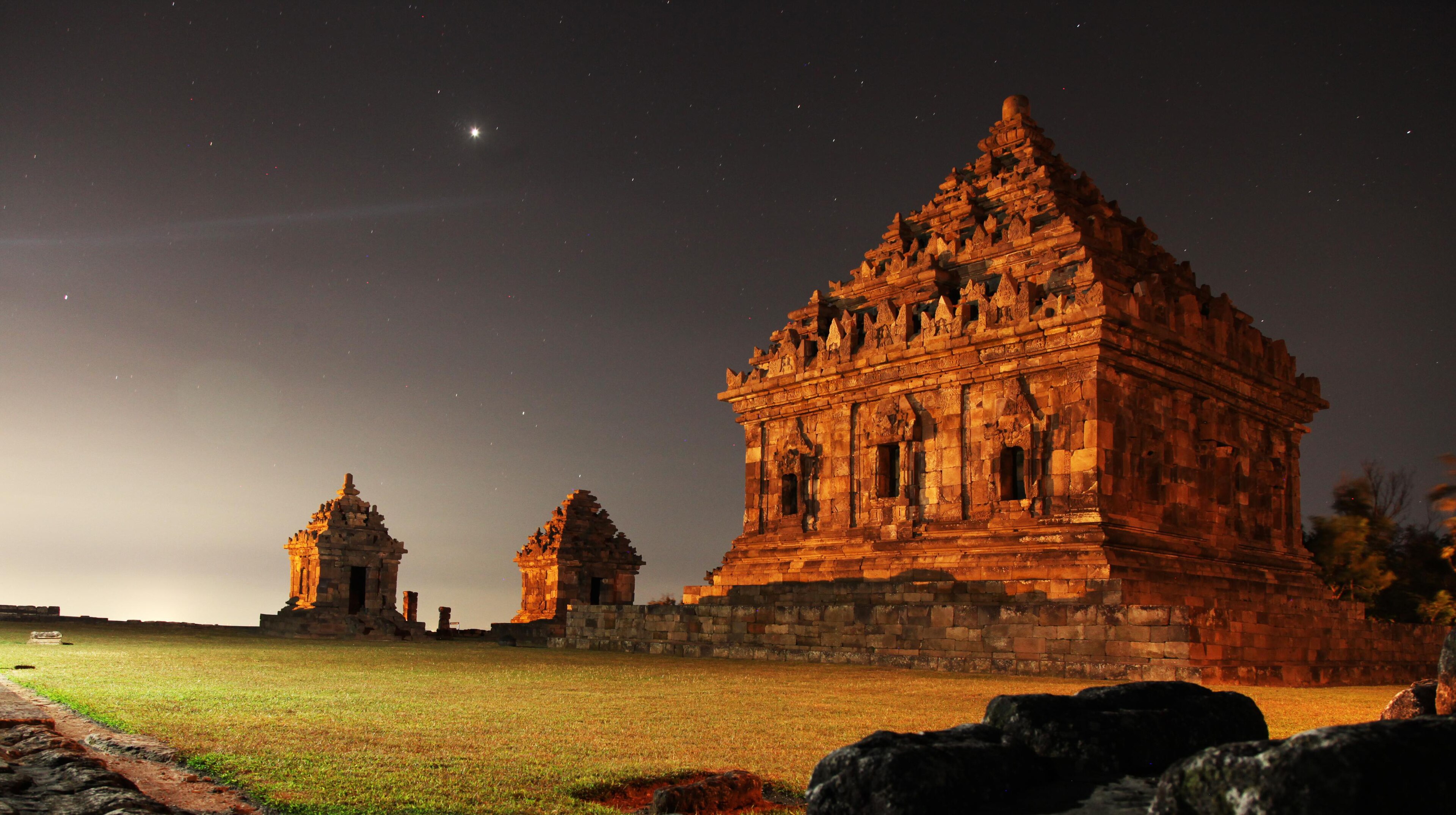
Ijo Temple
Ijo Temple is a 10th-11th century Hindu candi located near Yogyakarta, Indonesia, built during the Mataram kingdom period as an expression of royal religious patronage.