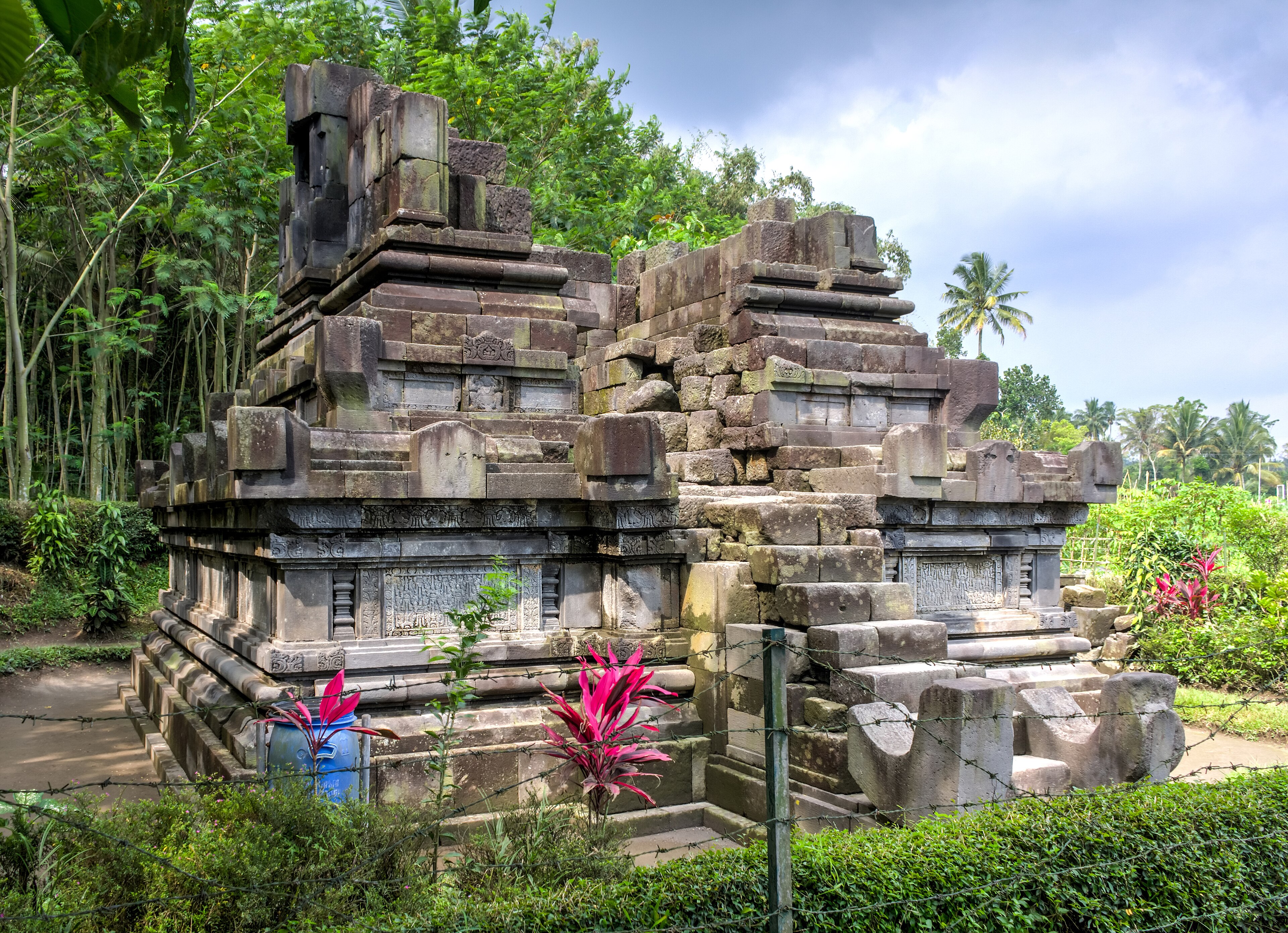
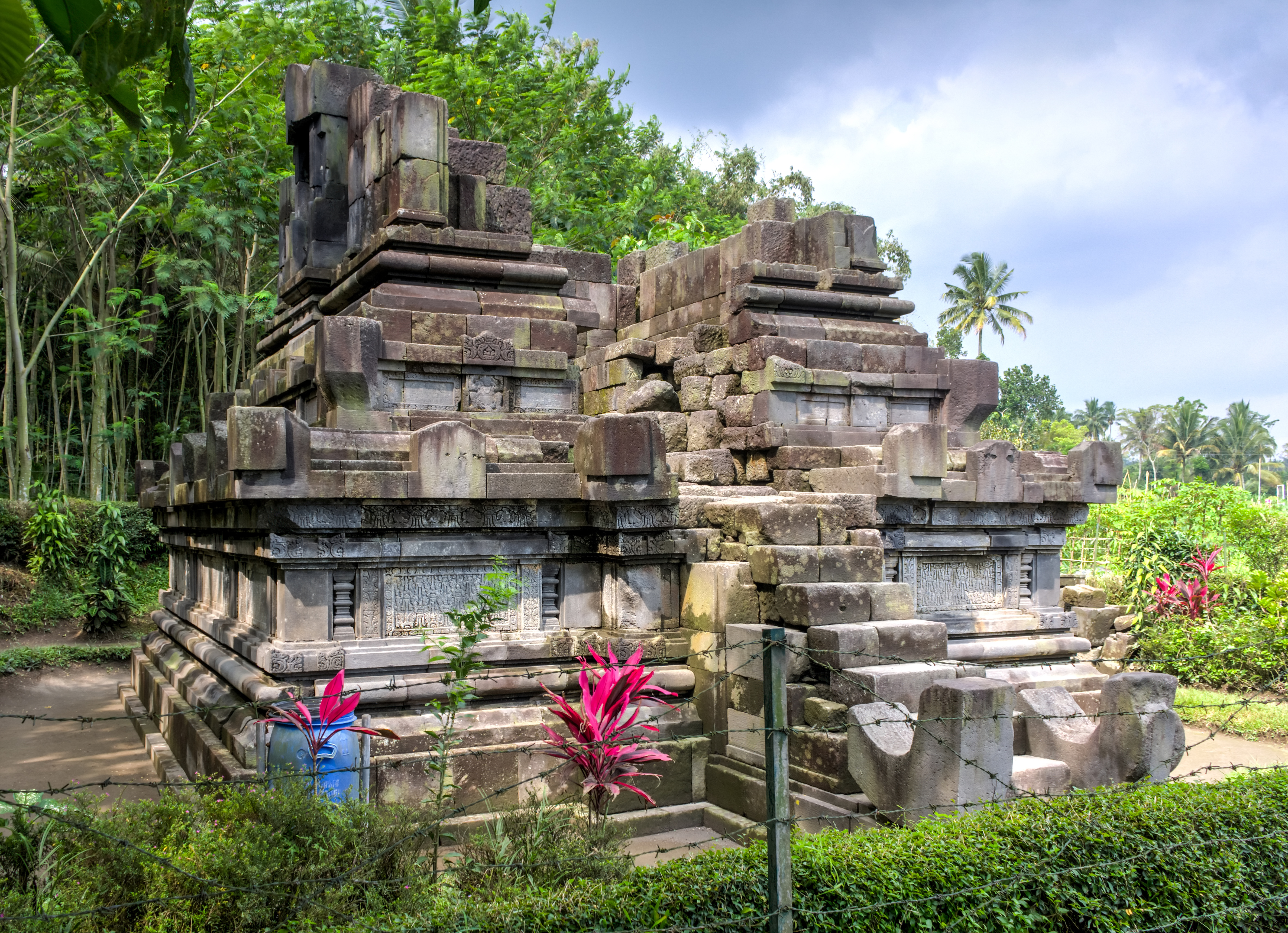
Asu Temple
About Asu Temple
Asu Temple, known locally as Candi Asu, was built during the 8th and 9th centuries as part of the larger Sengi complex in Central Java. This period marks an important phase of Hindu temple construction in the region, reflecting the religious landscape of medieval Java. The temple occupies a distinctive geographical position, situated between Mount Merapi and Mount Merbabu—two of Indonesia's most significant volcanoes. This volcanic setting has shaped both the temple's physical environment and its historical experience over more than a millennium.
The temple lies in Magelang Regency, positioned near the road connecting Mungkid to Boyolali. This location places it within a region rich in archaeological remains from the Hindu-Buddhist period of Central Java's history.
The Sengi Complex
Asu Temple functions as part of a larger temple complex rather than as an isolated structure. The Sengi complex, also dating to the 8th and 9th centuries, represents a coordinated religious site from this era. Understanding Asu Temple requires recognizing it within this broader context of interconnected sacred spaces. Visitors interested in the full scope of the complex's religious and architectural significance should plan to explore the wider site.
Visiting Asu Temple
The temple is located at coordinates -7.52741, 110.3517 in Magelang Regency, Central Java, Indonesia. Visitors should note that detailed information about current opening hours, entry fees, facilities, and accessibility is limited in available sources. Before planning a visit, it is advisable to contact local tourism offices in Magelang Regency or seek guidance from guides familiar with the Sengi complex, as conditions and access arrangements may vary.
The volcanic landscape surrounding the temple creates both scenic and practical considerations for visitors. The terrain between the two mountains should be navigated with awareness of local conditions, particularly during rainy seasons when volcanic slopes can become unstable.
What to Know Before Visiting
As a Hindu temple site of considerable age, visitors should approach with appropriate respect for its religious significance. While specific contemporary worship practices at Asu Temple are not documented in available sources, Hindu temples typically welcome respectful visitors. Modest dress is generally expected—covering shoulders and knees is standard practice at such sites.
Photography policies and whether active worship occurs at the temple are details best confirmed locally before arrival. The 8th-9th century construction means the temple represents an important archaeological and cultural heritage site; visitors should take care not to disturb any structures or artifacts.
Reaching the Temple
Asu Temple is situated in Magelang Regency in Central Java. The nearest major city is Magelang itself. From there, local transportation—whether by car, motorcycle, or guided tour—will be necessary to reach the temple's location near the Mungkid-Boyolali road. The volcanic terrain and rural setting mean that public transportation options may be limited; hiring a local guide or arranging transport through accommodation providers in Magelang is often the most practical approach.
Visitors should allow adequate time for travel, as road conditions in this region can vary. The journey itself offers views of the volcanic landscape that characterizes Central Java's geography.
How to reach
Temples near Asu Temple
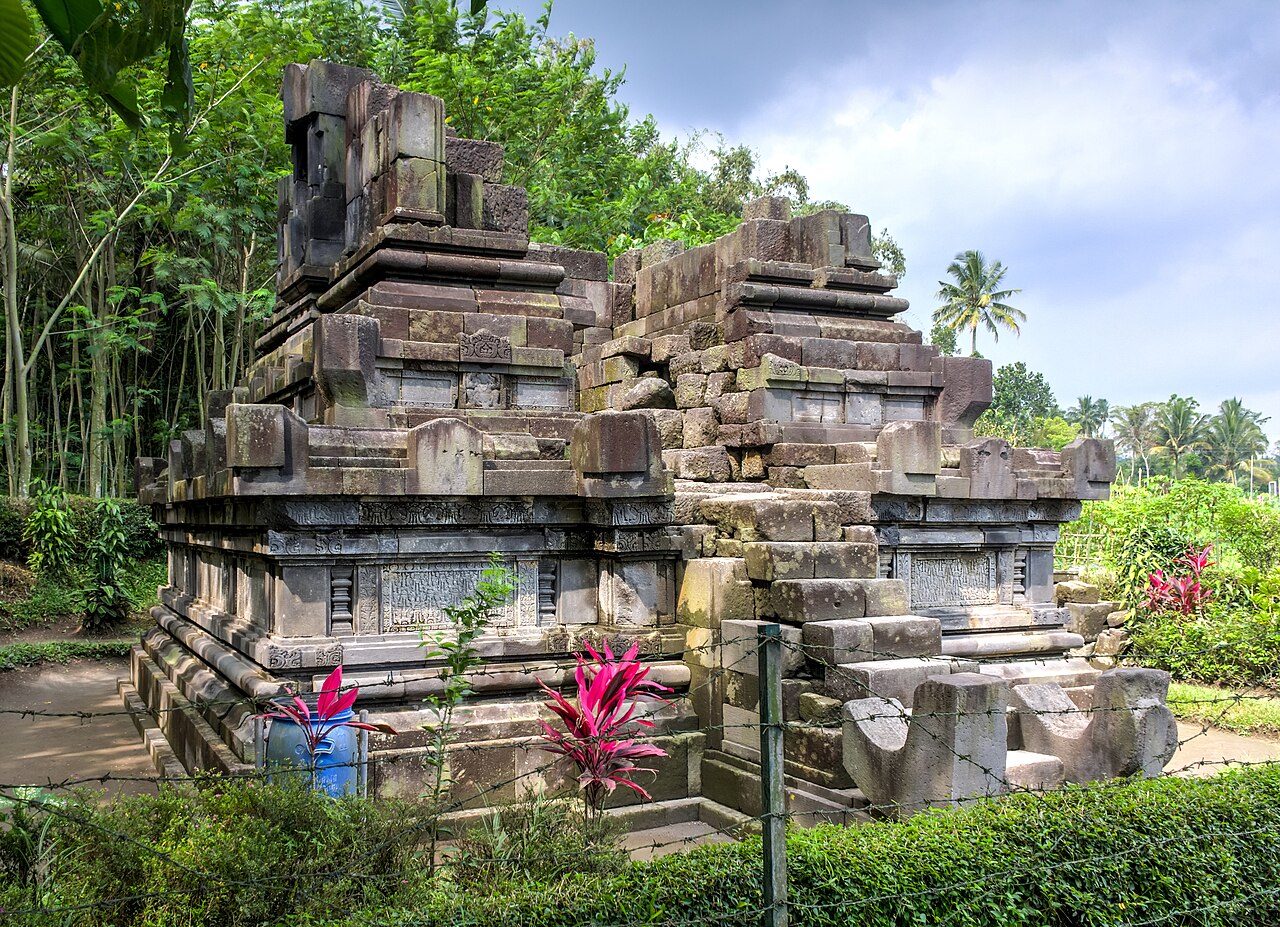
Candi Asu
Candi Asu is an 8th–9th century Hindu temple forming part of the Sengi complex in Magelang Regency, Central Java, nestled between Mount Merapi and Mount Merbabu volcanoes.

Umbul Temple
Umbul Temple is a 9th-century Mataram-era Hindu bathing sanctuary in Central Java, Indonesia, featuring sacred spring-fed pools and carefully arranged stone structures rather th…
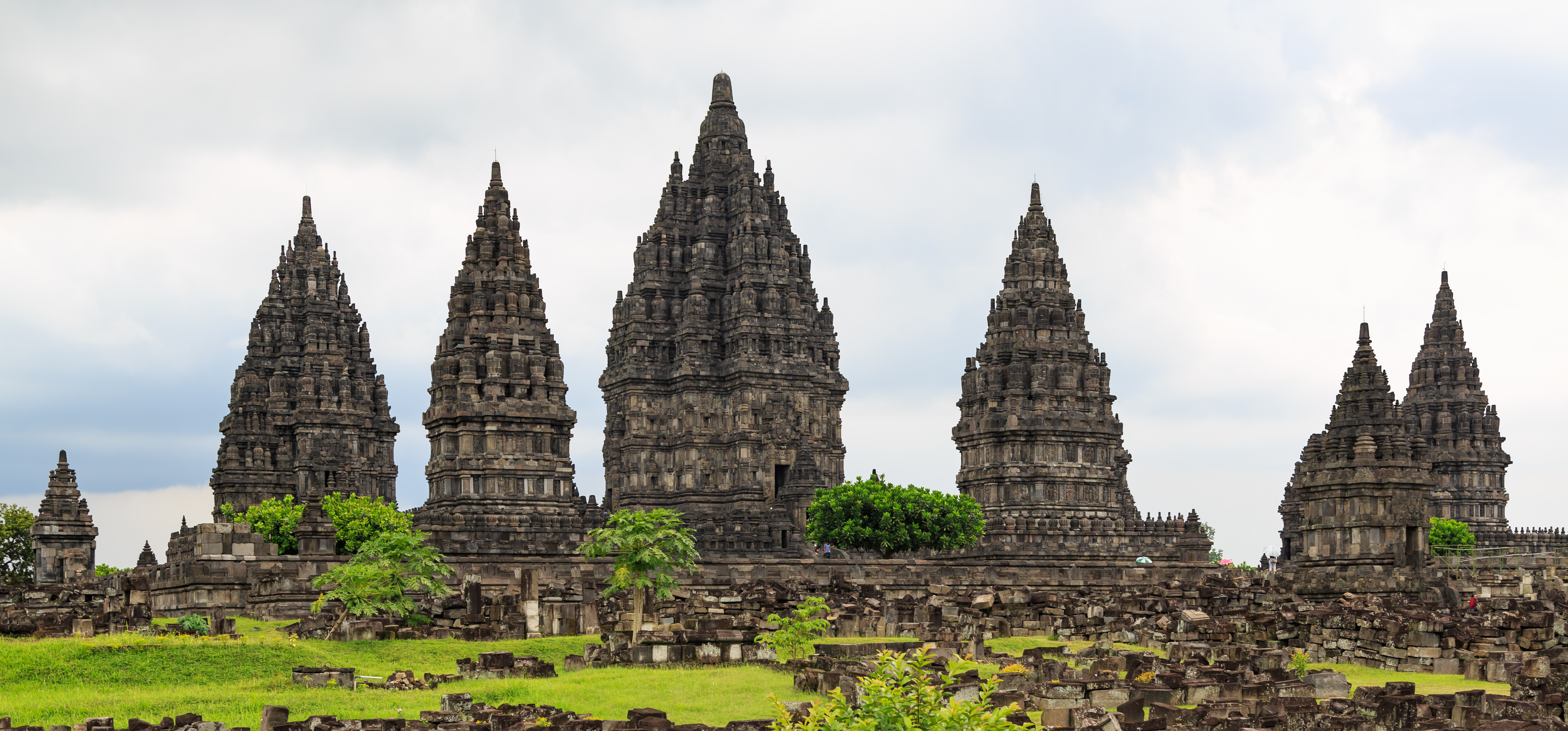
Prambanan
Prambanan is Indonesia's largest Hindu temple complex, built in the 9th century and dedicated to the Trimurti with the central shrine honoring Shiva. Now a UNESCO World Heritage…
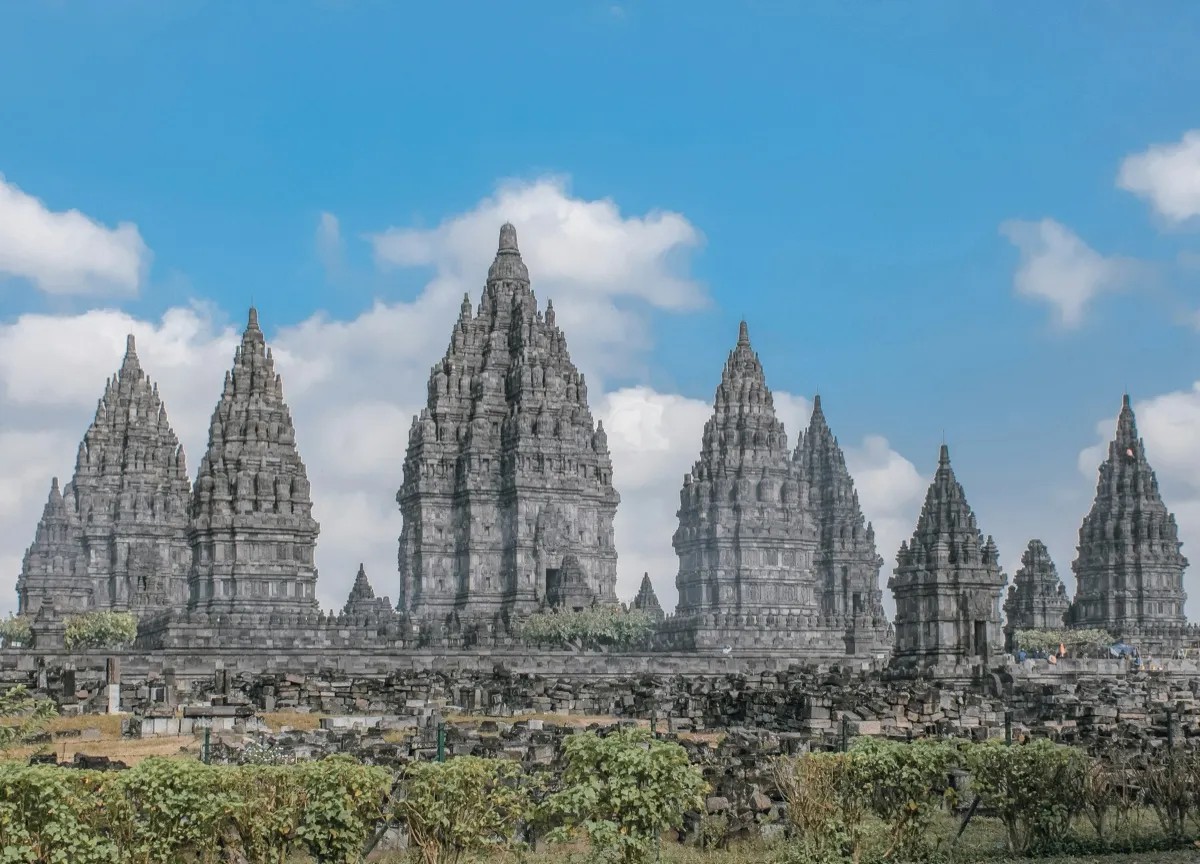
Prambanan Temple Compounds
Prambanan Temple Compounds is Indonesia's largest Hindu temple complex, a UNESCO World Heritage site comprising four temple compounds on the Yogyakarta–Central Java border. Dedi…
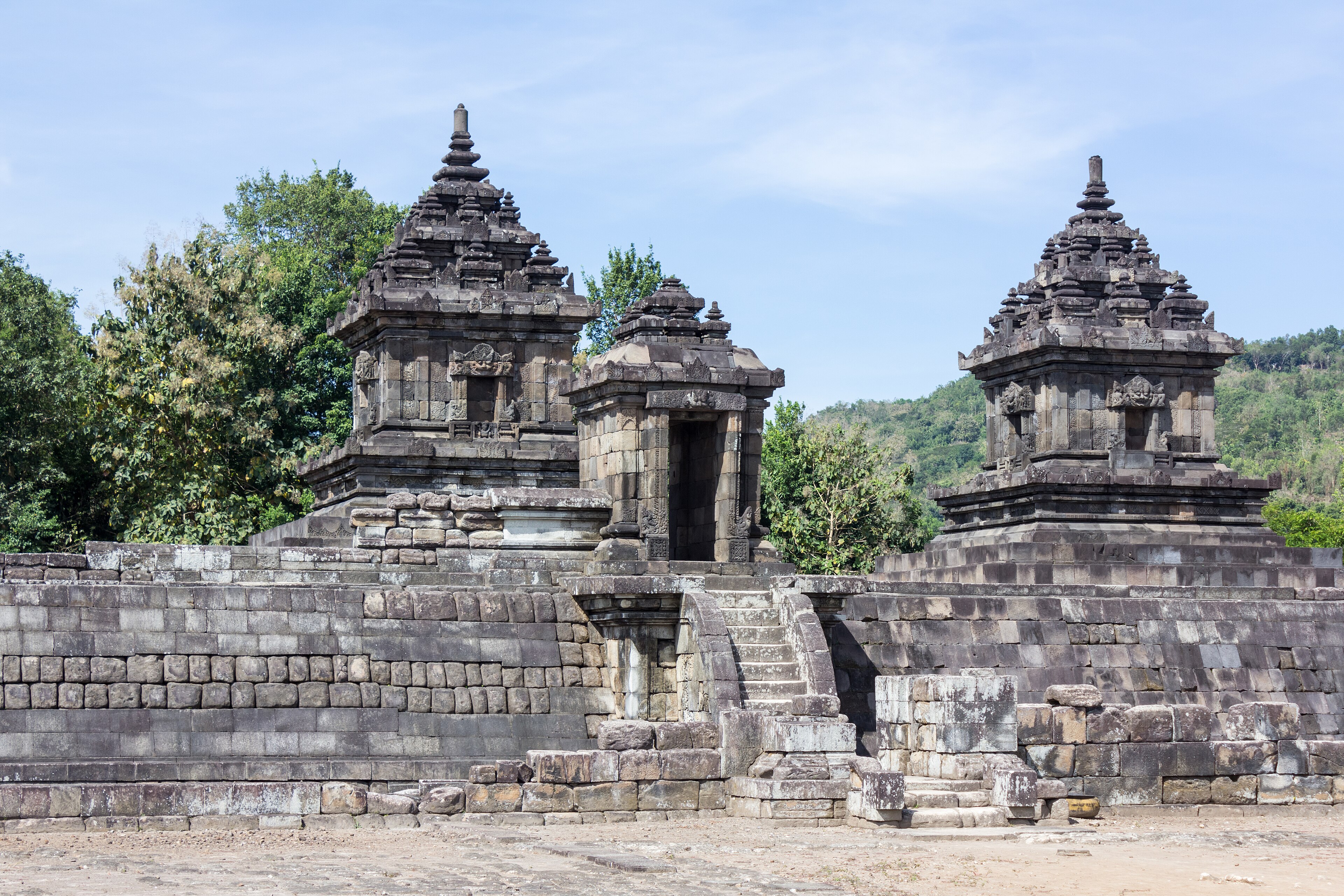
Barong Temple
Barong Temple is a 9th-century Hindu candi located near Ratu Boko in Yogyakarta, Indonesia, named for the distinctive barong-like kala head carvings adorning its temple niches.
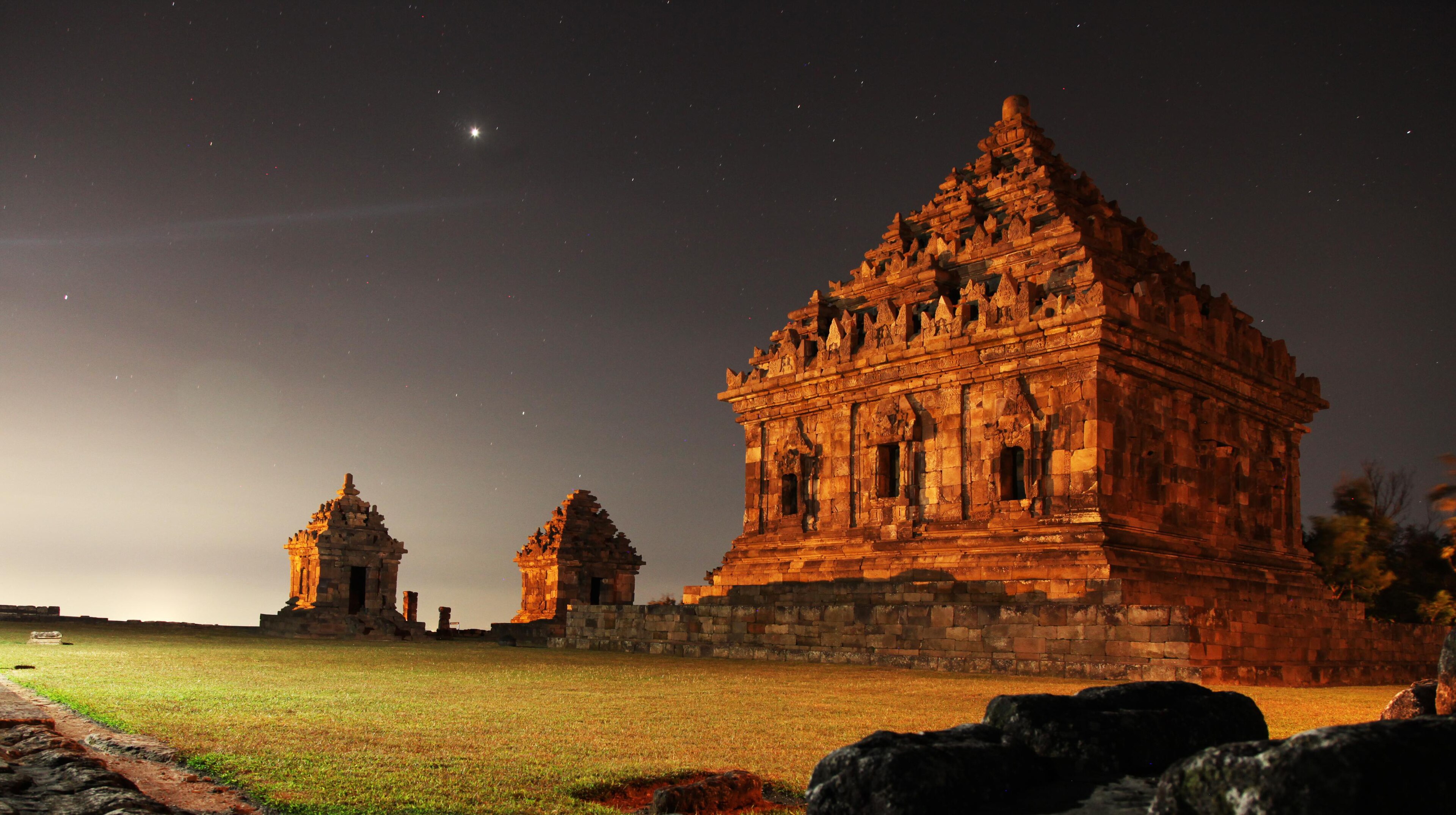
Ijo Temple
Ijo Temple is a 10th-11th century Hindu candi located near Yogyakarta, Indonesia, built during the Mataram kingdom period as an expression of royal religious patronage.