
Prambanan Temple Compounds
About Prambanan Temple Compounds
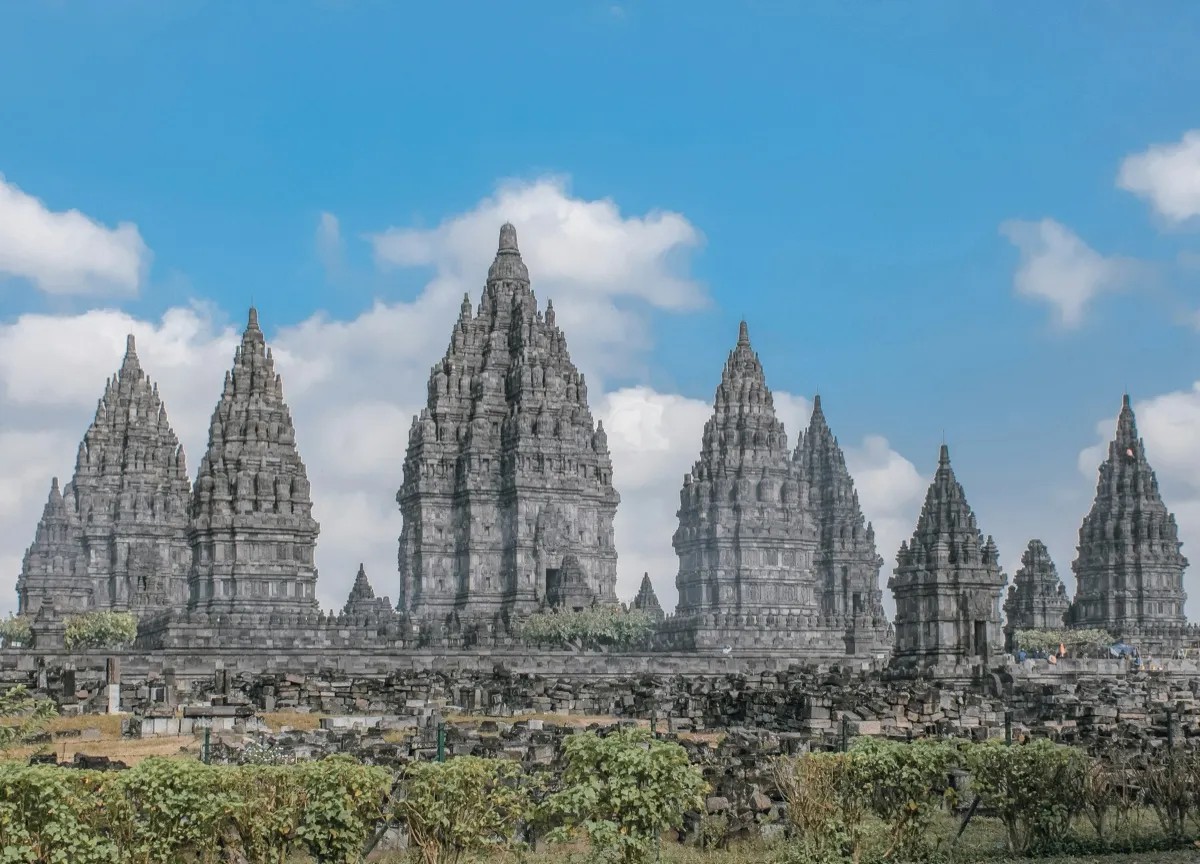
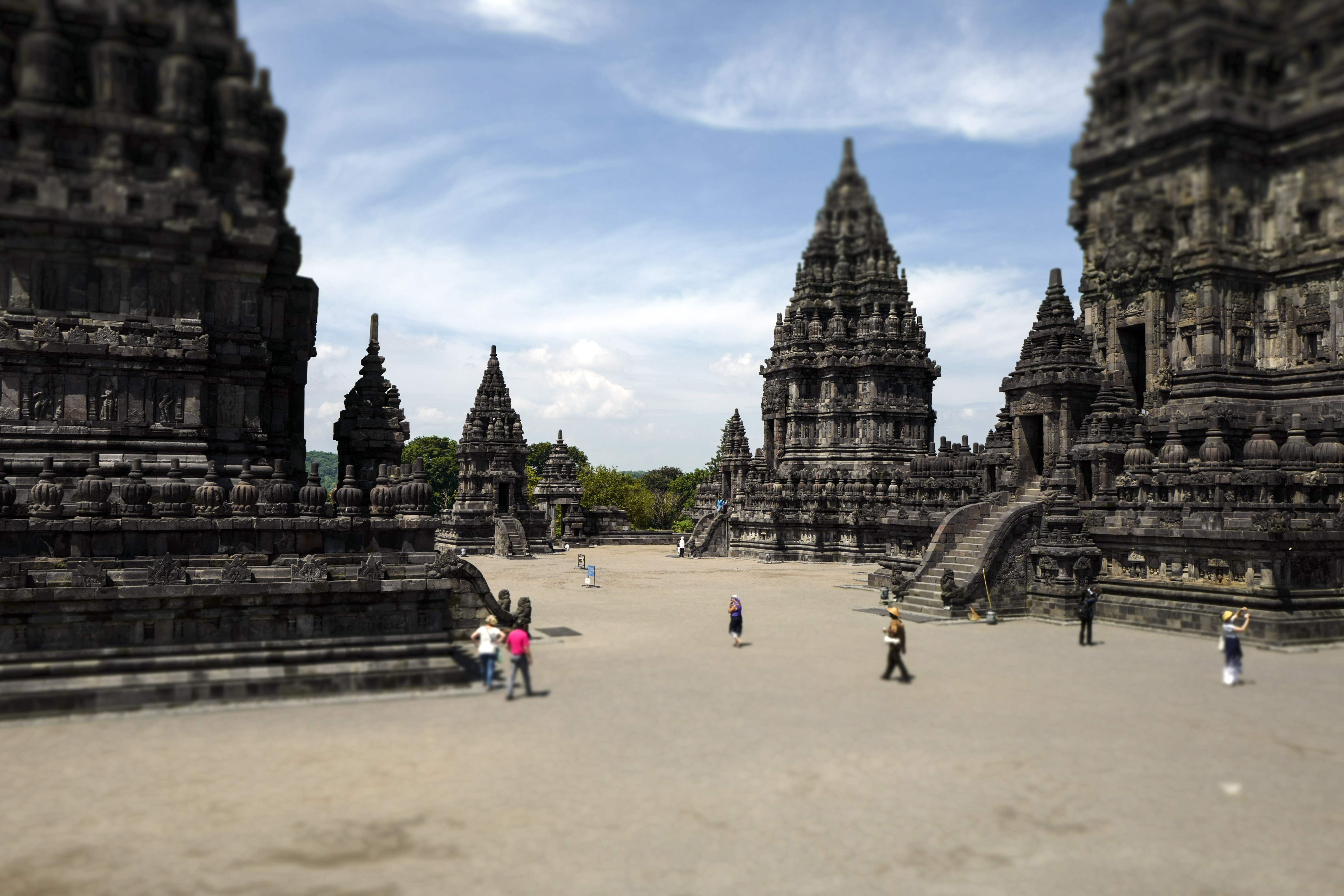
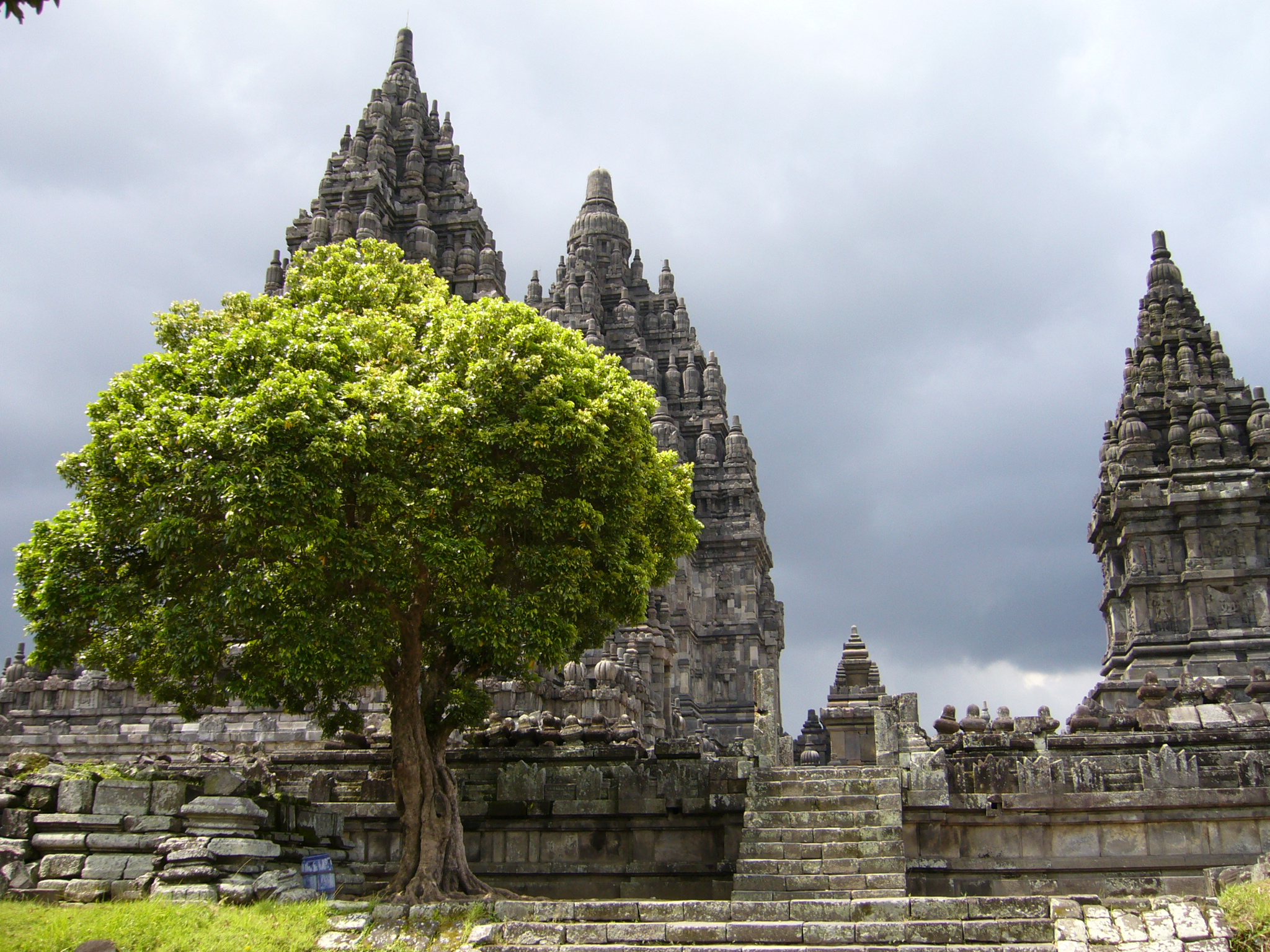
Built in the ninth century under the Mataram Kingdom, Prambanan represents a sophisticated integration of narrative and architecture. The inner balustrades of the Shiva and Brahma temples carry the Ramayana as a continuous carved relief, meant to be read while walking clockwise around the temples—the direction of pradakshina or circumambulation. The sequence begins at the eastern stair of the Shiva temple and continues across both temples, depicting the abduction of Sita, Rama's alliance with the monkey army, and the search that follows. The relief concludes on the Brahma temple to the south.
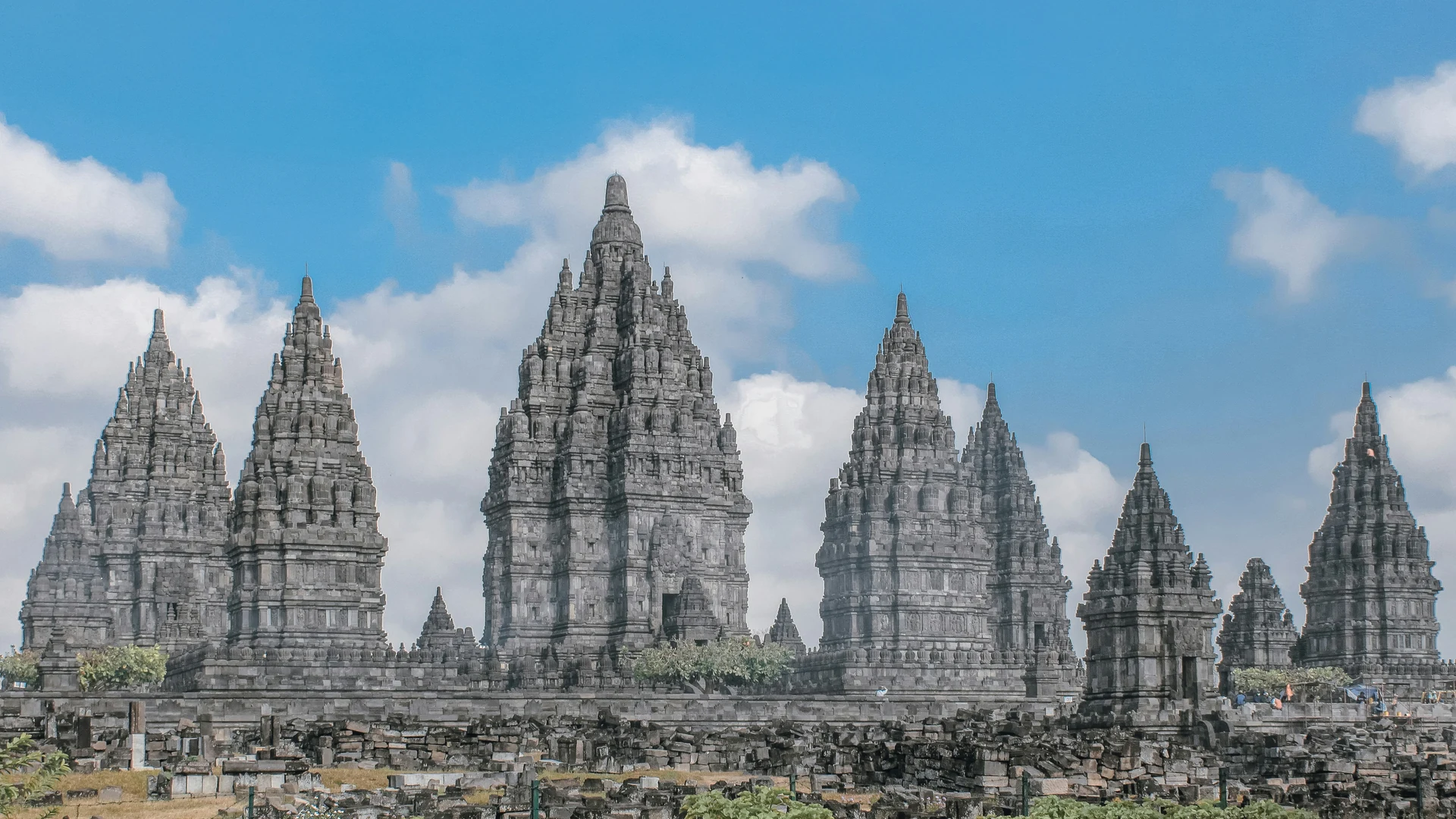
The Vishnu temple to the north breaks from this narrative entirely. Its reliefs tell the Krishnayana, the story of Krishna, and are best read as a separate sequence. The grey andesite stone of which these towers are built takes on particular warmth in the late afternoon light, when the carved panels become most legible and the sculptural detail most visible.
Active Worship and Ritual Observance
Though Prambanan functions primarily as an archaeological monument, the Trimurti shrines remain consecrated spaces. Indonesia's Hindu minority—concentrated largely in Bali but present across the archipelago—conducts prayers and ritual observances at the complex, particularly during significant occasions in the Hindu calendar. Nyepi, the Balinese Hindu New Year observed in March, and the preceding purification ceremony of Tawur Agung Kesanga bring organized Hindu ritual to the compound. These occasions represent continuity with the temple's original purpose, maintaining active devotion at a monument that has endured over a millennium.
The Ramayana Ballet and Evening Performance
From May through October during the dry season, the Ramayana Ballet transforms Prambanan into an open-air theatre. This nightly dance-drama stages the Ramayana epic in Javanese tradition against the floodlit backdrop of the Shiva temple, creating a synthesis of ancient narrative and living performance. The ballet represents the signature cultural event of the complex and draws visitors from across the region. The performance begins as the towers darken behind the stage, creating a dramatic interplay between the illuminated dancers and the silhouetted stone.
Visiting: Practical Information
The compound opens daily from 06:30 to 17:00. The late afternoon hours—particularly from 16:00 onwards—offer optimal conditions for both viewing and photography. Coach groups thin out after three o'clock, and the western sun turns the grey andesite gold. On ballet nights during the dry season, this timing allows visitors to experience both the archaeological site and the evening performance.
One-day tickets are valid all day with no fixed time slot. English and Indonesian-speaking hosts or greeters are available. The best time to visit overall is May through October, when the dry season provides clear skies and the Ramayana Ballet performs nightly.
UNESCO Recognition and Historical Significance
Prambanan was inscribed as a UNESCO World Heritage Site in 1991 (inscription 642). The compound represents a rare and substantial survival of ninth-century Hindu temple architecture in Java, a region now predominantly Muslim. Its preservation and ongoing restoration work maintain a direct link to the Hindu kingdoms that once flourished across the Indonesian archipelago.
How to reach
Temples near Prambanan Temple Compounds
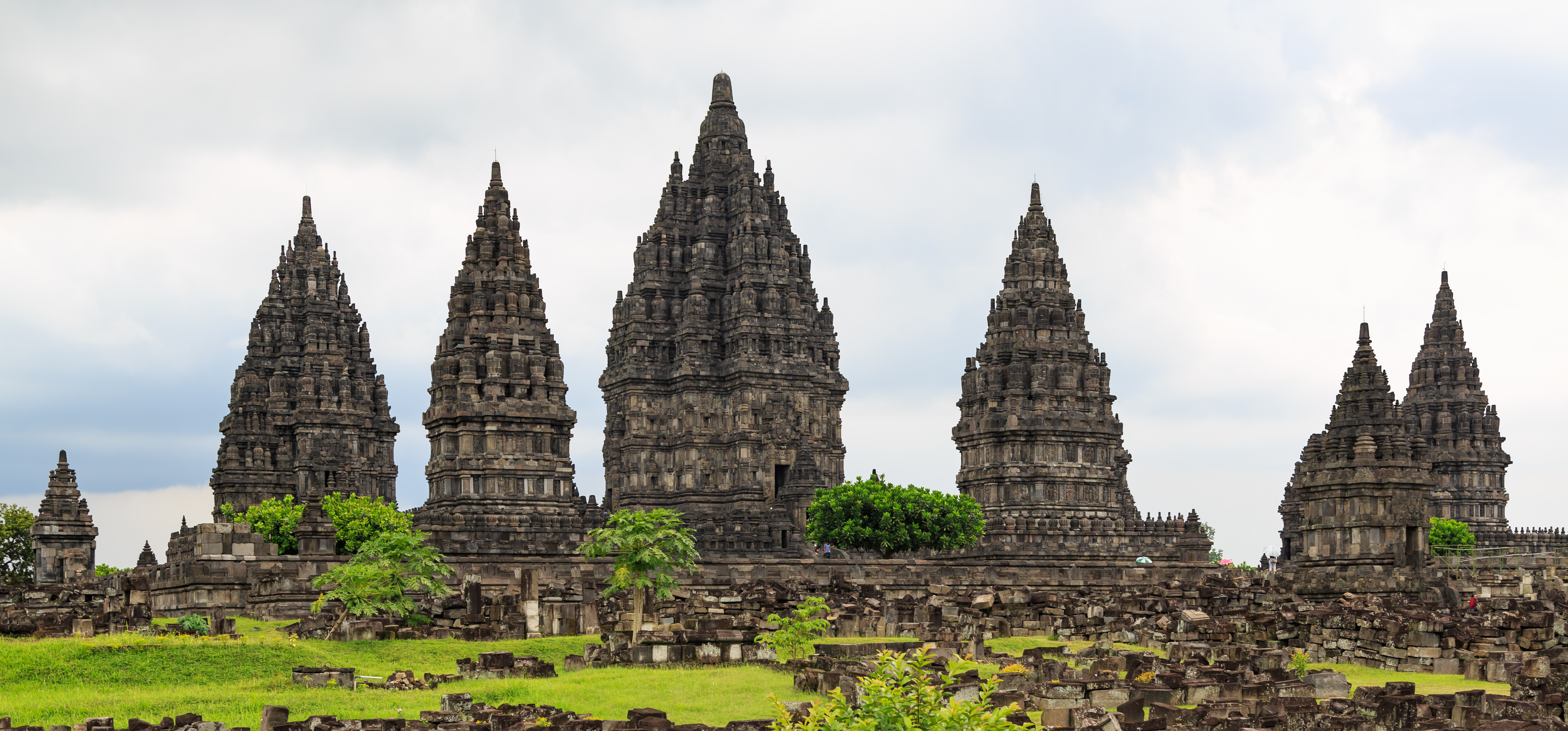
Prambanan
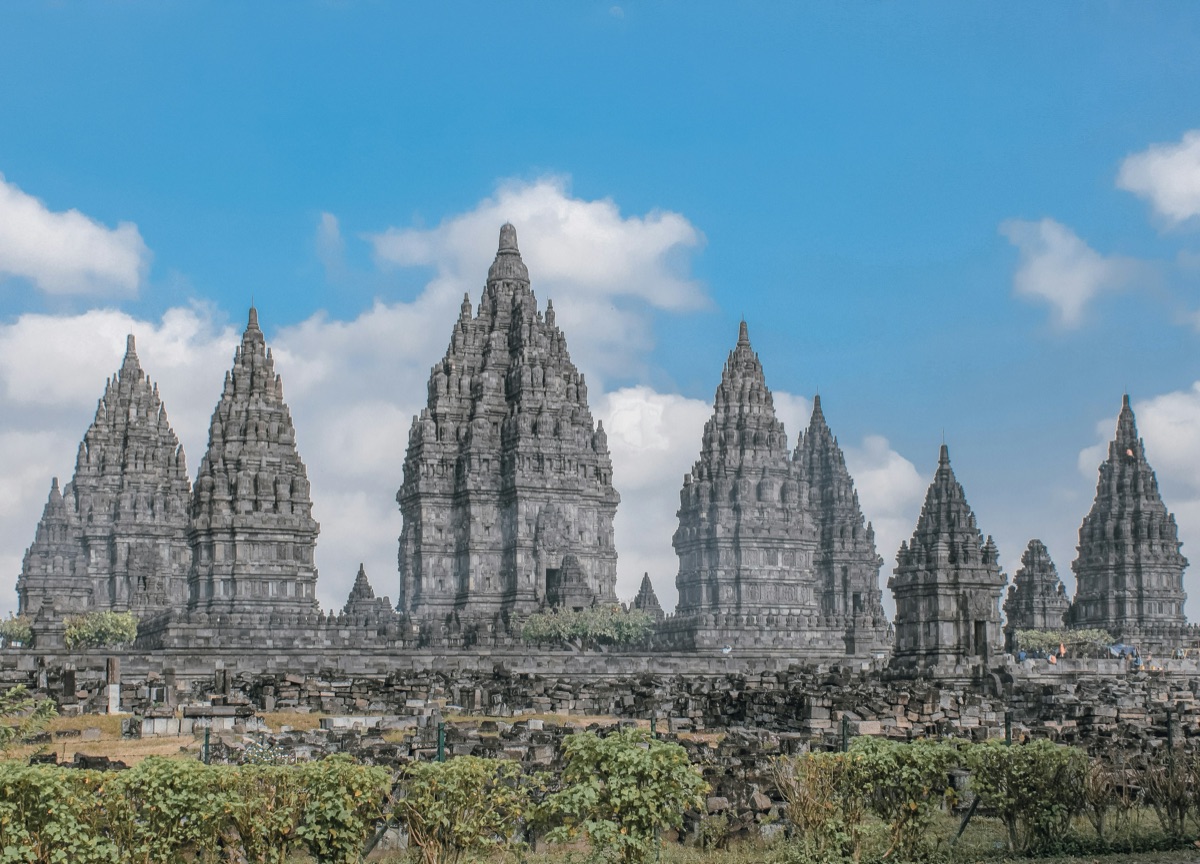
Prambanan is Indonesia's largest Hindu temple complex, built in the 9th century and dedicated to the Trimurti with the central shrine honoring Shiva. Now a UNESCO World Heritage…
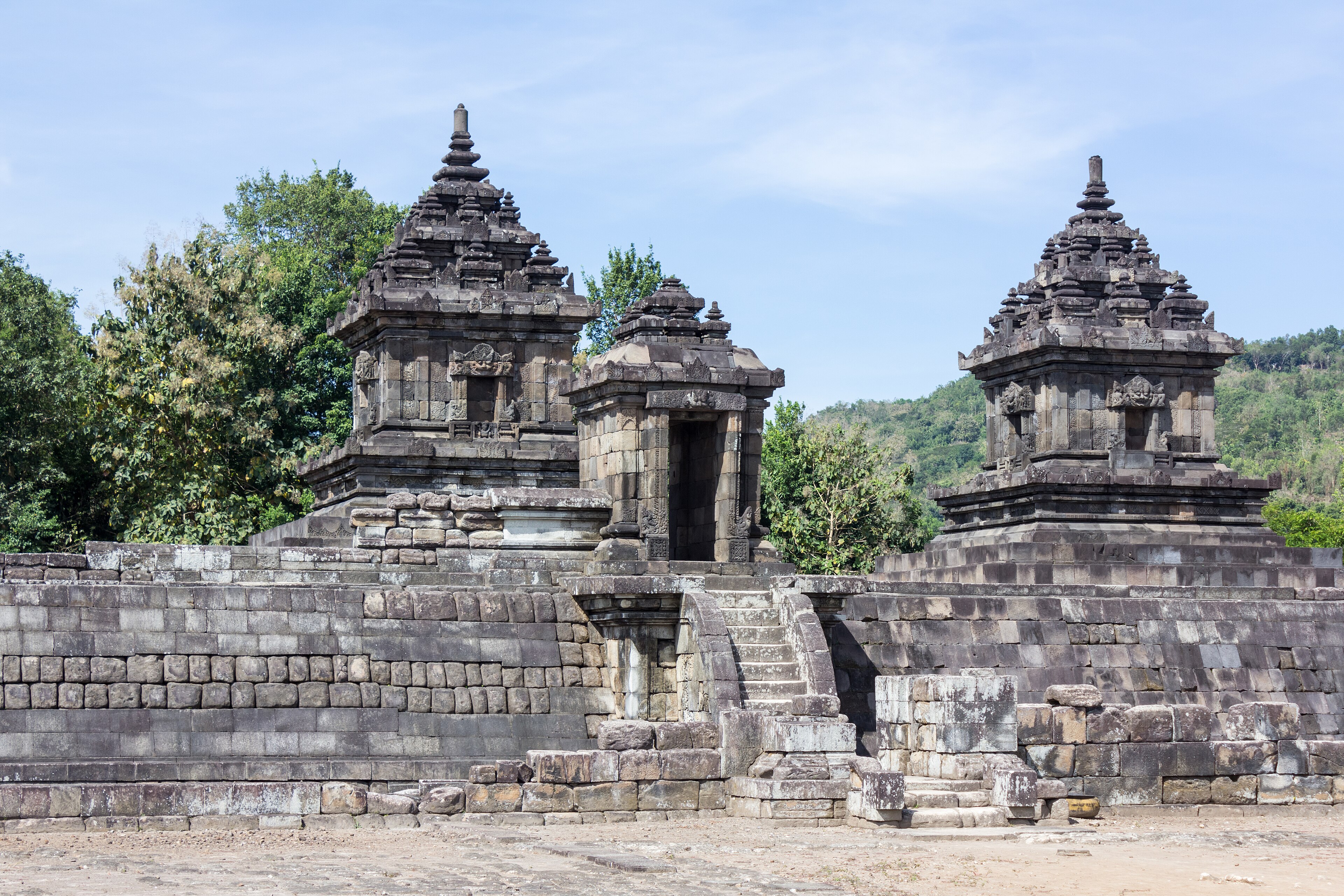
Barong Temple
Barong Temple is a 9th-century Hindu candi located near Ratu Boko in Yogyakarta, Indonesia, named for the distinctive barong-like kala head carvings adorning its temple niches.
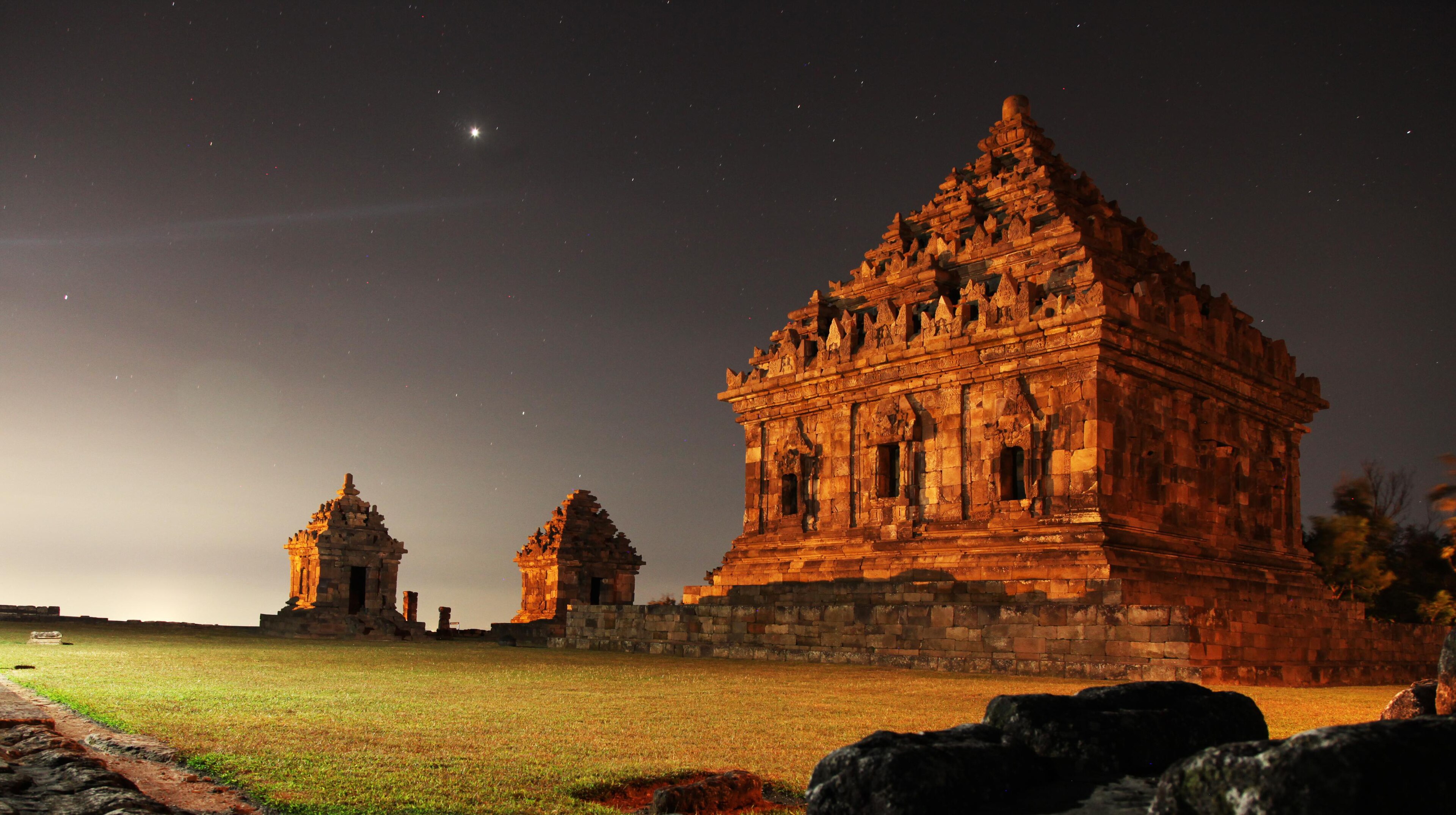
Ijo Temple
Ijo Temple is a 10th-11th century Hindu candi located near Yogyakarta, Indonesia, built during the Mataram kingdom period as an expression of royal religious patronage.
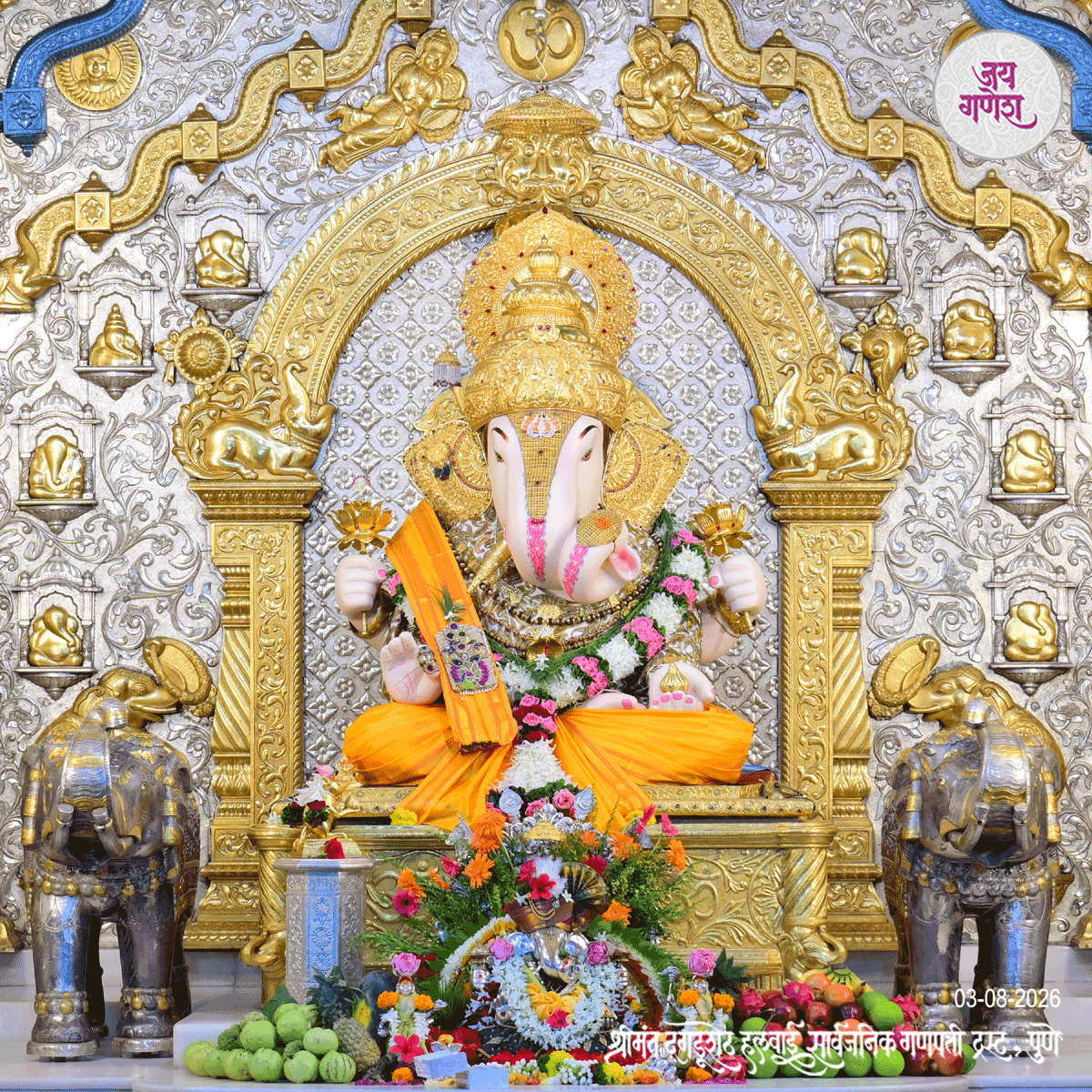
Pura Santiloka
Shrimant Dagdusheth Halwai Ganpati Temple in Pune is one of India's most revered shrines dedicated to Lord Ganesha, established by a devotee family and now an active center for…
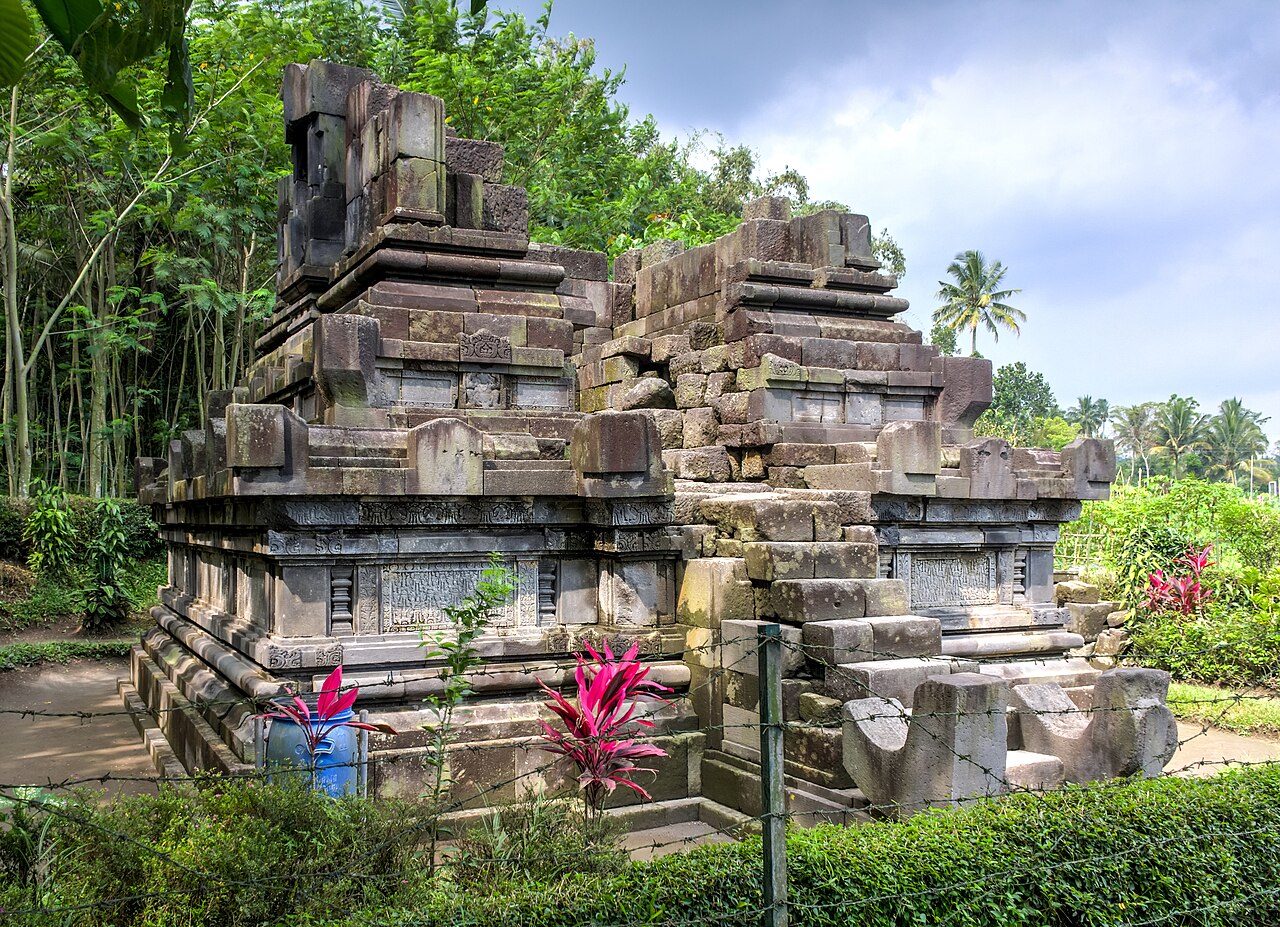
Candi Asu
Candi Asu is an 8th–9th century Hindu temple forming part of the Sengi complex in Magelang Regency, Central Java, nestled between Mount Merapi and Mount Merbabu volcanoes.
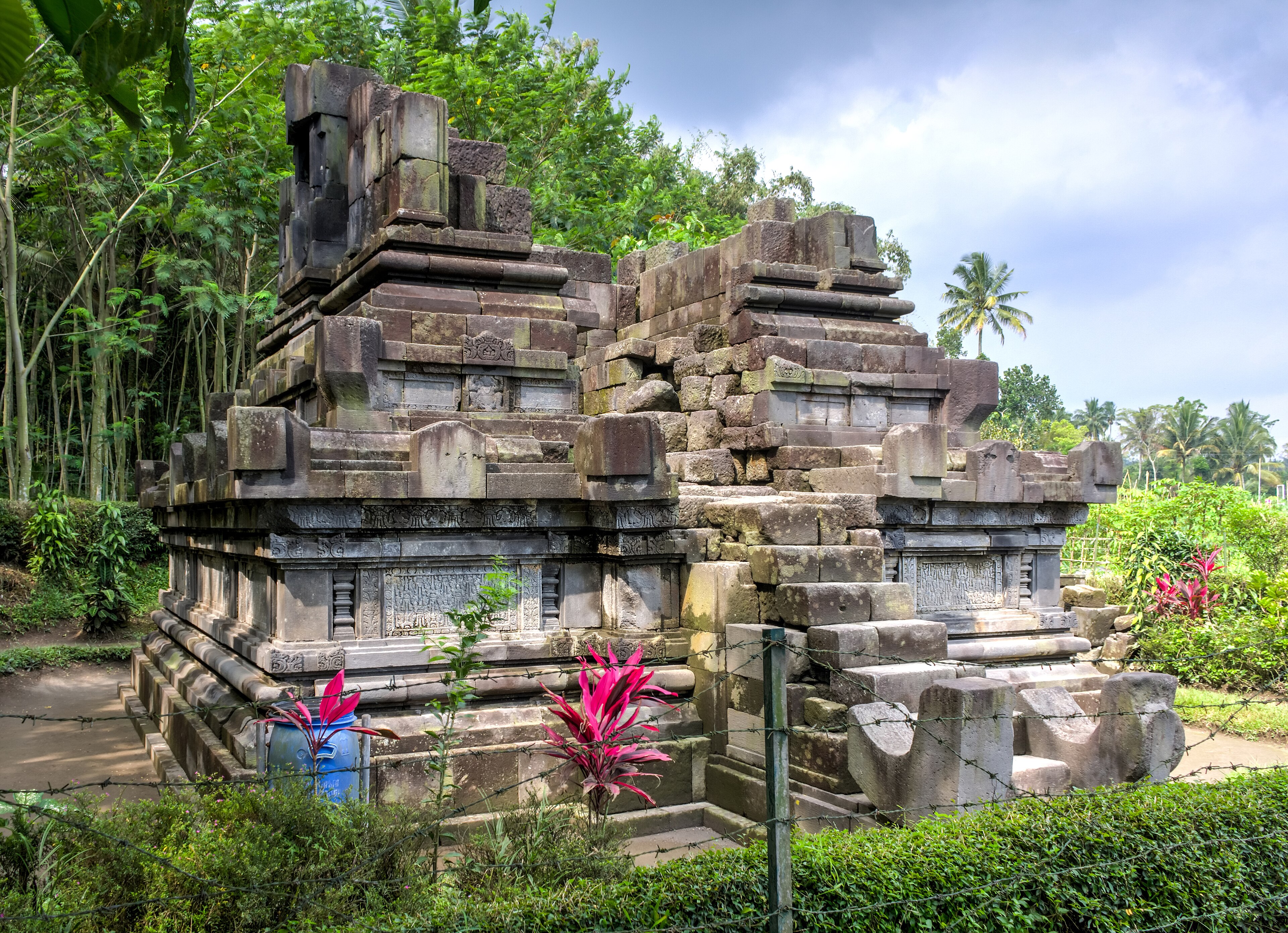
Asu Temple
Asu Temple is an 8th-9th century Hindu temple forming part of the Sengi complex in Magelang Regency, Central Java, nestled between Mount Merapi and Mount Merbabu volcanoes.