Barong Temple
About Barong Temple
The temple is situated at coordinates -7.77564, 110.49731 in Yogyakarta, Indonesia. Visitors should approach the site with respect appropriate to an active or historically significant Hindu sanctuary. Modest dress is advisable when visiting Hindu temples; this typically means covering shoulders and knees. Footwear should be removed when entering sacred spaces, following standard temple etiquette.
The hilltop location means visitors should be prepared for walking on uneven terrain. The site's proximity to the Ratu Boko compound makes it feasible to visit both locations during a single excursion to the Prambanan area. Local guides familiar with the region can provide context about the temple's place within the broader landscape of 9th-century Hindu sites in Yogyakarta.
Practical Information
Specific details regarding opening hours, entry fees, facilities, and current accessibility conditions are not documented in available sources. Visitors planning a trip should contact local tourism authorities in Sleman Regency or the Yogyakarta regional tourism office for current information about site access, any restoration work in progress, and available amenities.
The temple's age and archaeological significance mean that conditions and visitor services may vary seasonally. Checking ahead before traveling is recommended, particularly during the rainy season when hillside access may be affected.
Historical Significance
As a 9th-century structure, Barong Temple dates to a period of significant Hindu cultural flourishing in Java. This era saw the construction of numerous temples across the island, reflecting the prominence of Hindu-Buddhist traditions in the region's religious and political life. The temple's survival to the present day makes it a valuable record of medieval Javanese architectural and artistic practices.
The temple's location within the broader Prambanan complex area—itself home to multiple significant historical structures—indicates that this region held particular religious importance during the medieval period. Understanding Barong Temple requires viewing it as part of this larger landscape of sacred sites.
Nearby Sites
Barong Temple's proximity to the Ratu Boko compound, located approximately 800 meters to the west-northwest, makes it natural to visit both sites together. The Prambanan subdistrict contains multiple temples and archaeological sites from the same historical period, allowing visitors to develop a fuller picture of 9th-century Hindu religious architecture and practice in the region. Local guides can advise on practical routes connecting these various sites.
How to reach
You may also visit
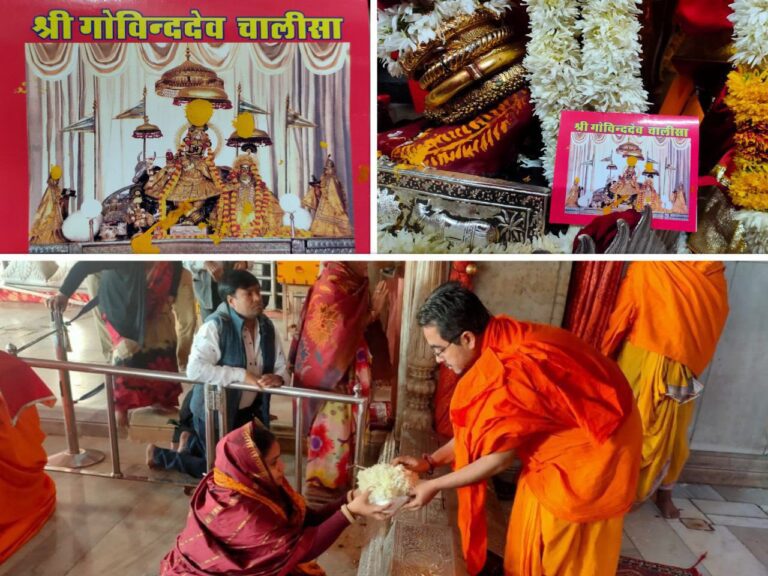
Kalyanji Temple
Kalyanji Temple in Jaipur's Chandpol Bazaar is approximately two centuries old and renowned for displaying the twenty-four avatars of Krishna, visible only twice yearly during Akha Teej and Patottsav festival.
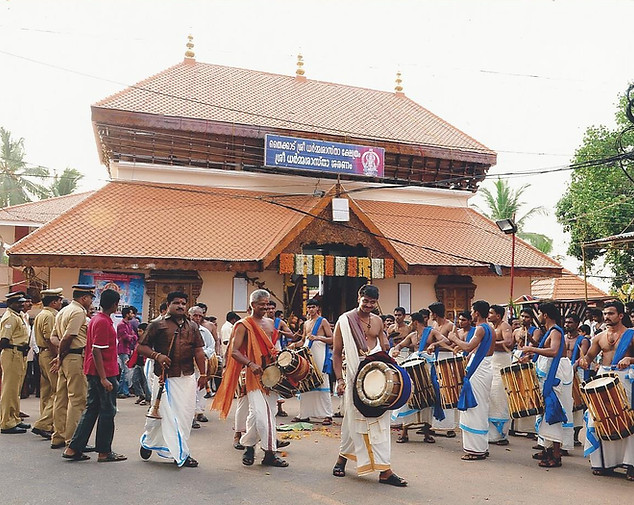
Sastha (Ayyappan) Temple
Sree Dharma Sastha Temple in Thycaud, Thiruvananthapuram, is a centuries-old shrine where the deity manifests as Dhanwanthari, the divine healer, holding the sacred blue lotus.
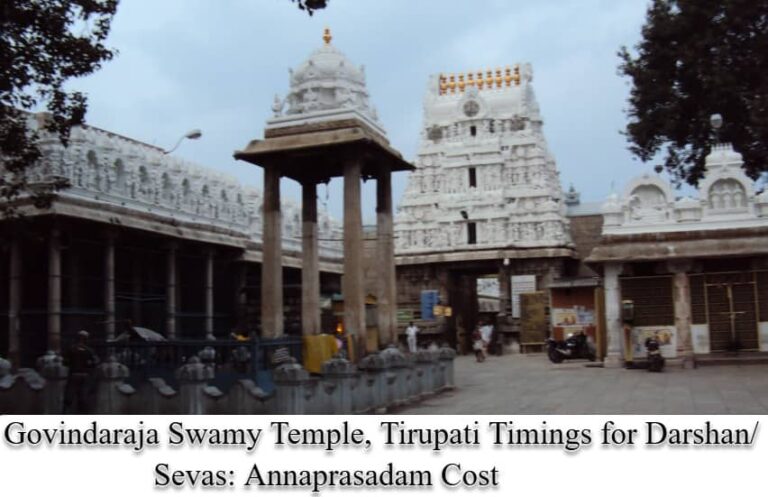
Govindarajaswamy Temple
Sri Govindarajaswamy Temple in Tirupati is an ancient Vaishnavaite shrine consecrated in 1130 AD by Saint Ramanuja, where the presiding deity rests in eternal Yoga Nidra on the serpent Adisesha.